

Visual explanationFree resource
Visual medical education by Armando Hasudungan
Medical science, drawn into focus.
Explore visual explanations that reveal how the facts, processes and clinical patterns fit together—then discover the coming AH study platform, built to guide what you study next and check what stuck.
Connected studyComing soon
Clear visual explanations used by medical and allied-health learners around the world.
Explore the free library
Start with the topic in front of you.
Browse by subject or jump straight into the explanation you need. No account required.
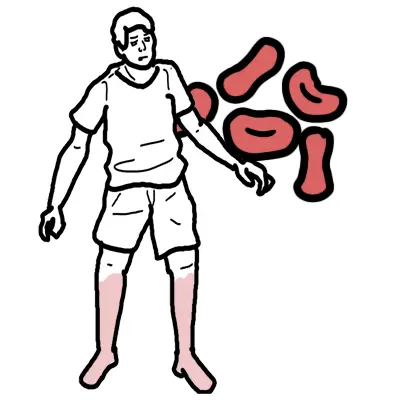
Vitamin B12 Deficiency Anaemia
Overview Vitamin B 12 (cobalamin) deficiency is a common cause of megaloblastic anemia , a variety of neuropsychiatric symptoms, and elevated serum homocysteine levels, especially in older persons. The recognition and treatment of vitamin B 12 deficiency is critical since it is a reversible cause of bone marrow failure and demyelinating nervous system disease. Physiology of…
View topic ↗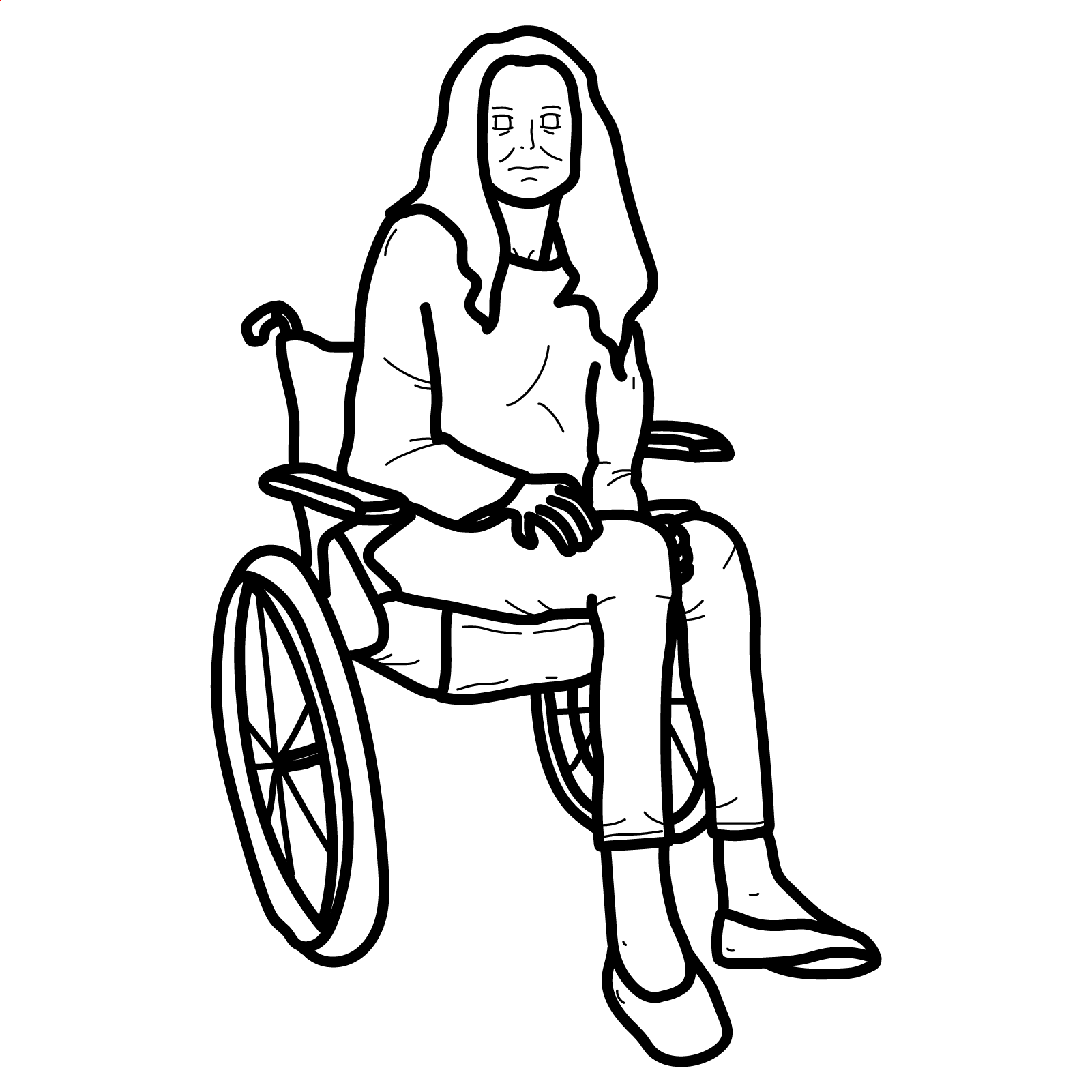
Chronic inflammatory demyelinating polyneuropathy (CIDP)
Overview Chronic inflammatory demyelinating polyradiculoneuropathy (CIDP) is an acquired immune-mediated disorder of peripheral nerves and nerve roots, causing demyelination, impaired nerve conduction, weakness, sensory disturbance and reduced or absent reflexes. Typical CIDP causes progressive or relapsing symmetrical proximal and distal weakness with sensory loss developing over at least 8 weeks . This time course helps…
View topic ↗
Major Depressive Disorder
DSM V categorise these as seperate disorders Depressive disorders Bipolar disorders Anxiety disorders Depressive Disorders Major depressive disorder Other depressive disorder Persistent Depressive Disorder Substance/medication induced depression disorder Depressive disorder due to another medical condition Overview Depressive disorders are typically characterised by persistent low mood, loss of interest and enjoyment, neurovegetative disturbance, and reduced energy,…
View topic ↗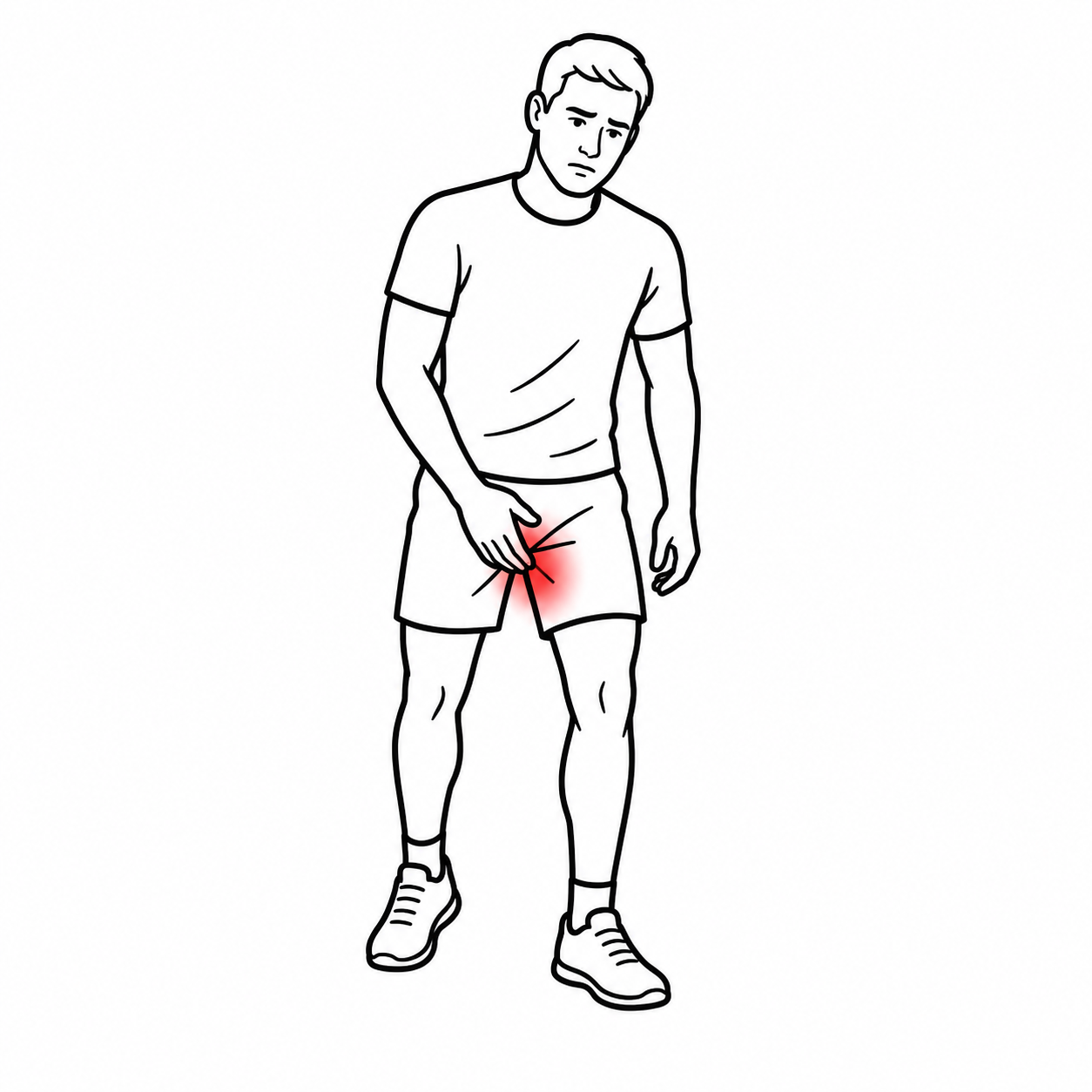
Adductor-related Groin Pain
Overview Adductor-related groin pain is a clinical entity characterised by pain localised to the hip-adductor region, with both tenderness of the adductors and recognisable pain reproduced by resisted hip adduction. It commonly affects athletes participating in sports involving kicking, sprinting, rapid acceleration, cutting or change of direction. 1 The term encompasses acute adductor injuries and…
View topic ↗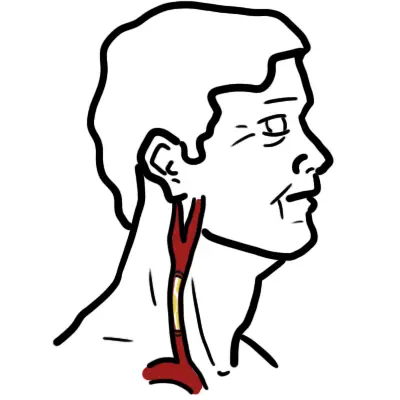
Carotid Artery Disease
Overview Carotid artery disease refers to atherosclerotic narrowing of the carotid artery lumen. It is associated with approximately 10-15% of all ischaemic strokes. Stroke is the third leading cause of death and a principal cause of long-term disability in much of the industrialised world. The degree of internal carotid artery stenosis is the most important…
View topic ↗
Paracetamol Overdose
Overview Paracetamol overdose is a common cause of hospital presentation. Paracetamol is an analgesic and antipyretic drug used in both children and adults. Its mechanism of action is yet to be fully determined, and is likely to involve a number of pain pathways. When taken in excess it can cause signs such as vomiting, right…
View topic ↗
Transient Ischaemic Attack (TIA)
Overview Transient ischemic attack is defined as transient neurologic symptoms without evidence of acute infarction. It is a common and important risk factor for future stroke. TIAs are produced by temporary ischemia to a vascular territory, usually caused by thrombosis or embolism and less commonly by vasculitis, hematologic disorders such as sickle cell disease or…
View topic ↗Full resource library
Browse all topics ↗Choose how you learn
One idea. More than one way to see it.
Use the format that helps the topic click, then switch formats when you need to reinforce it.
01 / WATCH02 / READ03 / SEE04 / CHECK
Videos
Hand-drawn explanations that build the big picture as the concept unfolds.
Notes
Clear written explanations for review, reference and filling in the details.
Diagrams
Visual snapshots that help you easily review topics.
Questions
Test whether the explanation stayed with you—not just whether it looked familiar.
Good places to begin
Explanations learners return to.
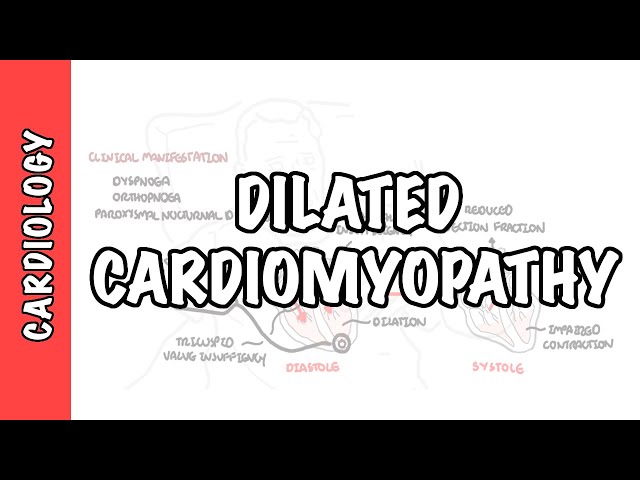
Dilated Cardiomyopathy – causes, symptoms, pathophysiology and treatment
Learn about dilated cardiomyopathy, a condition where the heart's chambers enlarge and weaken, leading to reduced pumping efficiency. This video covers its causes, clinical symptoms, underlying pathophysiology, and current treatment strategies to manage heart failure and improve function.
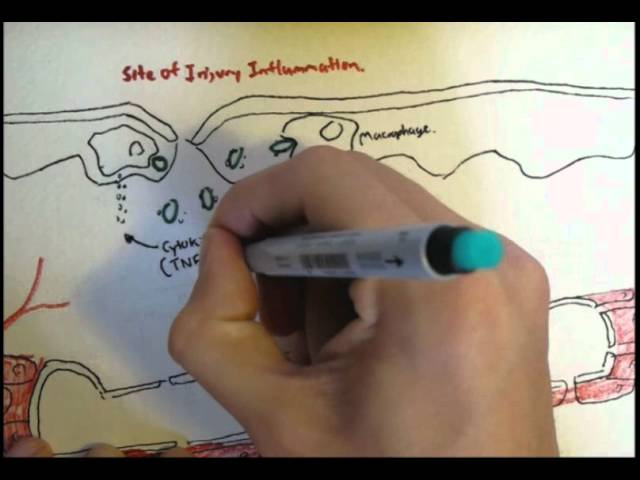
Immunology – Innate Immunity (Diapedesis)
Understand the process of diapedesis, where immune cells exit blood vessels and migrate into surrounding tissues during inflammation. This educational video explains the key steps and molecular signals involved in leukocyte extravasation—essential for mastering innate immunity and immune response mechanisms.
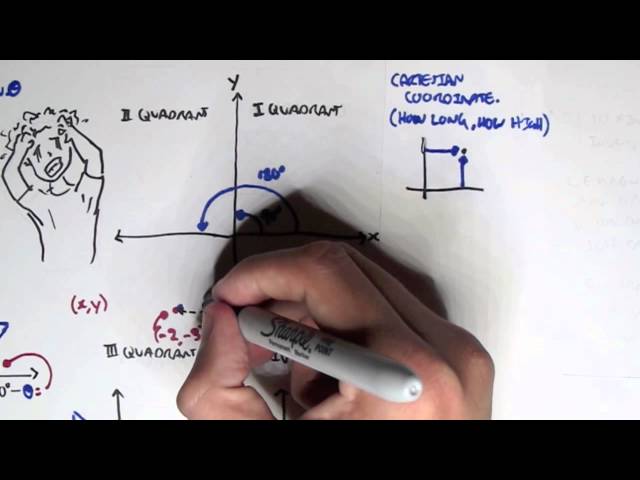
Physics Revision – Trigonometery II
Strengthen your understanding of trigonometry in physics with this video covering advanced applications like vector resolution, angle calculations, and wave analysis. Ideal for exam prep, this lesson reinforces how sine, cosine, and tangent are used to solve real-world physics problems.
Our mission
Medical science is complex. Understanding it should feel possible.
Armando Hasudungan turns difficult medical science into clear visual explanations and connected learning experiences—so learners can see the whole picture, remember what matters and find a clearer way forward.
See it clearly
Turn abstract processes and invisible relationships into something the learner can picture.
Connect the pieces
Build understanding around how concepts fit together—not a pile of isolated facts.
Make it useful
Help learners move from explanation to recall, revision and the next logical step.
What clarity feels like
When the topic stops being a blur.
Learners do not come back because the subject became easy. They come back because the explanation gave them a picture they could work with.
“Armando's teaching style gives me the foundational knowledge.
Jessica Payne-Burnett
Medical Student, Charles Sturt University
“The notes I make during his videos help me retain everything better.
Ayesha RaiStudent, Islamabad Medical and Dental College
“The drawings are amazing and super easy to remember.
Reem Mohamed Khair Abdalrazig
Student, Neelain University
Coming soon: the AH study platform
The explanation is only the start.
The free library helps you find a clear explanation. The AH platform is being built to help you connect the resources, follow a clearer path and check what actually stuck.
- Watch in a focused, ad-free study environment.
- Move between connected videos, notes, diagrams and questions.
- Know what belongs next instead of rebuilding the study path yourself.
- Test your understanding while the topic is still fresh.
New and worth a look
Keep building the picture.

Cervical Radiculopathy
Overview Cervical radiculopathy is dysfunction of a cervical nerve root caused by irritation or compression as it leaves the spine. It commonly produces pain radiating from the neck into one arm, sometimes with paraesthesia, numbness, weakness or altered reflexes. A disc herniation or degenerative narrowing of the neural foramen is a common cause. Diagnosis is…
View this topic ↗About Visualising Medicine
Good education does not remove complexity. It makes complexity feel simple.
Visualising Medicine is the team behind Armando Hasudungan. We bring together medicine, illustration, writing and technology to make difficult ideas clearer—and build better ways for learners to use them.