

Visual explanationFree resource
Visual medical education by Armando Hasudungan
Medical science, drawn into focus.
Explore visual explanations that reveal how the facts, processes and clinical patterns fit together—then discover the coming AH study platform, built to guide what you study next and check what stuck.
Connected studyComing soon
Clear visual explanations used by medical and allied-health learners around the world.
Explore the free library
Start with the topic in front of you.
Browse by subject or jump straight into the explanation you need. No account required.
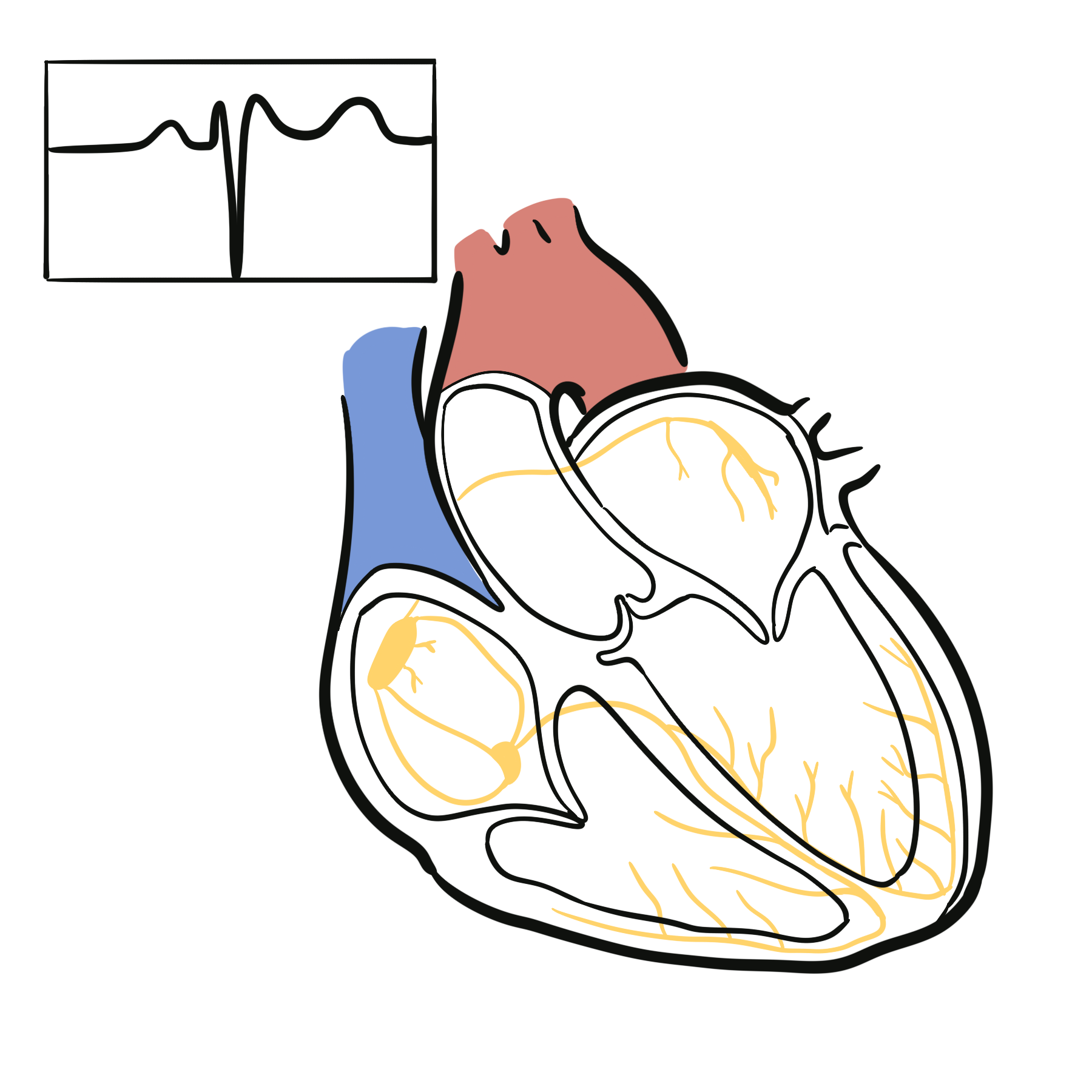
Brugada Syndrome
Overview Brugada syndrome is an inherited cardiac arrhythmia syndrome characterised by a distinctive type 1 Brugada electrocardiogram (ECG) pattern and susceptibility to polymorphic ventricular tachycardia (VT), ventricular fibrillation (VF) and sudden cardiac death, usually without overt structural heart disease. The ECG phenotype is dynamic and may be concealed until it is unmasked by fever, sodium-channel-blocking…
View topic ↗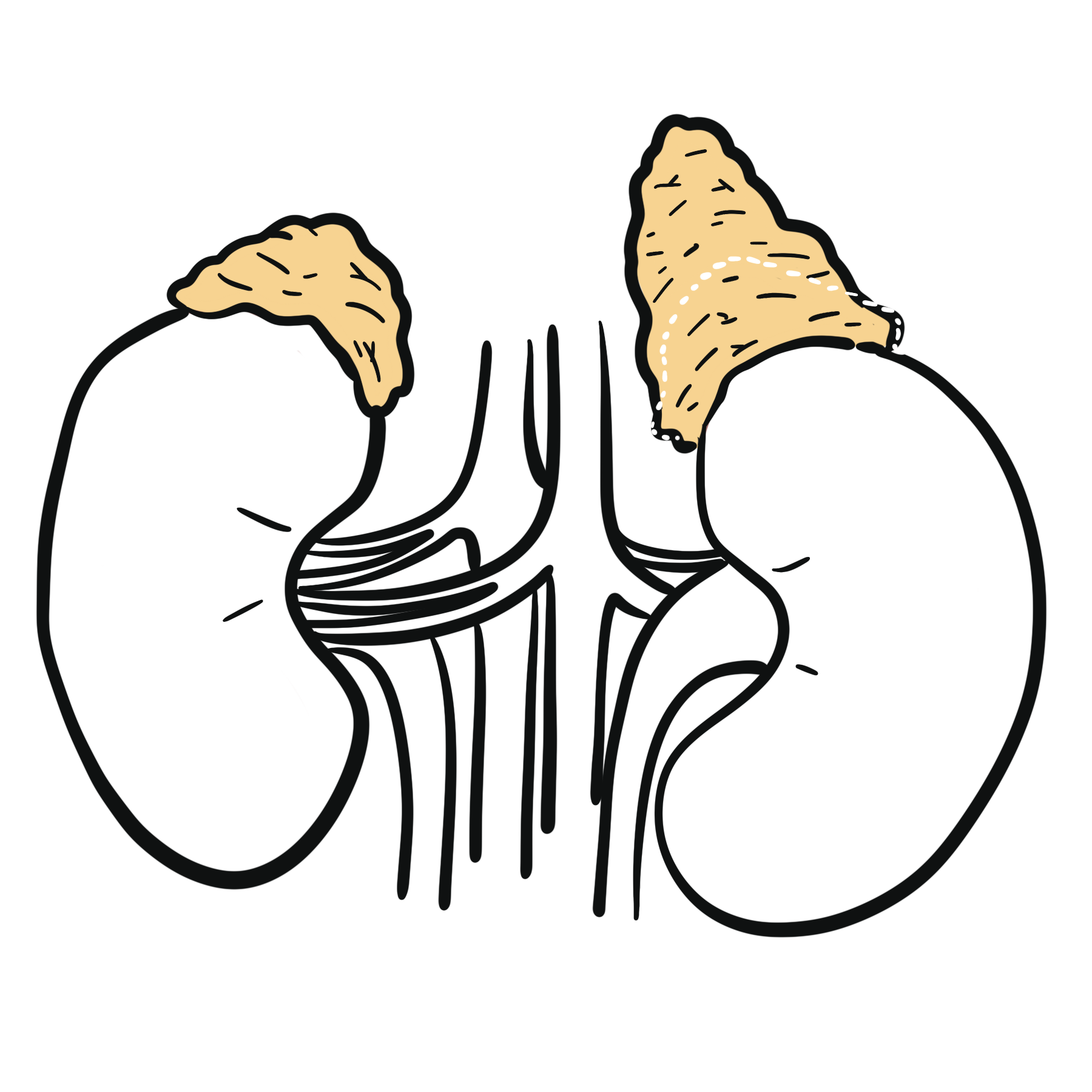
Primary Hyperaldosteronsim (Conn Syndrome)
Overview Primary hyperaldosteronism (also known as Conn syndrome when caused by a solitary aldosterone-producing adenoma) is an endocrine disorder characterized by the autonomous, unregulated overproduction of aldosterone from the zona glomerulosa of the adrenal cortex. Under physiological conditions, aldosterone secretion is regulated by the renin-angiotensin-aldosterone system (RAAS) and serum potassium levels. In primary hyperaldosteronism, aldosterone…
View topic ↗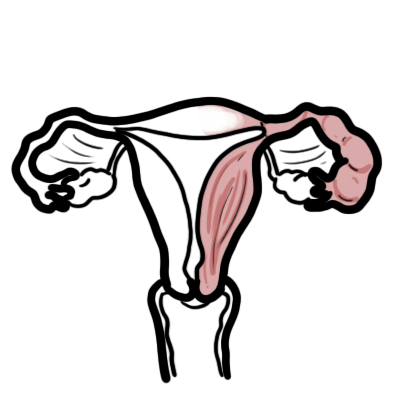
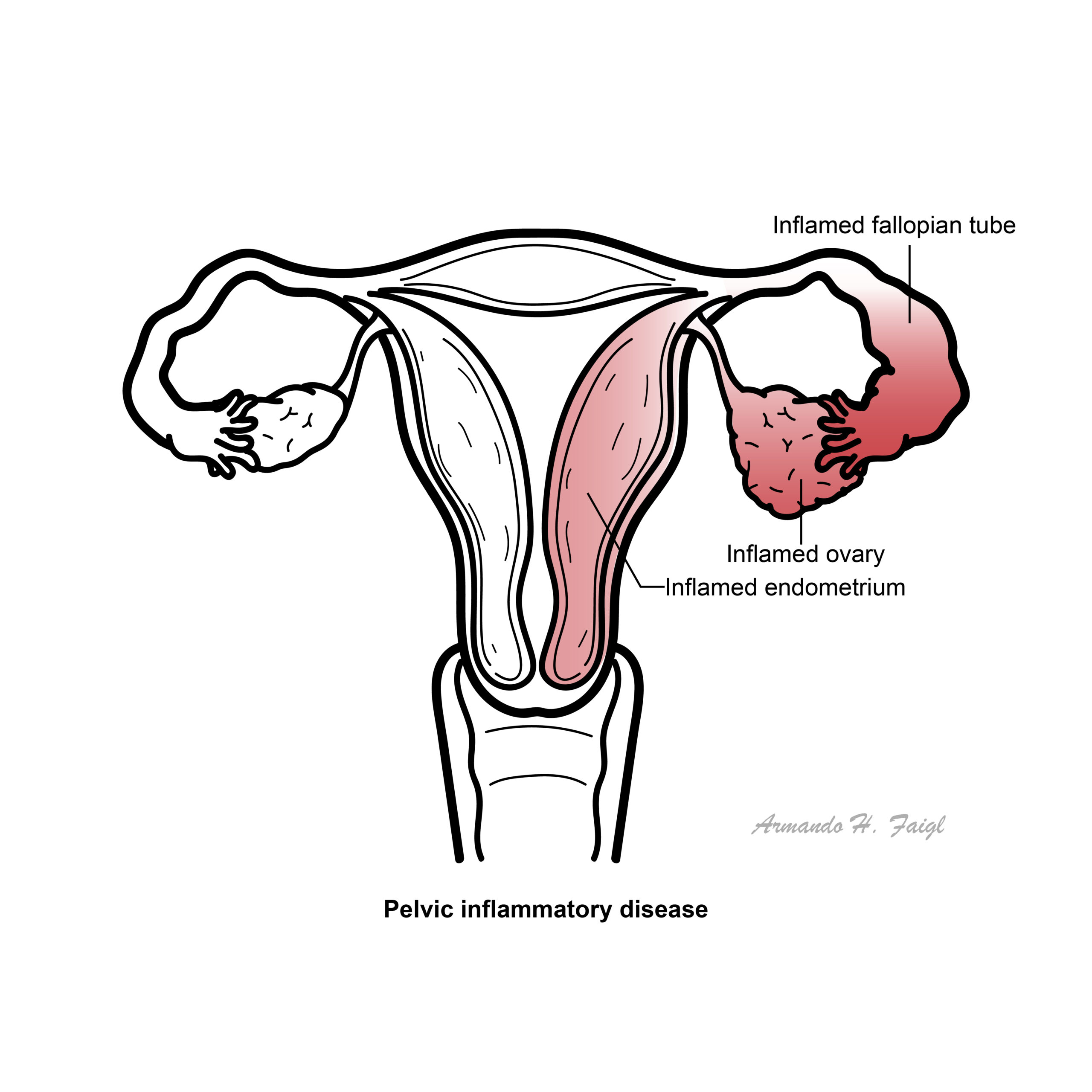
Pelvic Inflammatory Disease
Overview Pelvic inflammatory disease (PID) comprises a spectrum of inflammatory disorders of the upper female genital tract, including any combination of endometritis, salpingitis, tubo-ovarian abscess, and pelvic peritonitis. Causative organisms are either sexually transmitted (such as C trachomatis , N gonorrhoeae , Mycoplasma genitalium ) or endogenous vaginal organisms (for example, Bacteroides species) that ascend…
View topic ↗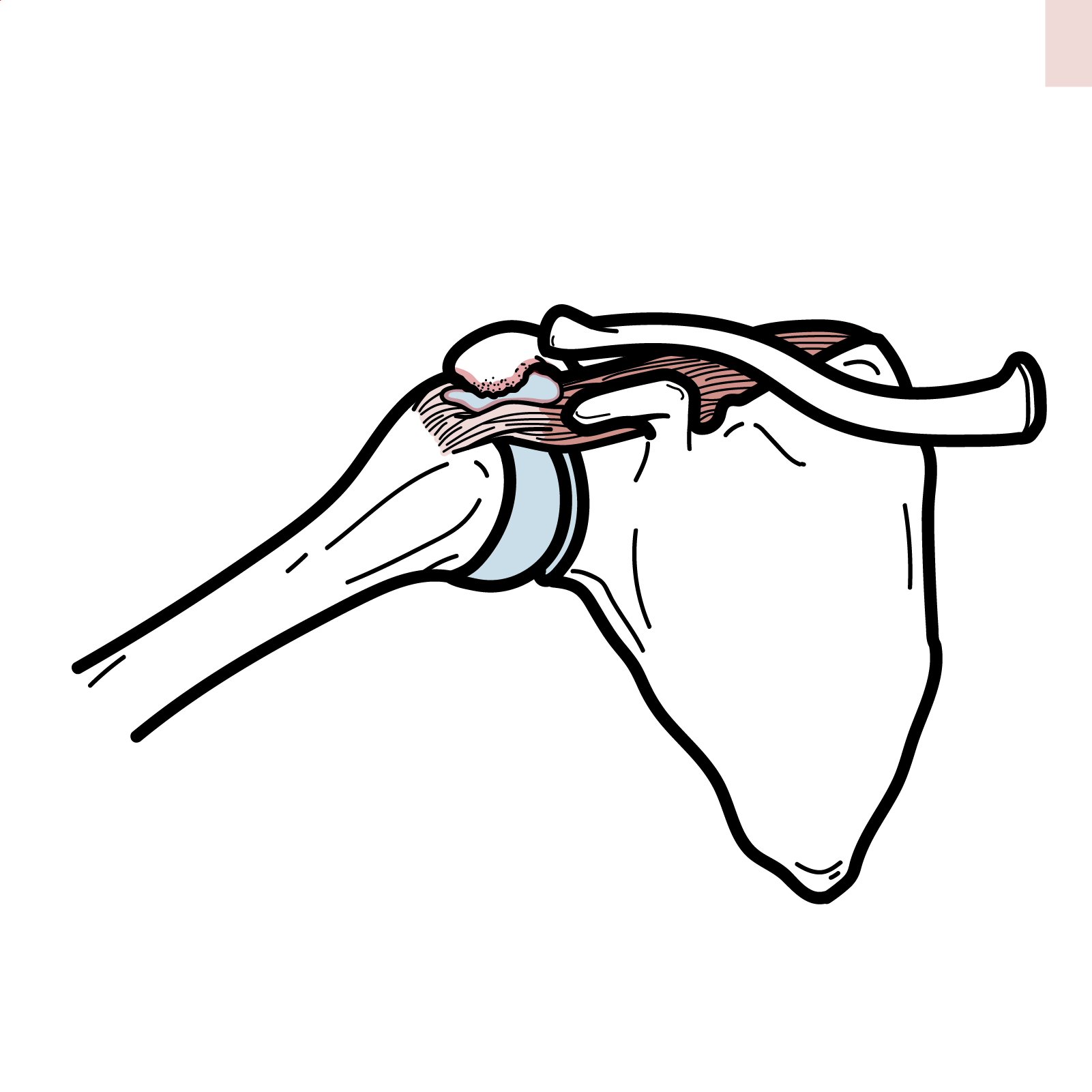
Shoulder Impingement Syndrome (Subacromial Pain Syndrome)
Overview Shoulder impingement syndrome, now more commonly referred to as subacromial pain syndrome (SAPS) , is one of the most frequent causes of shoulder pain. It accounts for ~40–65% of shoulder complaints in primary care and sports medicine settings. It occurs due to mechanical compression of the rotator cuff tendons (most commonly supraspinatus) and subacromial…
View topic ↗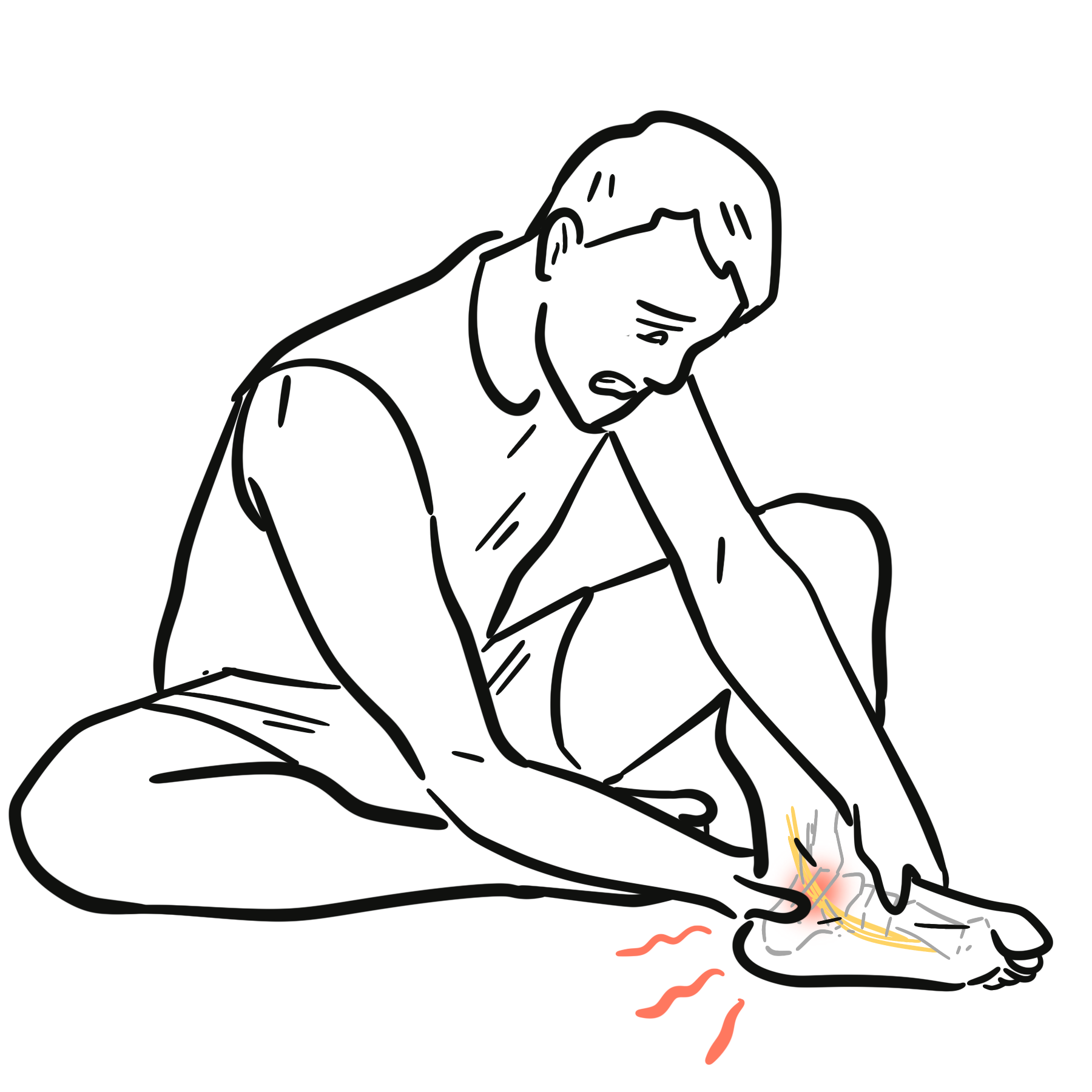
Tarsal Tunnel Syndrome
Overview Tarsal Tunnel Syndrome (TTS), also known as posterior tibial nerve neuralgia, is an entrapment neuropathy caused by compression of the tibial nerve or its terminal branches within the fibro-osseous tarsal tunnel beneath the flexor retinaculum on the medial side of the ankle. It represents the lower extremity analogue of Carpal Tunnel Syndrome. Because the…
View topic ↗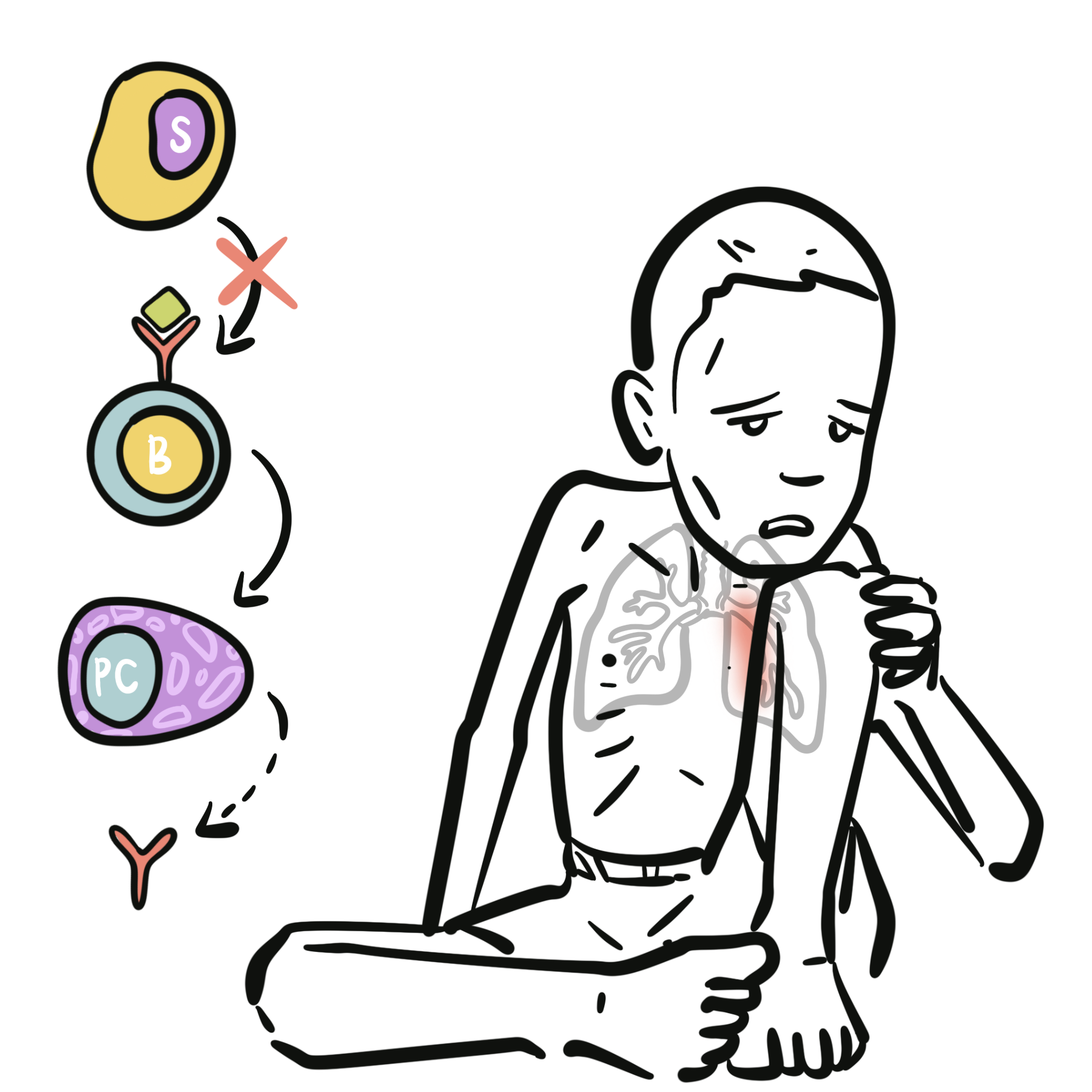
X-linked Agammaglobulinaemia (XLA / Bruton’s Disease)
Overview X-linked agammaglobulinaemia (XLA) is a rare primary immunodeficiency caused by mutations in the Bruton’s tyrosine kinase (BTK) gene , leading to failure of B-cell maturation. It results in profound hypogammaglobulinaemia and susceptibility to recurrent bacterial infections, particularly with encapsulated organisms. It usually presents after 6 months of age (once maternal IgG wanes). Prevalence is…
View topic ↗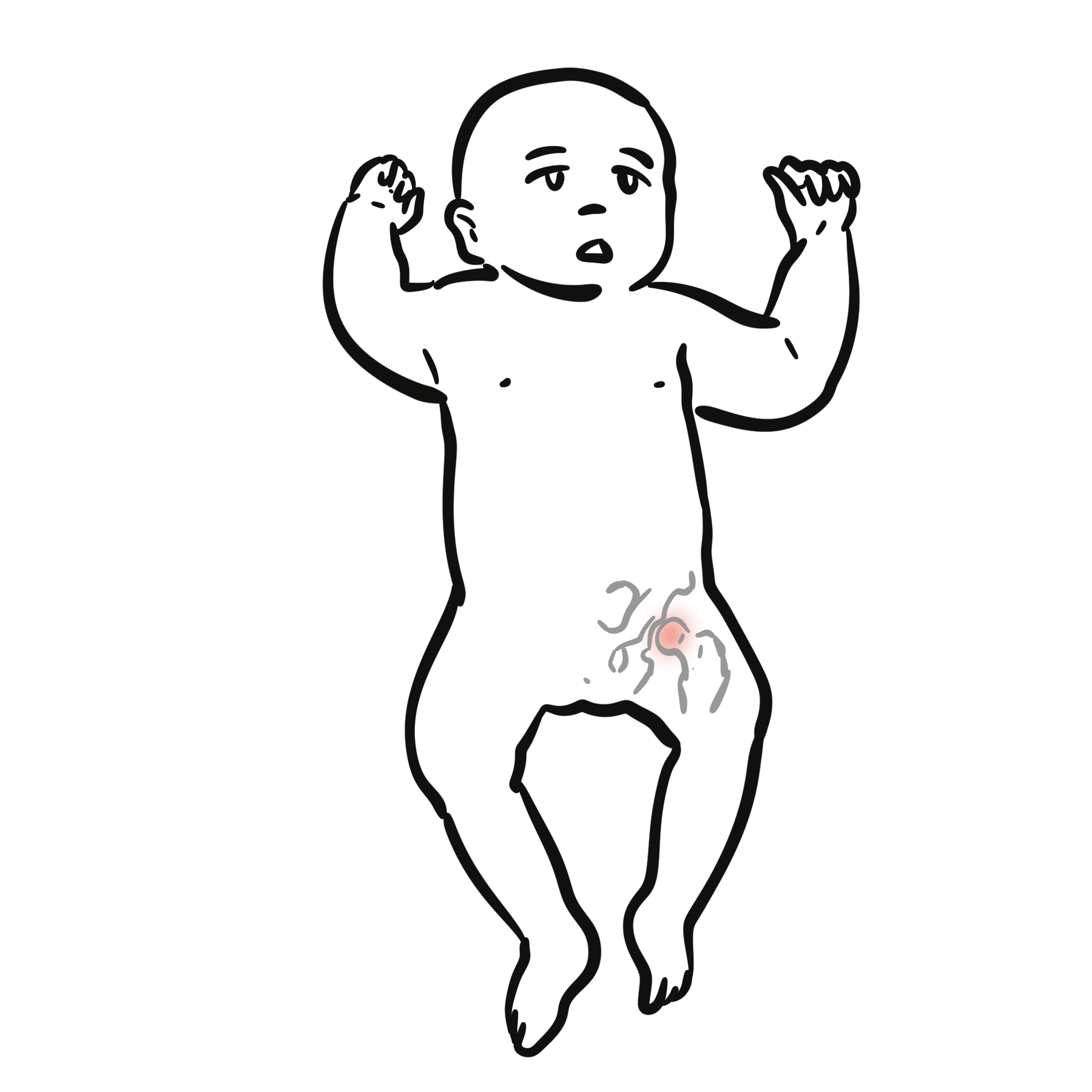
Developmental Hip Dysplasia
Overview Developmental Dyplasia of the hip (DDH) is previously known as congenital dislocation of the hip (however name changed as some of the hip problems develop after birth). Spectrum of condition related to development of the hip in infants and young children. Includes abnormal development of the acetabulum and proximal femur + mechanical instability of the hip joint. Usually involves…
View topic ↗Full resource library
Browse all topics ↗Choose how you learn
One idea. More than one way to see it.
Use the format that helps the topic click, then switch formats when you need to reinforce it.
01 / WATCH02 / READ03 / SEE04 / CHECK
Videos
Hand-drawn explanations that build the big picture as the concept unfolds.
Notes
Clear written explanations for review, reference and filling in the details.
Diagrams
Visual snapshots that help you easily review topics.
Questions
Test whether the explanation stayed with you—not just whether it looked familiar.
Good places to begin
Explanations learners return to.
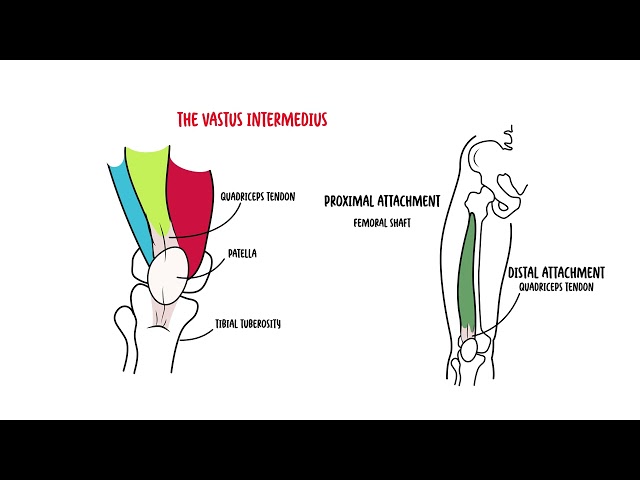
Quadriceps muscle – Clinical Anatomy
Learn the clinical anatomy of the quadriceps muscle group, including its structure, function, and role in knee extension and stability. This video highlights the individual muscles, their innervation, common injury sites, and relevance in physical examination and rehabilitation.

Cardiomyopathy Overview – types (dilated, hypertrophic, restrictive), pathophysiology and treatment
Explore the different types of cardiomyopathy—dilated, hypertrophic, and restrictive—and how they affect heart structure and function. This video explains their pathophysiology, key clinical features, and treatment strategies to manage symptoms and prevent complications.

The Human Vertebra (Spine and Backbone)
Discover the anatomy and function of the vertebral column — cervical, thoracic, lumbar, sacral, and coccygeal vertebrae explained with clinical insights. This concise video breaks down the spine’s 33 vertebrae, core structures (vertebral body, arch, foramen, processes), intervertebral discs (annulus fibrosus and nucleus pulposus), and major ligaments that stabilize and protect the spinal cord. You’ll…
Our mission
Medical science is complex. Understanding it should feel possible.
Armando Hasudungan turns difficult medical science into clear visual explanations and connected learning experiences—so learners can see the whole picture, remember what matters and find a clearer way forward.
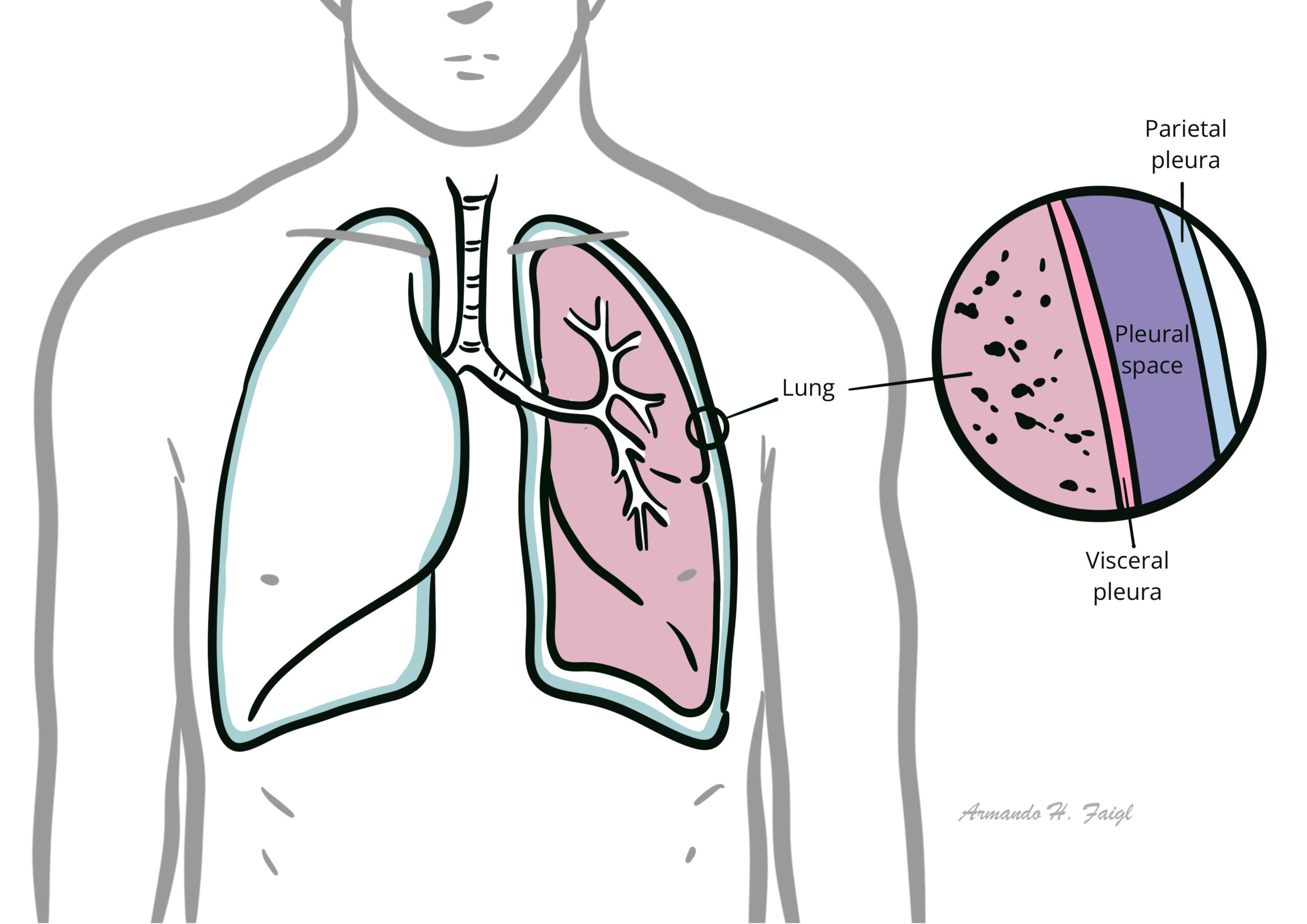
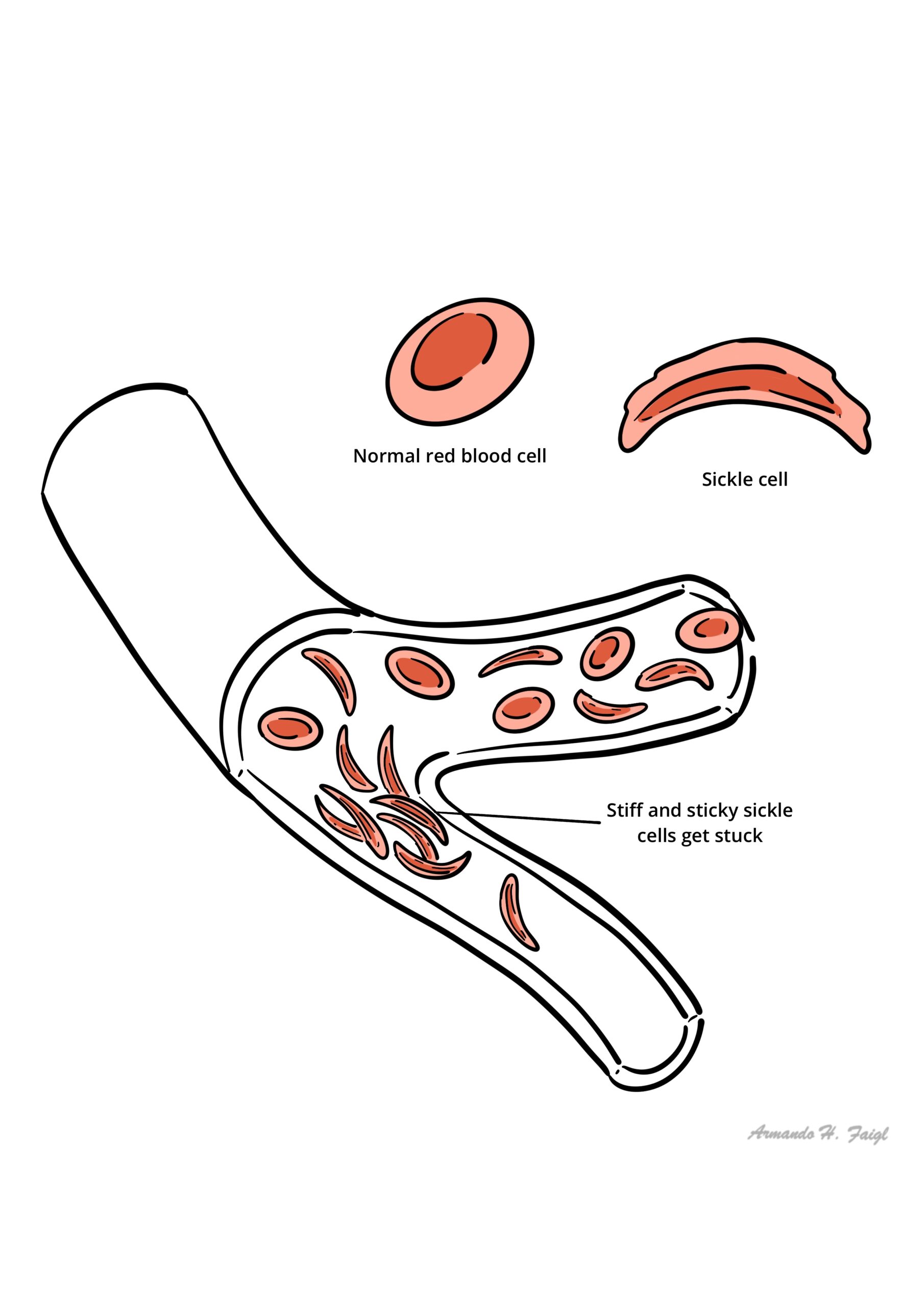
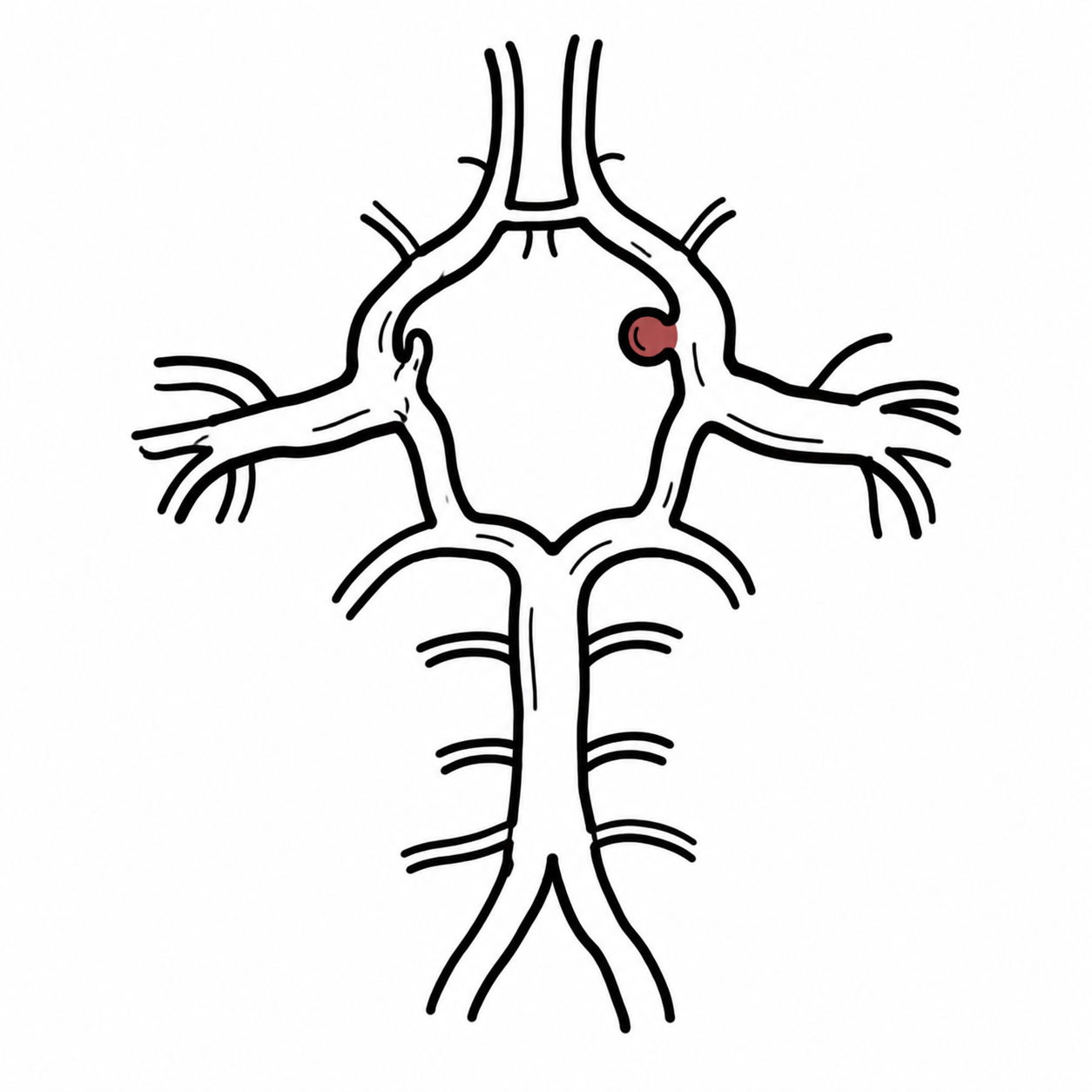
See it clearly
Turn abstract processes and invisible relationships into something the learner can picture.
Connect the pieces
Build understanding around how concepts fit together—not a pile of isolated facts.
Make it useful
Help learners move from explanation to recall, revision and the next logical step.
What clarity feels like
When the topic stops being a blur.
Learners do not come back because the subject became easy. They come back because the explanation gave them a picture they could work with.
“Armando's teaching style gives me the foundational knowledge.
Jessica Payne-Burnett
Medical Student, Charles Sturt University
“The notes I make during his videos help me retain everything better.
Ayesha RaiStudent, Islamabad Medical and Dental College
“The drawings are amazing and super easy to remember.
Reem Mohamed Khair Abdalrazig
Student, Neelain University
Coming soon: the AH study platform
The explanation is only the start.
The free library helps you find a clear explanation. The AH platform is being built to help you connect the resources, follow a clearer path and check what actually stuck.
- Watch in a focused, ad-free study environment.
- Move between connected videos, notes, diagrams and questions.
- Know what belongs next instead of rebuilding the study path yourself.
- Test your understanding while the topic is still fresh.
New and worth a look
Keep building the picture.
Chronic inflammatory demyelinating polyneuropathy (CIDP)
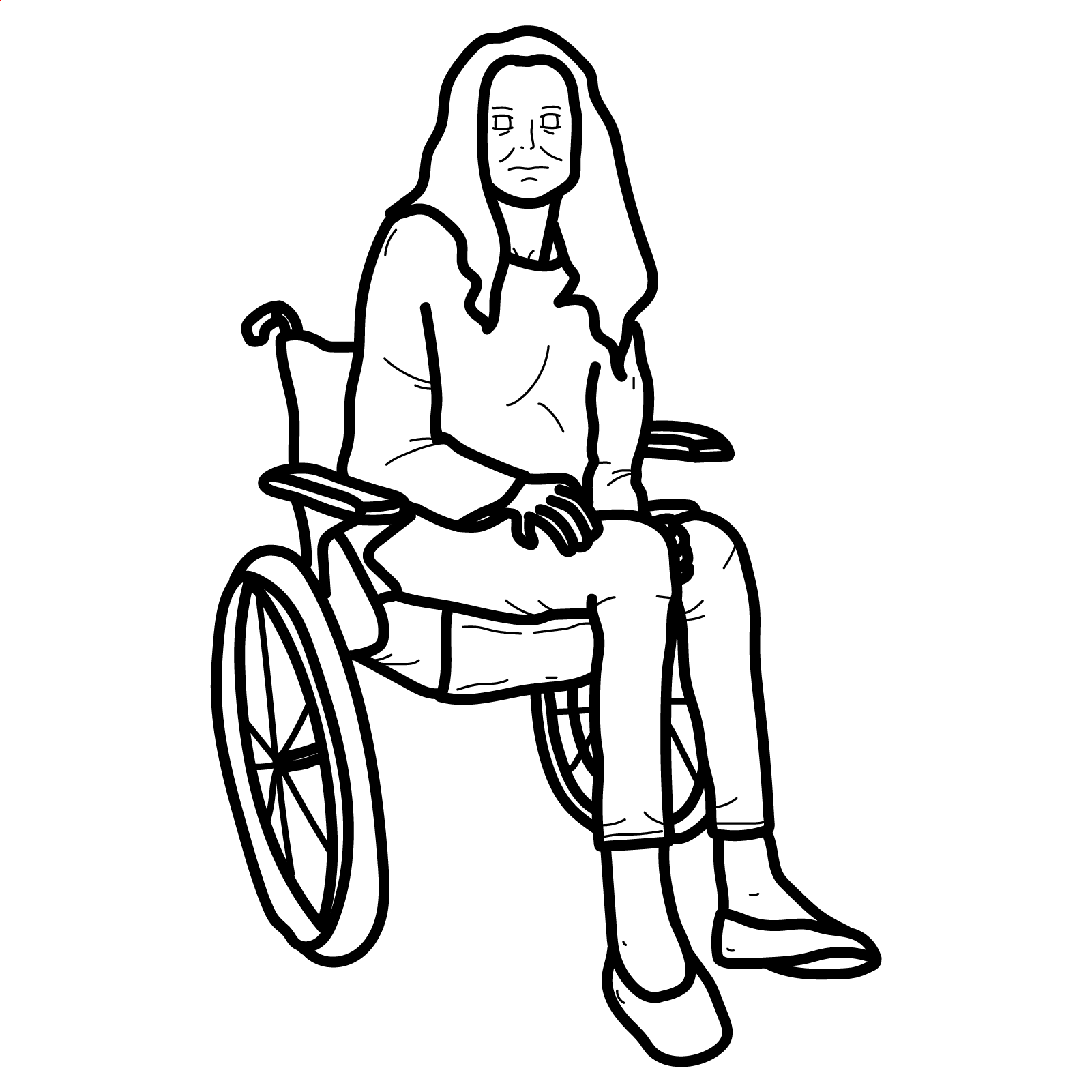
Overview Chronic inflammatory demyelinating polyradiculoneuropathy (CIDP) is an acquired immune-mediated disorder of peripheral nerves and nerve roots, causing demyelination, impaired nerve conduction, weakness, sensory disturbance and reduced or absent reflexes. Typical CIDP causes progressive or relapsing symmetrical proximal and distal weakness with sensory loss developing over at least 8 weeks . This time course helps…
View this topic ↗About Visualising Medicine
Good education does not remove complexity. It makes complexity feel simple.
Visualising Medicine is the team behind Armando Hasudungan. We bring together medicine, illustration, writing and technology to make difficult ideas clearer—and build better ways for learners to use them.