

Visual explanationFree resource
Visual medical education by Armando Hasudungan
Medical science, drawn into focus.
Explore visual explanations that reveal how the facts, processes and clinical patterns fit together—then discover the coming AH study platform, built to guide what you study next and check what stuck.
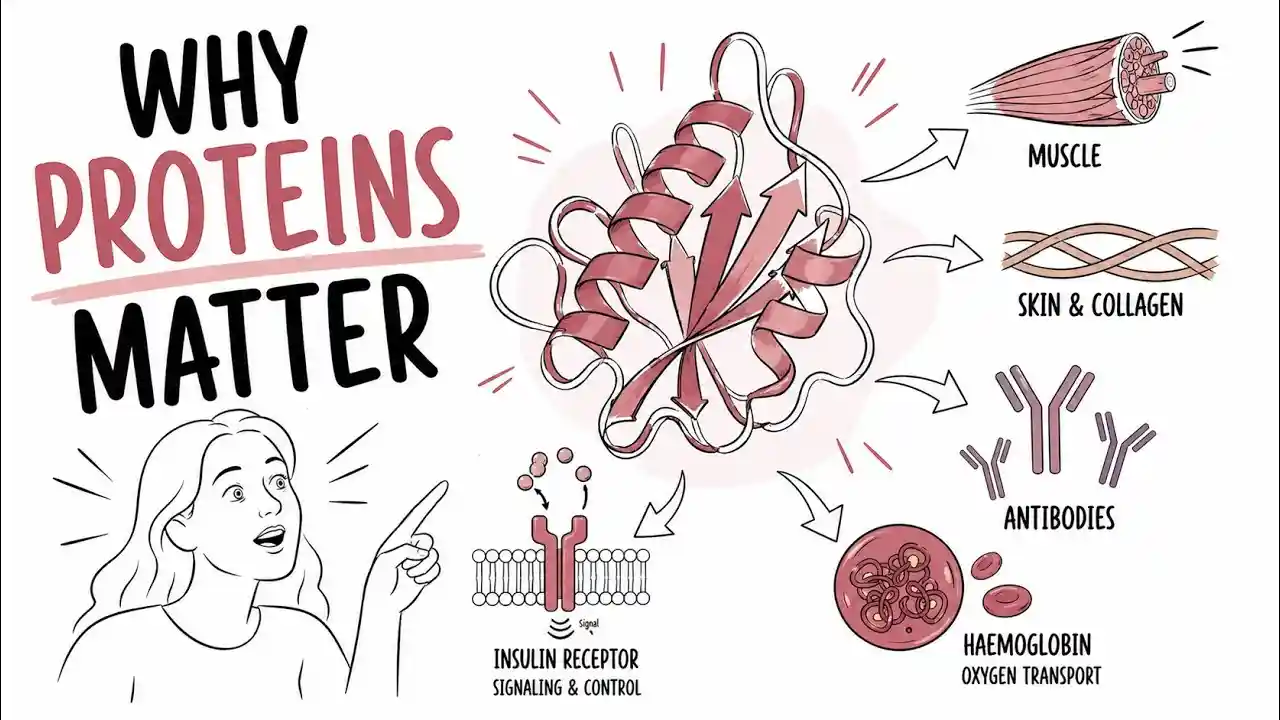
Connected studyComing soon
Clear visual explanations used by medical and allied-health learners around the world.
Explore the free library
Start with the topic in front of you.
Browse by subject or jump straight into the explanation you need. No account required.
Gastric Antral Vascular Ectasia (GAVE)
Overview Gastric antral vascular ectasia (GAVE, “watermelon stomach”) is a rare but important cause of non-variceal upper gastrointestinal bleeding, often presenting with chronic iron-deficiency anaemia or recurrent overt bleeding in older adults, particularly women [1–4]. It is frequently associated with systemic conditions such as liver cirrhosis (~30% of cases) and autoimmune/connective-tissue disease (especially systemic sclerosis).…
View topic ↗Spermatocele
Overview A spermatocele, or spermatic cyst, is a benign fluid-filled cyst arising from the epididymis, usually near the upper pole of the testis. It commonly contains clear or milky fluid with spermatozoa. Most spermatoceles are painless, discovered incidentally and do not require treatment. Epididymis: coiled structure behind the testis that stores and transports sperm. Spermatocele:…
View topic ↗Paediatric Bacterial Cutaneous Infection
Overview Meningitis 5 year old presents with non-blanching rash, fever, headache, photophobia and neck stiffness. Aetiology Up to three months of age Group B streptococcus E-coli Listeria Three to 12 years of age Streptococcus pneumonia N. meningitidis Clinical presentation Fever Lethargy Irritability Anorexia Nausea/vomiting Photophobia Neck and back pain/rigidity Kernig sign Brudzinski sign Investigations FBC…
View topic ↗Anal Fissure
Overview Anal fissure is a split in the skin of the distal anal canal. It presents with severe pain on defecation, like passing “glass shards”, and rectal bleeding. It is more frequently diagnosed in younger and middle-aged individuals. Anal fissures are mostly caused by passage of hard stool but can also be a result of…
View topic ↗Polycystic Kidney Disease
Overview The polycystic kidney diseases are among the most common life-threatening inherited diseases worldwide and frequently cause kidney failure. Autosomal dominant polycystic kidney disease (ADPKD) is seen predominantly in adults, whereas autosomal recessive polycystic kidney disease (ARPKD) is mainly a disease of childhood. For ADPKD, screening asymptomatic at-risk adults with a family history by ultrasound…
View topic ↗Common Variable Immunodeficiency
Overview Common Variable Immunodeficiency (CVID) is the most frequent clinically significant primary antibody deficiency, characterised by hypogammaglobulinaemia and impaired antibody responses. It typically presents with recurrent bacterial infections, autoimmunity, granulomatous disease, and an increased risk of malignancy. CVID affects both sexes equally, with a prevalence of ~1 in 25,000–50,000 individuals. Diagnosis is often delayed, with…
View topic ↗Alzheimer's Disease
Overview Alzheimer disease is characterised by an insidious onset of symptoms with initial forgetfulness progressing over time to profound memory impairment with accompanying dysphasia, dyspraxia and personality change. Dementia: Clinical syndrome that is characterised by a progressive deterioration in cognition with resulting decline in function. Alzheimer disease: Characterised by an insidious onset of symptoms with initial…
View topic ↗Full resource library
Browse all topics ↗Choose how you learn
One idea. More than one way to see it.
Use the format that helps the topic click, then switch formats when you need to reinforce it.
01 / WATCH02 / READ03 / SEE04 / CHECK
Videos
Hand-drawn explanations that build the big picture as the concept unfolds.
Notes
Clear written explanations for review, reference and filling in the details.
Diagrams
Visual snapshots that help you easily review topics.
Questions
Test whether the explanation stayed with you—not just whether it looked familiar.
Good places to begin
Explanations learners return to.
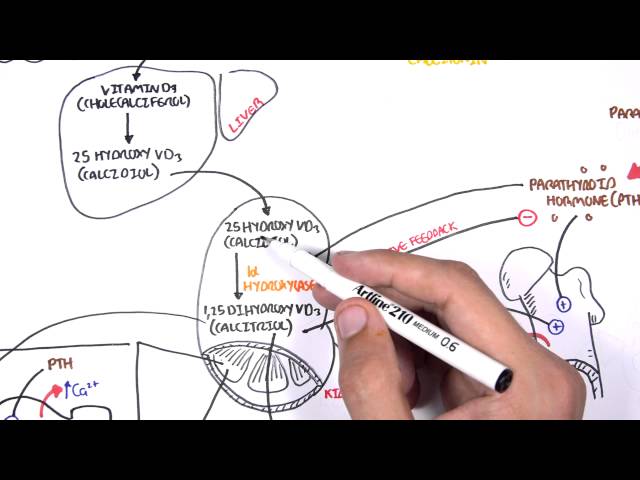
Endocrinology – Calcium and Phosphate Regulation
Understand calcium and phosphate regulation in endocrinology, focusing on the roles of PTH, vitamin D, and calcitonin. This video breaks down hormonal control mechanisms and their impact on bone, kidney, and gut physiology for clear clinical insight.

Opportunistic Infections and AIDS-defining illnesses – CD4+ cell count, malignancy, treatment
Explore the link between declining CD4+ cell counts and the development of opportunistic infections and AIDS-defining illnesses in HIV-positive individuals. This video outlines common infections and malignancies, diagnostic clues, and treatment approaches used in managing advanced HIV disease.
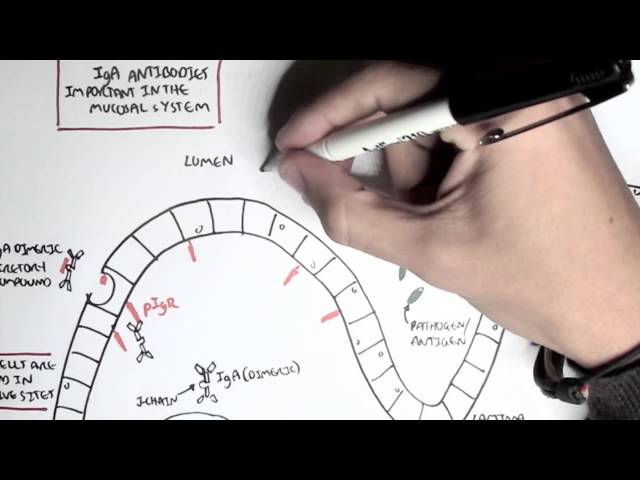
Part III – Mucosal Immunity (IgA antibodies)
Explore the role of IgA antibodies in mucosal immunity, focusing on their production, secretion, and protective functions at epithelial surfaces. This video explains how IgA helps neutralize pathogens while preserving immune tolerance in environments like the gut and respiratory tract.
Our mission
Medical science is complex. Understanding it should feel possible.
Armando Hasudungan turns difficult medical science into clear visual explanations and connected learning experiences—so learners can see the whole picture, remember what matters and find a clearer way forward.
See it clearly
Turn abstract processes and invisible relationships into something the learner can picture.
Connect the pieces
Build understanding around how concepts fit together—not a pile of isolated facts.
Make it useful
Help learners move from explanation to recall, revision and the next logical step.
What clarity feels like
When the topic stops being a blur.
Learners do not come back because the subject became easy. They come back because the explanation gave them a picture they could work with.
“Armando's teaching style gives me the foundational knowledge.
Jessica Payne-Burnett
Medical Student, Charles Sturt University
“The notes I make during his videos help me retain everything better.
Ayesha RaiStudent, Islamabad Medical and Dental College
“The drawings are amazing and super easy to remember.
Reem Mohamed Khair Abdalrazig
Student, Neelain University
Coming soon: the AH study platform
The explanation is only the start.
The free library helps you find a clear explanation. The AH platform is being built to help you connect the resources, follow a clearer path and check what actually stuck.
- Watch in a focused, ad-free study environment.
- Move between connected videos, notes, diagrams and questions.
- Know what belongs next instead of rebuilding the study path yourself.
- Test your understanding while the topic is still fresh.
New and worth a look
Keep building the picture.
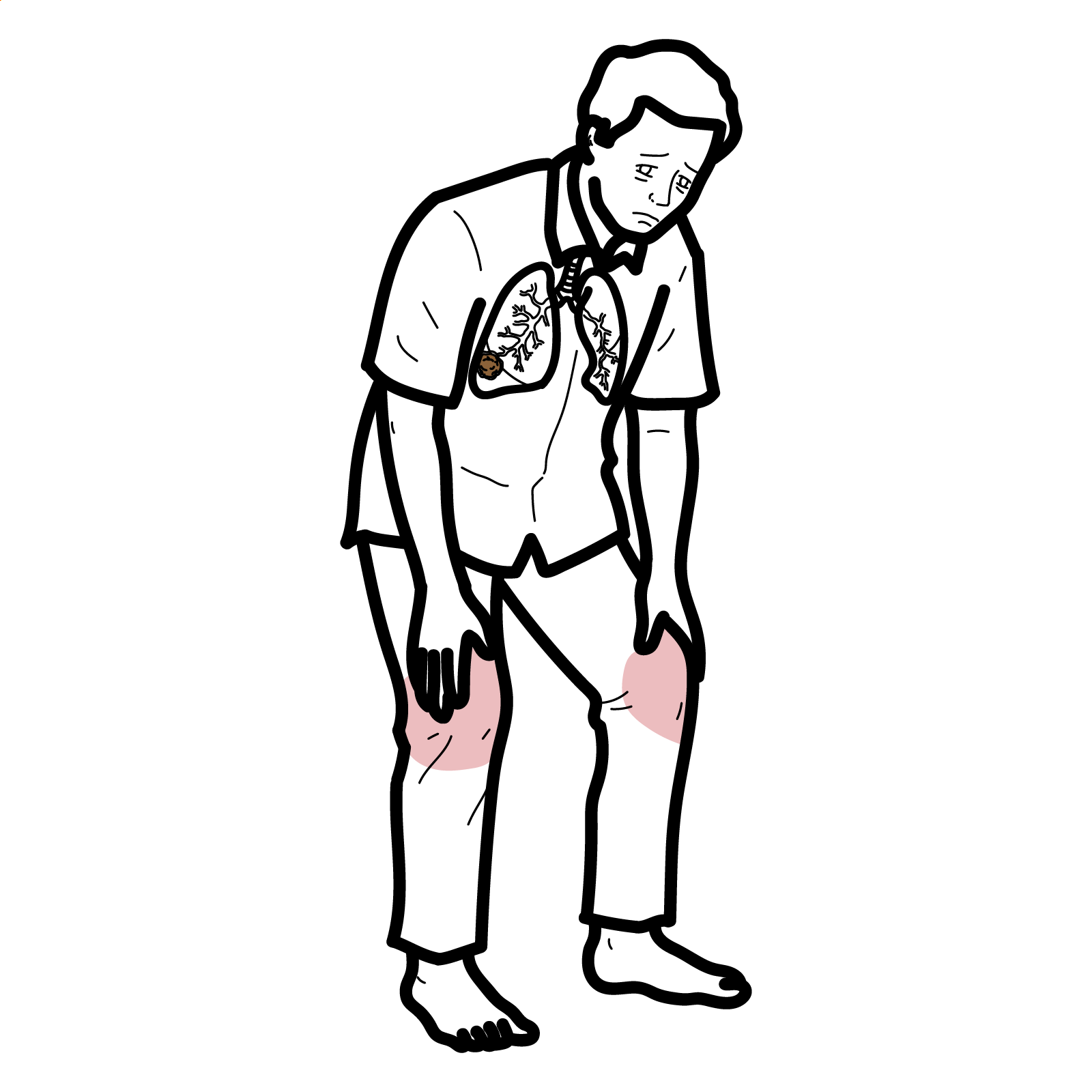
Lambert-Eaton Myasthenic Syndrome
Overview Lambert–Eaton myasthenic syndrome (LEMS) is a rare autoimmune disorder of the presynaptic neuromuscular junction. It causes impaired acetylcholine release, producing the characteristic triad of proximal muscle weakness, reduced reflexes and autonomic dysfunction. LEMS may occur as a paraneoplastic syndrome—most commonly associated with small-cell lung cancer (SCLC)—or as a non-tumour-associated autoimmune disorder. Neuromuscular junction: connection…
View this topic ↗About Visualising Medicine
Good education does not remove complexity. It makes complexity feel simple.
Visualising Medicine is the team behind Armando Hasudungan. We bring together medicine, illustration, writing and technology to make difficult ideas clearer—and build better ways for learners to use them.