

Visual explanationFree resource
Visual medical education by Armando Hasudungan
Medical science, drawn into focus.
Explore visual explanations that reveal how the facts, processes and clinical patterns fit together—then discover the coming AH study platform, built to guide what you study next and check what stuck.
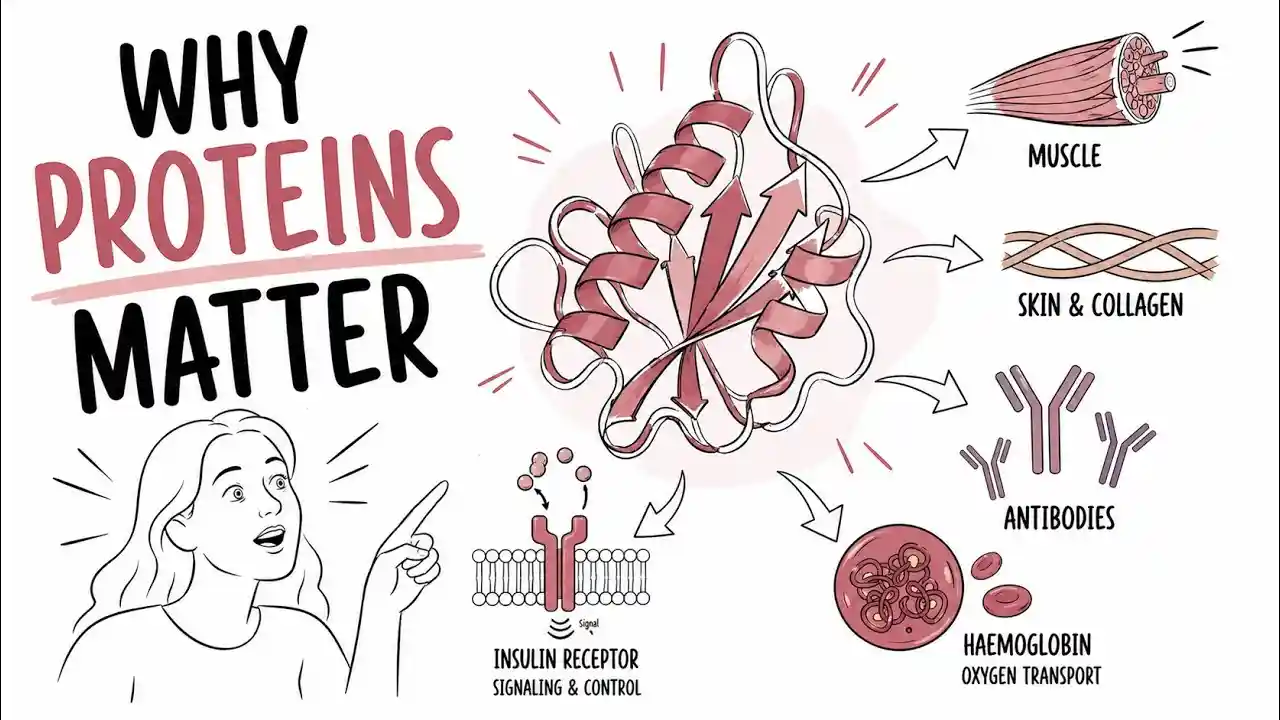
Connected studyComing soon
Clear visual explanations used by medical and allied-health learners around the world.
Explore the free library
Start with the topic in front of you.
Browse by subject or jump straight into the explanation you need. No account required.
Chagas Disease
Authors Megan Miner Armando Faigl Overview Chagas disease is caused by the parasitic protozoan Trypanosoma cruzi (T. cruzi) and is potentially life-threatening. These parasites often live within triatomine bugs. Following a bite to the skin, these bugs, also known as “kissing bugs”, deposit fecal matter near the site of the bite. Their bite, unfortunately, causes…
View topic ↗Psoriatic Arthritis
Overview Psoriatic arthritis (PsA) is a chronic, immune-mediated inflammatory arthritis associated with psoriasis, affecting up to 30% of patients with skin psoriasis. It commonly presents in adults aged 30–50 years, with equal gender distribution. The disease is highly variable, involving peripheral joints, axial skeleton, entheses, and skin/nails. Delay in diagnosis is common and can result…
View topic ↗Carotid Artery Disease
Overview Carotid artery disease refers to atherosclerotic narrowing of the carotid artery lumen. It is associated with approximately 10-15% of all ischaemic strokes. Stroke is the third leading cause of death and a principal cause of long-term disability in much of the industrialised world. The degree of internal carotid artery stenosis is the most important…
View topic ↗Sjögren’s-Associated Interstitial Lung Disease
Overview Sjögren’s-associated interstitial lung disease (Sjögren’s-ILD) is a significant extra-glandular manifestation of primary Sjögren’s disease (pSS), occurring in ~9–20% of patients clinically, with subclinical involvement detectable in up to 50% on HRCT. It may precede sicca symptoms or develop late in the disease course. The most common ILD pattern is nonspecific interstitial pneumonia (NSIP), followed…
View topic ↗Granulomatosis with Polyangiitis
Overview Granulomatosis with polyangiitis (formerly Wegener’s granulomatosis) is a rare, chronic, systemic necrotising vasculitis affecting small-to-medium-sized vessels, characterised by granulomatous inflammation, necrotising vasculitis, and tissue destruction, primarily involving the upper and lower respiratory tracts and kidneys. It falls under the ANCA-associated vasculitides (AAV). Peak incidence is in the 5th–6th decade, with slight male predominance and…
View topic ↗Critical Limb Ischaemia
Overview Critical limb ischaemia (CLI) represents grade III and IV chronic limb ischaemia (based on the Fontaine classification). It presents with rest pain, breakdown of skin and inability to heal an injury, which can lead to infection or gangrene. If left untreated it may be necessary to amputate the affected limb. CLI develops in 1%…
View topic ↗Substance Dependence (Addiction), Withdrawal and Overdose
Overview of addition medicine. This section is a brief introduction to substance abuse, followed by section that look at specific drugs of addiction. Substance Misuse: Consumption above designated low risk levels Substance Abuse: repetitive substance use resulting in social complications (financial, occupational and legal) Substance Tolerance: Defined by either of the following: a need for…
View topic ↗Full resource library
Browse all topics ↗Choose how you learn
One idea. More than one way to see it.
Use the format that helps the topic click, then switch formats when you need to reinforce it.
01 / WATCH02 / READ03 / SEE04 / CHECK
Videos
Hand-drawn explanations that build the big picture as the concept unfolds.
Notes
Clear written explanations for review, reference and filling in the details.
Diagrams
Visual snapshots that help you easily review topics.
Questions
Test whether the explanation stayed with you—not just whether it looked familiar.
Good places to begin
Explanations learners return to.
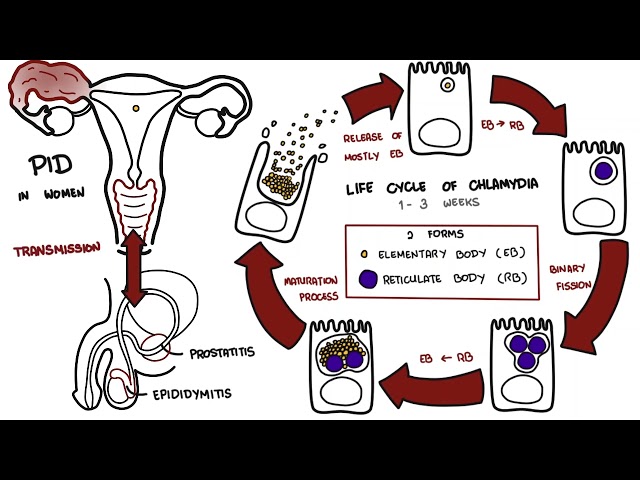
Chlamydia Trachomatis – Chlamydia STI
Chlamydia trachomatis, or more commonly known as Chlamydia, is a gram-negative bacteria which is the most common sexually transmitted infection, especially in under 25 year olds.
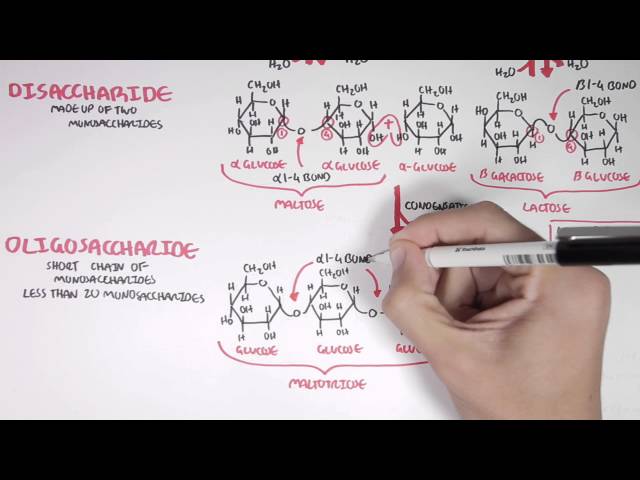
Biochemistry of Carbohydrates
Discover the biochemistry of carbohydrates, focusing on their structure, classification, and role as essential energy sources in the body. This video explains key concepts like monosaccharides, polysaccharides, and carbohydrate metabolism.
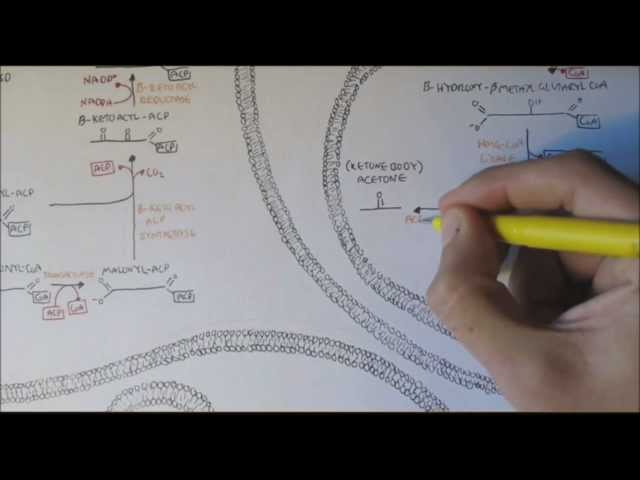
Human Metabolism Map VIII – Ketone Body Production
Explore Ketone Body Production in this video from the Human Metabolism Map series, focusing on how the liver generates ketones during fasting, starvation, and diabetes. Understand the roles of HMG-CoA synthase and lyase, the types of ketone bodies, and their clinical significance—essential for biochemistry and metabolic pathway review.
Our mission
Medical science is complex. Understanding it should feel possible.
Armando Hasudungan turns difficult medical science into clear visual explanations and connected learning experiences—so learners can see the whole picture, remember what matters and find a clearer way forward.
See it clearly
Turn abstract processes and invisible relationships into something the learner can picture.
Connect the pieces
Build understanding around how concepts fit together—not a pile of isolated facts.
Make it useful
Help learners move from explanation to recall, revision and the next logical step.
What clarity feels like
When the topic stops being a blur.
Learners do not come back because the subject became easy. They come back because the explanation gave them a picture they could work with.
“Armando's teaching style gives me the foundational knowledge.
Jessica Payne-Burnett
Medical Student, Charles Sturt University
“The notes I make during his videos help me retain everything better.
Ayesha RaiStudent, Islamabad Medical and Dental College
“The drawings are amazing and super easy to remember.
Reem Mohamed Khair Abdalrazig
Student, Neelain University
Coming soon: the AH study platform
The explanation is only the start.
The free library helps you find a clear explanation. The AH platform is being built to help you connect the resources, follow a clearer path and check what actually stuck.
- Watch in a focused, ad-free study environment.
- Move between connected videos, notes, diagrams and questions.
- Know what belongs next instead of rebuilding the study path yourself.
- Test your understanding while the topic is still fresh.
New and worth a look
Keep building the picture.
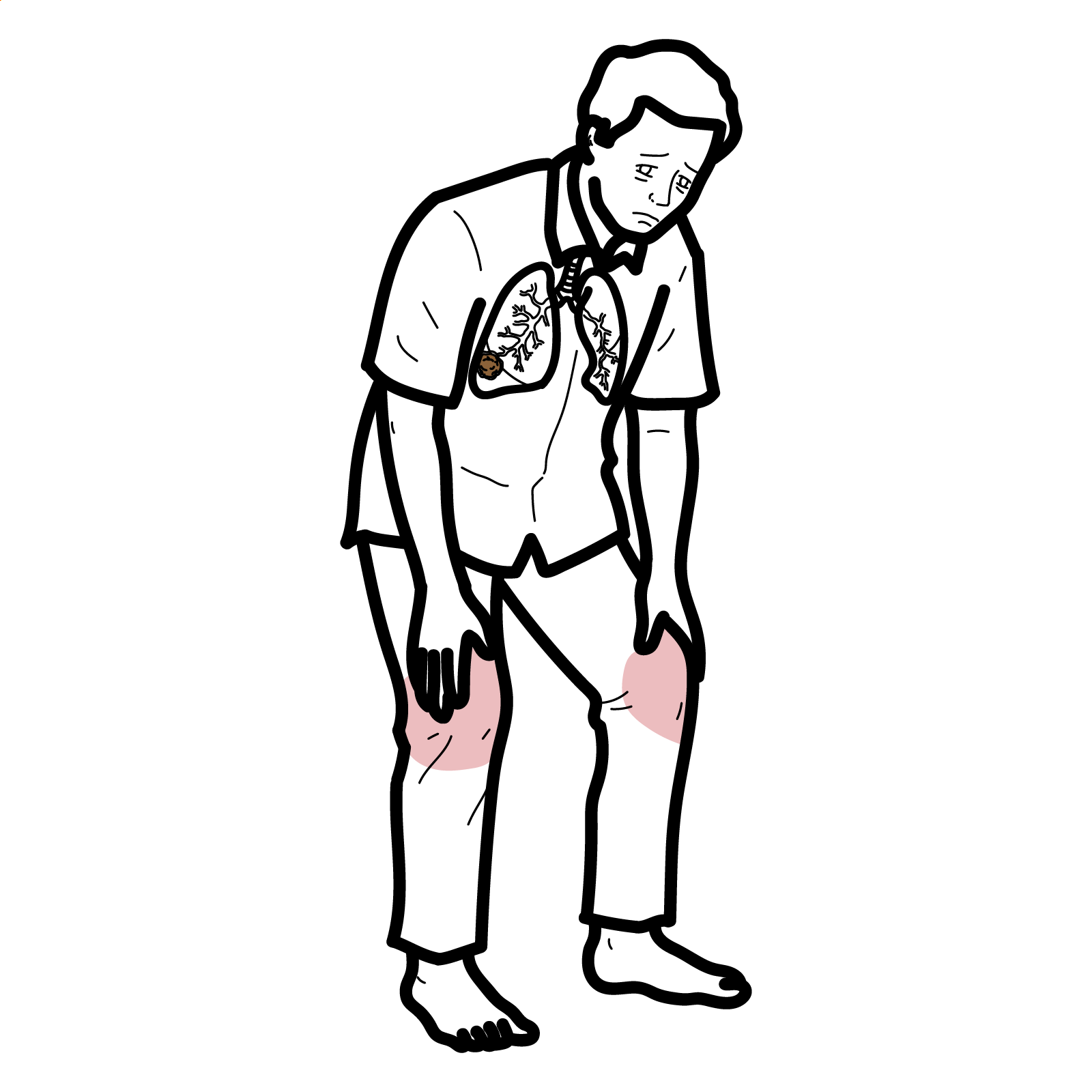
Lambert-Eaton Myasthenic Syndrome
Overview Lambert–Eaton myasthenic syndrome (LEMS) is a rare autoimmune disorder of the presynaptic neuromuscular junction. It causes impaired acetylcholine release, producing the characteristic triad of proximal muscle weakness, reduced reflexes and autonomic dysfunction. LEMS may occur as a paraneoplastic syndrome—most commonly associated with small-cell lung cancer (SCLC)—or as a non-tumour-associated autoimmune disorder. Neuromuscular junction: connection…
View this topic ↗About Visualising Medicine
Good education does not remove complexity. It makes complexity feel simple.
Visualising Medicine is the team behind Armando Hasudungan. We bring together medicine, illustration, writing and technology to make difficult ideas clearer—and build better ways for learners to use them.