

Psoriatic Arthritis
Overview
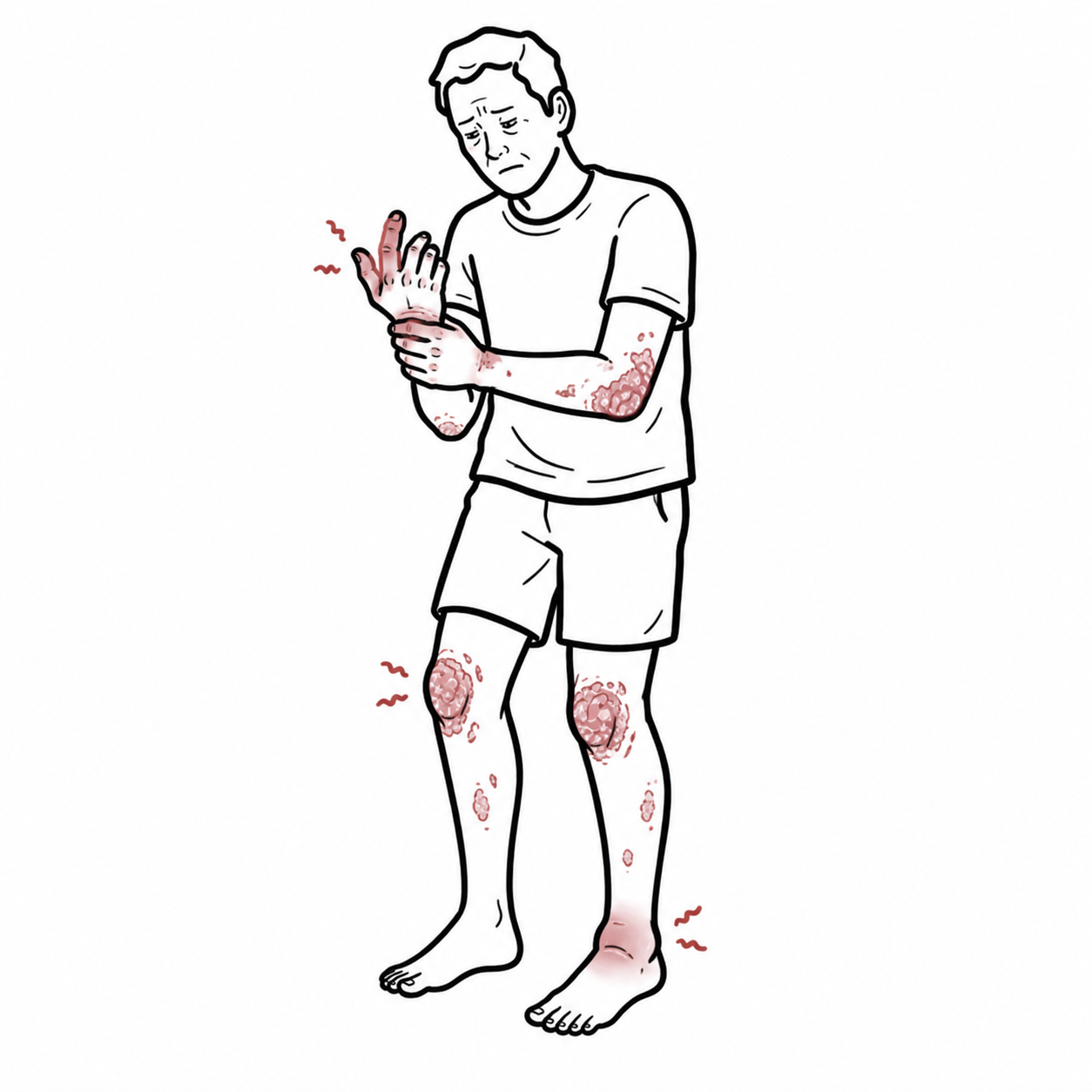
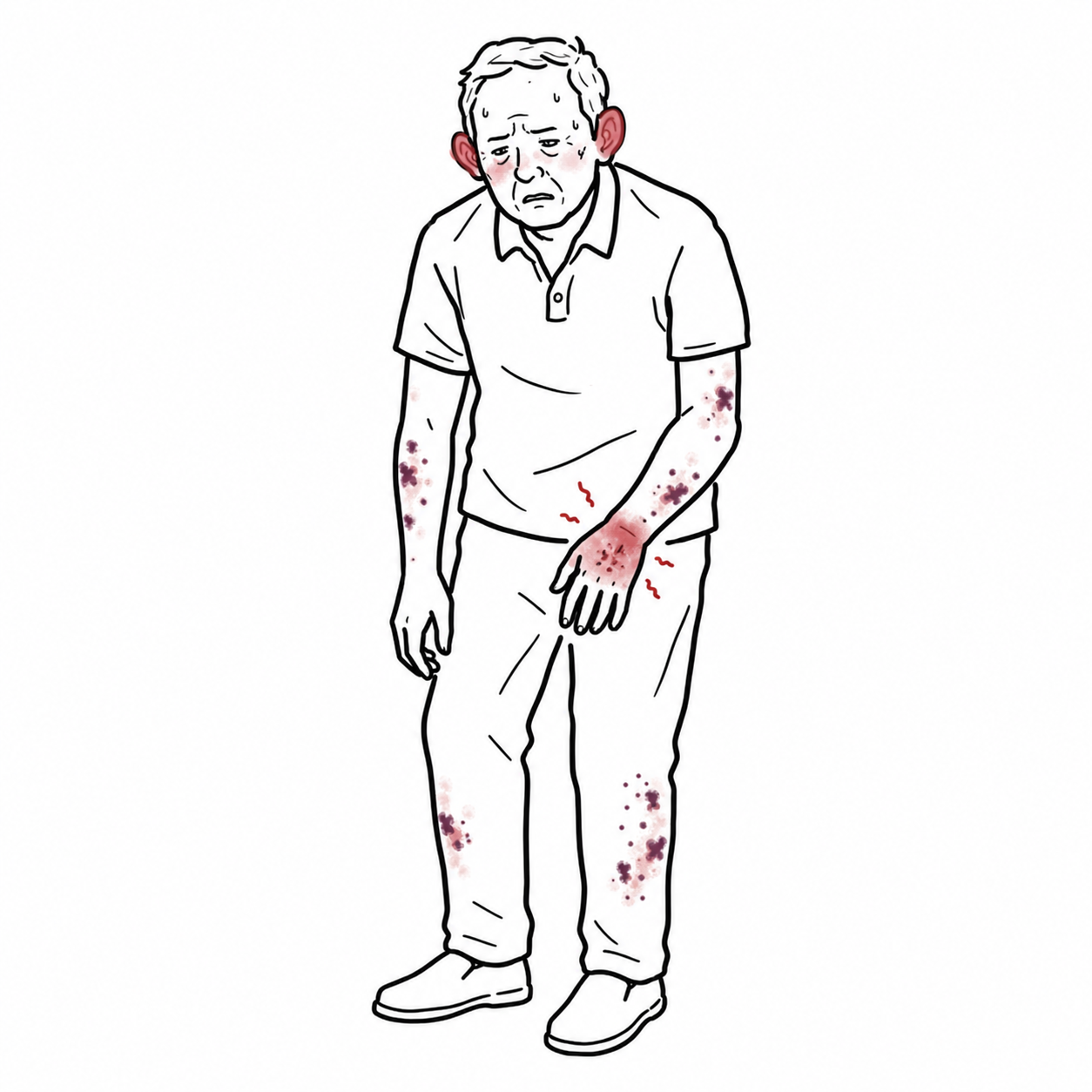
Psoriatic arthritis (PsA) is a chronic, immune-mediated inflammatory arthritis associated with psoriasis, affecting up to 30% of patients with skin psoriasis. It commonly presents in adults aged 30–50 years, with equal gender distribution. The disease is highly variable, involving peripheral joints, axial skeleton, entheses, and skin/nails. Delay in diagnosis is common and can result in irreversible joint damage.
Definition
Psoriatic Arthritis (PsA): Seronegative spondyloarthropathy associated with psoriasis, affecting joints, entheses, and axial skeleton.
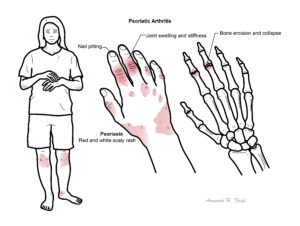
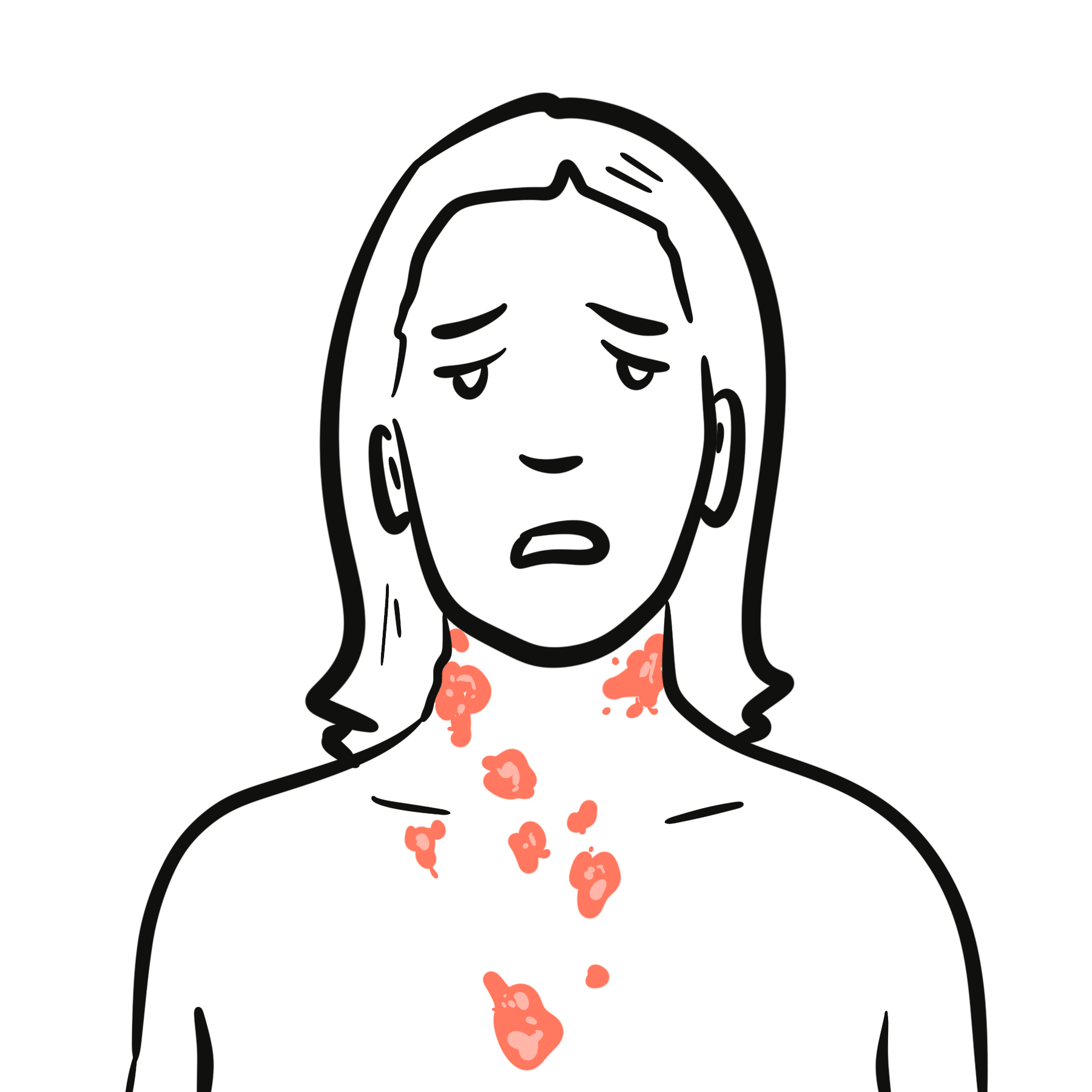
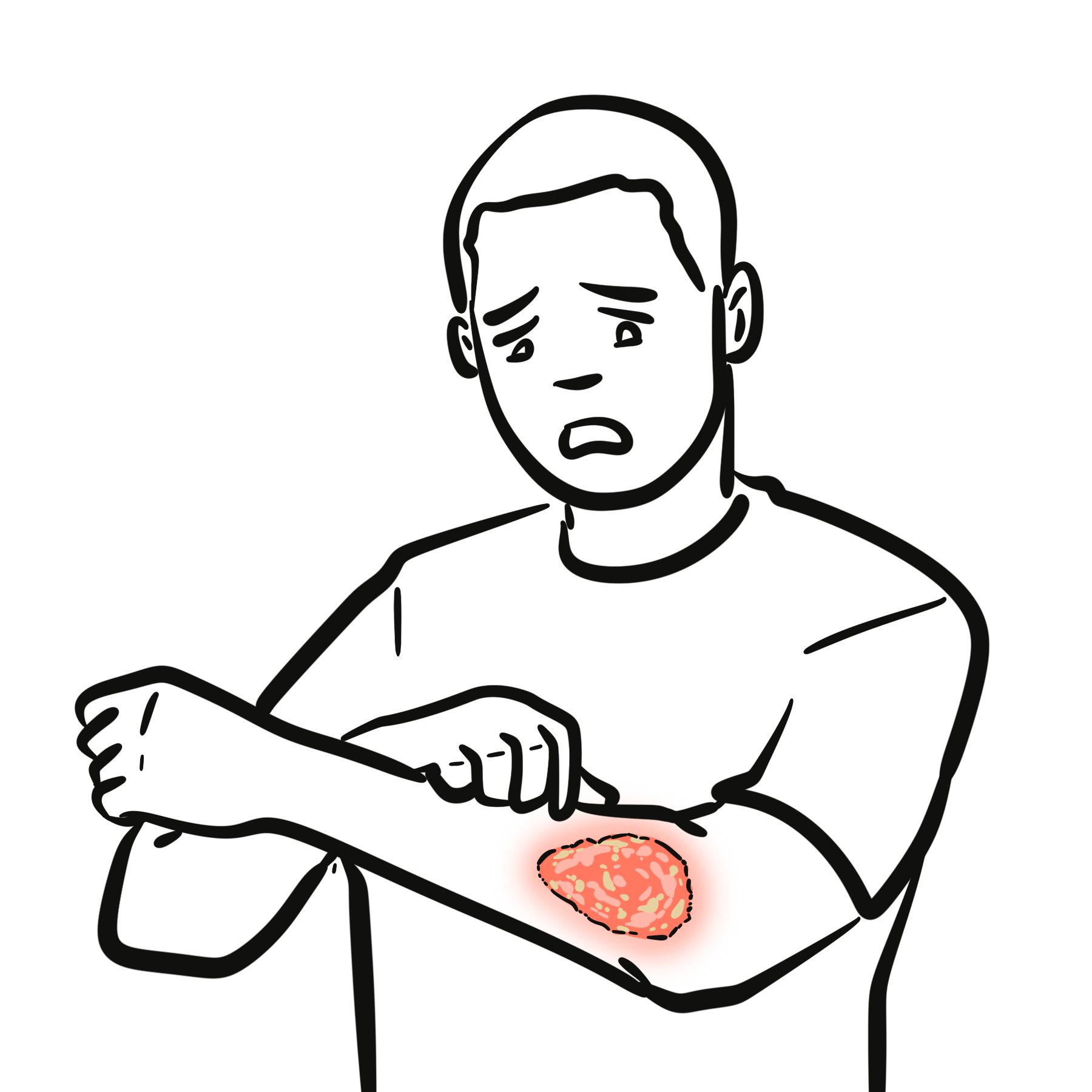
Psoriasis Well-demarcated, erythematous plaques with silvery scale (often scalp, elbows, knees).
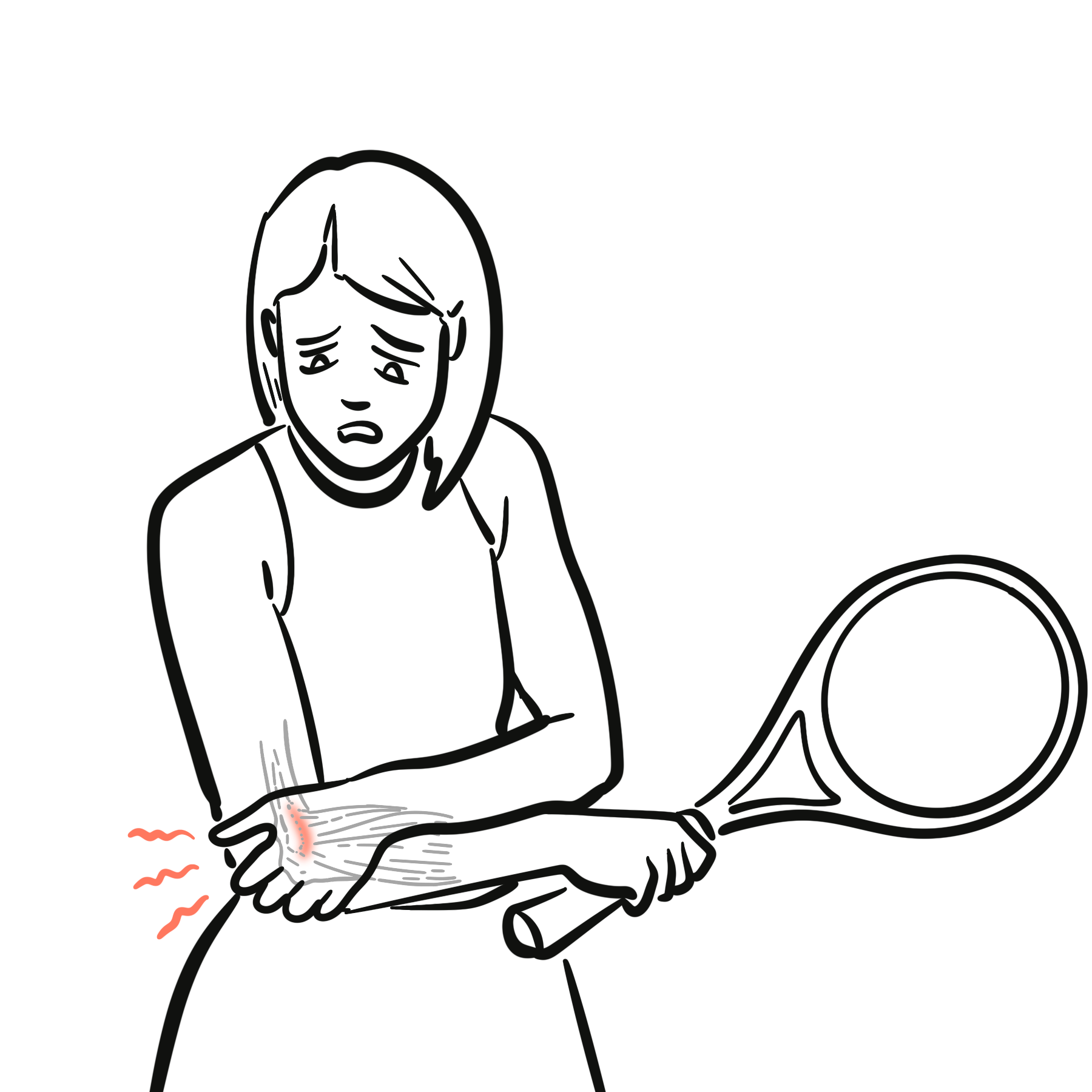
Enthesitis: Inflammation at tendon or ligament insertion sites into bone.
Dactylitis: Diffuse swelling of entire digits due to synovitis and tenosynovitis.
Pencil-in-cup deformity: Classic radiographic change due to erosive and proliferative joint damage in PsA.
Aetiology & Risk Factors
- Genetics: HLA-B27 (axial), HLA-Cw6 (psoriasis)
- Family history of psoriasis or PsA
- Psoriasis: particularly widespread, involving scalp, groin or nail involvement
- Environmental triggers: trauma (Koebner phenomenon), infections
- Obesity and smoking increase severity and risk
Nail psoriasis is a strong predictor of future PsA development.
Pathophysiology
- Genetic predisposition → dysregulated immune response
- Trigger (trauma/infection) leads to activation of dendritic cells, Th17 cells, and production of cytokines (IL-17, IL-23, TNF-α)
- Leads to synovitis, enthesitis, osteitis, and bone proliferation and erosion
- Skin: Psoriasis involves the epidermis and dermis—keratinocyte hyperproliferation and inflammation
- Joints: PsA affects synovial joints (peripheral and axial)
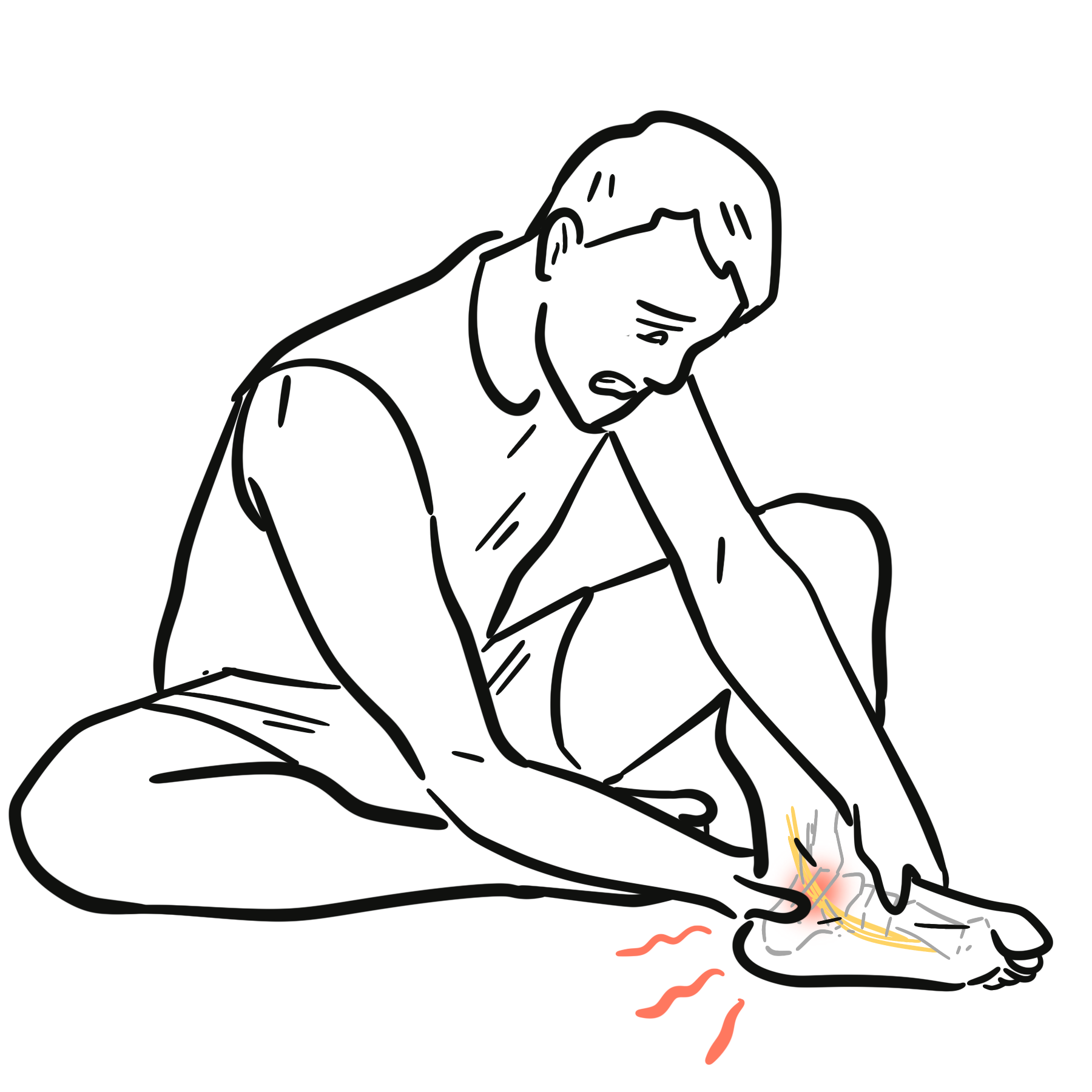
- Entheses: Common sites include Achilles tendon, plantar fascia, patellar tendon
- Nail unit: Nail matrix and bed involvement results in pitting, onycholysis
PsA shows both destructive and proliferative bone changes—unique among inflammatory arthritides.
Clinical Manifestations
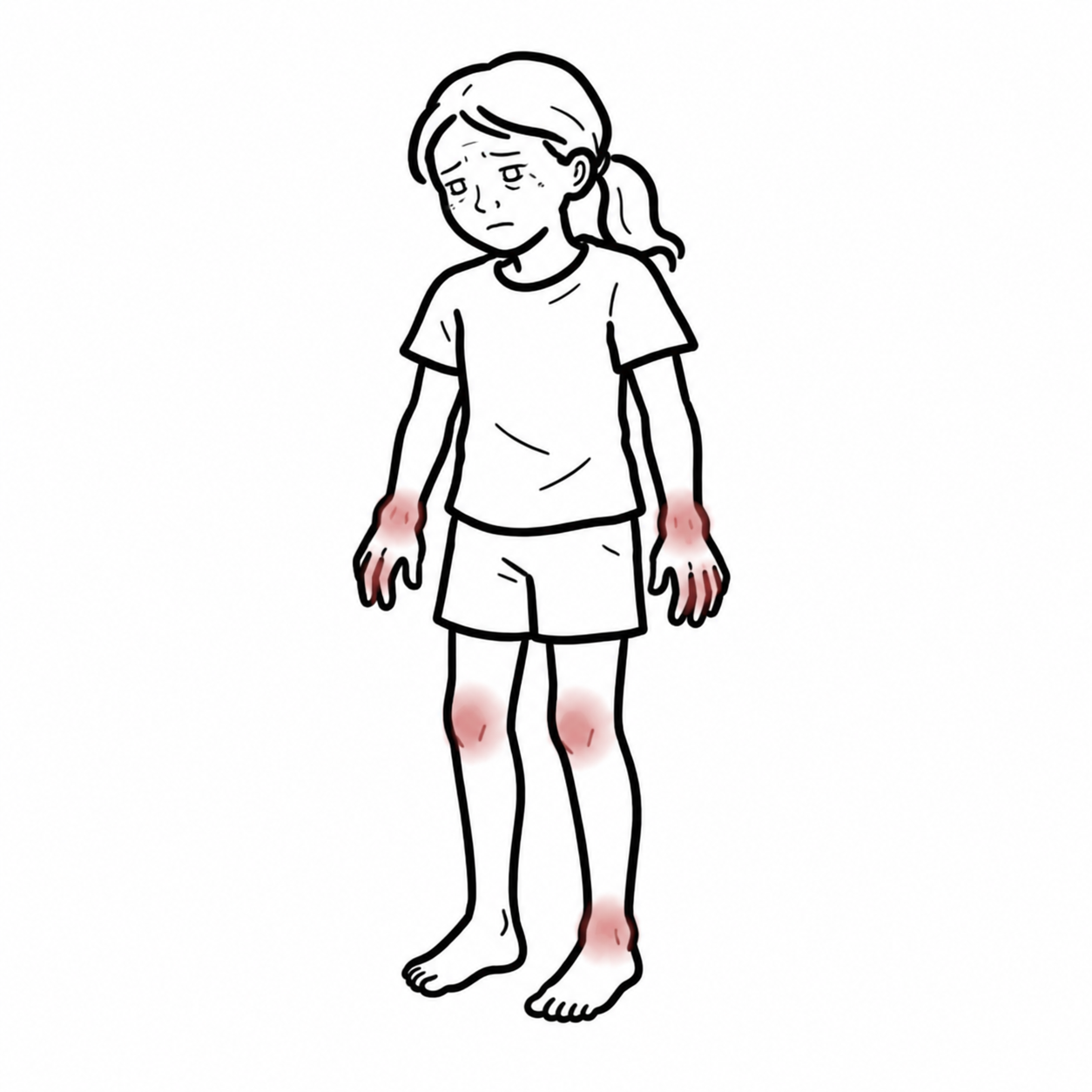
- Peripheral arthritis:
- Axial disease: Sacroiliitis, spondylitis (more asymmetric than AS). Can involve cervical or thoracic spine initially (unlike the classic SIJ in ankylosing spondylitis)
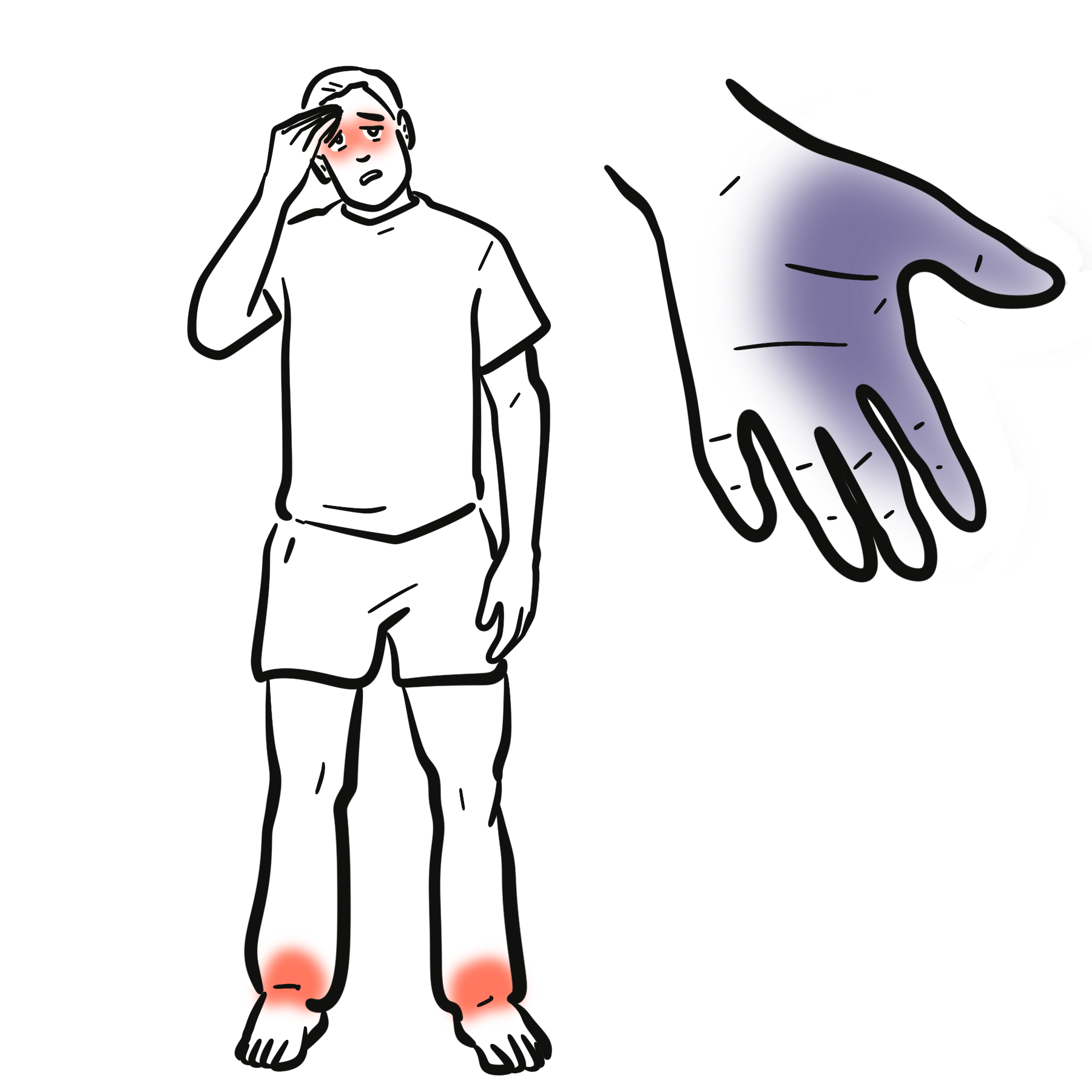
- Enthesitis: Achilles, plantar fascia, costochondral junctions
- Dactylitis
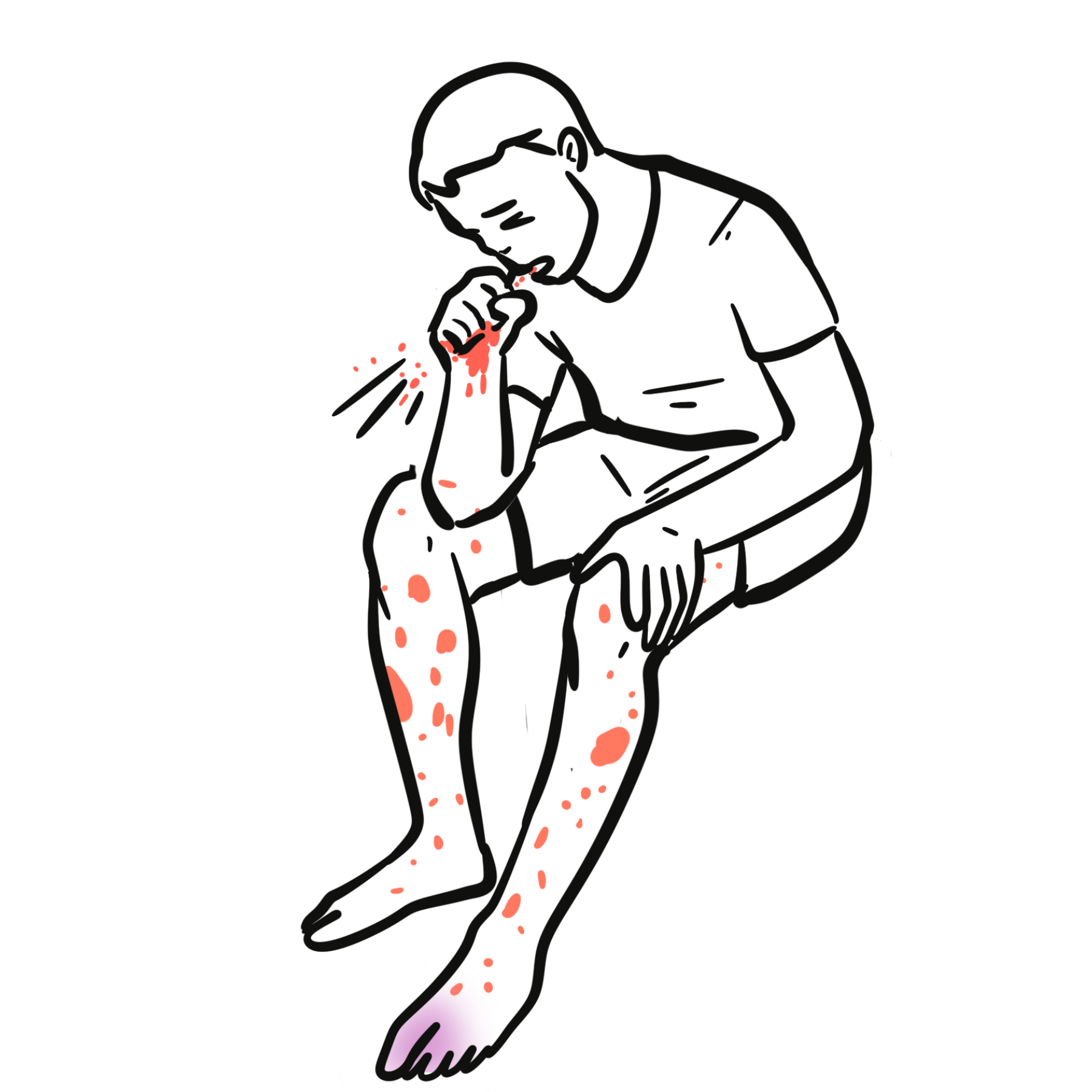
- Psoriasis
- Nails: Pitting, onycholysis, subungual hyperkeratosis
- Anterior uveitis (less common)
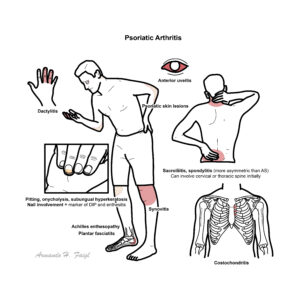
Nail involvement is often a marker of underlying DIP and enthesitis.
Diagnosis
CASPAR Criteria (ClASsification criteria for Psoriatic ARthritis):
Inflammatory articular disease (joint, spine, or entheseal) plus ≥3 points:
- Psoriasis (current = 2 pts; personal/family history = 1 pt)
- Nail dystrophy (1 pt)
- Negative RF (1 pt)
- Dactylitis (current or history, 1 pt)
- Juxta-articular new bone formation on imaging (1 pt)
- RF and anti-CCP: typically negative (seronegative)
- CRP/ESR: may be elevated
- Imaging:
- X-ray: joint space narrowing, erosions, new bone formation, pencil-in-cup deformity
- MRI: enthesitis, synovitis, sacroiliitis
- Ultrasound: detects enthesitis and synovitis
Differential Diagnoses
| Condition | Differentiating Feature |
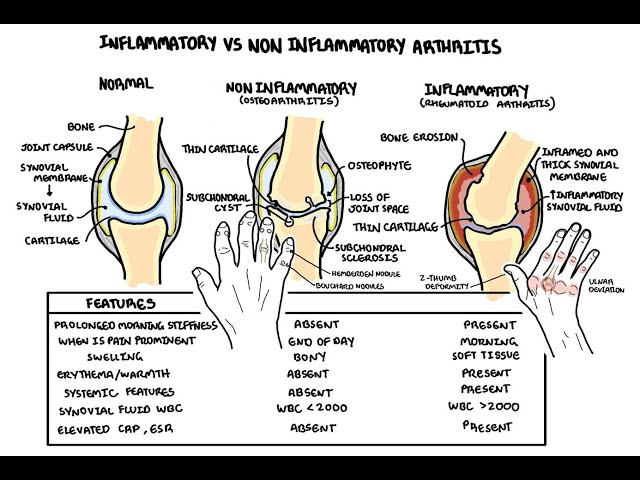
| Rheumatoid arthritis | Symmetric, RF/anti-CCP positive, no nail/skin psoriasis |
| Osteoarthritis | DIP involvement but no dactylitis, no erosions |
| Gout | Monoarticular, crystals on aspiration |
| Ankylosing spondylitis | Younger males, bilateral sacroiliitis, no skin psoriasis |
In patients with psoriasis and new joint symptoms, actively screen for PsA.
Treatment
Mild Disease
Moderate to Severe Disease (or with poor prognostic markers)
- csDMARDs
- Traditional: Methotrexate, sulfasalazine, leflunomide (esp. for peripheral arthritis)
- Newer: Ampremilast (more so for skin) or Deucravacitinib
- bDMARDs:
- TNF inhibitors: adalimumab, etanercept
- IL-17 inhibitors: secukinumab, ixekizumab
- IL-17 A/F inhibitor: Bimezikumab
- IL-12/23 inhibitor: ustekinumab
- IL-23 inhibitors: guselkumab
- tsDMARDs: JAK inhibitors (e.g. upadacitinib, tofacitinib)
Lifestyle & Supportive
- Weight loss, smoking cessation
- Physical therapy, patient education
Biologics selection may depend on dominant phenotype (e.g. axial vs peripheral vs skin).
TNFaI can cause a paradoxical worsening of psoriasis.
Complications & Prognosis
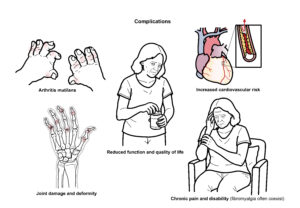
- Joint damage and deformity (may occur within 2 years of onset)
- Arthritis mutilans: Rare, severe destructive arthritis causing marked bone resorption, shortened digits and “telescoping” fingers.
- Reduced function and quality of life
- Chronic pain and disability (fibromyalgia often coexist)
- Increased cardiovascular risk (due to systemic inflammation): obesity, hyperlipidaemia, fatty liver disease, type 2 diabetes and cardiovascular disease.
Poor prognostic factors:
- High CRP
- Polyarticular disease
- Dactylitis
- Nail disease
- Early erosive changes
References
- Mease PJ, Gladman DD, Papp KA, et al. Prevalence of rheumatologist-diagnosed psoriatic arthritis in patients with psoriasis in European/North American dermatology clinics. J Am Acad Dermatol. 2013;69(5):729–735.
- Gossec L, Baraliakos X, Kerschbaumer A, et al. EULAR recommendations for the management of psoriatic arthritis with pharmacological therapies: 2019 update. Ann Rheum Dis. 2020;79(6):700–712.
- Taylor W, Gladman D, Helliwell P, et al. Classification criteria for psoriatic arthritis: development of new criteria from a large international study. Arthritis Rheum. 2006;54(8):2665–2673.
- Ogdie A, Weiss P. The epidemiology of psoriatic arthritis. Rheum Dis Clin North Am. 2015;41(4):545–568.









Members only discussions coming soon…