

Visual explanationFree resource
Visual medical education by Armando Hasudungan
Medical science, drawn into focus.
Explore visual explanations that reveal how the facts, processes and clinical patterns fit together—then discover the coming AH study platform, built to guide what you study next and check what stuck.
Connected studyComing soon
Clear visual explanations used by medical and allied-health learners around the world.
Explore the free library
Start with the topic in front of you.
Browse by subject or jump straight into the explanation you need. No account required.
Acute Liver (Hepatic) Failure
Overview Acute liver failure is a rare but life-threatening critical illness that occurs most often in patients who do not have preexisting liver disease. Acute liver failure is seen most commonly in previously healthy adults in their 30s and presents unique challenges in clinical management. The clinical presentation usually includes hepatic dysfunction, abnormal liver biochemical…
View topic ↗Meniscal Tear
Overview Medial and lateral knee joint menisci serve to transfer load and absorb shock, aid joint stability and provide lubrication. The meniscus is the most commonly injured structure in the knee joint. Acute tears occurs after axial loading combined with rotation. People may complain of a sensation of clicking or catching of the knee with…
View topic ↗Mesenteric Ischaemia
Aetiology and Risk Factors Aetiology Acute mesenteric ischemia can result from occlusion of a mesenteric vessel arising from an embolus, which may emanate from an atheroma of the aorta or cardiac mural thrombus, or from primary thrombosis of a mesenteric vessel, usually at a site of atherosclerotic stenosis. Embolic occlusion is more common in the…
View topic ↗Goodpasture Syndrome (Anti-GBM disease)
Overview Goodpasture syndrome, now more precisely termed anti-glomerular basement membrane (anti-GBM) disease , is a rare autoimmune small-vessel vasculitis affecting lungs and kidneys, typically manifesting with diffuse alveolar hemorrhage and rapidly progressive glomerulonephritis. Microscopic polyangiitis (MPA) has an estimated incidence of approximately 0.5 to 1.8 cases per million per year. It demonstrates a bimodal age…
View topic ↗Thyroiditis
Overview Thyroiditis: Varied group of disorder all characterized by some form of thyroid inflammation Hyperthyroidism: denote conditions in which hyperfunction of the thyroid leads to thyrotoxicosis. Hypothyroidism: Variety of abnormalities that cause insufficient secretion of thyroid hormones. The most common cause is autoimmune thyroid disease Thyrotoxicosis: denotes the clinical, physiological, and biochemical findings that result…
View topic ↗Bronchiectasis
Overview Bronchiectasis was a common disabling and fatal condition in the pre-antibiotic era and remains more common in medically underserved regions of the world. Irreversible dilatation of airways due to in ammatory destruction of airway walls resulting from persistently infected mucus. Bronchiectasis usually affects medium sized airways Bronchiectasis: Bronchiectasis is the permanent dilation of bronchi…
View topic ↗Somatoform Disorders
Overview Doctors and patients often experience frustration and helplessness in consultations around medically unexplained symptoms. Up to 50 percent of primary care patients present with physical symptoms that cannot be explained by a general medical condition. Although most do not meet the strict psychiatric diagnostic criteria for one of the somatoform disorders, they can be referred to…
View topic ↗Full resource library
Browse all topics ↗Choose how you learn
One idea. More than one way to see it.
Use the format that helps the topic click, then switch formats when you need to reinforce it.
01 / WATCH02 / READ03 / SEE04 / CHECK
Videos
Hand-drawn explanations that build the big picture as the concept unfolds.
Notes
Clear written explanations for review, reference and filling in the details.
Diagrams
Visual snapshots that help you easily review topics.
Questions
Test whether the explanation stayed with you—not just whether it looked familiar.
Good places to begin
Explanations learners return to.
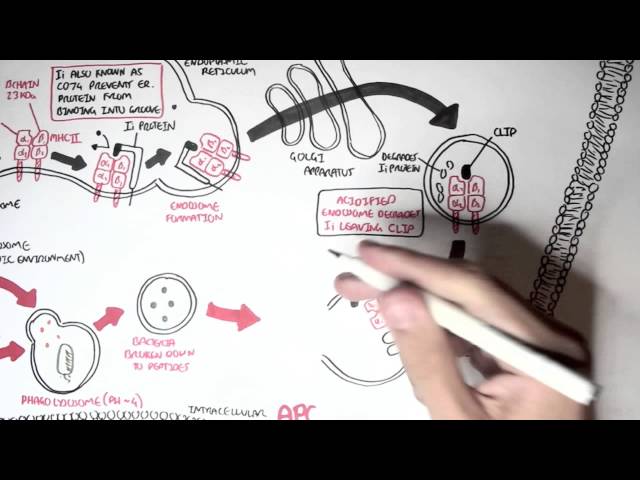
MHC class II processing – antigen presentation mechanism
Learn how MHC II molecules present extracellular antigens to helper T cells, playing a key role in activating adaptive immune responses. This video explains the antigen processing steps, including endocytosis, peptide loading in endosomes, and the involvement of the invariant chain and HLA-DM.
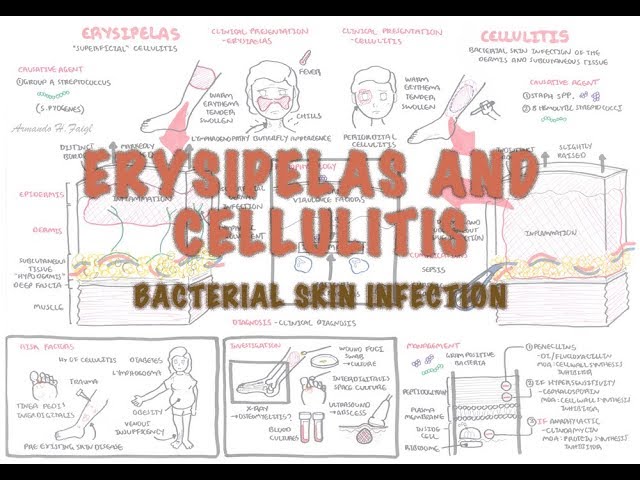
Bacterial Skin Infection – Cellulitis and Erysipelas (Clinical Presentation, Pathology, Treatment)
Learn the differences between cellulitis and erysipelas, two common bacterial skin infections, by exploring their clinical features, underlying pathology, and treatment options. This video provides a clear overview ideal for medical students and healthcare professionals.
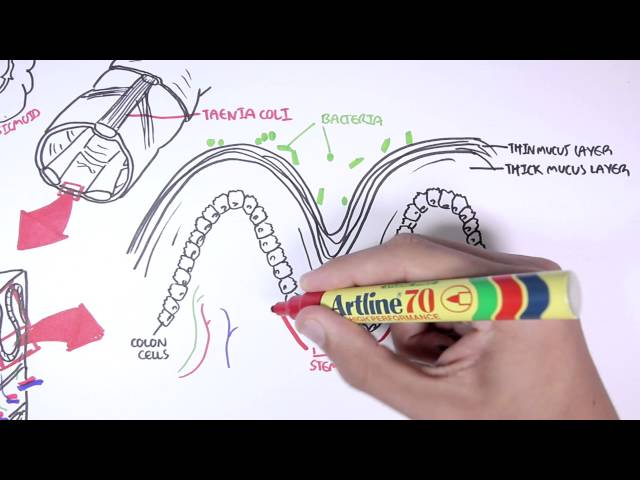
Colon Cancer
Explore the anatomy and function of the colon and how disruptions can lead to colon cancer. This video covers normal physiology, common risk factors, and the progression of colorectal cancer for a comprehensive clinical overview. Video was part of 2014 Summer Scholarship Project with CSIRO called "The Hungry Microbiome" For more visit: http://www.csiro.au/hungrymicrobiome/
Our mission
Medical science is complex. Understanding it should feel possible.
Armando Hasudungan turns difficult medical science into clear visual explanations and connected learning experiences—so learners can see the whole picture, remember what matters and find a clearer way forward.
See it clearly
Turn abstract processes and invisible relationships into something the learner can picture.
Connect the pieces
Build understanding around how concepts fit together—not a pile of isolated facts.
Make it useful
Help learners move from explanation to recall, revision and the next logical step.
What clarity feels like
When the topic stops being a blur.
Learners do not come back because the subject became easy. They come back because the explanation gave them a picture they could work with.
“Armando's teaching style gives me the foundational knowledge.
Jessica Payne-Burnett
Medical Student, Charles Sturt University
“The notes I make during his videos help me retain everything better.
Ayesha RaiStudent, Islamabad Medical and Dental College
“The drawings are amazing and super easy to remember.
Reem Mohamed Khair Abdalrazig
Student, Neelain University
Coming soon: the AH study platform
The explanation is only the start.
The free library helps you find a clear explanation. The AH platform is being built to help you connect the resources, follow a clearer path and check what actually stuck.
- Watch in a focused, ad-free study environment.
- Move between connected videos, notes, diagrams and questions.
- Know what belongs next instead of rebuilding the study path yourself.
- Test your understanding while the topic is still fresh.
New and worth a look
Keep building the picture.
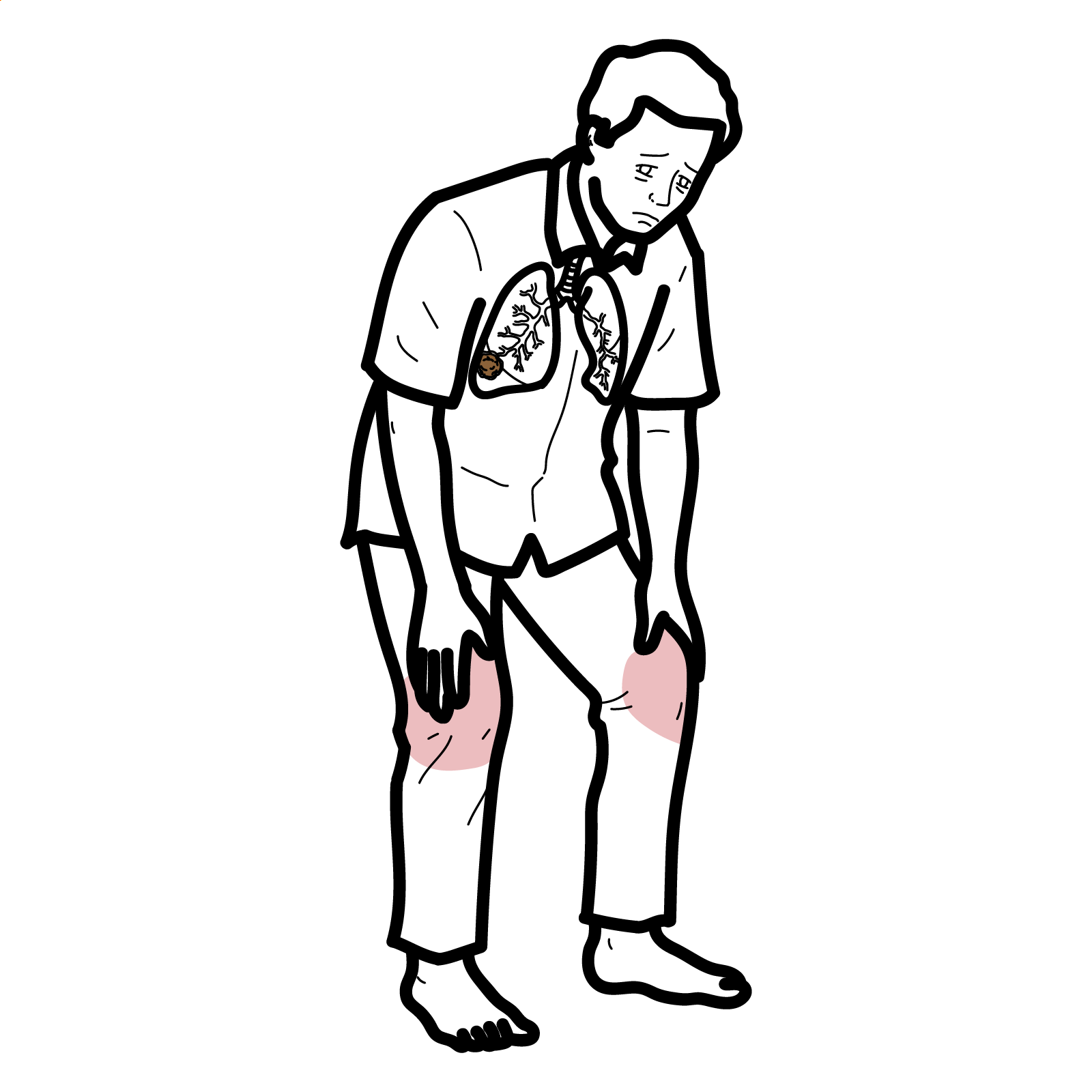
Lambert-Eaton Myasthenic Syndrome
Overview Lambert–Eaton myasthenic syndrome (LEMS) is a rare autoimmune disorder of the presynaptic neuromuscular junction. It causes impaired acetylcholine release, producing the characteristic triad of proximal muscle weakness, reduced reflexes and autonomic dysfunction. LEMS may occur as a paraneoplastic syndrome—most commonly associated with small-cell lung cancer (SCLC)—or as a non-tumour-associated autoimmune disorder. Neuromuscular junction: connection…
View this topic ↗About Visualising Medicine
Good education does not remove complexity. It makes complexity feel simple.
Visualising Medicine is the team behind Armando Hasudungan. We bring together medicine, illustration, writing and technology to make difficult ideas clearer—and build better ways for learners to use them.