

Visual explanationFree resource
Visual medical education by Armando Hasudungan
Medical science, drawn into focus.
Explore visual explanations that reveal how the facts, processes and clinical patterns fit together—then discover the coming AH study platform, built to guide what you study next and check what stuck.
Connected studyComing soon
Clear visual explanations used by medical and allied-health learners around the world.
Explore the free library
Start with the topic in front of you.
Browse by subject or jump straight into the explanation you need. No account required.
Endometriosis
A healthy 25-year-old woman presents with worsening dysmenorrhea, pain of recent onset in the left lower quadrant, and dyspareunia. She has regular menstrual cycles, and her last menstrual period was 3 weeks before presentation. She has been trying to fall pregnant over the past 10 months without success and she is becoming more concerned. Overview…
View topic ↗Polymyalgia Rheumatica (PMR)
Overview Polymyalgia rheumatica is a common inflammatory condition affecting older adults, typically over 50 years of age, characterised by pain and stiffness in the shoulder and pelvic girdles. It is strongly associated with elevated inflammatory markers and responds dramatically to low-dose corticosteroids. PMR is a clinical diagnosis and can mimic other rheumatic or non-rheumatic disorders.…
View topic ↗Hyperemesis Gravidarum
Overview Hyperemesis gravidarum (HG) exists on a spectrum of nausea and vomiting in pregnancy (NVP). NVP refers to symptoms of nausea, vomiting or dry retching commencing in the first trimester, with no other cause identified. 1 HG refers to severe, persistent vomiting that may result in malnutrition, dehydration, weight loss and debility due to illness.…
View topic ↗AC Joint Separation
Overview Acromioclavicular (AC) joint separation is a common shoulder injury, usually sustained from direct trauma such as a fall onto the tip of the shoulder. It involves varying degrees of injury to the stabilising structures of the AC joint — primarily the acromioclavicular and coracoclavicular ligaments. Clinical presentation ranges from localised tenderness and mild pain…
View topic ↗Hydrocephalus
Overview Hydrocephalus is excessive accumulation of CSF in the cerebral ventricles. In children, look for increasing head circumference, increased intracranial pressure, a bulging fontanelle, scalp vein engorgement, and paralysis of upward gaze. The most common causes include: Congenital malformations Tumors Inflammation (i.e hemorrhage, meningitis). Treat the underlying cause, if possible; otherwise a surgical shunt is created…
View topic ↗Carotid Artery Disease
Overview Carotid artery disease refers to atherosclerotic narrowing of the carotid artery lumen. It is associated with approximately 10-15% of all ischaemic strokes. Stroke is the third leading cause of death and a principal cause of long-term disability in much of the industrialised world. The degree of internal carotid artery stenosis is the most important…
View topic ↗Neural Tube Defect
Overview Neural tube defects (NTDs) are a group of major congenital anomalies comprising anencephaly, spina bifida and encephalocele that result from very early disruption in the development of the brain and spinal cord. These conditions are often incompatible with life. Survivors frequently require intensive, costly, lifelong health and social care. Neural tube defect (NTD): Severe…
View topic ↗Full resource library
Browse all topics ↗Choose how you learn
One idea. More than one way to see it.
Use the format that helps the topic click, then switch formats when you need to reinforce it.
01 / WATCH02 / READ03 / SEE04 / CHECK
Videos
Hand-drawn explanations that build the big picture as the concept unfolds.
Notes
Clear written explanations for review, reference and filling in the details.
Diagrams
Visual snapshots that help you easily review topics.
Questions
Test whether the explanation stayed with you—not just whether it looked familiar.
Good places to begin
Explanations learners return to.
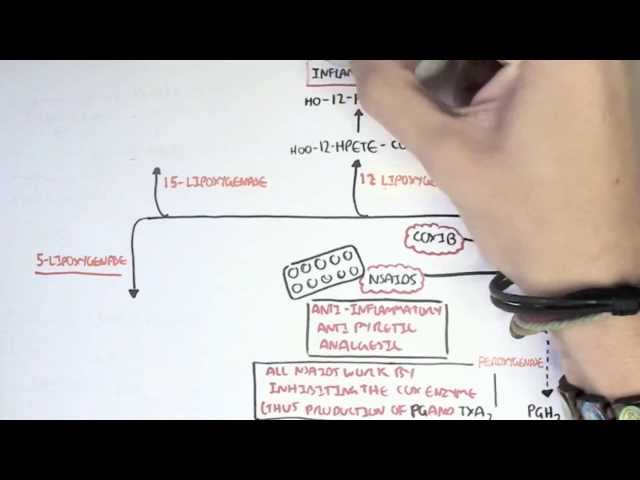
Part II – Aracidonic Acid Metabolites
Explore the specific functions of arachidonic acid metabolites such as prostaglandins, thromboxanes, and leukotrienes in regulating inflammation and vascular responses. This video explains how these mediators influence processes like fever, pain, bronchoconstriction, and platelet aggregation.
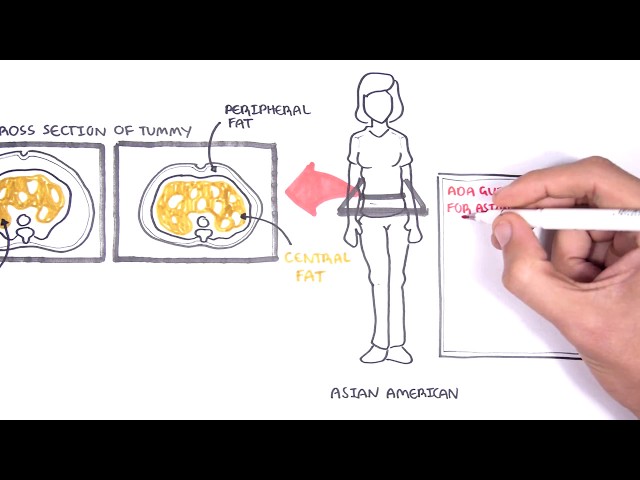
ADA New Diabetes Screening Guidelines
Discover the latest ADA 2025 diabetes screening guidelines, including expanded recommendations for continuous glucose monitoring in type 2 diabetes and new antibody-based screening for presymptomatic type 1 diabetes. This video highlights updated strategies for medication management, lifestyle interventions, and risk assessment tools based on the recently released Standards of Care.
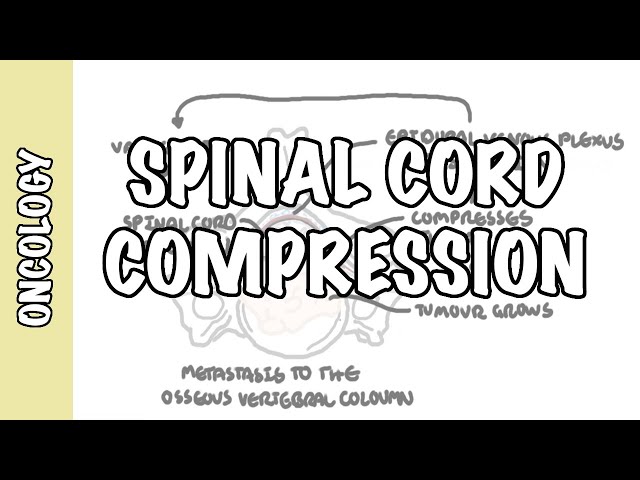
Spinal Cord Compression – medical emergency, causes, symptoms, diagnosis, treatment
Spinal cord compression is a medical emergency that can lead to permanent neurological damage if not promptly treated. This video covers the causes, key symptoms like motor and sensory deficits, diagnostic approach, and urgent treatment strategies to preserve spinal function.
Our mission
Medical science is complex. Understanding it should feel possible.
Armando Hasudungan turns difficult medical science into clear visual explanations and connected learning experiences—so learners can see the whole picture, remember what matters and find a clearer way forward.
See it clearly
Turn abstract processes and invisible relationships into something the learner can picture.
Connect the pieces
Build understanding around how concepts fit together—not a pile of isolated facts.
Make it useful
Help learners move from explanation to recall, revision and the next logical step.
What clarity feels like
When the topic stops being a blur.
Learners do not come back because the subject became easy. They come back because the explanation gave them a picture they could work with.
“Armando's teaching style gives me the foundational knowledge.
Jessica Payne-Burnett
Medical Student, Charles Sturt University
“The notes I make during his videos help me retain everything better.
Ayesha RaiStudent, Islamabad Medical and Dental College
“The drawings are amazing and super easy to remember.
Reem Mohamed Khair Abdalrazig
Student, Neelain University
Coming soon: the AH study platform
The explanation is only the start.
The free library helps you find a clear explanation. The AH platform is being built to help you connect the resources, follow a clearer path and check what actually stuck.
- Watch in a focused, ad-free study environment.
- Move between connected videos, notes, diagrams and questions.
- Know what belongs next instead of rebuilding the study path yourself.
- Test your understanding while the topic is still fresh.
New and worth a look
Keep building the picture.
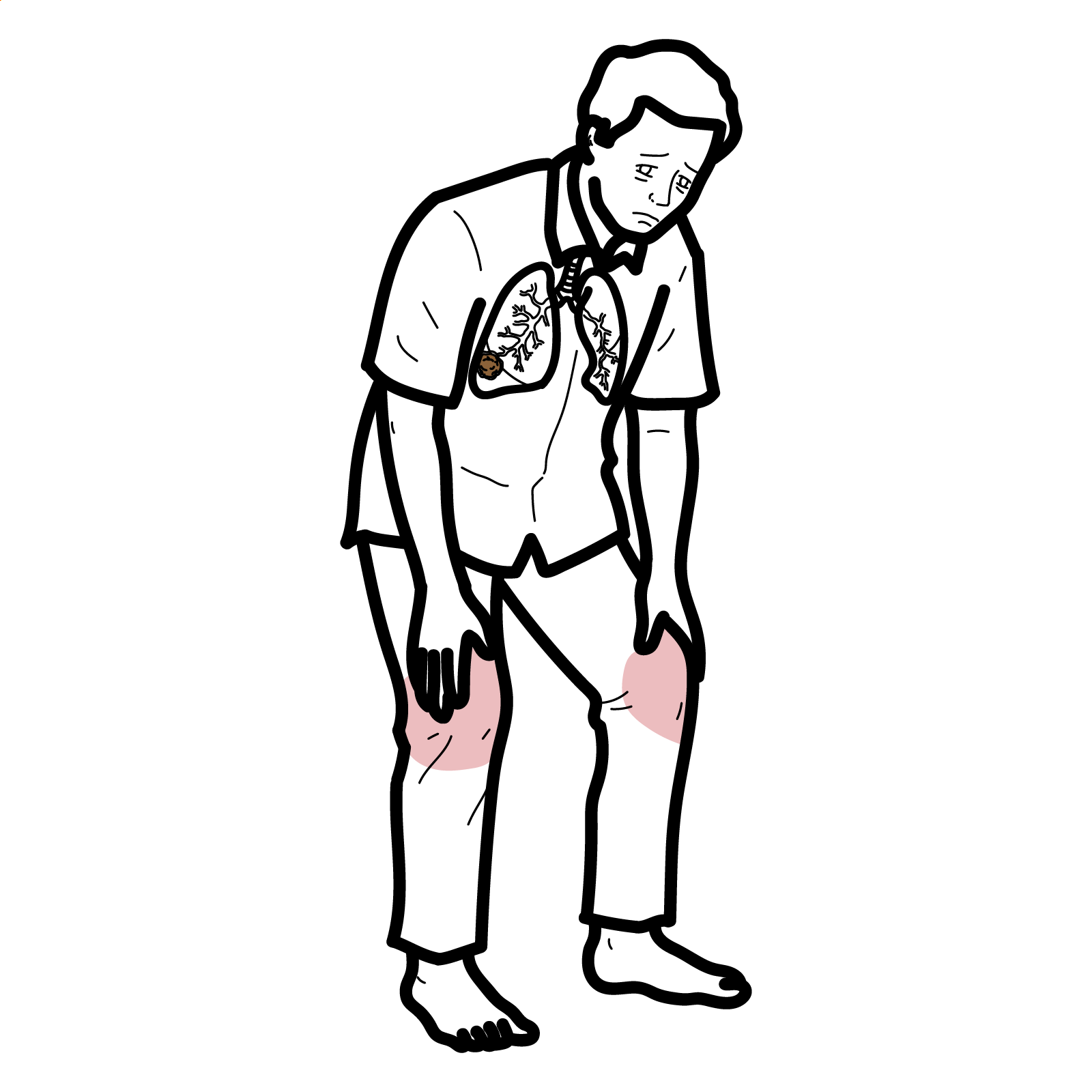
Lambert-Eaton Myasthenic Syndrome
Overview Lambert–Eaton myasthenic syndrome (LEMS) is a rare autoimmune disorder of the presynaptic neuromuscular junction. It causes impaired acetylcholine release, producing the characteristic triad of proximal muscle weakness, reduced reflexes and autonomic dysfunction. LEMS may occur as a paraneoplastic syndrome—most commonly associated with small-cell lung cancer (SCLC)—or as a non-tumour-associated autoimmune disorder. Neuromuscular junction: connection…
View this topic ↗About Visualising Medicine
Good education does not remove complexity. It makes complexity feel simple.
Visualising Medicine is the team behind Armando Hasudungan. We bring together medicine, illustration, writing and technology to make difficult ideas clearer—and build better ways for learners to use them.