

Visual explanationFree resource
Visual medical education by Armando Hasudungan
Medical science, drawn into focus.
Explore visual explanations that reveal how the facts, processes and clinical patterns fit together—then discover the coming AH study platform, built to guide what you study next and check what stuck.
Connected studyComing soon
Clear visual explanations used by medical and allied-health learners around the world.
Explore the free library
Start with the topic in front of you.
Browse by subject or jump straight into the explanation you need. No account required.
Complex Regional Pain Syndrome (CRPS)
Overview CRPS is a disproportionate, regional pain syndrome of a limb that typically follows injury or surgery and features sensory, vasomotor, sudomotor/oedema, and motor/trophic changes. The prevalence after limb fracture/surgery varies widely (≈1–7% overall, higher in some distal radius cohorts) and early recognition with rehabilitation improves outcome. Important risk factors include fracture (especially wrist/ankle), immobilisation,…
View topic ↗Wiskott–Aldrich Syndrome
Overview Wiskott–Aldrich syndrome is a rare X-linked recessive primary immunodeficiency caused by mutations in the WAS gene, leading to defective actin cytoskeleton regulation in hematopoietic cells. It presents with the triad of eczema, recurrent infections, and thrombocytopenia with small platelets. Patients are prone to autoimmunity and malignancy. Incidence is ~1 in 100,000 live male births.…
View topic ↗Mitral Regurgitation (Incompetence)
Overview Mitral regurgitation (MR), which is also known as mitral insufficiency, is a common heart valve disorder. When MR is present, blood leaks backwards through the mitral valve when the heart contracts. This reduces the amount of blood that is pumped out to the body. Patients with acute mitral regurgitation (MR) are often gravely ill with…
View topic ↗Eosinophilic Granulomatosis with Polyangiitis
Overview EGPA (formerly Churg-Strauss syndrome) is a rare, small-to-medium vessel necrotizing vasculitis characterized by asthma, eosinophilia, and extravascular granulomas. It commonly affects the lungs, skin, peripheral nerves, and heart. Annual incidence: ~1–3 per million; peak onset in 40s–60s; no significant gender bias. Strongly associated with MPO-ANCA positivity in ~40–60% of patients; others are ANCA-negative. Eosinophilia…
View topic ↗Rhesus Hemolytic Disease
Overview The classic blood type is the ABO type and either Rh- or Rh+. Rh stands for the Rhesus antigen. If a person has the Rhesus antigen it means they are Rh+, and if they don't it is Rh-. The Rhesus System The most common Rhesus antigen is the Rhesus (D) antigen. However, it is…
View topic ↗Lymphoma
Types of Lymphoma Lymphoma is malignancy originating in the lymph nodes. There are two types: Hodgkins lymphoma Non-hodgkins lymphoma Classic Clinical Presentation Lymphadenopathy Constitutional symptoms Fever Night sweats Weight loss Differential Diagnosis of Lymphadenopathy Lymphoma Leukaemia Metastasis Infection Connective tissue disease – rheumatoid arthritis, SLE Infiltration – sarcoidosis Drugs – phenytoin Hodgkin's lymphoma Non-Hodgkin's lymphoma…
View topic ↗Renal Cell Carcinoma
Overview Renal cell carcinomas (originate within the renal cortex) are responsible for 85% of all primary renal neoplasms. Transitional cell carcinomas of the renal pelvis are the next most common (~8%). Renal medullary carcinoma is a rare form of RCC seen in sickle cell disease. The most common pathological type of renal cell carcinoma is clear cell…
View topic ↗Full resource library
Browse all topics ↗Choose how you learn
One idea. More than one way to see it.
Use the format that helps the topic click, then switch formats when you need to reinforce it.
01 / WATCH02 / READ03 / SEE04 / CHECK
Videos
Hand-drawn explanations that build the big picture as the concept unfolds.
Notes
Clear written explanations for review, reference and filling in the details.
Diagrams
Visual snapshots that help you easily review topics.
Questions
Test whether the explanation stayed with you—not just whether it looked familiar.
Good places to begin
Explanations learners return to.
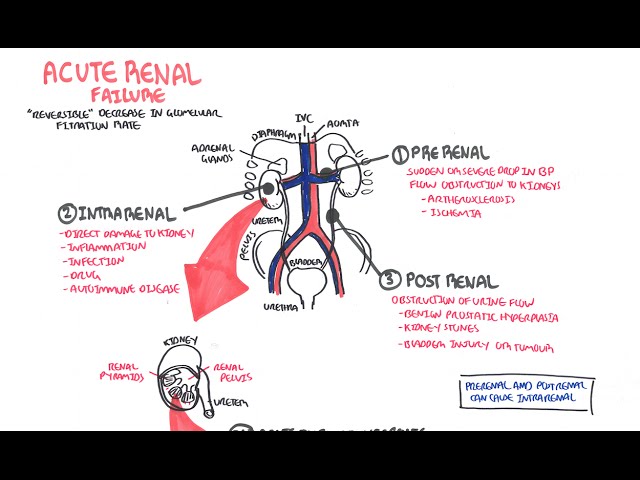
Acute Renal Failure
Understand acute renal failure, its causes, and the rapid decline in kidney function leading to impaired waste elimination and fluid balance. This video covers the types, clinical features, diagnostic criteria, and initial management strategies for acute kidney injury.
Pulomary Collapse Atelectasis
Learn the key concepts of pulmonary collapse (atelectasis), including its types, causes, and clinical implications. This video offers a clear breakdown of pathophysiology and diagnostic clues essential for exams and clinical practice.
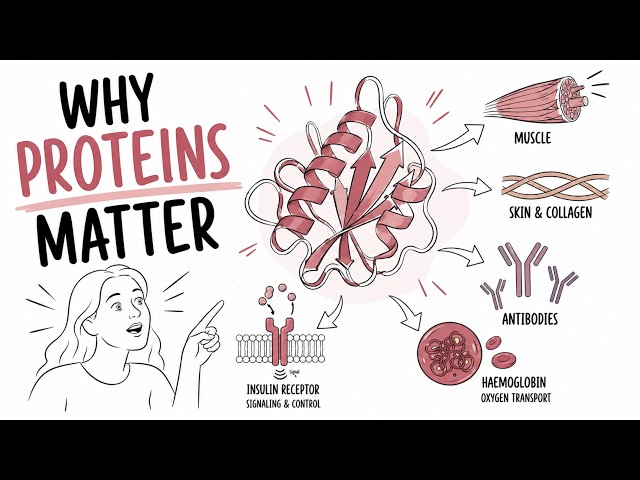
Protein Structure and Function – Overview
Proteins are the molecules that do most of the work in the body—learn protein structure, function, and clinical relevance. In this clear, engaging video you'll discover what proteins are (chains of amino acids linked by peptide bonds), why amino acid order dictates shape and function, and how folding produces primary, secondary (alpha helices, beta sheets),…
Our mission
Medical science is complex. Understanding it should feel possible.
Armando Hasudungan turns difficult medical science into clear visual explanations and connected learning experiences—so learners can see the whole picture, remember what matters and find a clearer way forward.
See it clearly
Turn abstract processes and invisible relationships into something the learner can picture.
Connect the pieces
Build understanding around how concepts fit together—not a pile of isolated facts.
Make it useful
Help learners move from explanation to recall, revision and the next logical step.
What clarity feels like
When the topic stops being a blur.
Learners do not come back because the subject became easy. They come back because the explanation gave them a picture they could work with.
“Armando's teaching style gives me the foundational knowledge.
Jessica Payne-Burnett
Medical Student, Charles Sturt University
“The notes I make during his videos help me retain everything better.
Ayesha RaiStudent, Islamabad Medical and Dental College
“The drawings are amazing and super easy to remember.
Reem Mohamed Khair Abdalrazig
Student, Neelain University
Coming soon: the AH study platform
The explanation is only the start.
The free library helps you find a clear explanation. The AH platform is being built to help you connect the resources, follow a clearer path and check what actually stuck.
- Watch in a focused, ad-free study environment.
- Move between connected videos, notes, diagrams and questions.
- Know what belongs next instead of rebuilding the study path yourself.
- Test your understanding while the topic is still fresh.
New and worth a look
Keep building the picture.
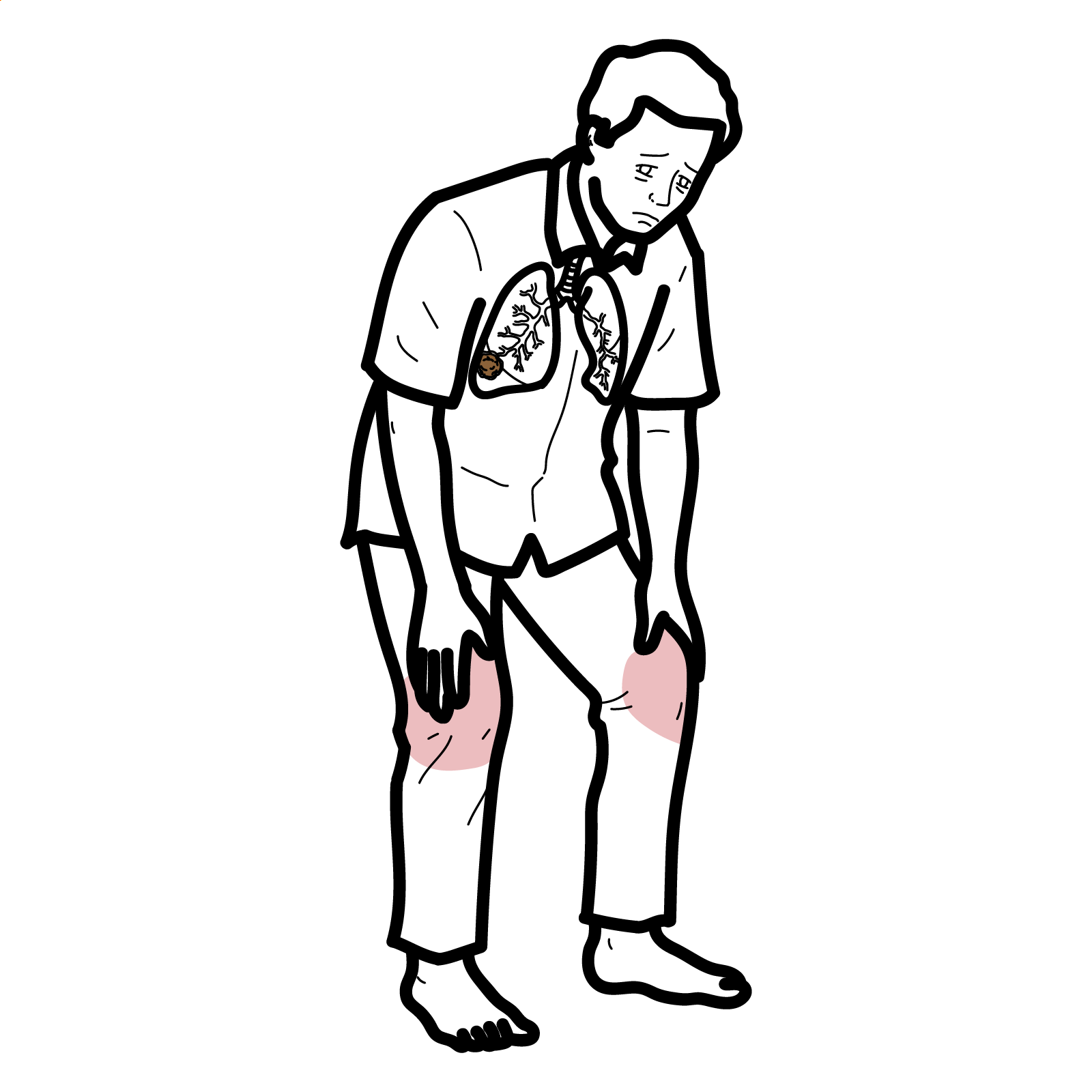
Lambert-Eaton Myasthenic Syndrome
Overview Lambert–Eaton myasthenic syndrome (LEMS) is a rare autoimmune disorder of the presynaptic neuromuscular junction. It causes impaired acetylcholine release, producing the characteristic triad of proximal muscle weakness, reduced reflexes and autonomic dysfunction. LEMS may occur as a paraneoplastic syndrome—most commonly associated with small-cell lung cancer (SCLC)—or as a non-tumour-associated autoimmune disorder. Neuromuscular junction: connection…
View this topic ↗About Visualising Medicine
Good education does not remove complexity. It makes complexity feel simple.
Visualising Medicine is the team behind Armando Hasudungan. We bring together medicine, illustration, writing and technology to make difficult ideas clearer—and build better ways for learners to use them.