

Visual explanationFree resource
Visual medical education by Armando Hasudungan
Medical science, drawn into focus.
Explore visual explanations that reveal how the facts, processes and clinical patterns fit together—then discover the coming AH study platform, built to guide what you study next and check what stuck.
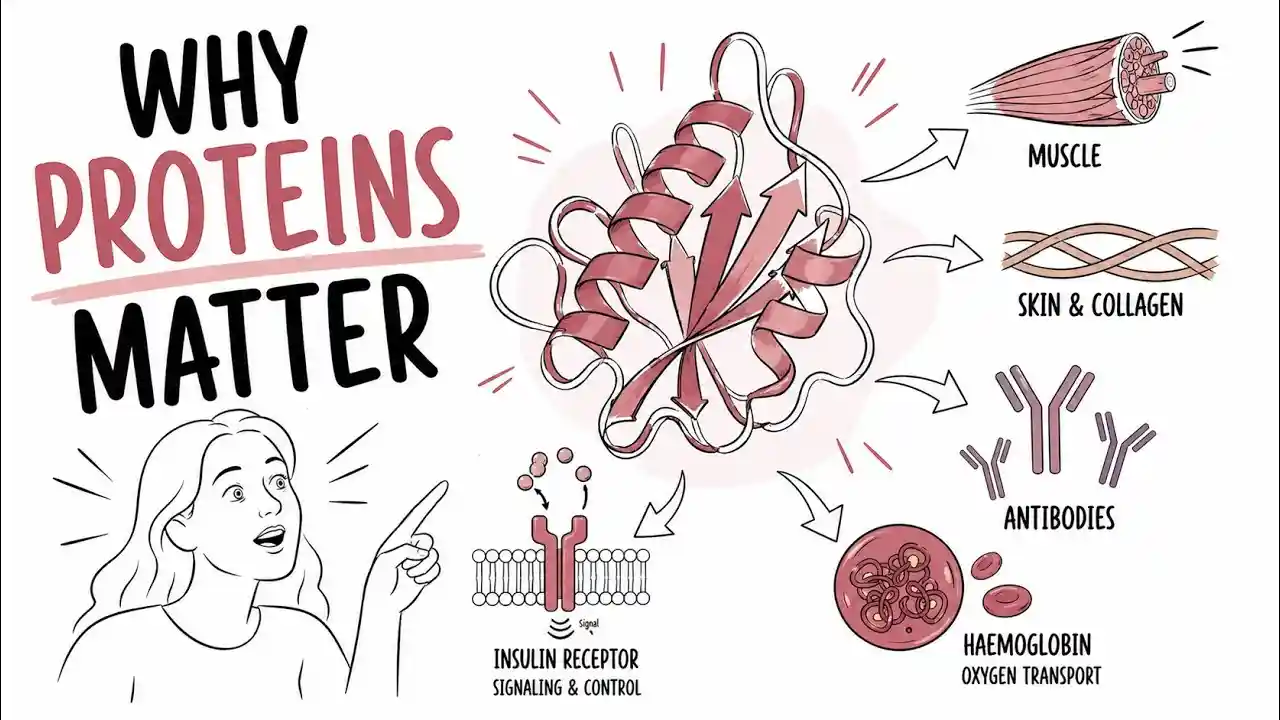
Connected studyComing soon
Clear visual explanations used by medical and allied-health learners around the world.
Explore the free library
Start with the topic in front of you.
Browse by subject or jump straight into the explanation you need. No account required.
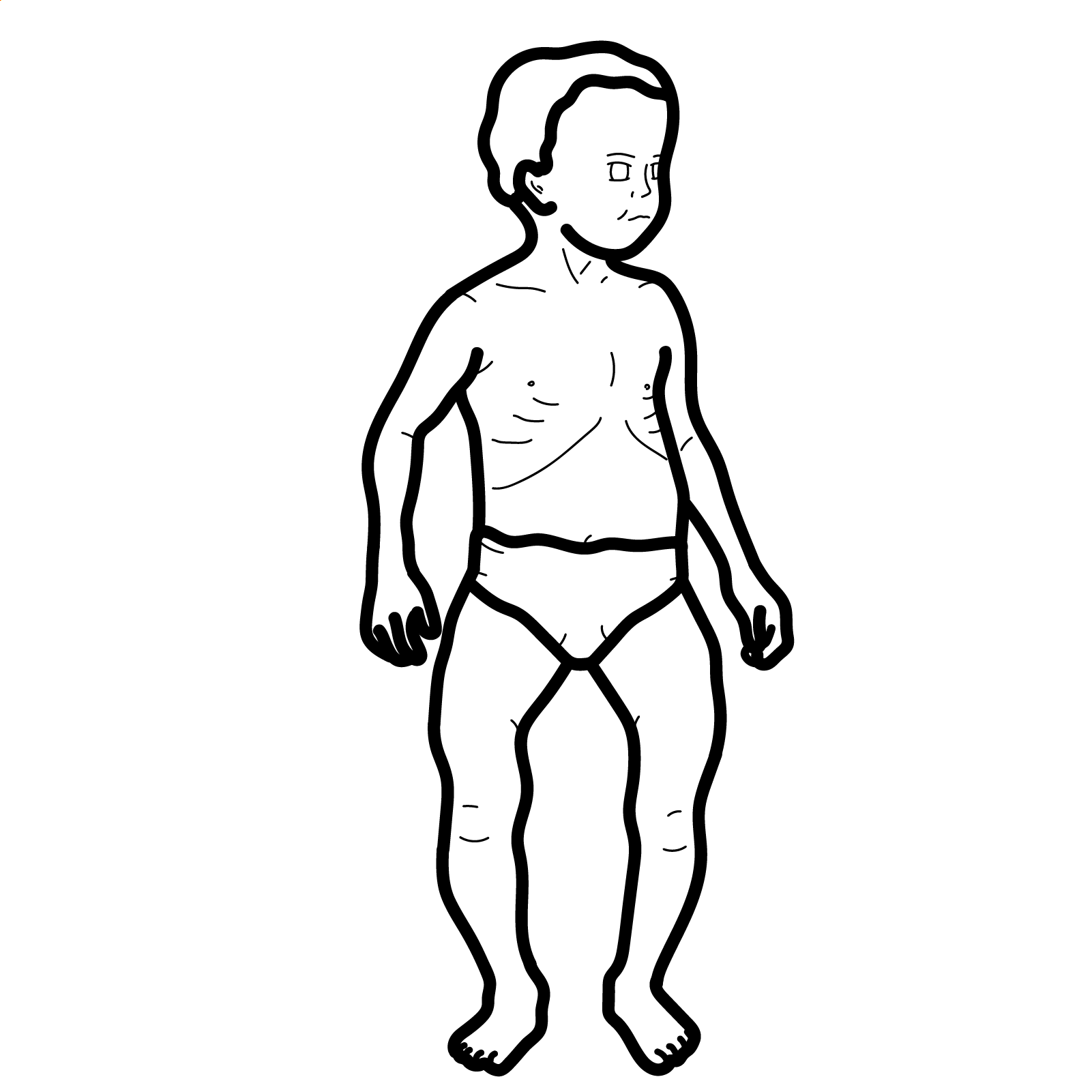
Osteomalacia / Rickets
Overview Osteomalacia (adults) and rickets (children) are disorders of impaired bone mineralisation leading to soft, poorly mineralised bone. It arises when there is insufficient calcium–phosphate supply to the mineralising matrix due to vitamin D deficiency, calcium deficiency, phosphate deficiency (often FGF23-mediated). Nutritional rickets still occurs worldwide, while hypophosphataemic forms (e.g., XLH, tumour-induced osteomalacia) are rarer…
View topic ↗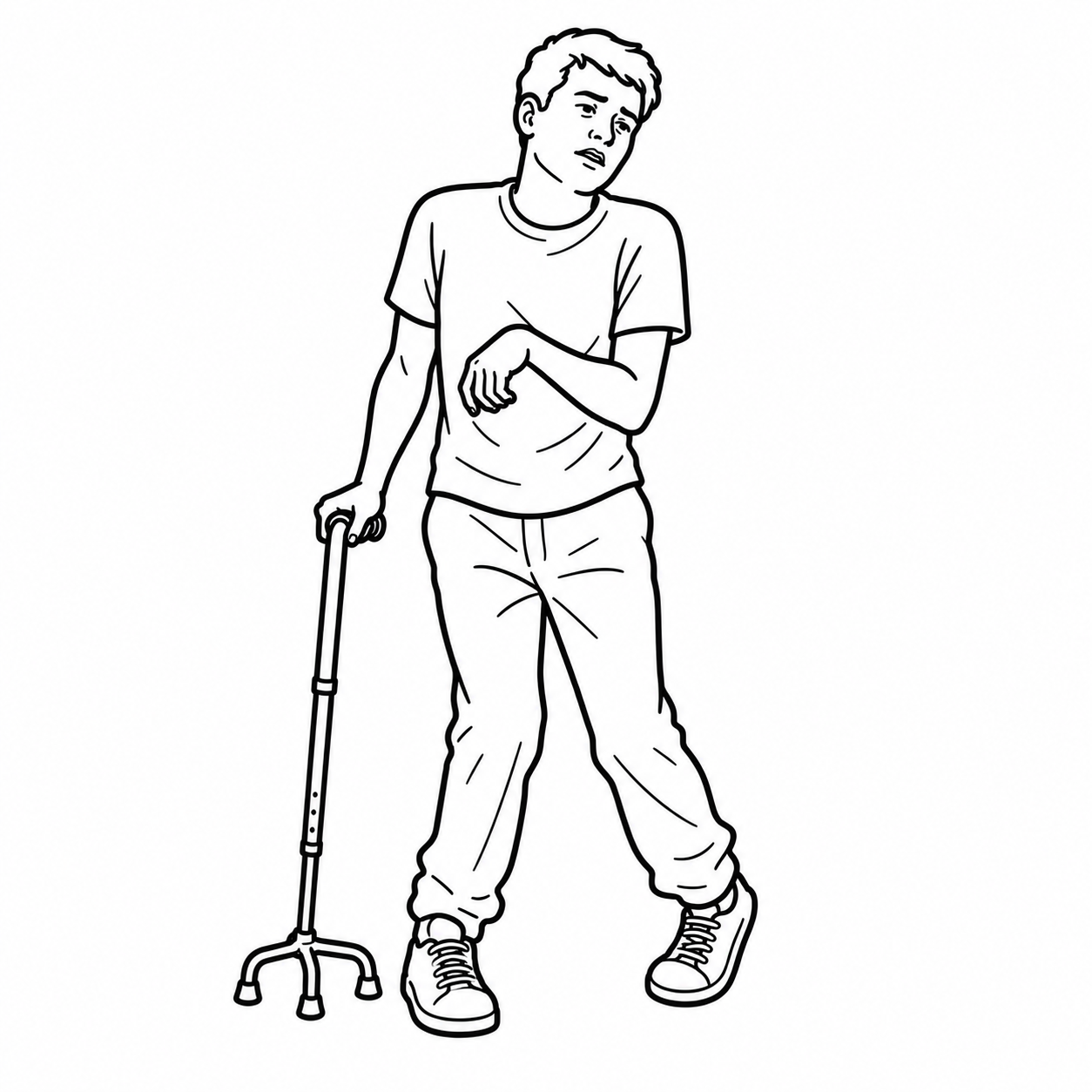
Cerebral Palsy
Overview Cerebral palsy is a non-Progressive neurological disorder. Usually with significant motor component. Clinical presentation overtime changes due to increased developmental challenges.Cerebral palsy (CP) is the most common physical disability in childhood. Prevalence is about 1 – 3/ 1000 live births. Cerebral palsy can affect: Cerebral cortex – causing spasticity Basal ganglia – causing dyskinesia…
View topic ↗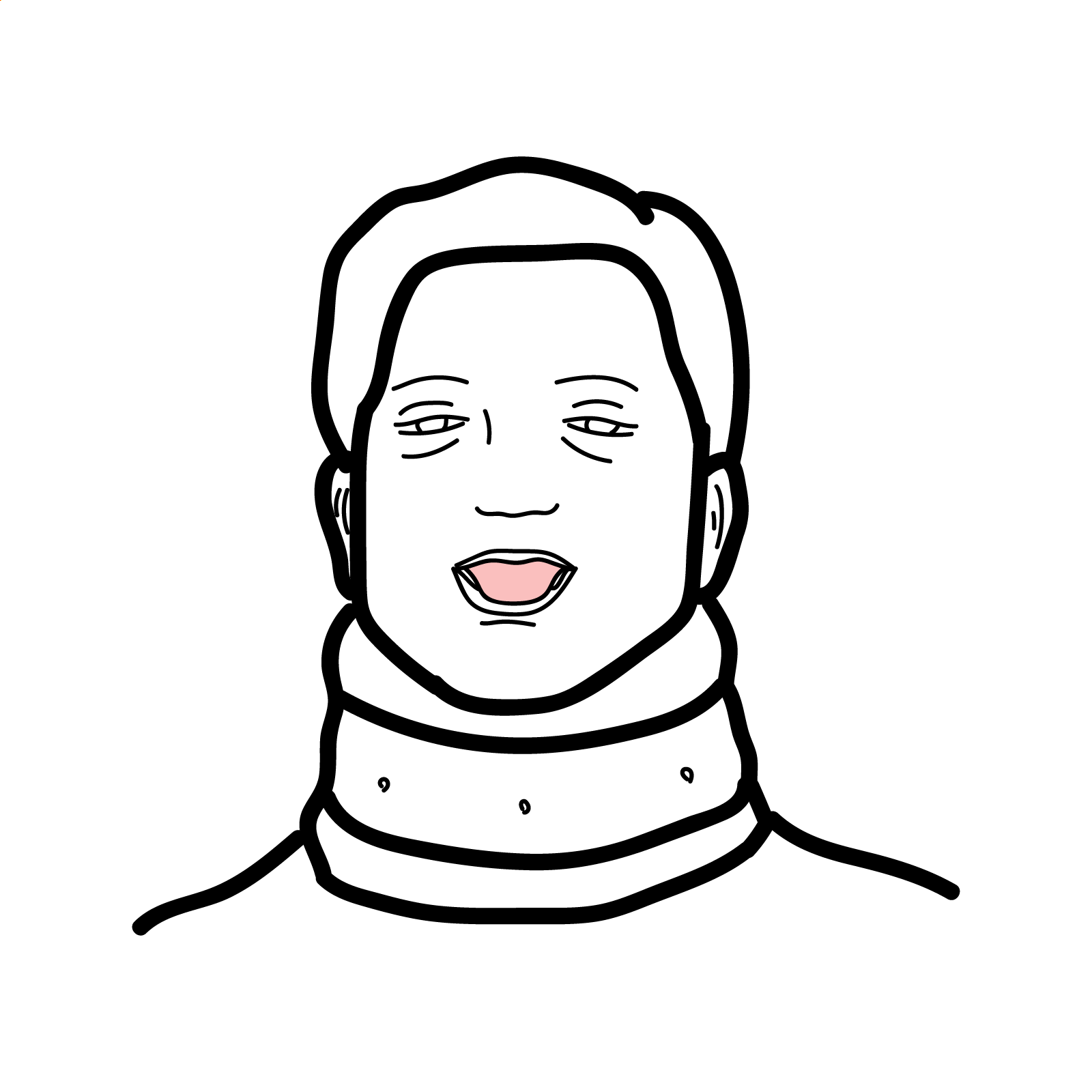
Botulism
Overview Botulism is a rare, life-threatening neuroparalytic syndrome caused by botulinum neurotoxin. It classically produces acute bilateral cranial nerve palsies followed by symmetrical descending flaccid paralysis, which may progress to respiratory failure. 1 Botulism is very rare in Australia, where most reported cases occur in infants younger than 12 months. Nevertheless, foodborne, wound and iatrogenic…
View topic ↗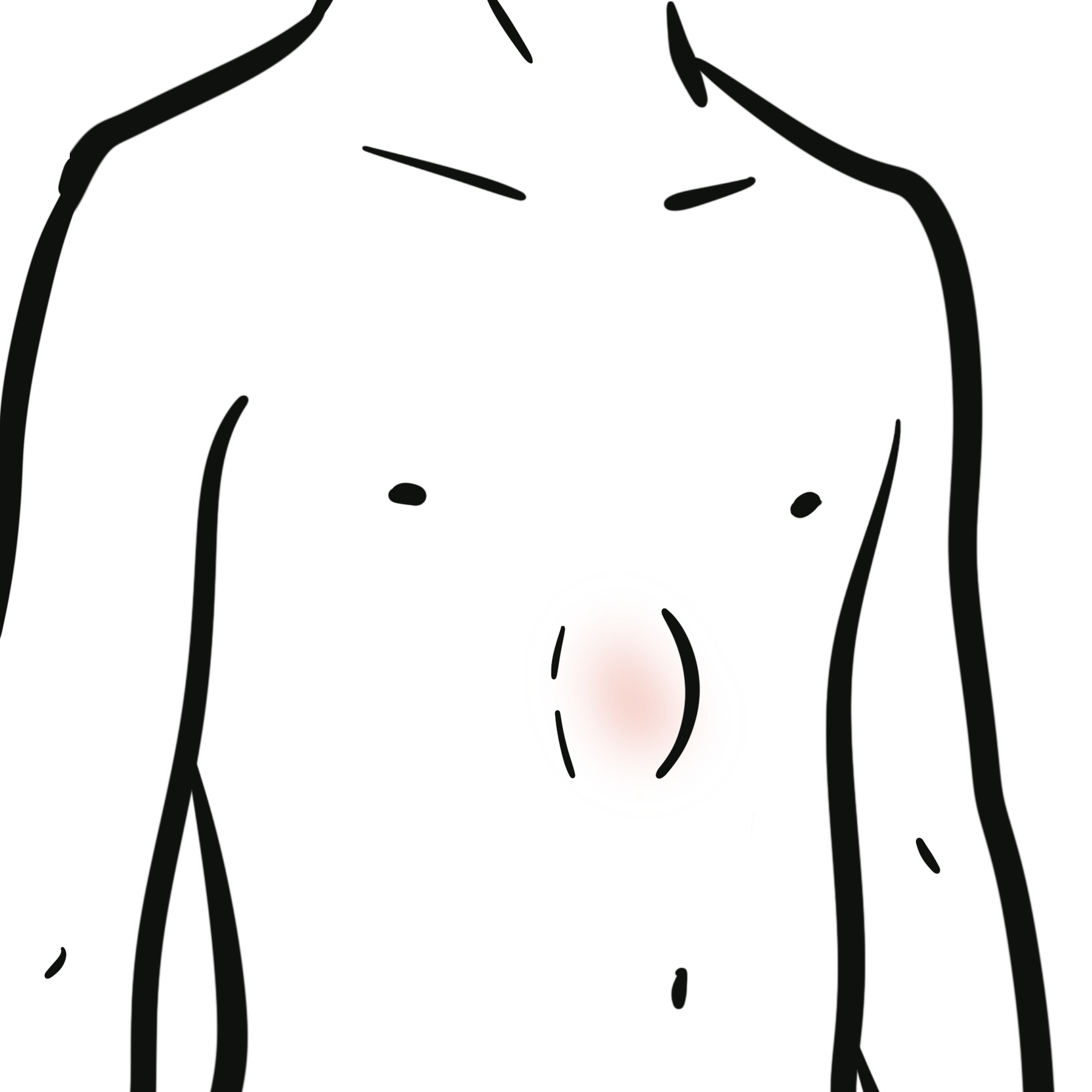
Umbilical and Epigastric Hernia
Overview Umbilical and Epigastric hernias are types of Primary Ventral abdominal wall hernias. Epigastric hernias are two to three times more common in men. Umbilical hernias are three times more likely in females. Most epigastric hernias contain preperitoneal fat, while most umbilical hernias contain omentum or bowel. These hernias are usually asymptomatic unless incarcerated, obstructed…
View topic ↗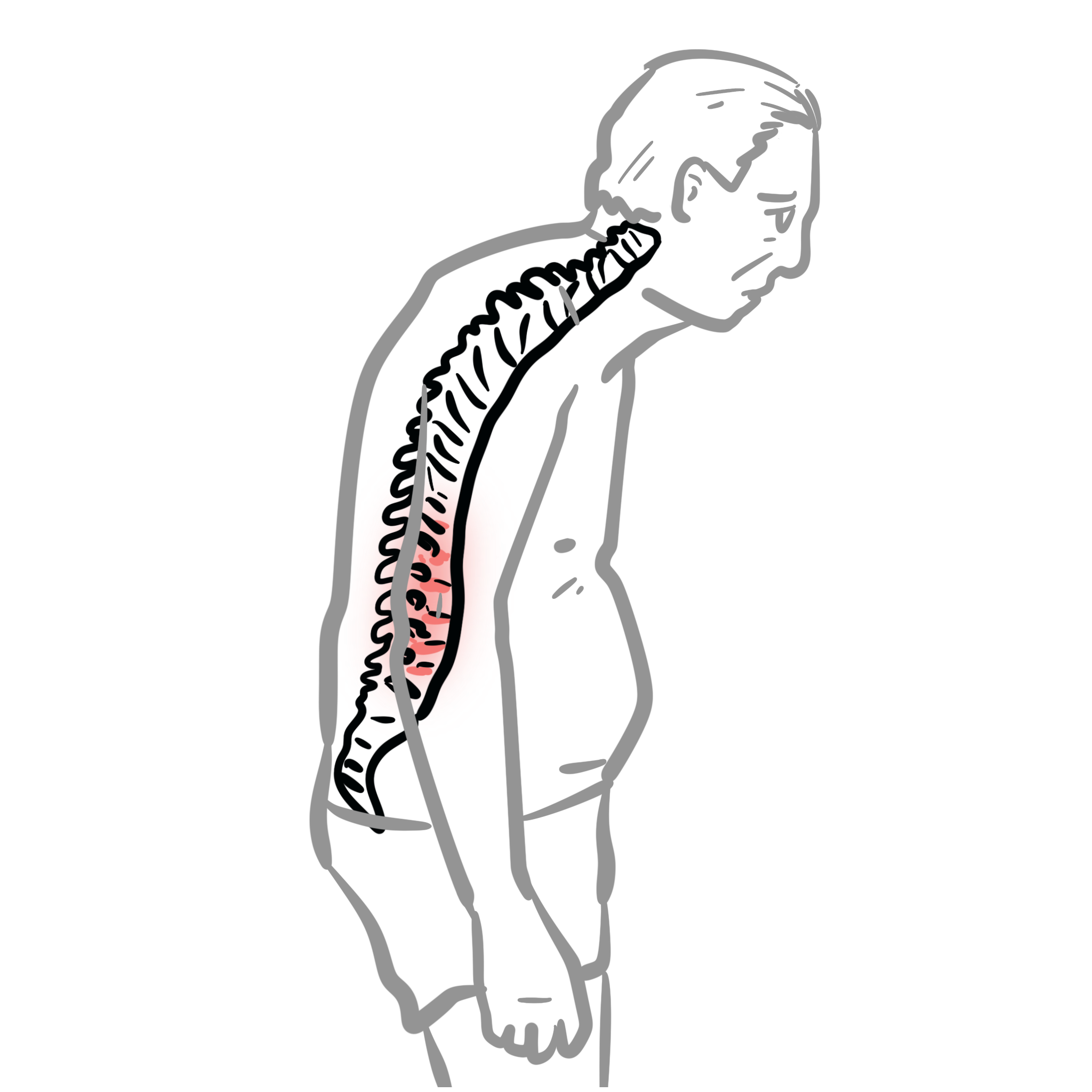
Spondylarthropathy
Overview The spondyloarthropathies are a diverse group of inflammatory arthritides that share certain genetic predisposing factors and clinical features. Their most characteristic feature is inflammatory back pain. Enthesitis, another characteristic feature, involves inflammation at sites where tendons, ligaments, or joint capsules attach to bone. Features of Spondylarthropathy Sacroiliac and spinal (axial involvement) Enthesitis at long attachments…
View topic ↗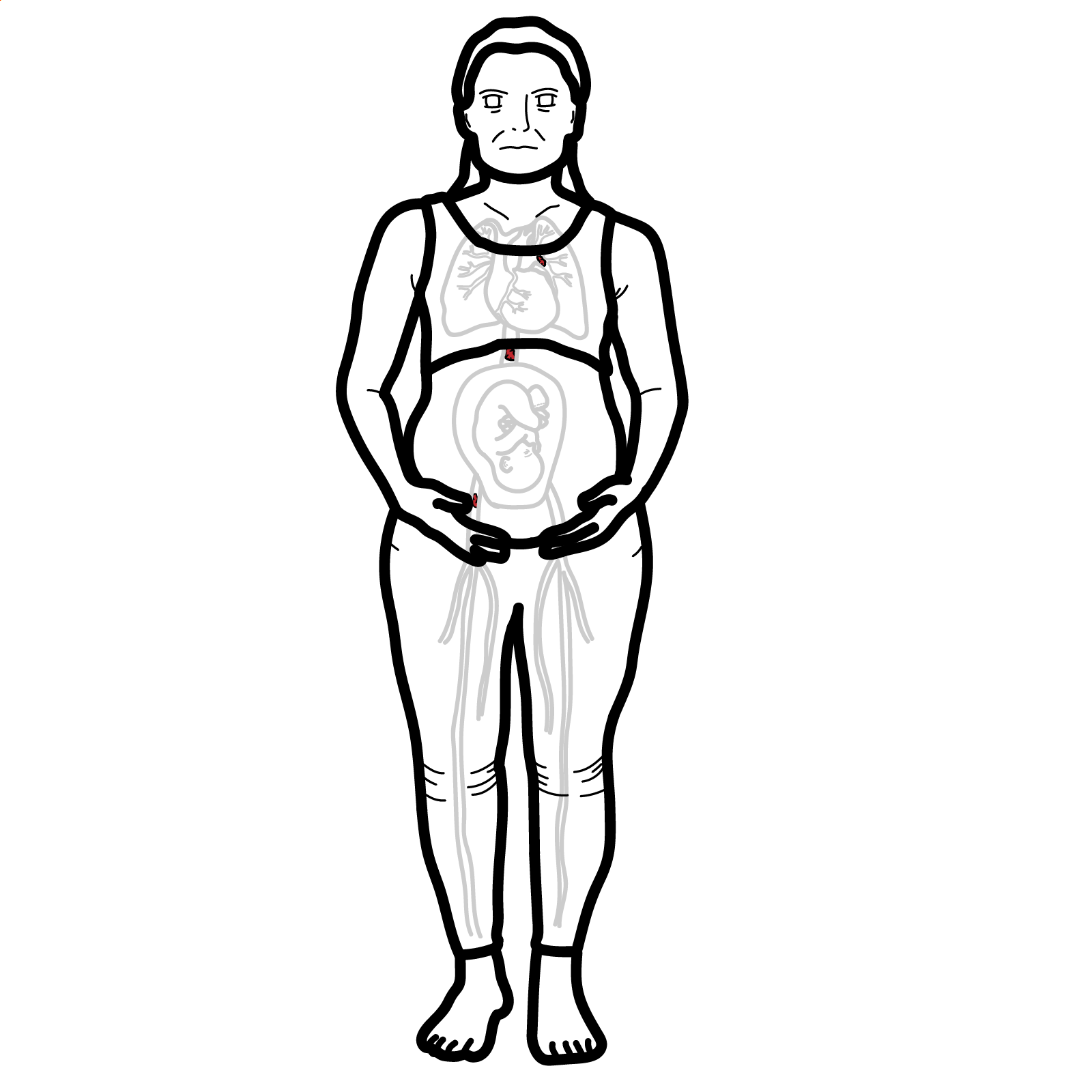
Antiphospholipid Syndrome (APS)
Overview Antiphospholipid Syndrome (APS) is an acquired autoimmune thrombophilia characterized by recurrent venous or arterial thromboses and/or pregnancy morbidity in the presence of persistent antiphospholipid antibodies (aPL). APS may occur as a primary condition or secondary to systemic lupus erythematosus (SLE). Prevalence of aPL in the general population is ~2%, but true APS is rare…
View topic ↗
Trigger Finger (Stenosing Tenosynovitis)
Overview Trigger finger is a condition in which a finger or thumb catches, clicks or locks as it bends and straightens. It occurs when the flexor tendon cannot glide smoothly through the A1 pulley at the base of the digit. The affected digit may be painful and stiff, particularly on waking, and may need help…
View topic ↗Full resource library
Browse all topics ↗Choose how you learn
One idea. More than one way to see it.
Use the format that helps the topic click, then switch formats when you need to reinforce it.
01 / WATCH02 / READ03 / SEE04 / CHECK
Videos
Hand-drawn explanations that build the big picture as the concept unfolds.
Notes
Clear written explanations for review, reference and filling in the details.
Diagrams
Visual snapshots that help you easily review topics.
Questions
Test whether the explanation stayed with you—not just whether it looked familiar.
Good places to begin
Explanations learners return to.
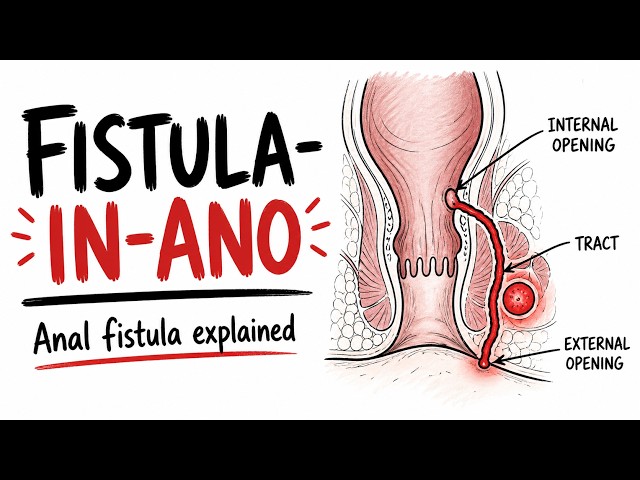
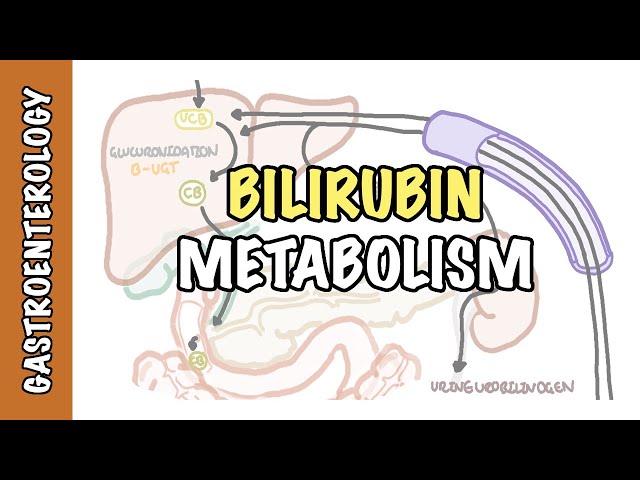
Ano In Fistula
Discover the causes, symptoms, and treatment options for anal fistulas, a painful condition often resulting from infection or abscess near the anus. This video provides a clear overview of the pathophysiology, diagnosis, and surgical management of ano-in fistula.
Immunology Map V – Cell Mediated Immunity
Explore the mechanisms of cell-mediated immunity, focusing on how T cells identify and destroy infected or abnormal cells. This video explains the roles of CD4+ helper T cells and CD8+ cytotoxic T cells in coordinating targeted immune responses.
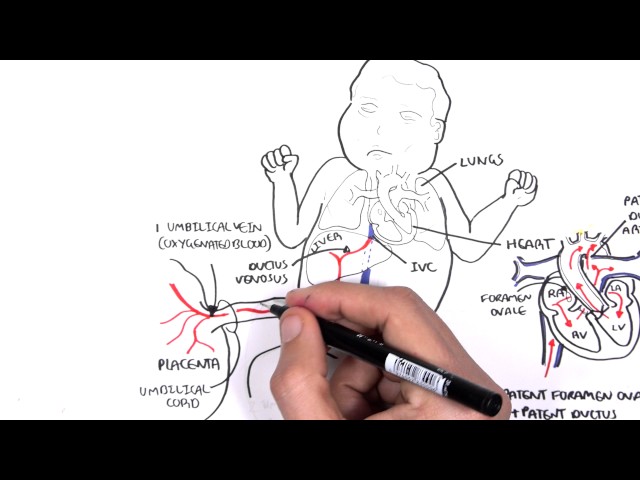
Foetal (Fetal) Circulation
Explore fetal circulation and how oxygenated blood bypasses the lungs through unique structures like the ductus arteriosus and foramen ovale. This video breaks down the key pathways and transitions that occur after birth.
Our mission
Medical science is complex. Understanding it should feel possible.
Armando Hasudungan turns difficult medical science into clear visual explanations and connected learning experiences—so learners can see the whole picture, remember what matters and find a clearer way forward.
See it clearly
Turn abstract processes and invisible relationships into something the learner can picture.
Connect the pieces
Build understanding around how concepts fit together—not a pile of isolated facts.
Make it useful
Help learners move from explanation to recall, revision and the next logical step.
What clarity feels like
When the topic stops being a blur.
Learners do not come back because the subject became easy. They come back because the explanation gave them a picture they could work with.
“Armando's teaching style gives me the foundational knowledge.
Jessica Payne-Burnett
Medical Student, Charles Sturt University
“The notes I make during his videos help me retain everything better.
Ayesha RaiStudent, Islamabad Medical and Dental College
“The drawings are amazing and super easy to remember.
Reem Mohamed Khair Abdalrazig
Student, Neelain University
Coming soon: the AH study platform
The explanation is only the start.
The free library helps you find a clear explanation. The AH platform is being built to help you connect the resources, follow a clearer path and check what actually stuck.
- Watch in a focused, ad-free study environment.
- Move between connected videos, notes, diagrams and questions.
- Know what belongs next instead of rebuilding the study path yourself.
- Test your understanding while the topic is still fresh.
New and worth a look
Keep building the picture.
Cervical Radiculopathy
Overview Cervical radiculopathy is dysfunction of a cervical nerve root caused by irritation or compression as it leaves the spine. It commonly produces pain radiating from the neck into one arm, sometimes with paraesthesia, numbness, weakness or altered reflexes. A disc herniation or degenerative narrowing of the neural foramen is a common cause. Diagnosis is…
View this topic ↗About Visualising Medicine
Good education does not remove complexity. It makes complexity feel simple.
Visualising Medicine is the team behind Armando Hasudungan. We bring together medicine, illustration, writing and technology to make difficult ideas clearer—and build better ways for learners to use them.