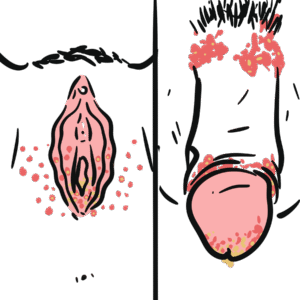
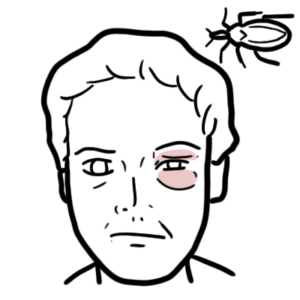
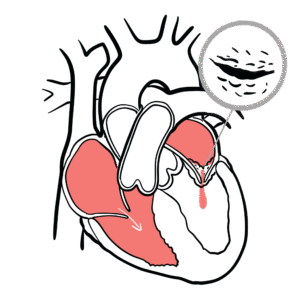
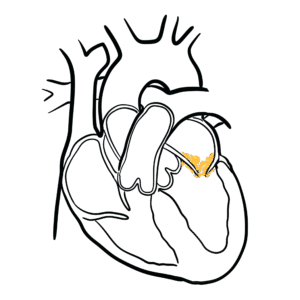
0:00 Chlamydia trichomatous, or more commonly known as chlamydia, is a gram-negative 0:10 bacteria, 0:10 which is the most common sexually transmitted infection, especially in those 0:15 who are under 0:16 25 years old. 0:18 Now chlamydia is a small gram-negative bacterium that lives as an obligate intr 0:25 acellular bacteria, 0:28 meaning it cannot produce outside the human host cell. 0:33 The transmission of chlamydia is thought to mostly occur through sexual 0:40 activity. 0:42 And therefore the risk factors include being young and sexually active, having 0:49 new or multiple 0:50 sexual partners, sexual activity with an infected person, lack of barrier 0:56 contraception, such 0:57 as not using a condom, and another risk factor is having previous chlamydia 1:06 infections. 1:08 Let's talk about the life cycle and the pathophysiology of chlamydia. 1:12 The life cycle of chlamydia has two major phases that occur over one to three 1:18 weeks, the incubation 1:20 period. 1:21 It is important to note that the two forms of the bacteria include the 1:26 elementary body, 1:28 which is infectious, and the reticulate body, which are metabolically active, 1:34 and this is 1:36 the body that can reproduce, but are not infectious. 1:42 The elementary bodies invade the epithelial cells of the urogenital tract, 1:48 changing into 1:49 reticulate bodies once inside. 1:53 The reticulate bodies replicate and mature back into the elementary bodies, 1:58 aggregating 2:00 together in groups called large inclusion bodies. 2:04 Once maturation is complete in two to three days, the infected cell ruptures 2:10 and frees 2:11 the bacteria to continue their replication process by invading other cells 2:16 around them. 2:17 And so these cells are really infecting and invading all these epithelial cells 2:23 within 2:24 the reproductive tract. 2:27 Due to its unique life cycle, chlamydia trachomatus cannot be grown in routine 2:32 bacterial culture. 2:34 These infected epithelial cells are the cause of urethral inflammation, or 2:39 cervical inflammation 2:41 woman. 2:43 In some cases, the infection can migrate up into their reproductive tract and 2:47 cause pelvic 2:48 inflammatory disease in women, and epigenemitis or prostitis in men if they 2:54 move up towards 2:55 these regions. 2:57 As a consequence of this life cycle of chlamydia, it can be transmitted from 3:01 one person to another 3:03 through unprotected sexual intercourse. 3:10 The symptoms of chlamydia infection can range and are slightly different 3:16 between males and 3:18 females. 3:20 In females, chlamydia infections can often be asymptomatic, meaning they have 3:25 no symptoms. 3:27 However, inflammation of the cervix, termed serviceitis, can cause vaginal 3:32 discharge 3:33 and pain with sex, termed dyspyrunia. 3:37 There can be post-coital or intermenstrual bleeding. 3:42 Infection of the female urethra can cause symptoms really typically of a 3:45 urinary tract 3:46 infection such as frequency and dysuria, pain when peeing. 3:52 In males, infection of the urethra causes urethritis, and can cause pain on ur 3:58 ination, 3:59 dysuria, and scant watery discharge. 4:08 Complications of chlamydia include pelvic inflammatory disease in women. 4:13 As we have learned, chlamydia can ascend to the upper reproductive tract, the 4:18 uterus, 4:19 phlopian tubes, and ovaries, and can cause this condition. 4:23 Pelvic inflammatory disease is an important health issue as it can lead to 4:27 infertility 4:28 and chronic pain. 4:30 Other complications include epigenemitis in men, retis disease, which cause 4:35 joint pain 4:36 and swelling, triggered after an infection. 4:40 The classic triad is urethritis, conjunctivitis, and reactive arthritis. 4:47 Chlamydia can also often accompany another infection, gonorrhea, and so it's 4:51 important 4:52 to look for this. 4:54 Proctitis and pharyngitis occur in both male and women. 4:58 Reinfection by chlamydia is common, and so once treated, patients should be 5:02 tested 5:03 again to make sure they are clear of the infection. 5:09 Chlamydia during pregnancy can cause complications, such as pre-term delivery, 5:14 low birth weight 5:15 of the baby, ectopic pregnancy, infants born to women with untreated chlamydia 5:21 are at 5:21 risk of neonatal conjunctivitis and pneumonia. 5:29 The differential diagnosis for chlamydia include other sexual-transmit 5:32 infections, and really 5:33 include gonorrhea, sexually transmitted with the infection, niceragonorrhea, 5:39 bacterial 5:40 vaginosis, Candidol vulvovanginitis, which is a yeast infection of the vagina, 5:46 trichomoniasis, 5:48 a common STI caused by a parasite, and pelvic inflammatory disease, another 5:57 differential. 5:59 Investigation and Diagnosis is usually through a nucleic acid amplification 6:06 test, NAT, and 6:08 it's a test of choice with high sensitivity. 6:11 It can either be done by one self using a vaginal swab, a first catch of urine, 6:19 a urethral 6:20 swab in men, and also a conjunctival swab. 6:25 Treatment of the organism is not routinely done because of its lower 6:29 sensitivity and 6:30 costs involved. 6:34 Treatment of chlamydia infections include antibiotics, doctor cycling orally, 6:41 or azithromycin. 6:44 Azithromycin is preferred for pregnant women. 6:47 It's important to also screen for other sexually transmitted infections, as 6:51 mentioned, co-infection 6:52 with gonorrhea is common, looking for HIV and hepatitis B virus is also 6:58 important. 6:59 Avoid sexual activity until treatment has finished, commence contact tracing 7:03 through partner 7:04 referral, patients notifying their partner about chlamydia, or provide a 7:09 referral where 7:10 the health care professional can notify the partner. 7:17 So in summary, chlamydia is caused by chlamydia trichomytus, it's a gram- 7:22 negative bacteria 7:23 and it's the most common cause of sexually transmitted infection. 7:27 There are a lot of complications associated with chlamydia, including pelvic 7:31 inflammatory 7:32 disease as well as Rita's syndrome. 7:37 Treatment is with doctor cycling and azithromycin. 7:41 Thank you for watching. 7:47 [BLANK_AUDIO]