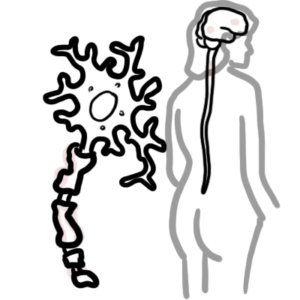
0:00 In this neurology video, we look at the divisions of the nervous system. 0:20 The nervous system is divided into two parts. 0:23 The central nervous system consists of the brain and spinal cord. 0:29 This is where all information, all signals, basically comes to, and where all 0:34 information 0:35 and signals basically comes out from, and also where information can be stored. 0:43 Then you have the peripheral nervous system. 0:45 The peripheral nervous system is as important as a central nervous system, 0:49 because the peripheral 0:50 nervous system is actually what brings these information, these signals, to the 0:56 central 0:57 nervous system, and what takes these information, these signals, out from the 1:02 central nervous 1:03 system. 1:05 The peripheral nervous system can be divided into two parts. 1:09 One that brings the information to the central nervous system, and one that 1:13 takes the information 1:15 out from the central nervous system. 1:18 Therefore, the peripheral nervous system consists of a sensory division, or aff 1:24 erent 1:24 division, and a motor division, or afferent division. 1:31 It is better to call the divisions of the peripheral nervous system, the 1:35 sensory division, 1:37 and the efferent division, and we'll soon see why. 1:42 Let's focus at the sensory division of the peripheral nervous system first. 1:47 That is the afferent division. 1:50 The sensory division is for sensing things, such as sight, smell, touch, and 1:56 even pain, 1:57 for example. 1:59 The sensory division basically sends these information to the central nervous 2:05 system, 2:06 through sensory neurons. 2:09 So the afferent division of the peripheral nervous system is basically where we 2:13 have the 2:14 sensory neurons here. 2:16 For example, they will bring information to the central nervous system, to the 2:24 CNS, to 2:24 the spinal cord, as shown. 2:28 This is done when a signal comes. 2:30 It can be signals coming from our eyes, vision, it can be touch signals, it can 2:35 be pain signals, 2:38 but these sensory neurons will basically bring this information to the central 2:43 nervous system. 2:44 So to the spinal cord, for example. 2:47 This information can then travel up to the brain for processing, for 2:51 interpretation, 2:53 for integration, and to see if a proper response is needed. 3:00 The actual response is part of the motor division of the afferent division of 3:05 the peripheral 3:06 nervous system. 3:08 This is where it takes the information, the signal, from the central nervous 3:13 system, 3:14 so from the brain or spinal cord, and sends it to a target cell through aff 3:20 erent neurons. 3:21 The signals being sent from the central nervous system to the target cell can 3:27 be voluntary, 3:28 meaning that it is consciously controlled, or it can be involuntary, which 3:33 means that 3:34 it is without our control. 3:36 An example of an involuntary response is our heart, because we have no control 3:42 over our 3:43 heartbeat, it always has to beat. 3:47 And because there is a voluntary and involuntary afferent neuron, we further 3:53 divide the efferent 3:55 division of the peripheral nervous system, so the motor division, you can say, 3:59 but the 4:00 efferent division of the peripheral nervous system, into the somatic nervous 4:05 system and 4:06 the autonomic nervous system. 4:10 The somatic nervous system is the control of voluntary movements. 4:17 And the autonomic nervous system is the control of involuntary responses. 4:23 Let's look at the somatic nervous system first. 4:26 An obvious example of the somatic nervous system is where information or 4:31 signals is coming 4:33 from the central nervous system through these efferent neurons here to target 4:38 skeletal muscle 4:40 cells for movement, so skeletal muscle cells are the target cells. 4:45 And this is part of the somatic nervous system, because we can consciously and 4:52 voluntarily 4:54 move our arms and legs, right? 4:58 Then we have the autonomic nervous system, which is the control of involuntary 5:02 responses. 5:03 To make this a bit more confusing, the autonomic nervous system can be further 5:08 divided into 5:09 two divisions, the sympathetic division and the parasympathetic division. 5:17 Both the sympathetic and parasympathetic division is what we have no control 5:21 over, because it's 5:22 involuntary. 5:25 And both are completely different to each other. 5:28 For example, the sympathetic division are switched on or are more active during 5:33 exercises, so 5:34 during sport. 5:36 And that is why the sympathetic division is sometimes referred to as a fight or 5:39 flight 5:39 response. 5:41 And the parasympathetic division obviously is less active during exercise 5:46 during sport. 5:48 Now both divisions of the autonomic nervous system, they take information from 5:52 the central 5:53 nervous system to a target cell involuntarily. 5:58 For example, the information here is being sent to the heart's conduction 6:04 system through 6:06 efferent neurons. 6:08 There are two as you can see. 6:10 And this is typical of the autonomic nervous system. 6:14 The sympathetic division in particular will actually send, they will take the 6:19 signals from 6:20 the central nervous system to the target cell that is the heart to cause it to 6:26 increase 6:26 in heart rate, because we always have an increase in heart rate during activity 6:31 , during exercise. 6:35 The parasympathetic division on the other hand is usually opposite of the 6:39 sympathetic 6:40 division. 6:41 It is called the rest and digest response. 6:44 And so it will cause a decrease in heart rate or slow the heart rate down. 6:50 The parasympathetic division is actually more active during rest and when we 6:56 eat, for example. 6:58 What you have to try to understand is that the sympathetic and the parasymp 7:02 athetic response 7:04 does not only target the heart, it can target other organs. 7:08 For example, it can target the gut and the salivary glands, for example, but 7:12 both have 7:13 opposite responses to each other. 7:17 And that concludes the video on the divisions of the nervous system. 7:20 Just recapping. 7:22 You have the two main systems, the central nervous system and the peripheral 7:25 nervous system. 7:26 The central nervous system is the brain and the spinal cord. 7:30 The peripheral nervous system, we have the afferent, division and the efferent 7:35 division. 7:36 The efferent division brings in information to the central nervous system. 7:41 The efferent division takes information from the central nervous system to a 7:46 target cell. 7:47 But when it takes the information to a target cell, it can be a voluntary 7:52 signal or an involuntary 7:54 signal. 7:55 And so we have the somatic and the autonomic nervous system divisions. 8:00 The autonomic, which is the involuntary response, is divided further into the 8:04 sympathetic response 8:05 and the parasympathetic response. 8:09 Both contradict each other and do opposite things to each other. 8:13 I hope you enjoyed this video, thank you.