

Members have early access to this video
Learn about membershipAcetabular Dysplasia (Hip Dysplasia): Symptoms, Imaging and Treatment & Explained
Acetabular dysplasia causes shallow hip sockets and hip instability, leading to labral tears and early osteoarthritis. Learn clear diagnostic signs, treatment paths, and when surgery is needed.
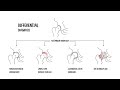
This video explains acetabular dysplasia in adults—what it is, how it causes deep groin pain, instability, and mechanical symptoms, and why early recognition matters. You’ll learn the key clinical features (aching groin pain, giving-way sensations, positive FADIR/impingement tests), essential imaging findings (reduced lateral center-edge angle <25°, shallow acetabular roof, increased inclination), and how MRI detects labral pathology and early cartilage damage. The discussion differentiates dysplasia from femoroacetabular impingement and other causes of hip pain, helping clinicians and patients understand diagnostic pitfalls.
Discover conservative strategies—activity modification, physiotherapy to strengthen glutes and periarticular muscles, and anti-inflammatory measures—for mild cases, plus the indications for surgical options. The video covers periacetabular osteotomy as a joint-preserving procedure to reorient the acetabulum and improve femoral head coverage, and when total hip arthroplasty becomes necessary in advanced degeneration. Practical prognostic insights emphasize that timely intervention can preserve function and delay or prevent hip replacement, while untreated dysplasia often progresses to labral injury and early osteoarthritis.
Whether you’re a clinician seeking concise diagnostic and management guidance or a patient wanting to understand treatment options, this video delivers actionable information and real-world implications. Watch to recognize symptoms earlier, explore treatment choices, and learn how to protect hip function—subscribe for more orthopedic insights.