

Acute Pelvic Pain
DEFINITION & OVERVIEW
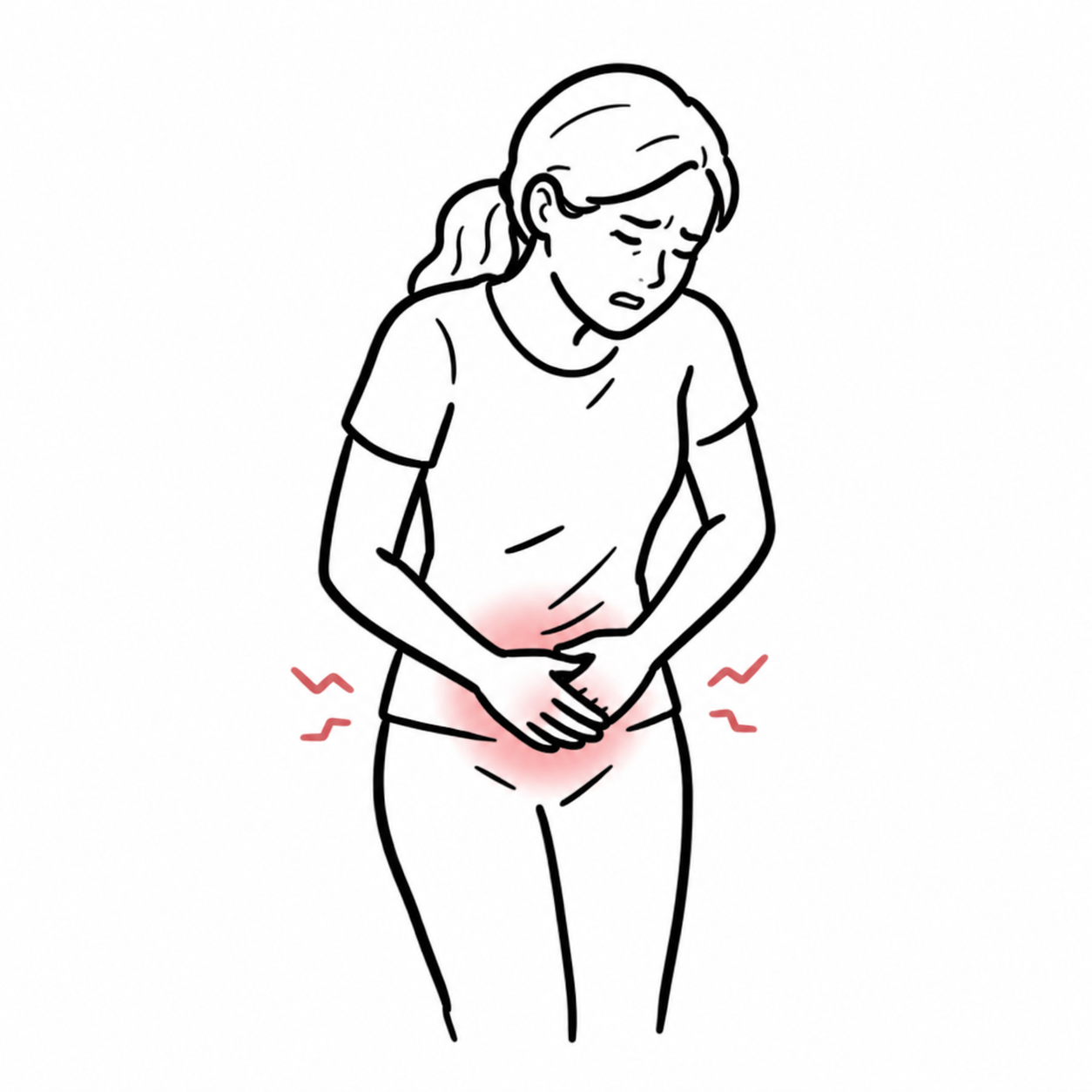
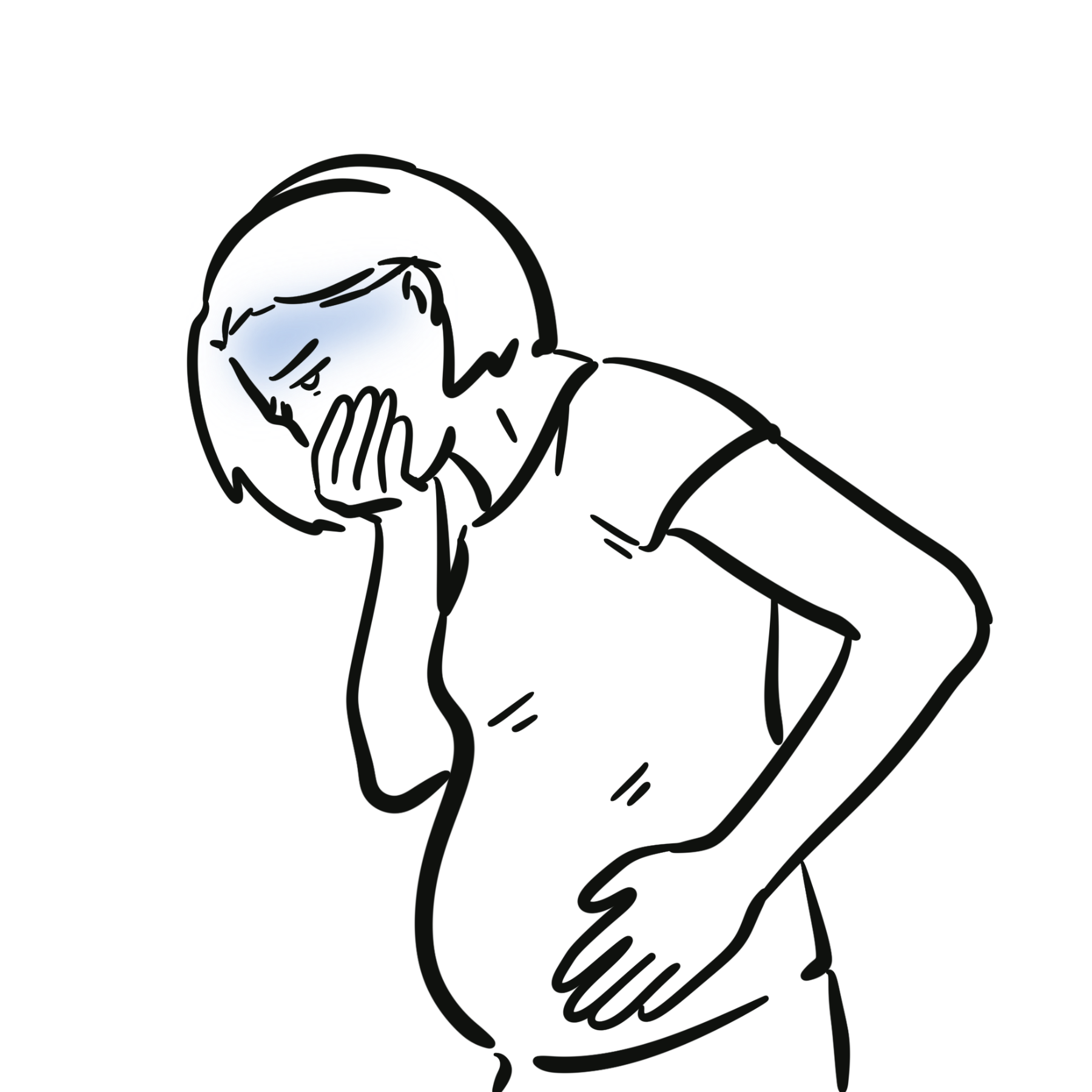
Core Rule: Any female of reproductive age (menarche to menopause) presenting with acute pelvic or lower abdominal pain is considered to be having a pregnancy-related emergency until proven otherwise via a urine or serum beta-hCG test.
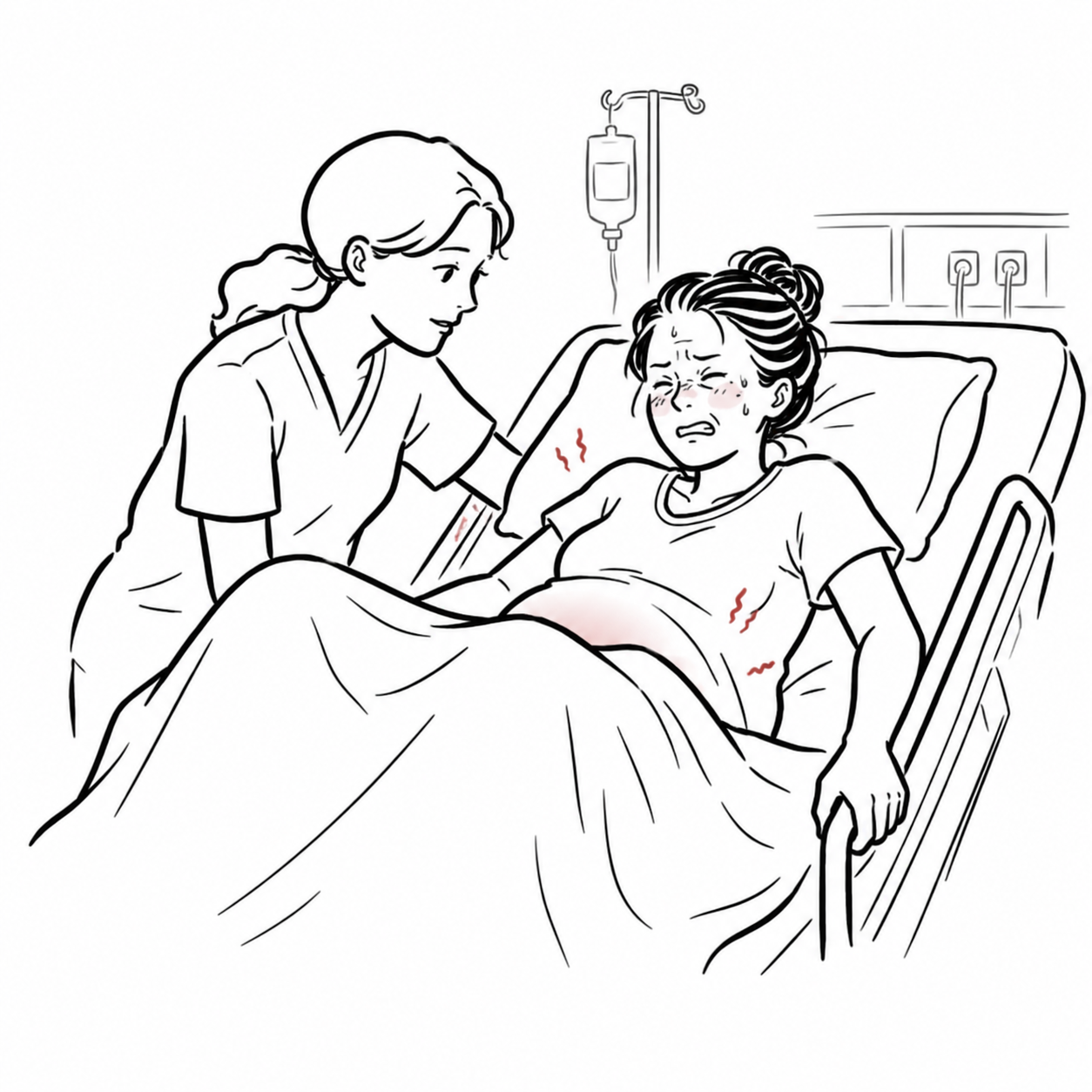
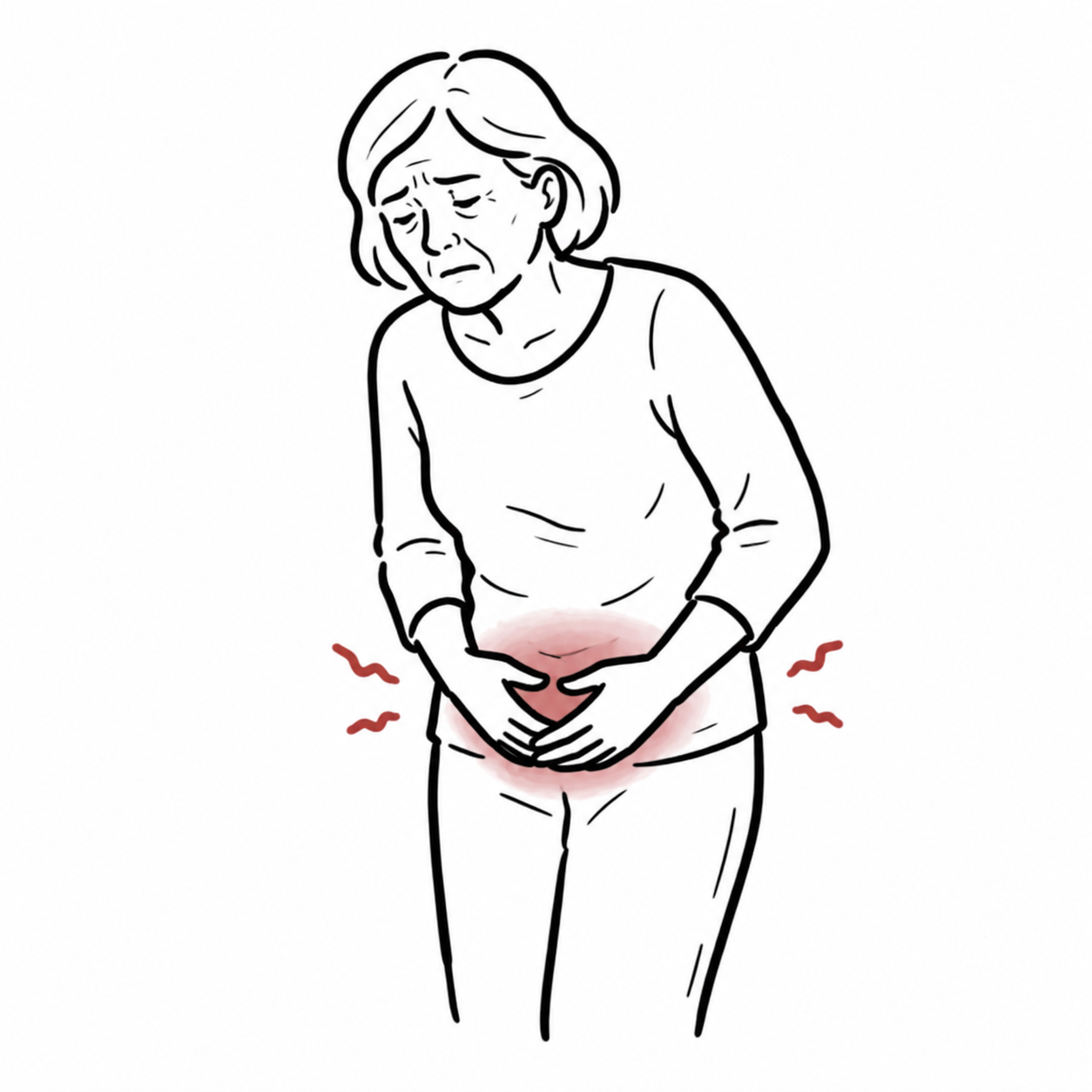
Definition: Acute pelvic pain in women is defined as sudden-onset pain originating in the lower abdomen, pelvis, or perineum, lasting < 3 months (often presenting within hours to days).
Clinical Goal: Immediately distinguish life-threatening and fertility-threatening gynecological emergencies (Ruptured Ectopic Pregnancy, Ovarian Torsion, Tubo-Ovarian Abscess) from acute non-gynecological surgical emergencies (Appendicitis, Diverticulitis).
The single most critical initial test in any woman of childbearing age with acute pelvic pain is a beta-hCG test. A negative pregnancy test instantly rules out ectopic pregnancy and bifurcates the clinical pathway.
APPROACH
- Step 1: Emergency Triage & Hemodynamic Red Flags
- Unstable Vitals / Shock (SBP < 90 mmHg, HR > 110 bpm, Pallor, Syncope):
- -> Suspect Ruptured Ectopic Pregnancy or Ruptured Hemorrhagic Ovarian Cyst with Hemoperitoneum.
- -> Immediate resuscitation: 2x large-bore IV cannulae (14–16G), fluid bolus, uncrossmatched O-negative or type-specific blood, emergent bedside FAST scan, and immediate transfer to the operating theatre for Emergency Laparoscopy/Laparotomy.
- Severe Acute Colicky Pain + Nausea/Vomiting + Unilateral Adnexal Mass:
- -> Suspect Ovarian Torsion (Time-critical surgical emergency to preserve ovarian tissue).
- Peritoneal Signs (Rigidity, Involuntary Guarding, Rebound) + Fever / Sepsis:
- -> Suspect Ruptured Tubo-Ovarian Abscess (TOA), Perforated Appendicitis, or Pelvic Peritonitis.
- Unstable Vitals / Shock (SBP < 90 mmHg, HR > 110 bpm, Pallor, Syncope):
- Step 2: Pregnancy Status Branching Logic
- Beta-hCG POSITIVE:
- -> Urgent Transvaginal Ultrasound (TVUS) to locate the pregnancy (Intrauterine vs. Ectopic vs. Pregnancy of Unknown Location [PUL]).
- Ectopic Pregnancy Confirmed / Large Free Fluid in Pouch of Douglas: -> Surgical laparoscopy vs. Medical Methotrexate therapy.
- Intrauterine Pregnancy (IUP) Confirmed: -> Threatened / Incomplete Miscarriage, Corpus Luteum Hematoma, or non-obstetric cause (Appendicitis).
- Beta-hCG NEGATIVE:
- -> Assess for inflammatory/infectious markers, mass characteristics, and cyclical timing (mid-cycle ovulation vs. menses).
- Beta-hCG POSITIVE:
- Step 3: Imaging Decisions (Non-Pregnant)
- Pelvic Ultrasound (Transabdominal + Transvaginal): First-line imaging modality for gynecological pathology.
- CT Abdomen / Pelvis (with IV contrast): Indicated if non-gynecological etiologies (Acute Appendicitis, Diverticulitis, Mesenteric Adenitis) are suspected.
Normal arterial and venous Doppler flow on ultrasound does NOT rule out Ovarian Torsion. Torsion is often intermittent, and dual blood supply (ovarian and uterine arteries) can maintain detectable Doppler signals despite tissue ischemia. If clinical suspicion is high, proceed to diagnostic laparoscopy.
DIFFERENTIAL DIAGNOSIS
- Pregnancy-Related Emergencies (Beta-hCG Positive):
- Ectopic Pregnancy (Tubal, Interstitial, Cervical, Ovarian):
- Distinguishing features: Amenorrhea (6–8 weeks), unilateral pelvic pain, vaginal bleeding/spotting, shoulder tip pain (diaphragmatic irritation from hemoperitoneum); empty uterine cavity on TVUS with adnexal “tubal ring” or “blob” sign.
- Miscarriage (Threatened, Incomplete, Septic):
- Distinguishing features: Crampy suprapubic midline pain, heavier vaginal bleeding with passage of clots/tissue, dilated internal cervical os on speculum examination.
- Ectopic Pregnancy (Tubal, Interstitial, Cervical, Ovarian):
- Gynecological Emergencies (Beta-hCG Negative):
- Ovarian / Adnexal Torsion:
- Distinguishing features: Sudden-onset, severe, unilateral lower abdominal/pelvic pain; waxing and waning (intermittent detorsion); prominent nausea and vomiting (> 70%); history of an ovarian cyst (> 5 cm) or ovulation induction.
- Ruptured Ovarian Cyst / Hemorrhagic Corpus Luteum:
- Distinguishing features: Sudden onset sharp pain during physical activity or sexual intercourse (coital rupture); often mid-cycle or late luteal phase; echogenic fluid in the Pouch of Douglas on TVUS.
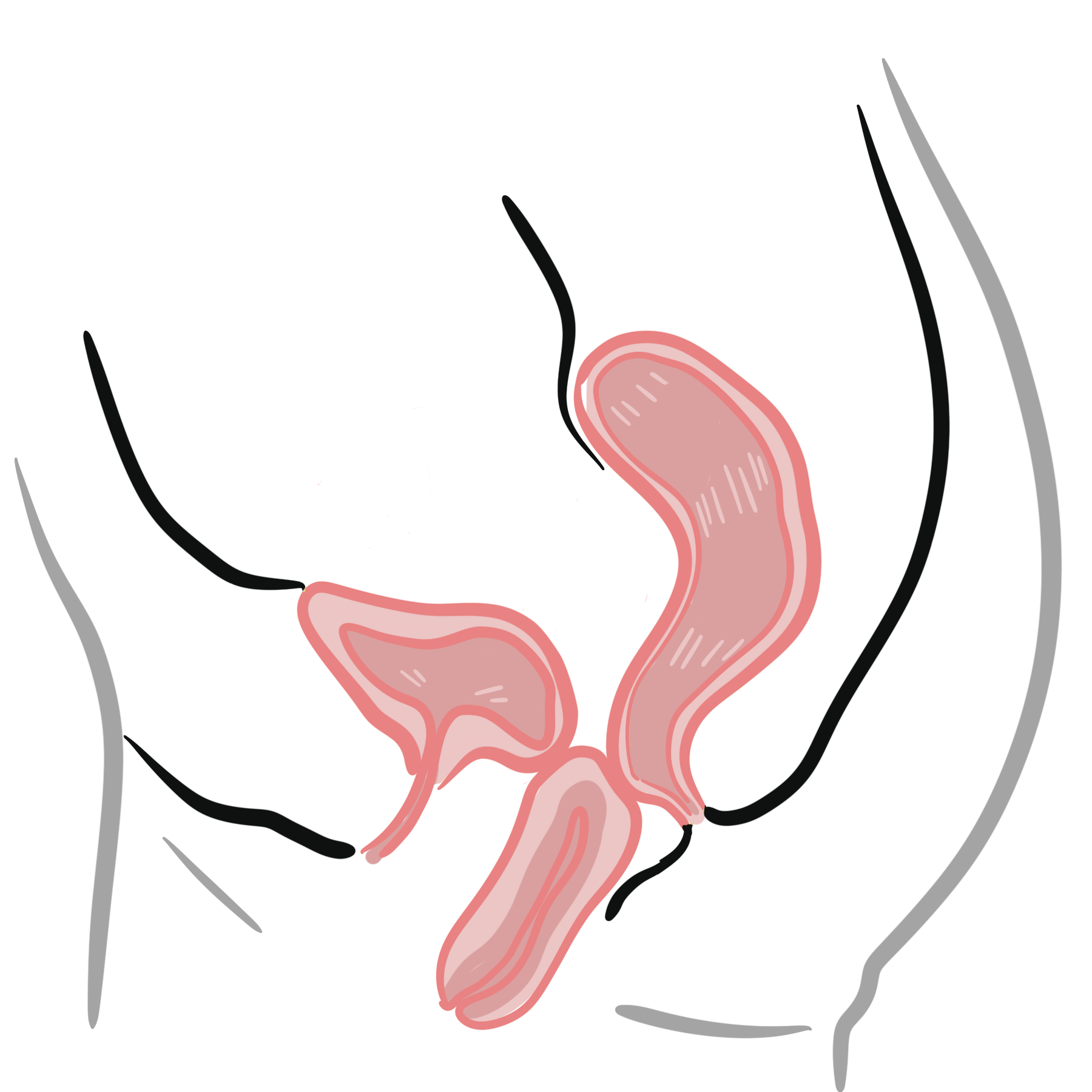
- Pelvic Inflammatory Disease (PID) / Tubo-Ovarian Abscess (TOA):
- Distinguishing features: Bilateral lower abdominal/pelvic pain, purulent cervical discharge, fever, cervical motion tenderness (“chandelier sign”), uterine/adnexal tenderness on bimanual exam; complex multilocular cystic adnexal mass on ultrasound (TOA).
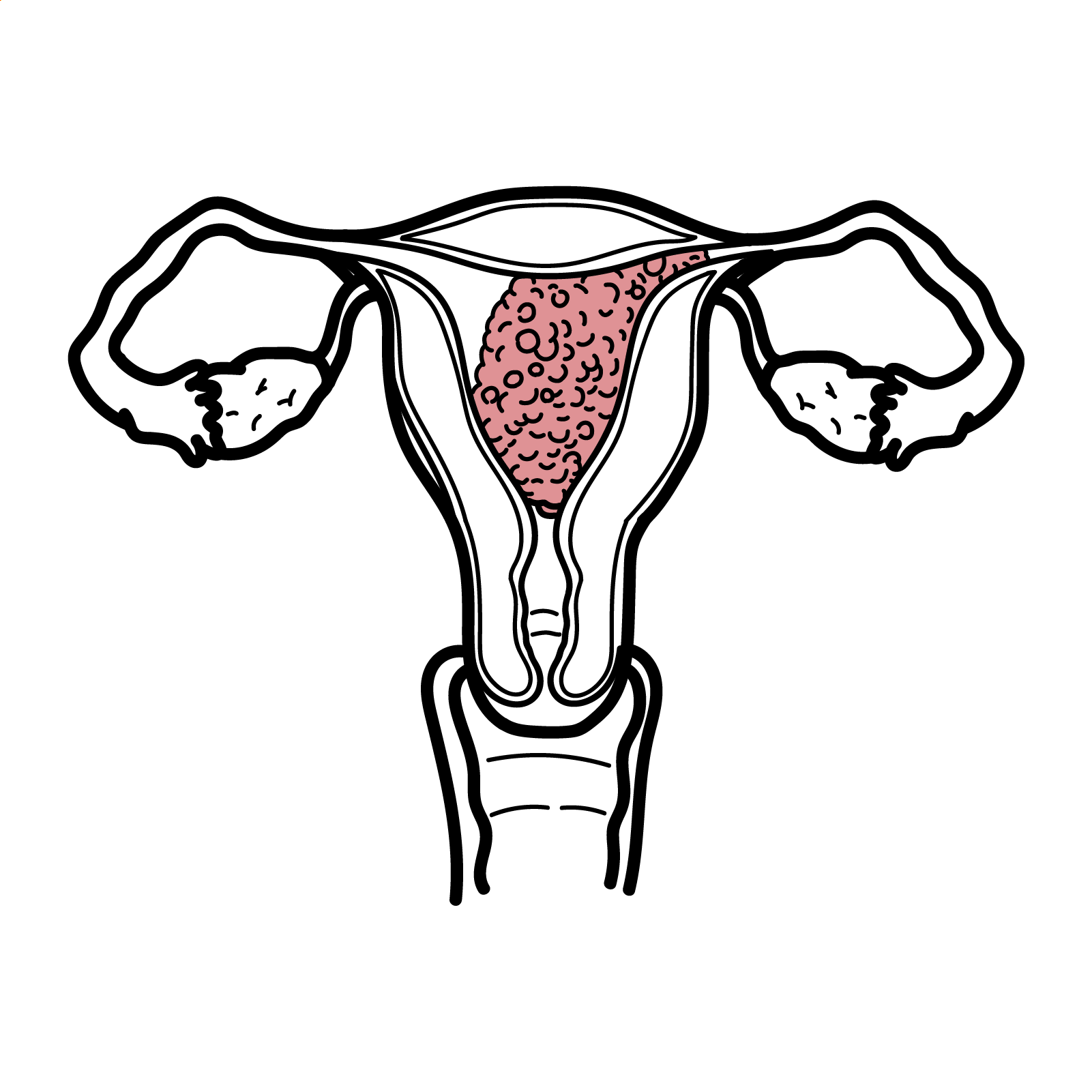
- Acute Degeneration / Torsion of Uterine Fibroid (Leiomyoma):
- Distinguishing features: Focal severe pain over a known fibroid, localized tenderness on palpation, low-grade fever, leukocytosis (common in pregnancy due to rapid growth and outgrowing blood supply).
- Mittelschmerz (Ovulation Pain):
- Distinguishing features: Mild to moderate mid-cycle unilateral pain (day 14 of typical 28-day cycle); self-limiting over 24–48 hours; no systemic symptoms.
- Ovarian / Adnexal Torsion:
- Non-Gynecological Surgical & Urological Mimics:
- Acute Appendicitis:
- Distinguishing features: Periumbilical pain migrating to the Right Iliac Fossa (McBurney’s point), anorexia, low-grade fever, positive Rovsing’s / Psoas signs.
- Urinary Tract Infection (Cystitis / Pyelonephritis) & Urolithiasis:
- Distinguishing features: Dysuria, frequency, flank pain radiating to groin, costovertebral angle tenderness, microscopic hematuria.
- Acute Appendicitis:
The combination of lower abdominal pain, abnormal vaginal bleeding, and cervical motion tenderness in a sexually active young woman is the classic clinical presentation of Pelvic Inflammatory Disease (PID).
INVESTIGATIONS
- First-Line / Bedside & Emergency Diagnostics:
- Urinary & Serum Quantitative Beta-hCG: Mandatory in all women of reproductive age.
- Transvaginal & Transabdominal Ultrasound (TVUS): Modality of choice for pelvic pathology. Evaluates intrauterine pregnancy, adnexal masses, ovarian enlargement/edema, free pelvic fluid/blood, and twisted vascular pedicle (“whirlpool sign”).
- Full Blood Count (FBC) & Group and Hold / Crossmatch: Assess leukocytosis (infection/abscess), anemia, and prepare for potential emergency transfusion or anti-D administration.
- Endocervical / High-Vaginal Swabs / First-Pass Urine NAAT: Screen for Chlamydia trachomatis, Neisseria gonorrhoeae, and Mycoplasma genitalium.
- Urinalysis & Mid-Stream Urine Culture: Exclude UTI and urolithiasis.
- Targeted / Specialized Imaging & Diagnostic Procedures:
- CT Abdomen / Pelvis with IV Contrast: Indicated when ultrasound is non-diagnostic and appendicitis, diverticulitis, or complicated pelvic abscess is suspected.
- Diagnostic Laparoscopy: Definitive gold-standard diagnostic and therapeutic procedure for suspected ovarian torsion, occult hemoperitoneum, or acute diagnostic uncertainty.
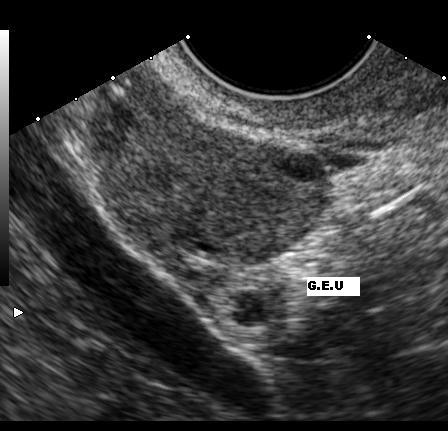
Ultrasound appearance of an ectopic pregnancy.
What to notice
Detailed image description
Source: Wikimedia Commons. Creator: X. Compagnion. Licence: Public domain. No modifications made.
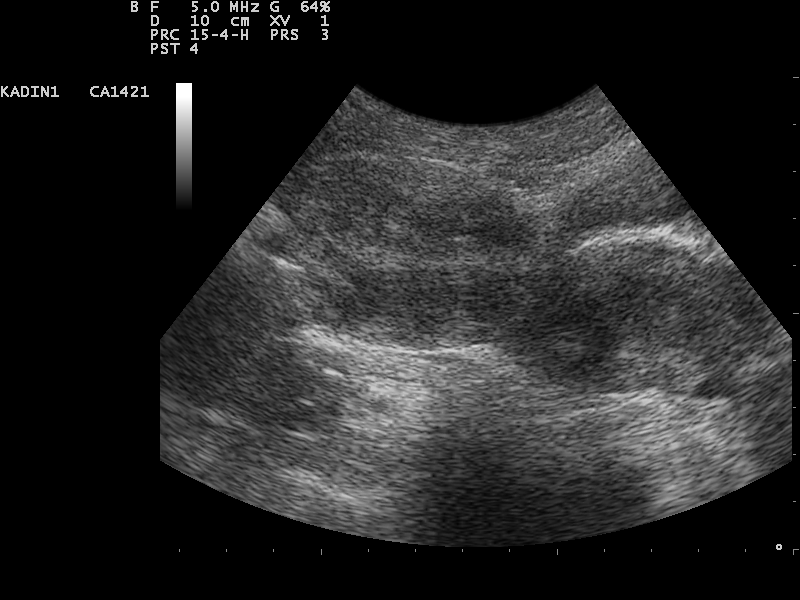
Ultrasound appearance of ovarian torsion.
What to notice
Detailed image description
Source: Wikimedia Commons. Creator: Nevit Dilmen. Licence: CC BY-SA 3.0. No modifications made.
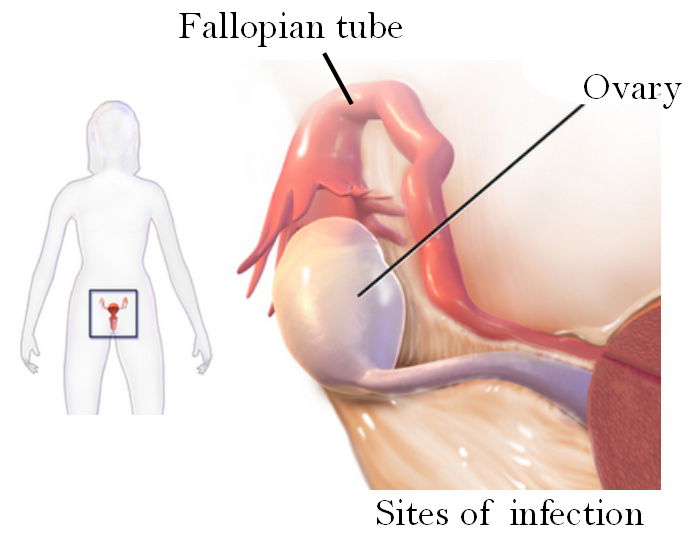
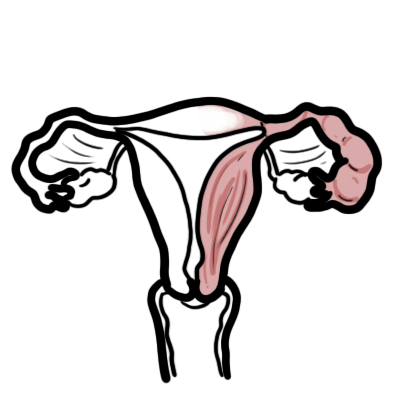
Potential anatomical sites of a tubo-ovarian abscess.
What to notice
Detailed image description
Source: Wikimedia Commons. Creator: Bfpage. Licence: CC BY-SA 4.0. No modifications made.
In any Rh-negative woman with an ectopic pregnancy, miscarriage, or trauma/pelvic bleeding, administer Anti-D Immunoglobulin within 72 hours of the bleeding event to prevent maternal alloimmunization.
CRITICAL MANAGEMENT
- Ruptured Ectopic Pregnancy (Emergency Resuscitation & Surgery):
- Surgical Exploration: Immediate Emergency Laparoscopy (or Laparotomy if profound circulatory collapse) for Salpingectomy (or Salpingostomy).
- Resuscitation: Activate massive transfusion protocol if in shock; administer Anti-D Immunoglobulin (250 IU or 625 IU depending on gestational age) if patient is Rh-negative.
- Ovarian Torsion (Fertility-Sparing Surgical Emergency):
- Laparoscopic Detorsion: Urgent surgical exploration with detorsion of the ovary and assessment of viability. (Modern standard of care is to detorse and preserve the ovary, even if it appears dusky/ischemic, as function recovers in the majority of cases). Oophorectomy is reserved only for frank necrotic breakdown or postmenopausal women.
- Pelvic Inflammatory Disease (PID) & Tubo-Ovarian Abscess (TOA):
- Empiric Inpatient IV Antibiotic Therapy (For TOA, Pregnancy, or Severe Sepsis):
- Ceftriaxone 1–2 g IV daily + Doxycycline 100 mg PO/IV BD + Metronidazole 400–500 mg PO/IV BD.
- Percutaneous / Endoscopic Drainage: Required for Tubo-Ovarian Abscesses > 5–7 cm or those failing to improve after 48–72 hours of parenteral antibiotics.
- Empiric Inpatient IV Antibiotic Therapy (For TOA, Pregnancy, or Severe Sepsis):
When operating for ovarian torsion, do NOT immediately perform an oophorectomy just because the ovary looks dark purple or black. Untwist the vascular pedicle—ovarian follicular tissue has remarkable resilience, and a high percentage regain normal endocrine and ovulatory function.
REFERENCES
- Frasca DJ, Jarrio CE, Perdue J. Evaluation of acute pelvic pain in women. Am Fam Physician. 2023;108(2):175–180. Available from: https://www.aafp.org/pubs/afp/issues/2023/0800/acute-pelvic-pain.html
- American College of Radiology. ACR Appropriateness Criteria®: acute pelvic pain in the reproductive age group [Internet]. Available from: https://acsearch.acr.org/docs/69503/narrative/
- Royal College of Obstetricians and Gynaecologists. Diagnosis and management of ectopic pregnancy. Green-top Guideline No. 21 [Internet]. Available from: https://www.rcog.org.uk/guidance/browse-all-guidance/green-top-guidelines/diagnosis-and-management-of-ectopic-pregnancy-green-top-guideline-no-21/
- Centers for Disease Control and Prevention. Pelvic inflammatory disease: STI treatment guidelines [Internet]. Atlanta: CDC; 2021. Available from: https://www.cdc.gov/std/treatment-guidelines/pid.htm
- Basta Nikolic M, Spasic A, Hadnadjev Simonji D, et al. Imaging of acute pelvic pain. Br J Radiol. 2021;94(1127):20210281. doi:10.1259/bjr.20210281.
- European Society of Radiology. ESR Essentials: gynaecological causes of acute pelvic pain in women. Eur Radiol. 2025. Available from: https://pmc.ncbi.nlm.nih.gov/articles/PMC12559156/







Members only discussions coming soon…