

Visual explanationFree resource
Visual medical education by Armando Hasudungan
Medical science, drawn into focus.
Explore visual explanations that reveal how the facts, processes and clinical patterns fit together—then discover the coming AH study platform, built to guide what you study next and check what stuck.
Connected studyComing soon
Clear visual explanations used by medical and allied-health learners around the world.
Explore the free library
Start with the topic in front of you.
Browse by subject or jump straight into the explanation you need. No account required.
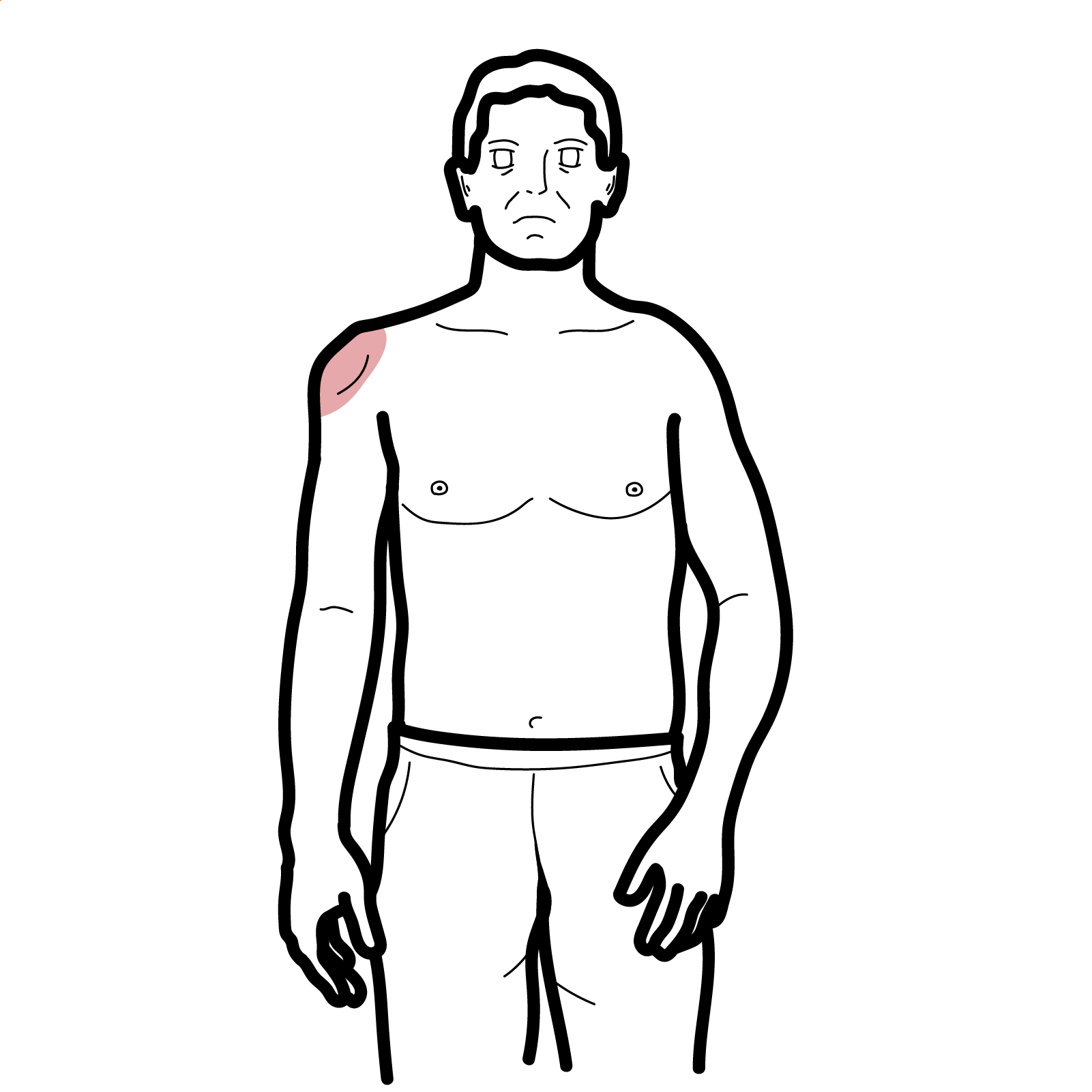
Basic Calcium Phosphate Disease / Milwaukee Shoulder Syndrome
Overview Basic Calcium Phosphate (BCP) disease is a crystal-associated arthropathy characterized by deposition of BCP crystals in periarticular and intra-articular tissues. A severe clinical presentation of BCP disease is Milwaukee Shoulder Syndrome, which typically affects elderly women, leading to rapid joint destruction, massive rotator cuff tears, and non-inflammatory joint effusion. It often involves the shoulder,…
View topic ↗
Diverticular Disease
Overview Diverticula of the colon consist of outpouchings of mucous membrane through the muscle wall of the bowel. In the colon, diverticula are found most commonly in the sigmoid and descending colon, and become increasingly rare in passing from the left to the right side of the colon. They are unusual before the age of 40…
View topic ↗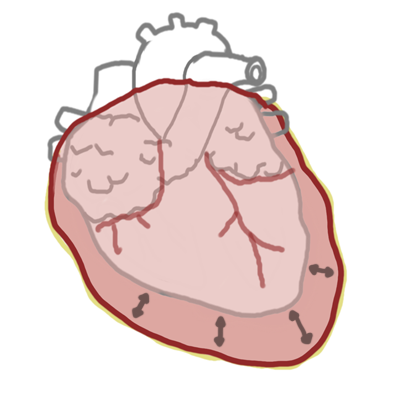
Cardiac Tamponade
Overview Cardiac tamponade is a life-threatening cardiovascular emergency caused by the accumulation of fluid, blood, pus, or gas within the pericardial sac. This accumulation causes a critical elevation in intrapericardial pressure that exceeds normal cardiac diastolic filling pressures, resulting in compression of the heart chambers, severely impaired diastolic filling, reduced stroke volume, and cardiac output…
View topic ↗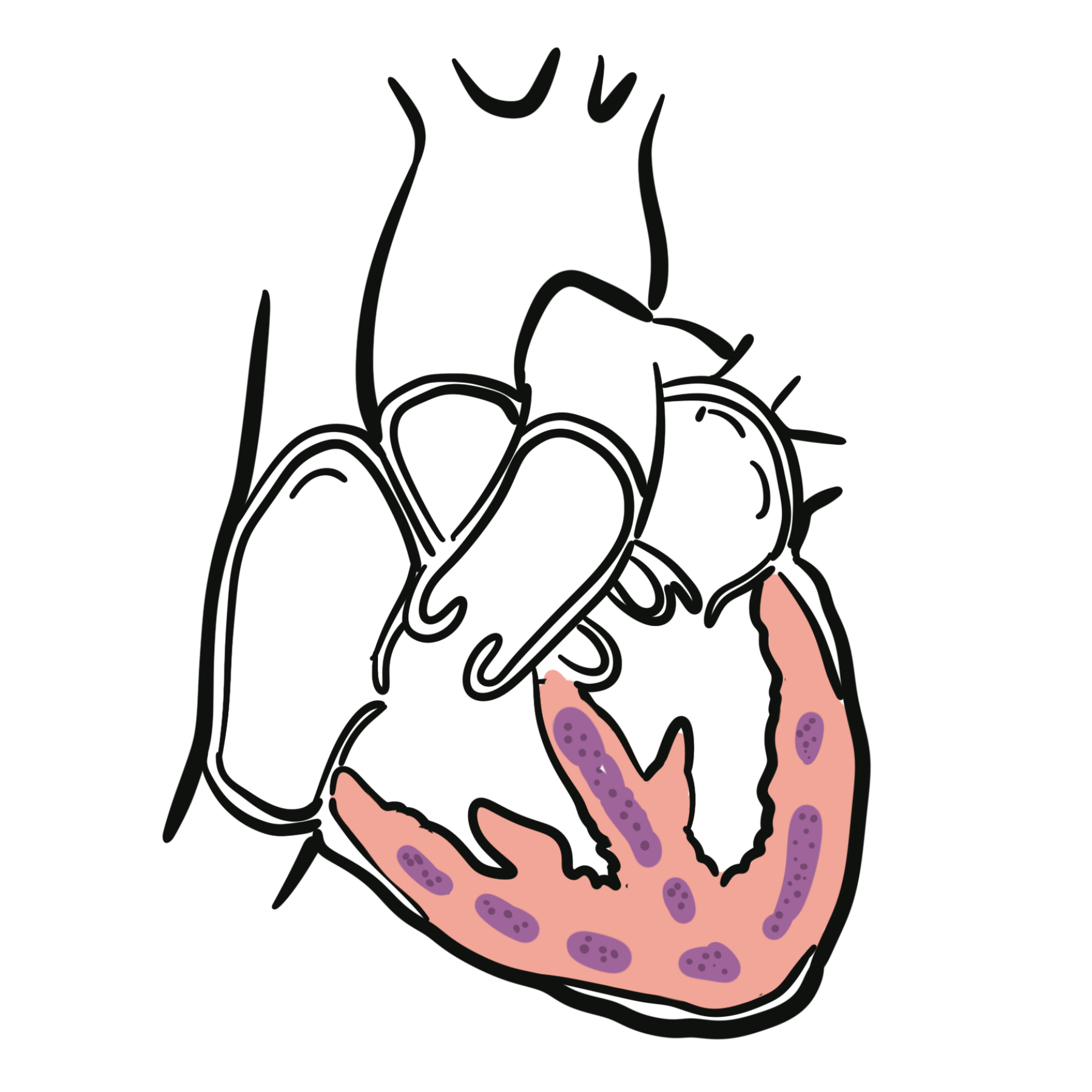
Cardiac Sarcoidosis
Overview Cardiac sarcoidosis is an inflammatory heart disease caused by myocardial infiltration with non-necrotising granulomas. Inflammation may subsequently resolve, recur, or progress to permanent fibrosis. The disease is often patchy and may affect the conduction system, ventricular myocardium, papillary muscles, valves, pericardium, or coronary microcirculation. 1 Cardiac involvement may occur as part of multisystem sarcoidosis…
View topic ↗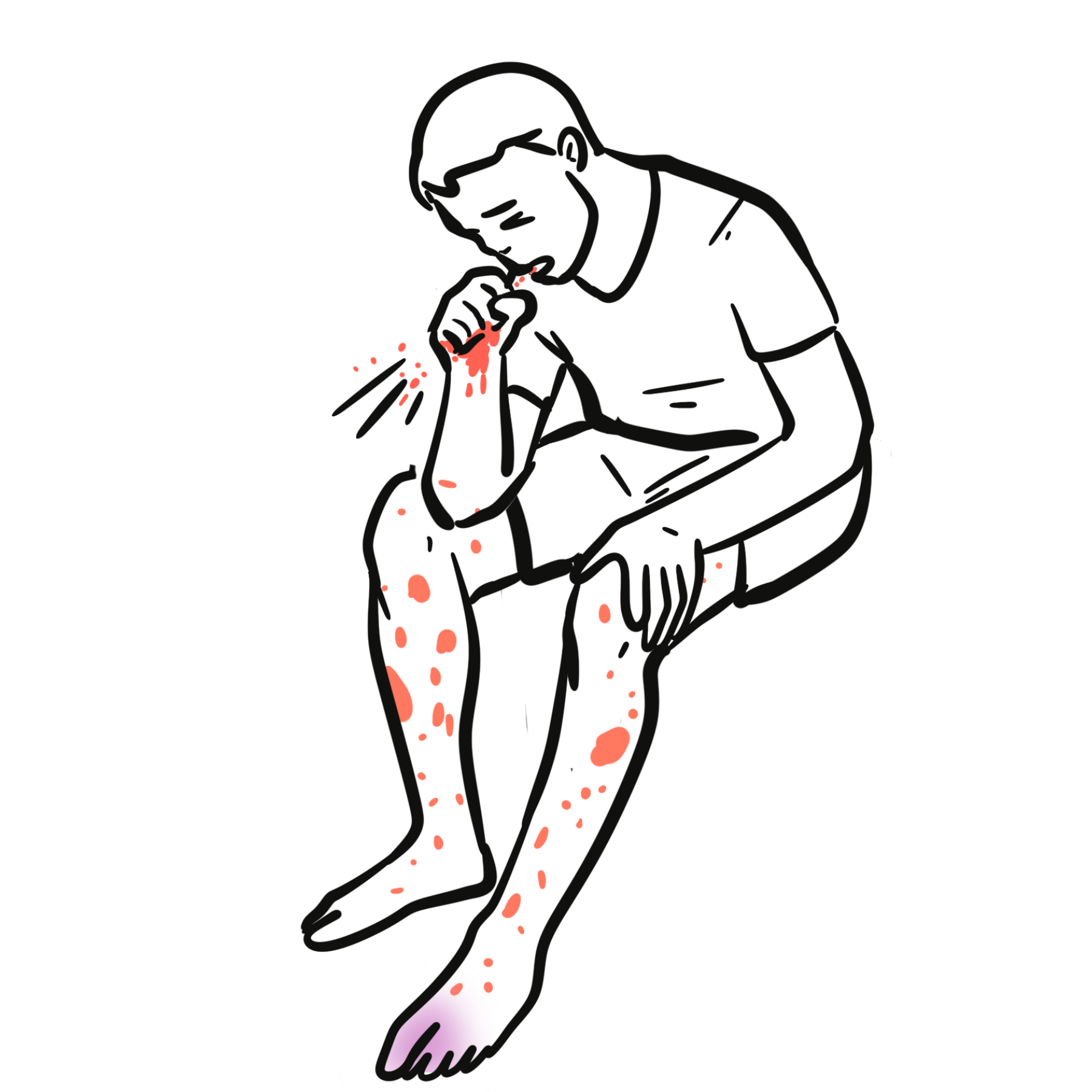
ANCA – Associated Vasculitis with Pulmonary Haemorrhage or Fibrosis
ANCA-associated vasculitis can cause life-threatening diffuse alveolar haemorrhage or chronic interstitial lung disease and pulmonary fibrosis. Review its presentation, diagnosis and management.
View topic ↗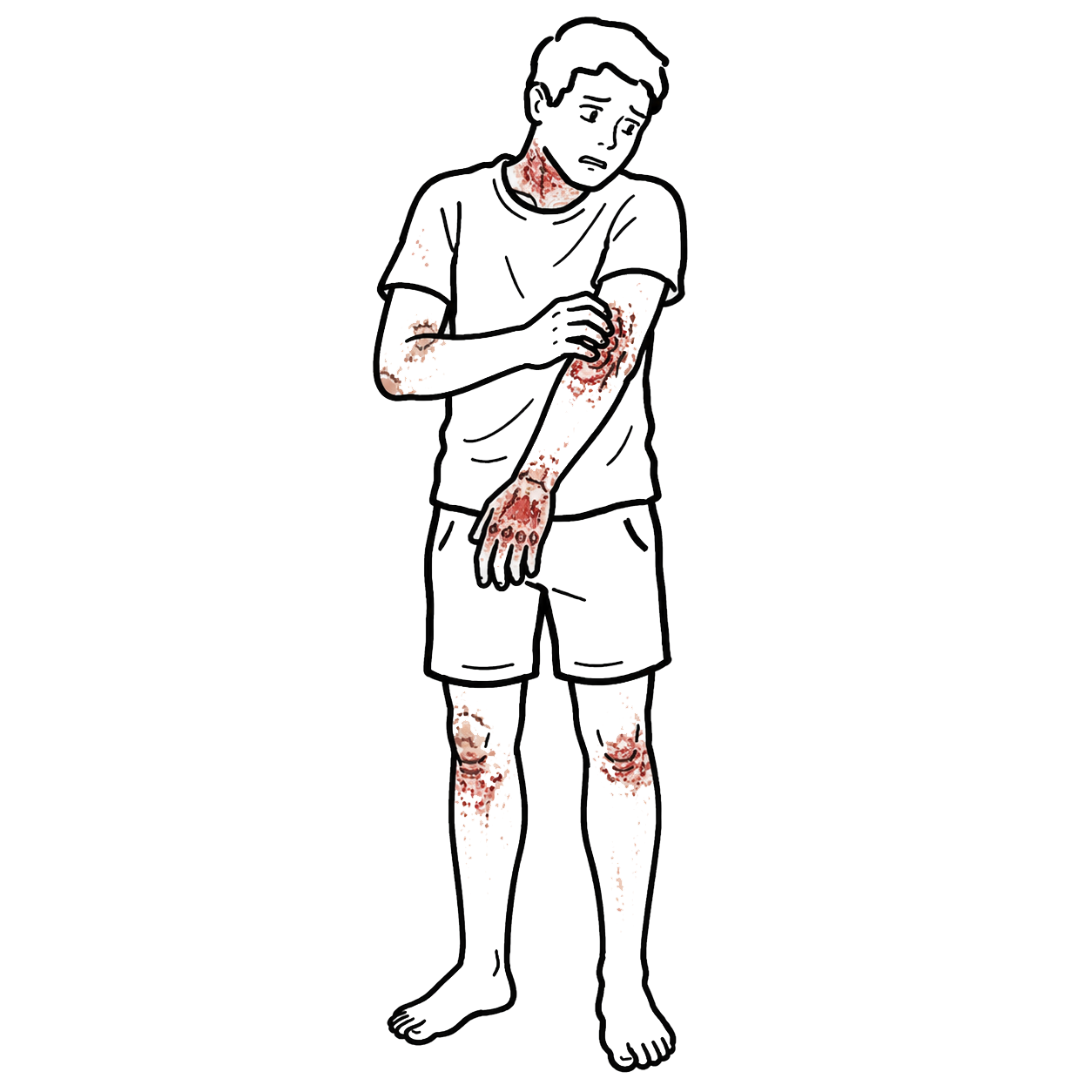
Atopic Dermatitis (Eczema)
Overview Atopic dermatitis is a chronic highly pruritic (itchy) inflammatory skin disease.Atopic dermatitis and eczema are often used synonymously. Atopic dermatitis primarily affect young children and is often associated with other atopic disorders, such as allergic rhinitis and asthma. The prevalence of atopic dermatitis has doubled or tripled in industrialised countries during the past three decades. Not…
View topic ↗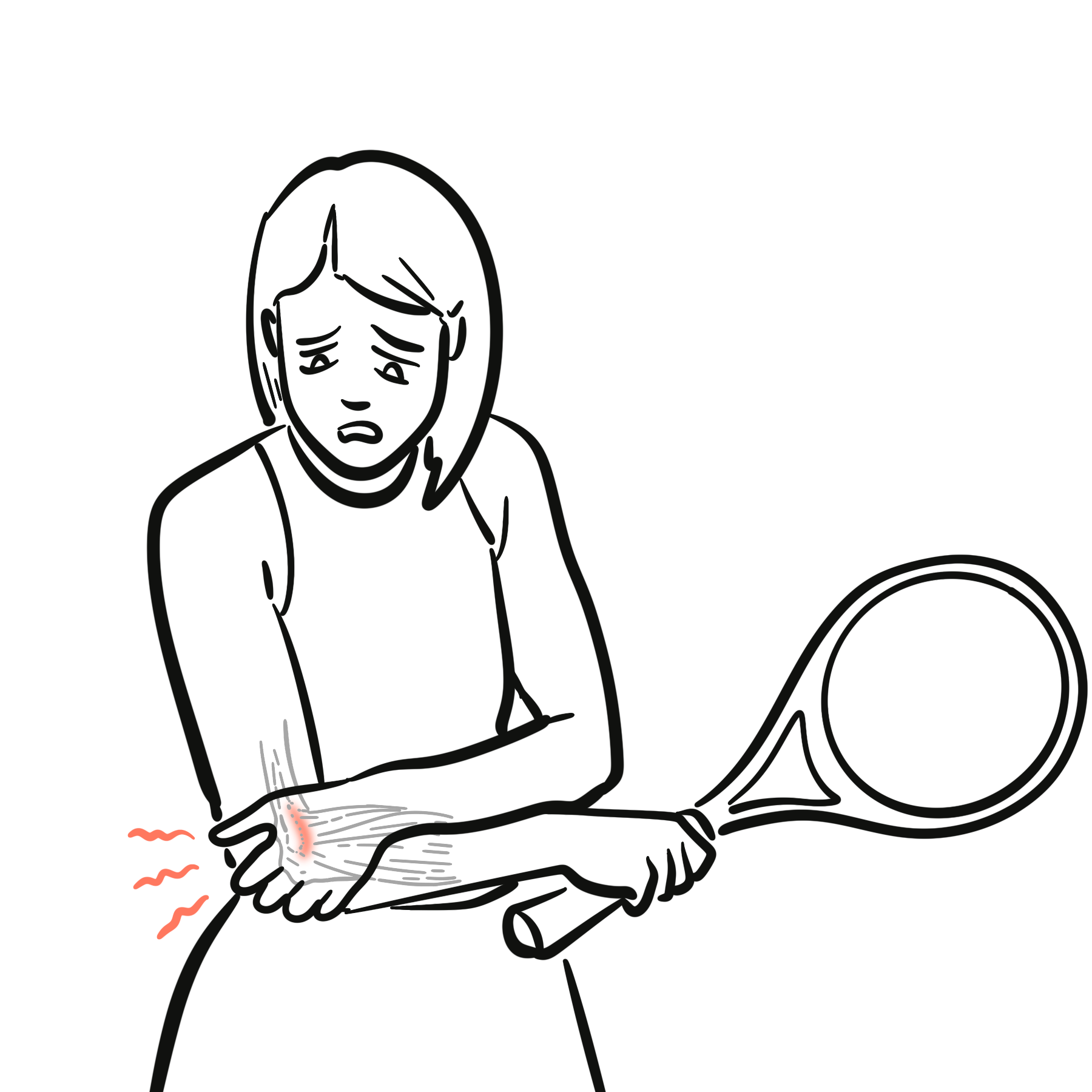
Lateral and Medial Elbow Tendinopathy (Epicondylitis)
Overview Medial and lateral elbow tendinopathies are common overuse injuries affecting the common flexor and extensor tendon origins at the elbow, respectively. Commonly known as Golfer's Elbow (medial) and Tennis Elbow (lateral), these conditions are primarily degenerative (tendinosis) rather than inflammatory (tendinitis), resulting from repetitive microtrauma and failed healing responses. Lateral Elbow Tendinopathy (Tennis Elbow…
View topic ↗Full resource library
Browse all topics ↗Choose how you learn
One idea. More than one way to see it.
Use the format that helps the topic click, then switch formats when you need to reinforce it.
01 / WATCH02 / READ03 / SEE04 / CHECK
Videos
Hand-drawn explanations that build the big picture as the concept unfolds.
Notes
Clear written explanations for review, reference and filling in the details.
Diagrams
Visual snapshots that help you easily review topics.
Questions
Test whether the explanation stayed with you—not just whether it looked familiar.
Good places to begin
Explanations learners return to.
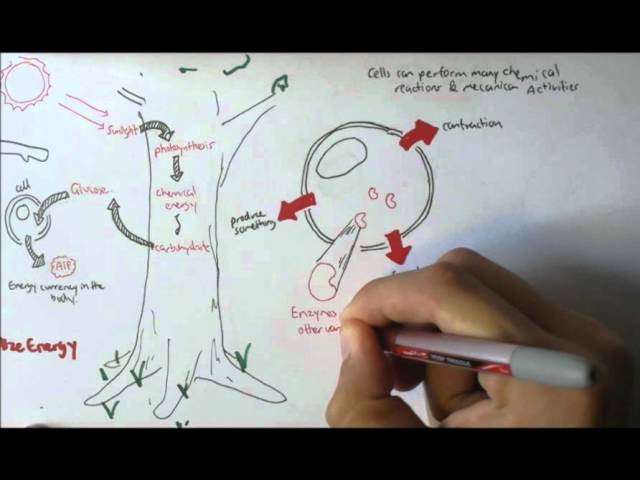
Cells Overview
Get an overview of cell structure and function, including organelles, membranes, and key cellular processes. Perfect for quick revision, this video breaks down complex concepts into simple, exam-focused explanations.
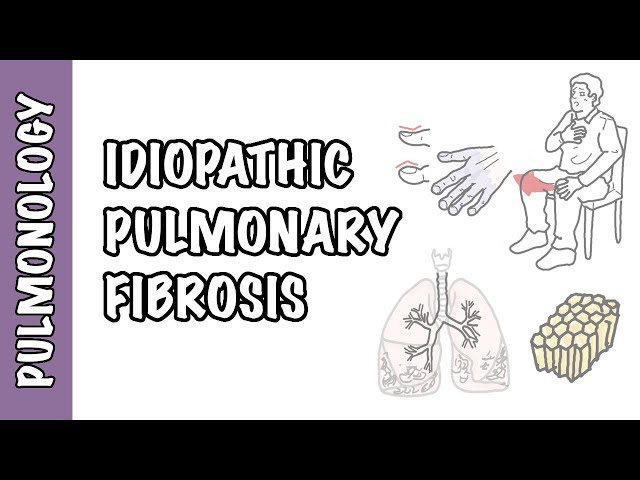
Idiopathic Pulmonary Fibrosis – pathophysiology, signs and symptoms, investigation and treatment
Learn about idiopathic pulmonary fibrosis, a chronic lung disease characterized by progressive scarring of the lung tissue. This video covers its pathophysiology, clinical presentation, diagnostic approach, and current treatment strategies aimed at slowing disease progression and managing symptoms.
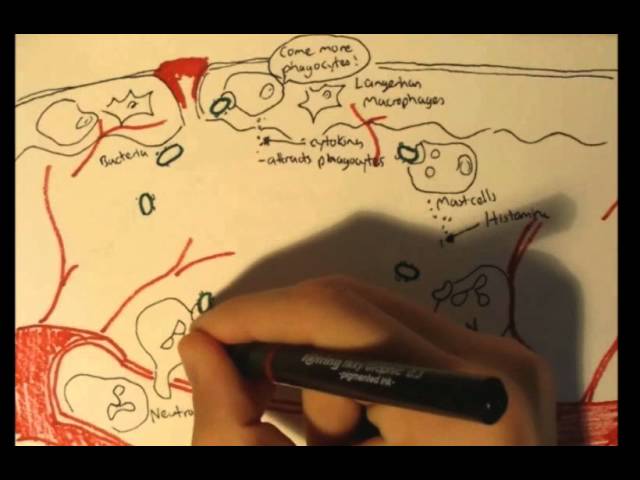
Immunology – Innate Immunity (Inflammatory Response)
Explore the Innate Immune System and Inflammatory Response in this immunology video, covering first-line defenses, key immune cells, and cytokine signaling. Learn how the body mounts a rapid response to infection—essential knowledge for exams and clinical foundations.
Our mission
Medical science is complex. Understanding it should feel possible.
Armando Hasudungan turns difficult medical science into clear visual explanations and connected learning experiences—so learners can see the whole picture, remember what matters and find a clearer way forward.
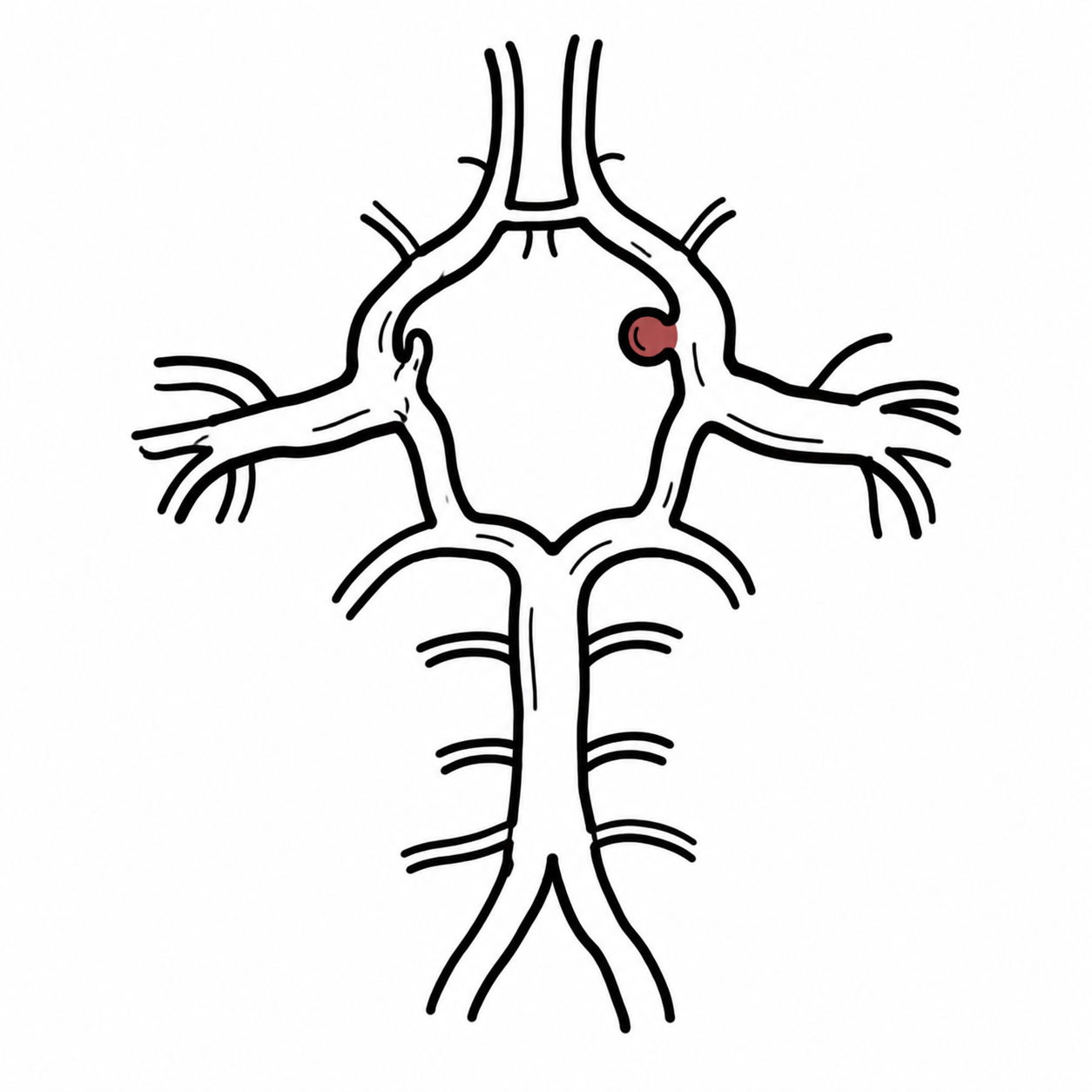
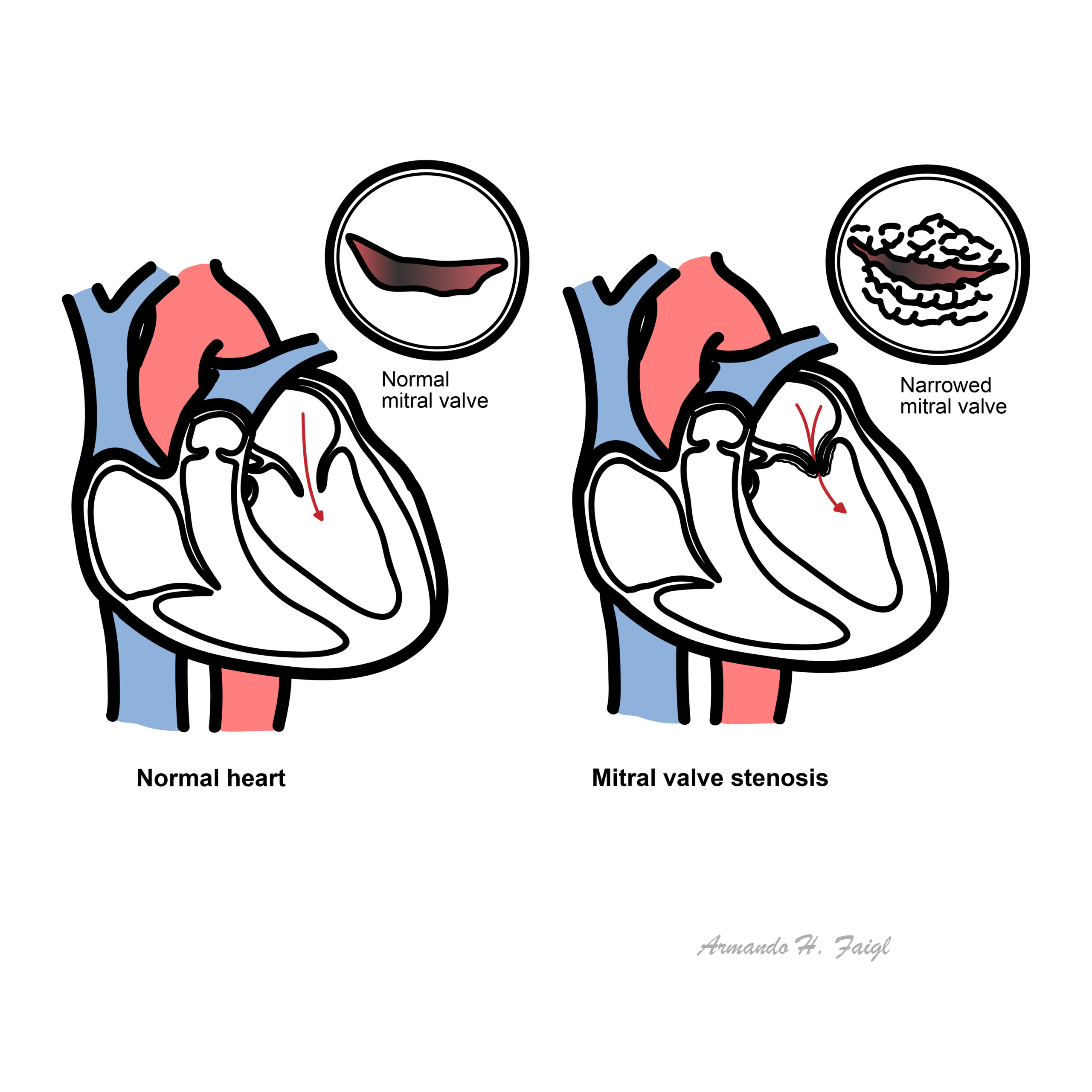
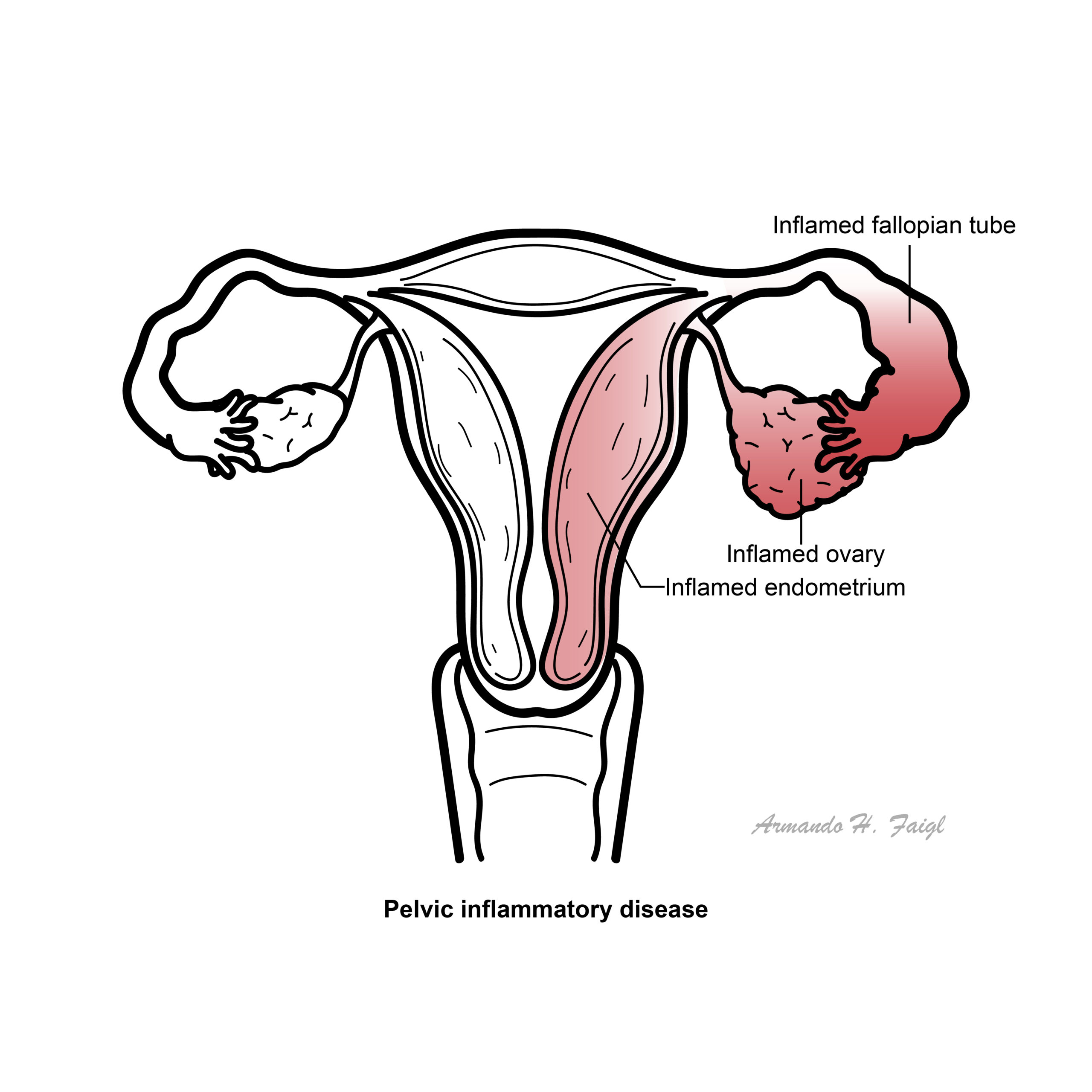
See it clearly
Turn abstract processes and invisible relationships into something the learner can picture.
Connect the pieces
Build understanding around how concepts fit together—not a pile of isolated facts.
Make it useful
Help learners move from explanation to recall, revision and the next logical step.
What clarity feels like
When the topic stops being a blur.
Learners do not come back because the subject became easy. They come back because the explanation gave them a picture they could work with.
“Armando's teaching style gives me the foundational knowledge.
Jessica Payne-Burnett
Medical Student, Charles Sturt University
“The notes I make during his videos help me retain everything better.
Ayesha RaiStudent, Islamabad Medical and Dental College
“The drawings are amazing and super easy to remember.
Reem Mohamed Khair Abdalrazig
Student, Neelain University
Coming soon: the AH study platform
The explanation is only the start.
The free library helps you find a clear explanation. The AH platform is being built to help you connect the resources, follow a clearer path and check what actually stuck.
- Watch in a focused, ad-free study environment.
- Move between connected videos, notes, diagrams and questions.
- Know what belongs next instead of rebuilding the study path yourself.
- Test your understanding while the topic is still fresh.
New and worth a look
Keep building the picture.

Cervical Radiculopathy
Overview Cervical radiculopathy is dysfunction of a cervical nerve root caused by irritation or compression as it leaves the spine. It commonly produces pain radiating from the neck into one arm, sometimes with paraesthesia, numbness, weakness or altered reflexes. A disc herniation or degenerative narrowing of the neural foramen is a common cause. Diagnosis is…
View this topic ↗About Visualising Medicine
Good education does not remove complexity. It makes complexity feel simple.
Visualising Medicine is the team behind Armando Hasudungan. We bring together medicine, illustration, writing and technology to make difficult ideas clearer—and build better ways for learners to use them.