

Basic Calcium Phosphate Disease / Milwaukee Shoulder Syndrome
Overview
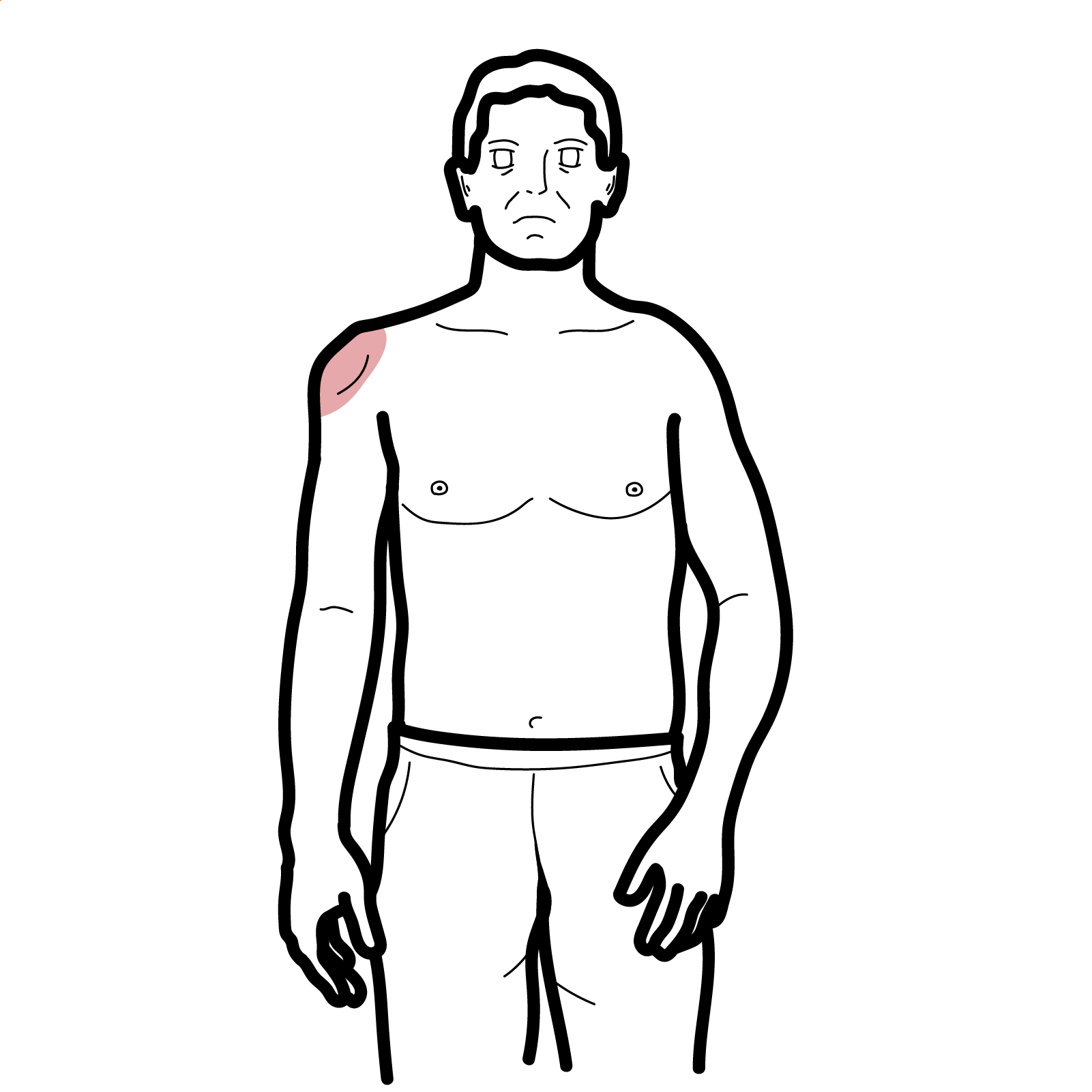
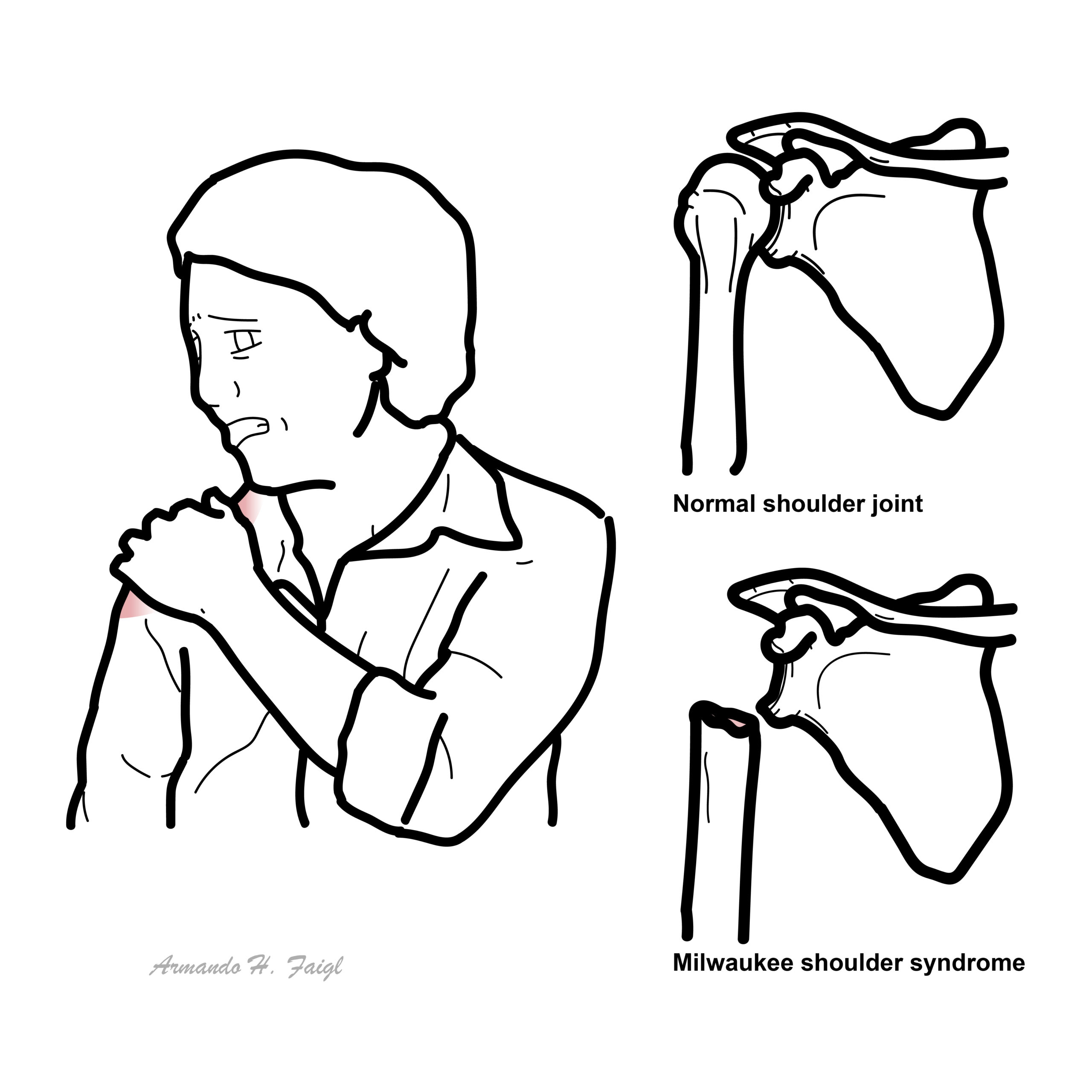
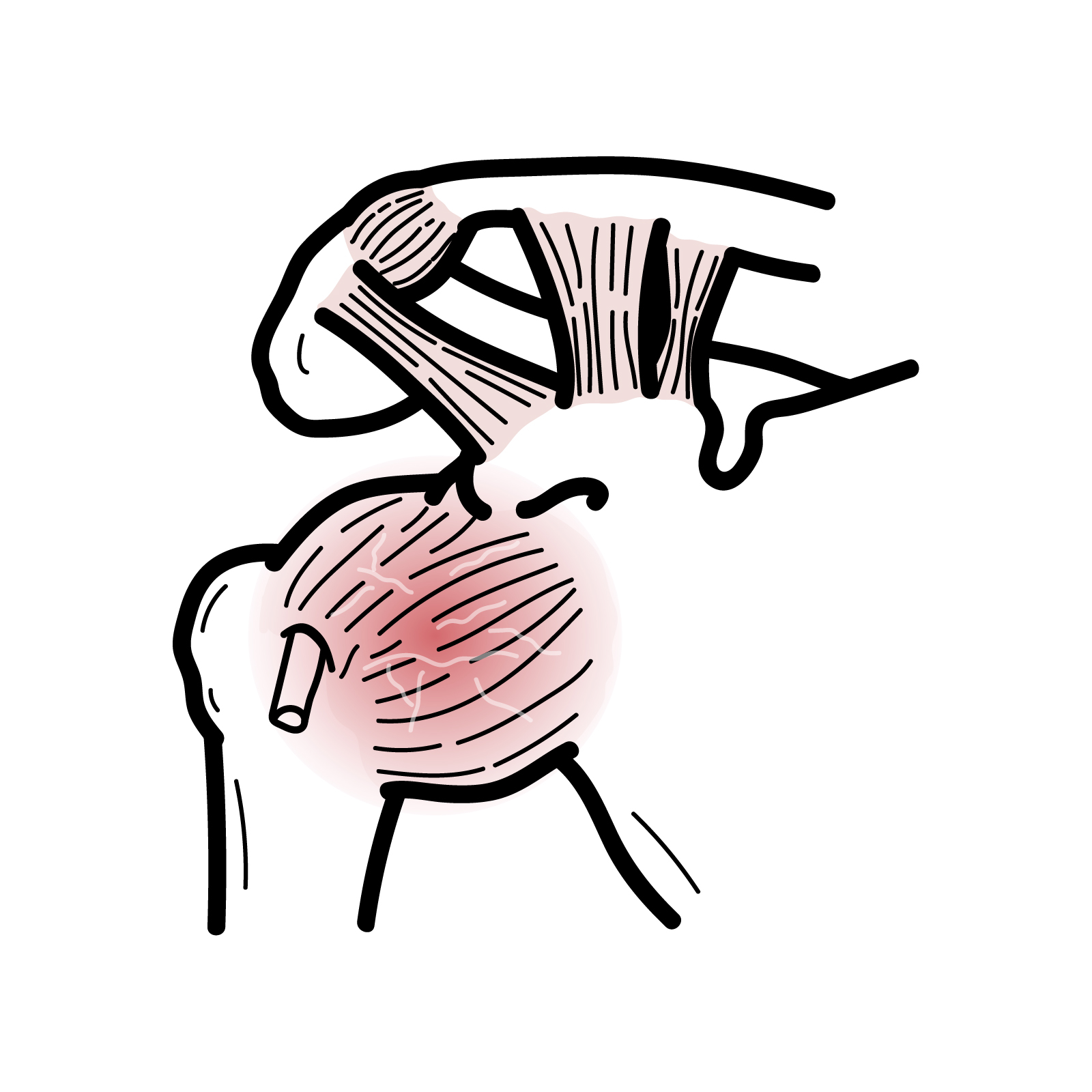
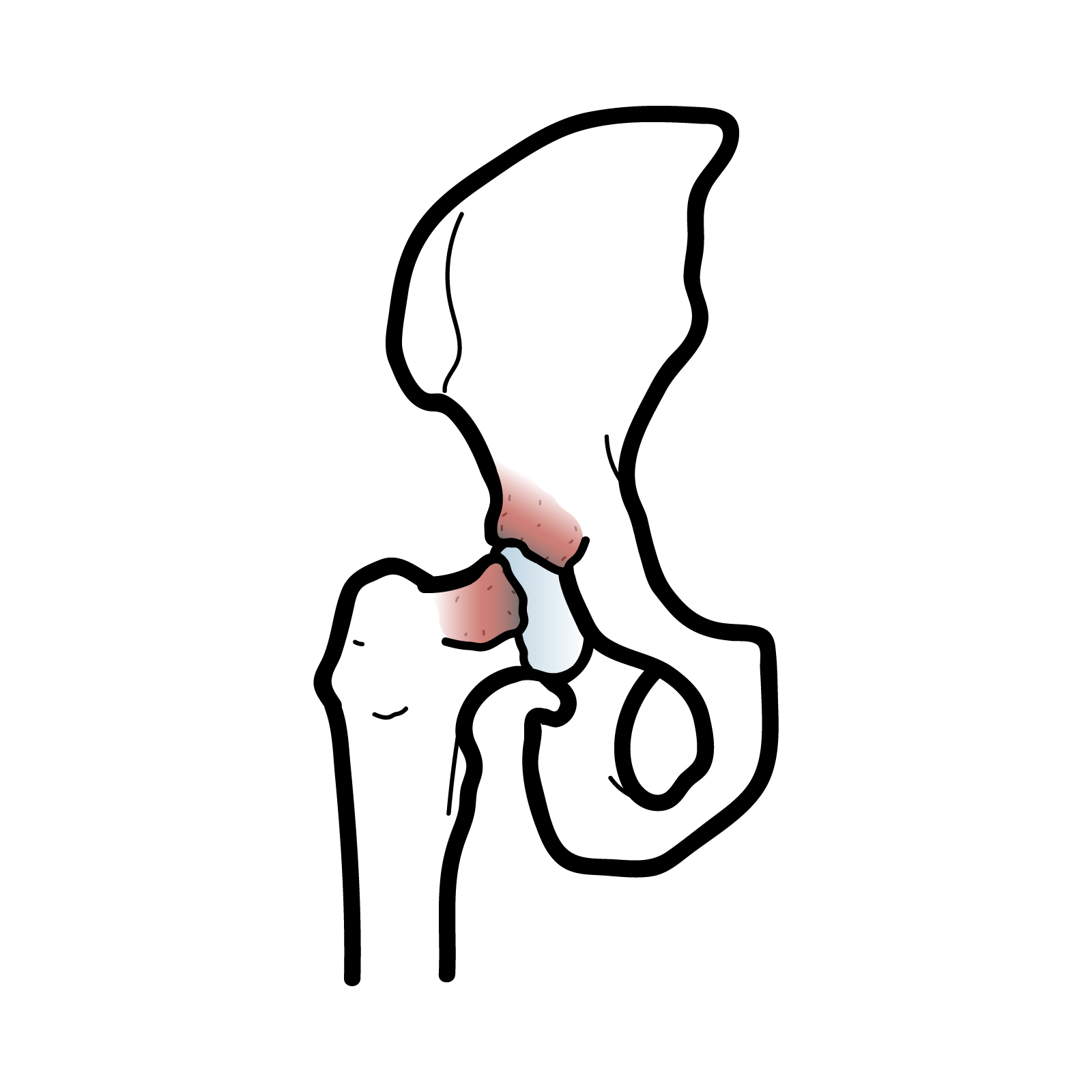
Basic Calcium Phosphate (BCP) disease is a crystal-associated arthropathy characterized by deposition of BCP crystals in periarticular and intra-articular tissues. A severe clinical presentation of BCP disease is Milwaukee Shoulder Syndrome, which typically affects elderly women, leading to rapid joint destruction, massive rotator cuff tears, and non-inflammatory joint effusion. It often involves the shoulder, but other joints like the hip and knee may be affected.
Definition
BCP Crystals: Includes hydroxyapatite, octacalcium phosphate, and tricalcium phosphate; not birefringent and very small.
Milwaukee Shoulder Syndrome (MSS): Rapidly destructive shoulder arthropathy due to BCP crystals, classically in elderly women.
Rotator Cuff Tear Arthropathy: Shoulder joint destruction secondary to long-standing rotator cuff tear, often seen in MSS.
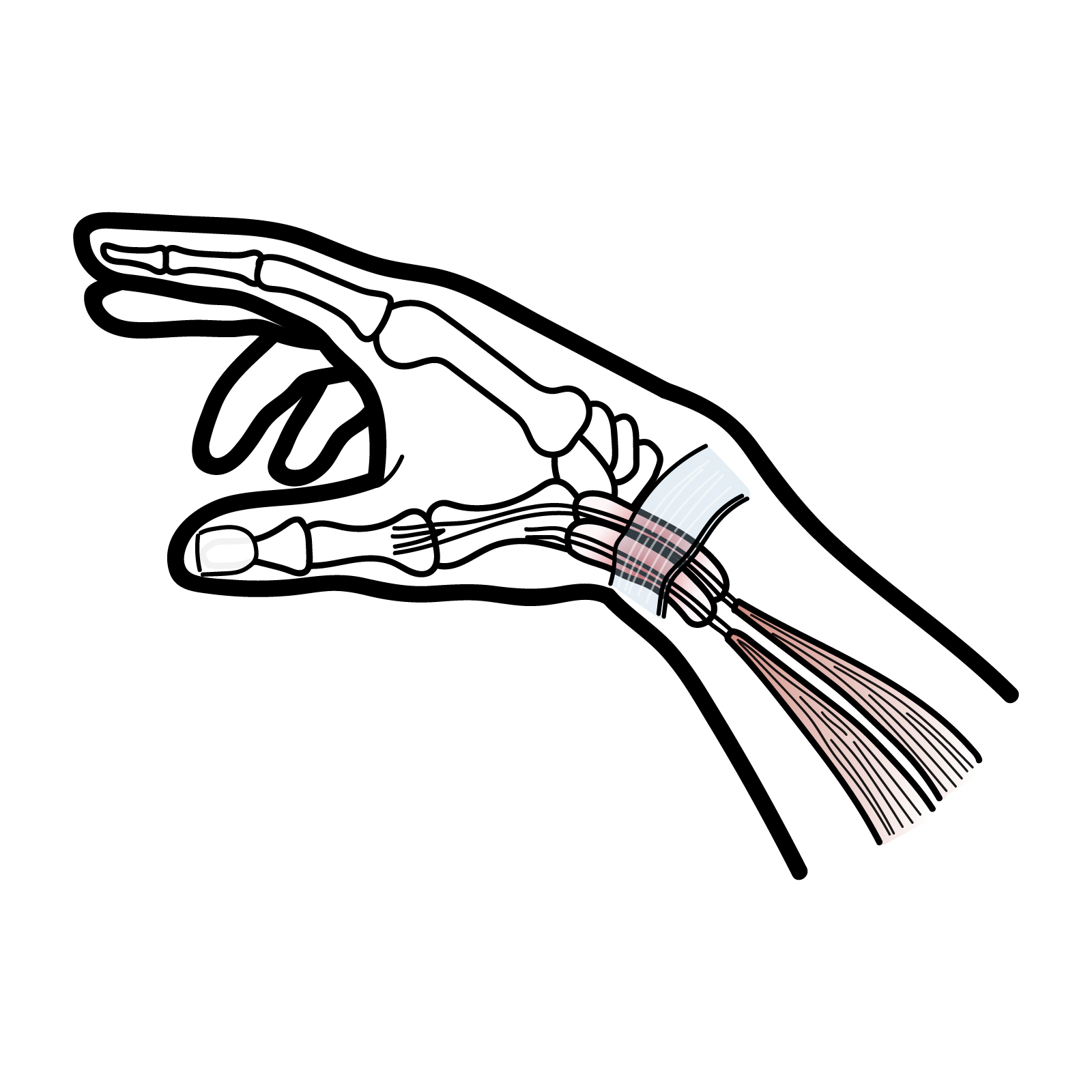
Hydroxyapatite Deposition Disease (HADD): Disease resulting from abnormal deposition of HA crystals in tendons or bursae, leading to pain and inflammation
Calcific tendinitis: Clinical term describing symptomatic HADD, often in the shoulder.
What to notice
Detailed image description
Anatomy & Physiology
- Shoulder Joint (Glenohumeral): Ball-and-socket joint stabilized by the rotator cuff tendons and labrum
- Rotator Cuff (SITS): Supraspinatus, Infraspinatus, Teres minor, Subscapularis — commonly disrupted in MSS.
- BCP crystals deposit in periarticular soft tissues, tendons, and joint cartilage, triggering matrix degradation and joint destruction.
Aetiology & Risk Factors
Aetiology
- Abnormal crystal formation and deposition due to joint aging, cartilage degeneration, or microtrauma
- Enzymatic activity (e.g. collagenase, MMPs) leads to structural breakdown
- Age > 70
- Female sex
- Long-standing rotator cuff tear
- Osteoarthritis
- History of joint trauma or surgery
- Crystal arthropathies (e.g. CPPD, gout)
Milwaukee Shoulder Syndrome = Elderly woman + shoulder swelling + rotator cuff tear + non-inflammatory fluid.
Pathophysiology
- BCP crystals form in joint or periarticular tissues due to altered phosphate metabolism or cartilage damage.
- Crystals stimulate macrophages and fibroblasts to release degradative enzymes (e.g. collagenase, elastase).
- Results in:
- Rotator cuff rupture
- Joint instability
- Joint space narrowing and erosions
- Massive joint effusion with low cellularity
- Crystals are too small for polarised microscopy, making diagnosis challenging.
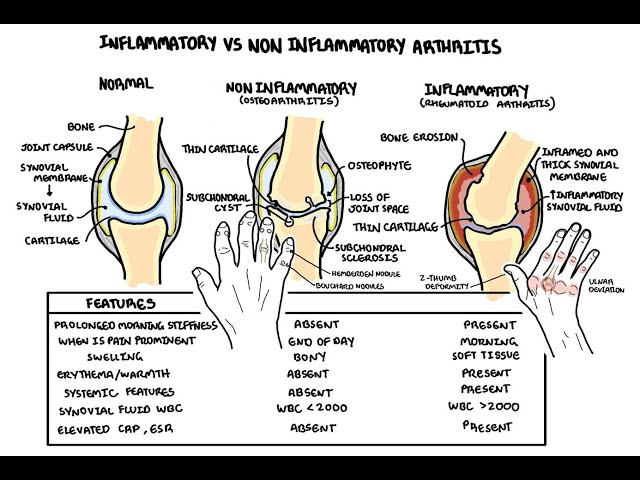
Unlike gout/pseudogout, BCP crystals do not cause overt inflammation, but cause chronic degeneration.
Clinical Manifestations
Milwaukee Shoulder Syndrome (classic presentation)
- Elderly woman with painless or mildly painful swelling of shoulder
- Large non-inflammatory effusion
- Marked shoulder instability and crepitus
- Loss of active motion (due to rotator cuff tear), preserved passive motion
- Pain and loss of function as destruction occurs of joint
Other features
- Recurrent joint effusions
- Affects shoulder > hip > knee
- May resemble neuropathic (Charcot) joint
Triad Milwaukee Shoulder Syndrome: Elderly lady + rotator cuff tear + painless massive effusion
Diagnosis
No formal criteria; diagnosis is clinical + imaging + synovial fluid + exclusion of other causes
- Large-volume effusion, low WBC count (<2000/mm³)
- No crystals seen on polarised light
- Can use alizarin red staining to identify calcium-containing crystals
- Electron microscopy or X-ray diffraction can identify BCP (rarely used clinically)
Imaging
- X-ray
- Superior migration of the humeral head
- Severe humeral head and glenoid destruction
- Soft‑tissue calcifications and joint space narrowing
- Intra‑articular loose bodies and periarticular osteopenia
- MRI
- Massive rotator cuff tear – especially supraspinatus and infraspinatus, often with tendon retraction
- Superior migration of humeral head
- Large joint effusion
- Articular cartilage loss and bony erosions – destructive arthropathy of humeral head and glenoid
- Minimal synovial thickening
- Ultrasound
- May show calcification and effusion
Always aspirate and analyze synovial fluid in an elderly patient with large shoulder effusion before assuming OA or RA.
Fluid is non-inflammatory yet damaging — unlike gout or septic arthritis.
Crystal Arthropathy Clinical Comparison Table
| Feature | Gout | Pseudogout (CPPD) | BCP / Milwaukee Shoulder | HADD (Hydroxyapatite) |
| Typical Age | 30–50 (M > F) | >60 | >70 (F > M) | 30–60 (F > M) |
| Crystal Type & Shape | Monosodium urate, needle | Calcium pyrophosphate, rhomboid | BCP (hydroxyapatite), amorphous | Hydroxyapatite, amorphous |
| Birefringence | Strongly negative | Weakly positive | None | None |
| Common Joint Involved | 1st MTP, midfoot, ankle | Knee, wrist | Shoulder (glenohumeral joint) | Shoulder (supraspinatus tendon) |
| Synovial Fluid WBC | High (2,000–50,000+) | Moderate (2,000–50,000) | Low (<2,000), non-inflammatory | Normal to mildly elevated |
Treatment
Conservative (mainstay)
- Joint aspiration (for symptomatic relief)
- NSAIDs (for mild pain)
- Physiotherapy (passive ROM to prevent contractures)
- Intra-articular corticosteroids (if inflammation suspected)
Surgical (if severe)
- Reverse total shoulder arthroplasty in cases of joint collapse or significant dysfunction
- Rotator cuff repair rarely indicated due to chronicity
Complications & Prognosis
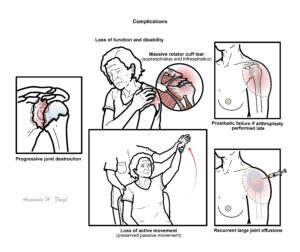
- Progressive joint destruction
- Loss of function and disability
- Recurrent large joint effusions
- Prosthetic failure if arthroplasty performed late
- Prognosis poor without early supportive management
- Disease is not systemically inflammatory, but causes major mechanical disability
References
- Dieppe PA, Swan A. Identification of calcium crystal deposition diseases. Best Pract Res Clin Rheumatol. 2005;19(6):983–1000.
- Halverson PB, et al. Milwaukee shoulder syndrome: clinical and laboratory findings in 38 patients. Arthritis Rheum. 1986;29(5):567–574.
- Tanimoto K, et al. Milwaukee shoulder syndrome: destructive shoulder arthropathy associated with apatite crystals. Mod Rheumatol. 2006;16(2):86–92.
- Oliviero F, et al. Basic calcium phosphate crystals in osteoarthritis: morphology, localization and association with clinical parameters. Clin Exp Rheumatol. 2008;26(3):410–416.
- McCarty DJ, et al. BCP crystal-associated arthritis: pathogenesis and management. Curr Rheumatol Rep. 2003;5(3):221–227.


Members only discussions coming soon…