

Visual explanationFree resource
Visual medical education by Armando Hasudungan
Medical science, drawn into focus.
Explore visual explanations that reveal how the facts, processes and clinical patterns fit together—then discover the coming AH study platform, built to guide what you study next and check what stuck.
Connected studyComing soon
Clear visual explanations used by medical and allied-health learners around the world.
Explore the free library
Start with the topic in front of you.
Browse by subject or jump straight into the explanation you need. No account required.
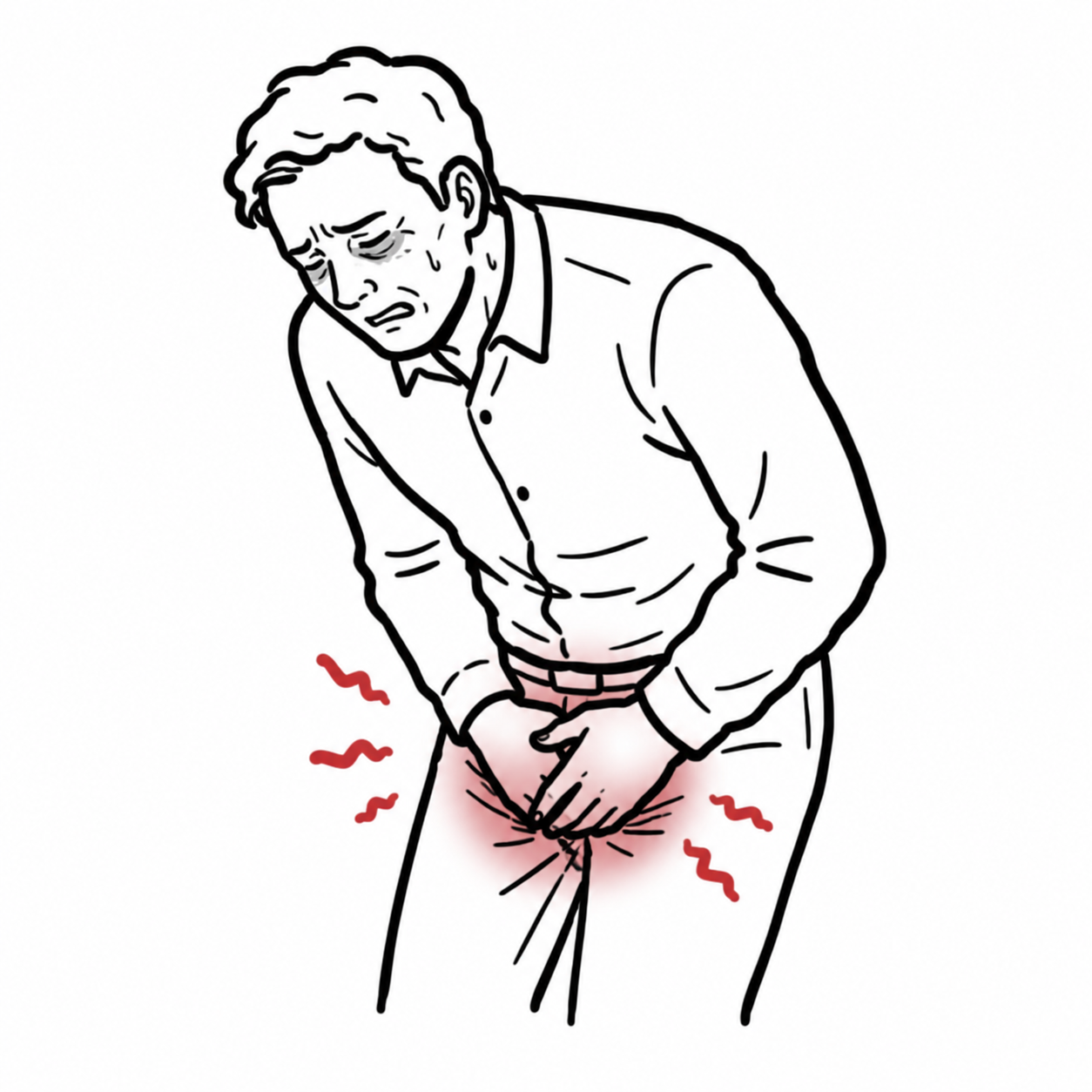
Testicular Torsion
Overview Testicular torsion is a urological emergency caused by twisting of the spermatic cord, leading to acute interruption of blood flow to the testis and rapid ischemia. It most commonly occurs in adolescents (peak 12–18 years) but can occur at any age, including neonates. The incidence is approximately 1 in 4,000 males under 25 years. Early…
View topic ↗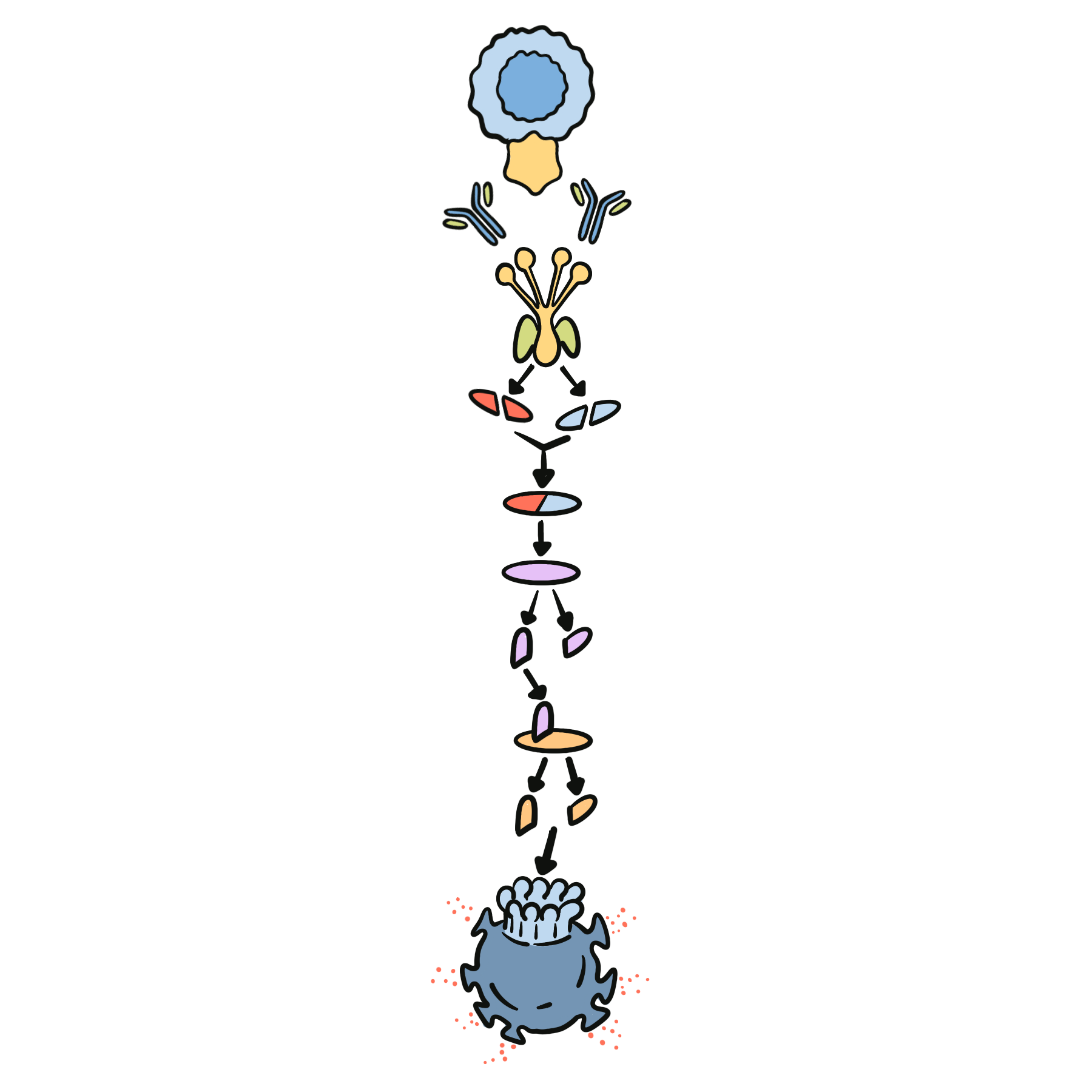
Complement Deficiencies
Overview Complement deficiencies are rare primary immunodeficiencies resulting from inherited absence or dysfunction of complement proteins, regulators, or receptors. They predispose to recurrent bacterial infections, autoimmune disease (particularly systemic lupus erythematosus–like syndromes), and in some cases angioedema. Complement proteins play a central role in innate immunity by opsonisation, chemotaxis, and direct lysis of pathogens via…
View topic ↗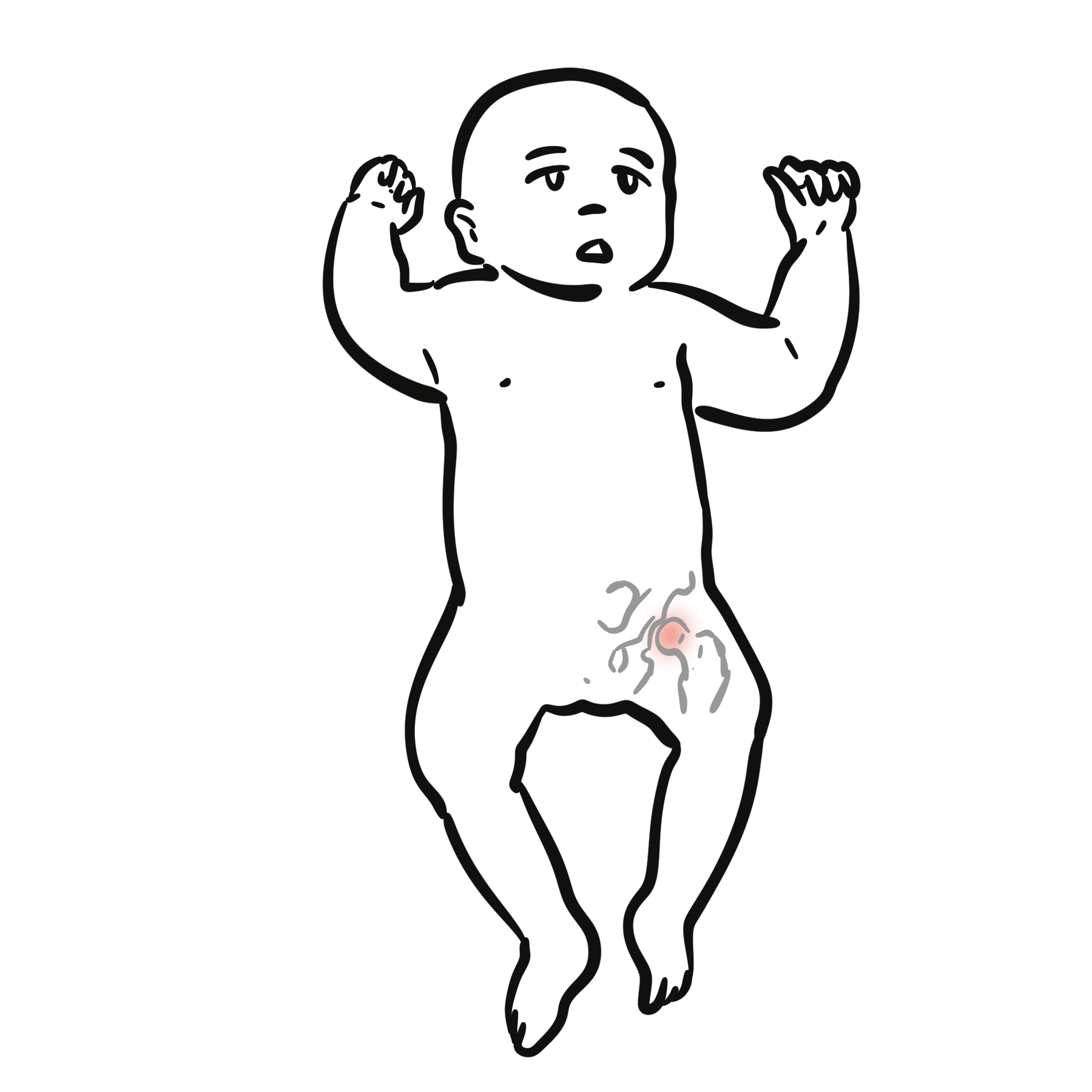
Developmental Hip Dysplasia
Overview Developmental Dyplasia of the hip (DDH) is previously known as congenital dislocation of the hip (however name changed as some of the hip problems develop after birth). Spectrum of condition related to development of the hip in infants and young children. Includes abnormal development of the acetabulum and proximal femur + mechanical instability of the hip joint. Usually involves…
View topic ↗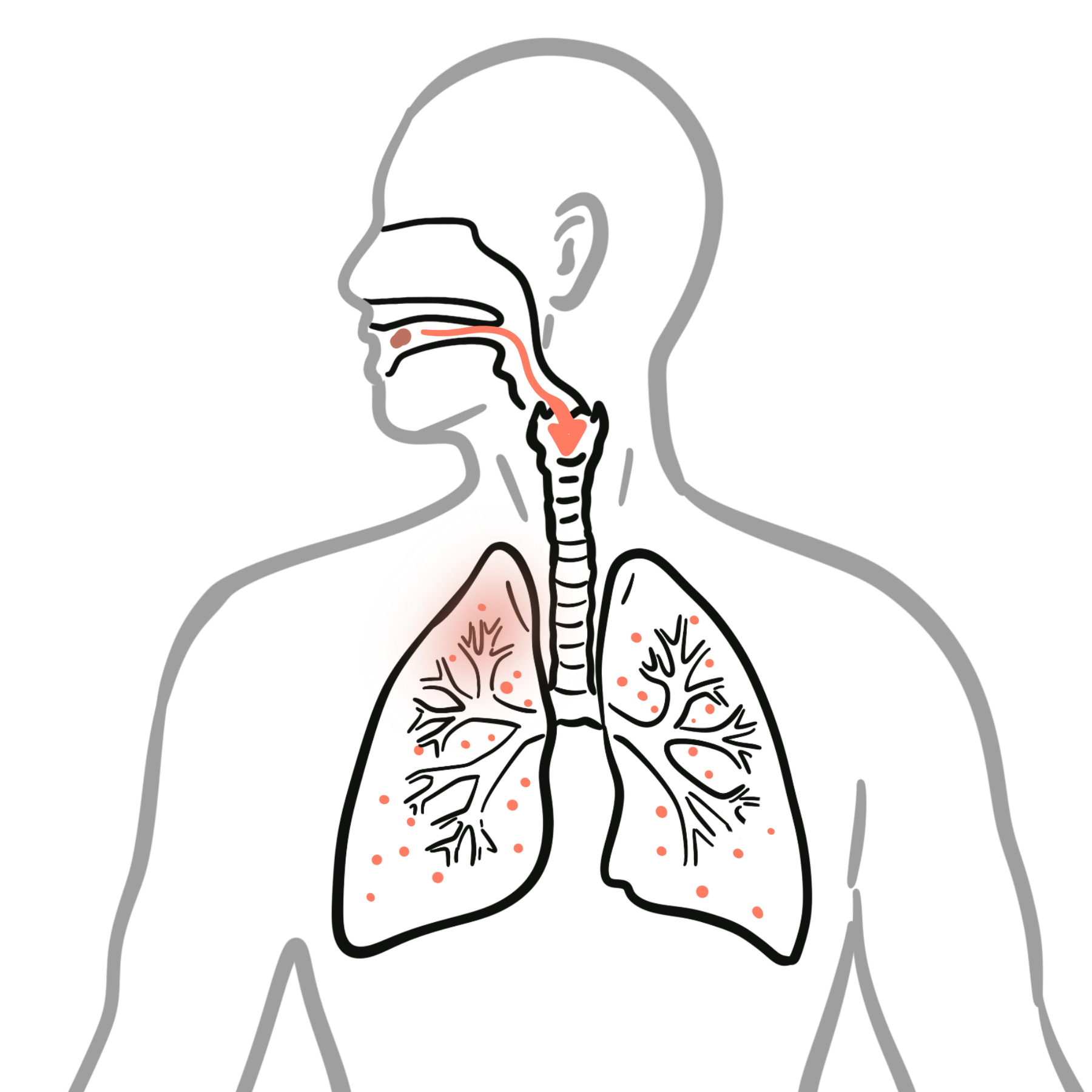
Aspiration Pneumonia
Overview Aspiration pneumonia is an acute pulmonary infection caused by inhalation of bacteria-rich oropharyngeal or upper gastrointestinal material into the lower respiratory tract. It occurs when aspiration is combined with impaired airway protection, ineffective clearance and sufficient pathogenic bacterial burden. It is particularly important in older adults, people with neurological disease, frailty, dysphagia or reduced…
View topic ↗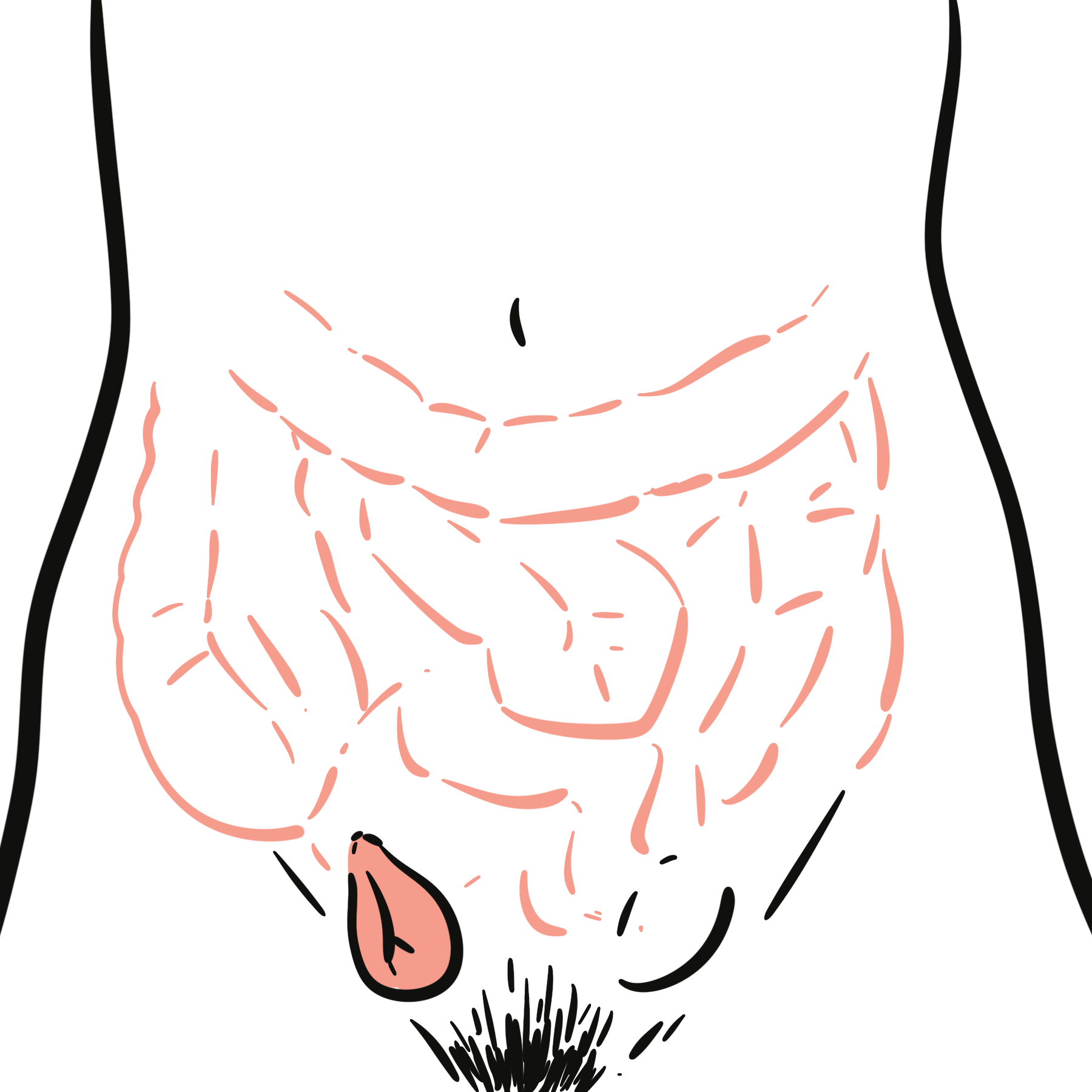
Inguinal Hernia
Overview Higher incidence among men 40 to 59 years of age. Although there are many different types of hernias, they are usually related to the abdomen, with approximately 75% of all hernias occurring in the inguinal region. Hernia contains omentum (90% of cases) or intestine (10% of cases). Inguinal hernias are at risk of irreducibility or incarceration, which…
View topic ↗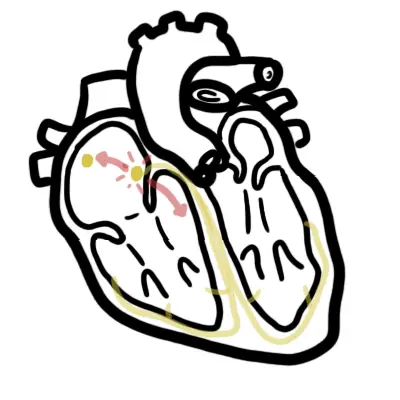
Junctional Arrythmias
Overview Junctional rhythms occur when the AV node takes over as the primary pacemaker. Junctional rhythm usually is associated with a benign course. Mechanism SA node has failed AV node just wants to be faster and takes over Enhanced automaticity in AV nodal cells AVNRT – Seperate condition where a re-entry loop stimulates the AV node…
View topic ↗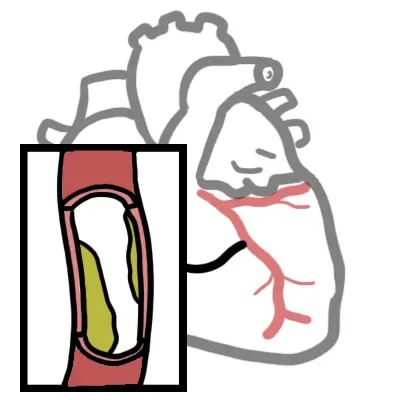
Hypercholesterolaemia
Overview Higher levels of cholesterol associated with worse CV outcomes. Three main types that are measured: VLDL, LDL and HDL. High LDL is associated with a significant increase in cardiovascular problems. Hypercholesterolaemia can also run in families. Lifestyle modification aim to reduce cardiovascular risk. Pharmacological agents are lipid lowering drugs, statins being first-line. Lipid Physiology…
View topic ↗Full resource library
Browse all topics ↗Choose how you learn
One idea. More than one way to see it.
Use the format that helps the topic click, then switch formats when you need to reinforce it.
01 / WATCH02 / READ03 / SEE04 / CHECK
Videos
Hand-drawn explanations that build the big picture as the concept unfolds.
Notes
Clear written explanations for review, reference and filling in the details.
Diagrams
Visual snapshots that help you easily review topics.
Questions
Test whether the explanation stayed with you—not just whether it looked familiar.
Good places to begin
Explanations learners return to.
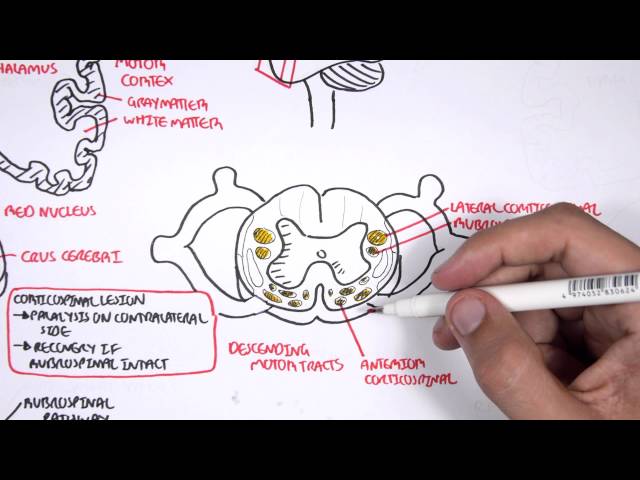
Neurology – Motor Pathways
Explore the major motor pathways in neurology, including the corticospinal and extrapyramidal tracts, and their roles in voluntary movement. This video simplifies complex neuroanatomy to help you understand motor control and related clinical syndromes.
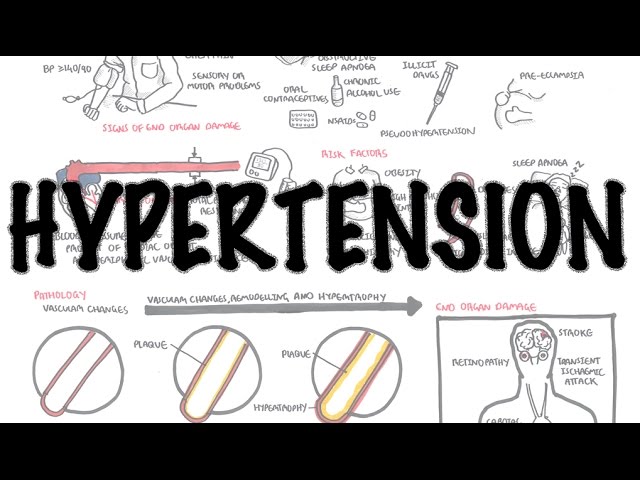
Hypertension – Overview (causes, pathophysiology, investigations, treatment
Learn the essentials of hypertension, including its common causes, underlying pathophysiology, and how it's diagnosed and treated. This video provides a comprehensive overview of blood pressure regulation, risk factors, and evidence-based management strategies.
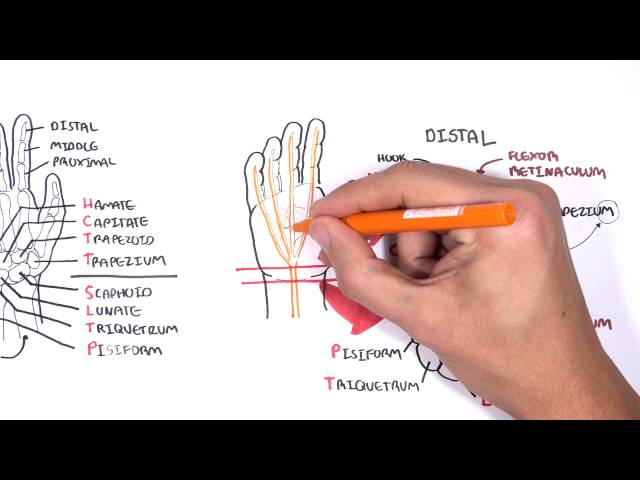
Clinical Anatomy – Hand, Wrist (palmar aspect/flexors)
Learn the detailed clinical anatomy of the hand and wrist, focusing on the palmar aspect, flexor tendons, and neurovascular structures. This video provides essential insights for understanding injuries, surgical landmarks, and hand function.
Our mission
Medical science is complex. Understanding it should feel possible.
Armando Hasudungan turns difficult medical science into clear visual explanations and connected learning experiences—so learners can see the whole picture, remember what matters and find a clearer way forward.
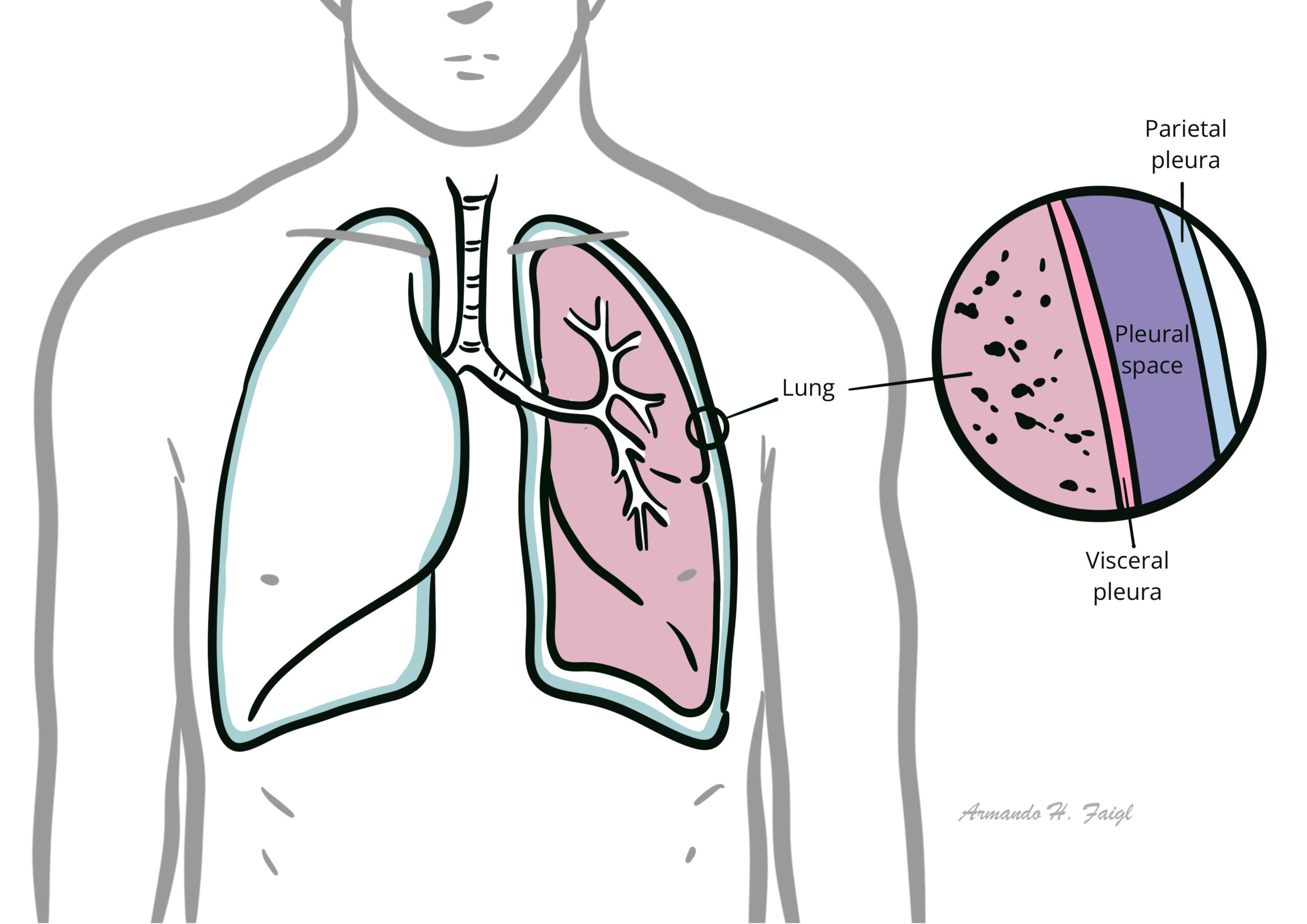
See it clearly
Turn abstract processes and invisible relationships into something the learner can picture.
Connect the pieces
Build understanding around how concepts fit together—not a pile of isolated facts.
Make it useful
Help learners move from explanation to recall, revision and the next logical step.
What clarity feels like
When the topic stops being a blur.
Learners do not come back because the subject became easy. They come back because the explanation gave them a picture they could work with.
“Armando's teaching style gives me the foundational knowledge.
Jessica Payne-Burnett
Medical Student, Charles Sturt University
“The notes I make during his videos help me retain everything better.
Ayesha RaiStudent, Islamabad Medical and Dental College
“The drawings are amazing and super easy to remember.
Reem Mohamed Khair Abdalrazig
Student, Neelain University
Coming soon: the AH study platform
The explanation is only the start.
The free library helps you find a clear explanation. The AH platform is being built to help you connect the resources, follow a clearer path and check what actually stuck.
- Watch in a focused, ad-free study environment.
- Move between connected videos, notes, diagrams and questions.
- Know what belongs next instead of rebuilding the study path yourself.
- Test your understanding while the topic is still fresh.
New and worth a look
Keep building the picture.

Cervical Radiculopathy
Overview Cervical radiculopathy is dysfunction of a cervical nerve root caused by irritation or compression as it leaves the spine. It commonly produces pain radiating from the neck into one arm, sometimes with paraesthesia, numbness, weakness or altered reflexes. A disc herniation or degenerative narrowing of the neural foramen is a common cause. Diagnosis is…
View this topic ↗About Visualising Medicine
Good education does not remove complexity. It makes complexity feel simple.
Visualising Medicine is the team behind Armando Hasudungan. We bring together medicine, illustration, writing and technology to make difficult ideas clearer—and build better ways for learners to use them.