

Visual explanationFree resource
Visual medical education by Armando Hasudungan
Medical science, drawn into focus.
Explore visual explanations that reveal how the facts, processes and clinical patterns fit together—then discover the coming AH study platform, built to guide what you study next and check what stuck.
Connected studyComing soon
Clear visual explanations used by medical and allied-health learners around the world.
Explore the free library
Start with the topic in front of you.
Browse by subject or jump straight into the explanation you need. No account required.
Renal Cell Carcinoma
Overview Renal cell carcinomas (originate within the renal cortex) are responsible for 85% of all primary renal neoplasms. Transitional cell carcinomas of the renal pelvis are the next most common (~8%). Renal medullary carcinoma is a rare form of RCC seen in sickle cell disease. The most common pathological type of renal cell carcinoma is clear cell…
View topic ↗Lambert-Eaton Myasthenic Syndrome
Overview Lambert–Eaton myasthenic syndrome (LEMS) is a rare autoimmune disorder of the presynaptic neuromuscular junction. It causes impaired acetylcholine release, producing the characteristic triad of proximal muscle weakness, reduced reflexes and autonomic dysfunction. LEMS may occur as a paraneoplastic syndrome—most commonly associated with small-cell lung cancer (SCLC)—or as a non-tumour-associated autoimmune disorder. Neuromuscular junction: connection…
View topic ↗Schizophrenia
Overview Schizophrenia is a complex syndrome often presenting in late teens/early 20s with positive, negative and cognitive symptoms. Positive symptoms include behaviours and thoughts that are not normally present (psychosis). Negative symptoms include social withdrawal and affective flattening. Finally, cognitive symptoms are expressed as a broad set of cognitive dysfunction. The average lifetime prevalence of…
View topic ↗Menopause
Overview The menopause means the final menstrual period – diagnosed retrospectively after one year of amenorrhoea. Cessation occurs due to loss of ovarian function. The “declining oocyte pool” theory states that a newborn girl is born with millions of eggs, most of which die by atresia. The average age of menopause is 50, however this can vary…
View topic ↗Cervical Cancer
Overview Cervical cancer is an HPV-related malignancy of the uterine cervical mucosa. Most cervical tumours contain HPV DNA (99.7%) . There are many variants of HPV, HPV-16 and 18 are the 2 most common high-risk types. Cervical cancer is proceeded by an idenifiable precursor lesion (cervical intraepithelial neoplasia (CIN1)) that may progress to invasive cancer. CIN can…
View topic ↗Henoch-Schönlein purpura (Spring Fever)
Overview Henoch Schonlein Purpura is a IgA vasculitis characterised by the Tetrad: palpable purpuric petechial rash, abdominal pain, kidney involvement and arthralgia. Aetiology is unknown but thought to have a genetic predisposition. Clinical Manifestation Henoch Schonlein Purpura Tetrad Palpable purpuric petechial rash, abdominal pain, kidney involvement and arthralgia. Recent mucosal infection (respiratory or gastrointestinal) Rash…
View topic ↗Urinary Incontinence
Overview Urinary incontinence is an important condition because it causes significant distress. Approximately 15% of the general female adult population have a significant problem with urinary incontinence. Urinary incontinence: Defined as the condition in which there is invontary loss of urine, which can be objectively demonstrated and which is a social or hygienic problem. Stress…
View topic ↗Full resource library
Browse all topics ↗Choose how you learn
One idea. More than one way to see it.
Use the format that helps the topic click, then switch formats when you need to reinforce it.
01 / WATCH02 / READ03 / SEE04 / CHECK
Videos
Hand-drawn explanations that build the big picture as the concept unfolds.
Notes
Clear written explanations for review, reference and filling in the details.
Diagrams
Visual snapshots that help you easily review topics.
Questions
Test whether the explanation stayed with you—not just whether it looked familiar.
Good places to begin
Explanations learners return to.
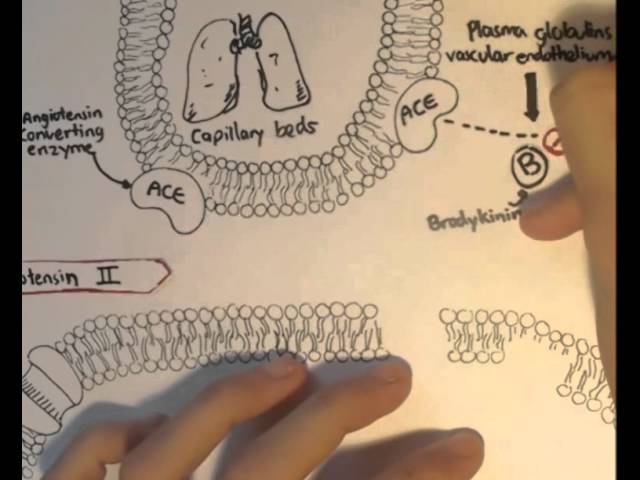
Renin-Angiotensin System (Structure, Chymase)
Describes how Angiotensinogen converts to Angiotensin I then II. And looks at what gets cleaved off the structure of these polypeptide chains. It also talks about chymase and how it functions as an converting enzyme.
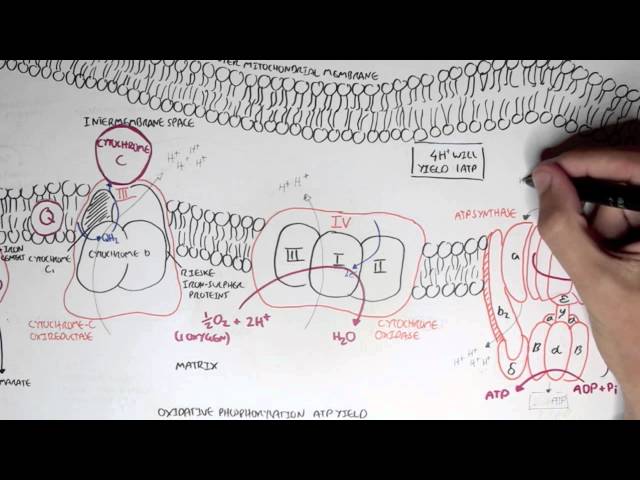
Part II – Oxidative Phosphorylation, Electron Transport Chain
Dive into oxidative phosphorylation and the electron transport chain to understand how cells generate ATP through mitochondrial processes. This video explains the key steps, molecules, and energy conversions involved in the final stage of cellular respiration.
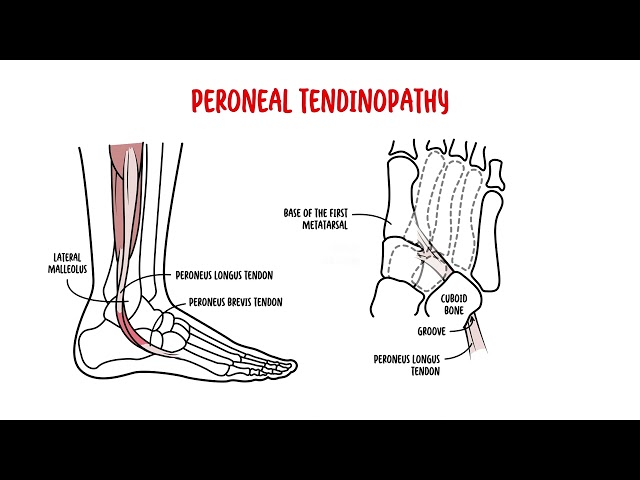
Lateral Ankle Pain
Learn about the common causes of lateral ankle pain, such as ligament sprains, peroneal tendon injuries, and chronic ankle instability. This video covers the relevant anatomy, symptoms, and key strategies for diagnosis, management, and recovery.
Our mission
Medical science is complex. Understanding it should feel possible.
Armando Hasudungan turns difficult medical science into clear visual explanations and connected learning experiences—so learners can see the whole picture, remember what matters and find a clearer way forward.
See it clearly
Turn abstract processes and invisible relationships into something the learner can picture.
Connect the pieces
Build understanding around how concepts fit together—not a pile of isolated facts.
Make it useful
Help learners move from explanation to recall, revision and the next logical step.
What clarity feels like
When the topic stops being a blur.
Learners do not come back because the subject became easy. They come back because the explanation gave them a picture they could work with.
“Armando's teaching style gives me the foundational knowledge.
Jessica Payne-Burnett
Medical Student, Charles Sturt University
“The notes I make during his videos help me retain everything better.
Ayesha RaiStudent, Islamabad Medical and Dental College
“The drawings are amazing and super easy to remember.
Reem Mohamed Khair Abdalrazig
Student, Neelain University
Coming soon: the AH study platform
The explanation is only the start.
The free library helps you find a clear explanation. The AH platform is being built to help you connect the resources, follow a clearer path and check what actually stuck.
- Watch in a focused, ad-free study environment.
- Move between connected videos, notes, diagrams and questions.
- Know what belongs next instead of rebuilding the study path yourself.
- Test your understanding while the topic is still fresh.
New and worth a look
Keep building the picture.
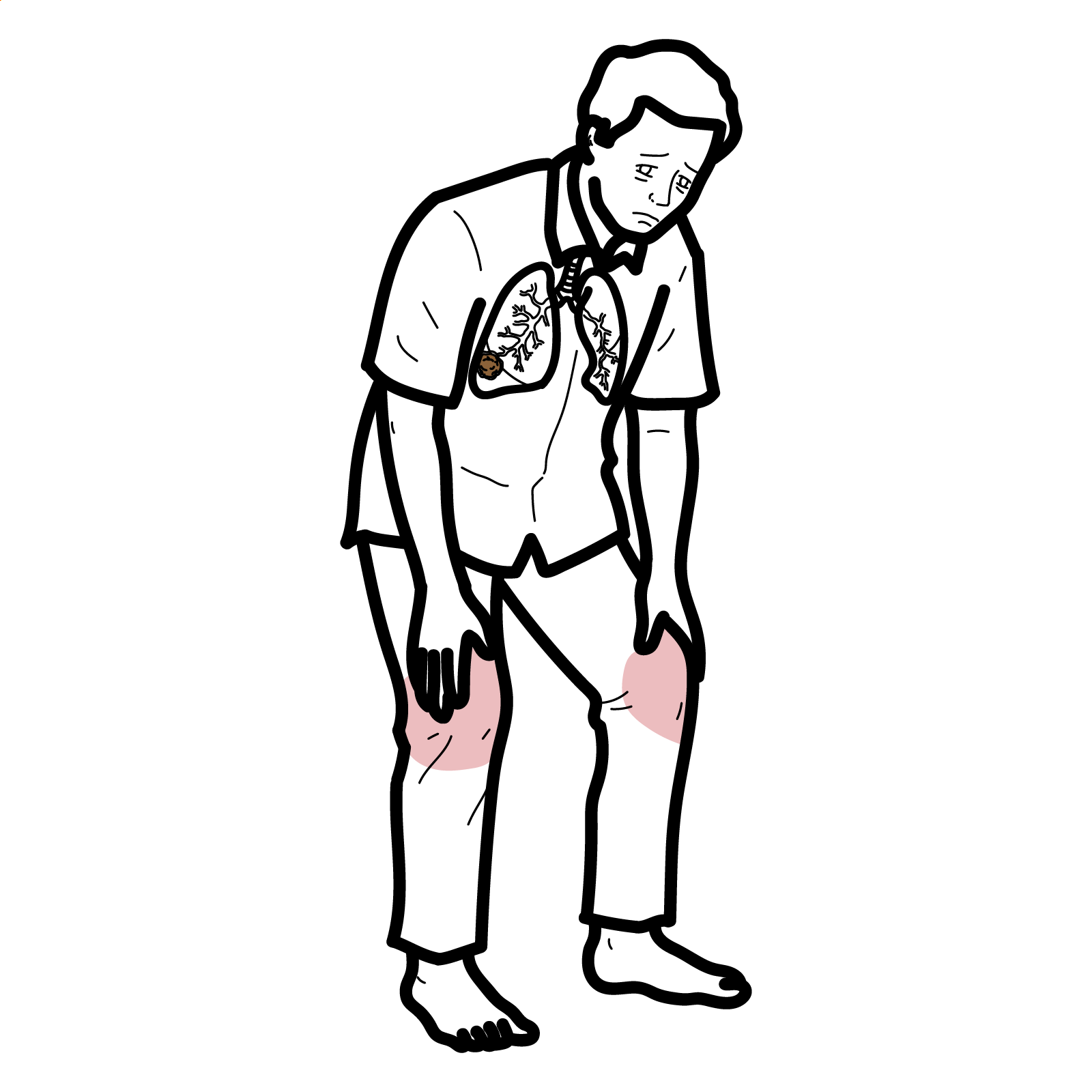
Lambert-Eaton Myasthenic Syndrome
Overview Lambert–Eaton myasthenic syndrome (LEMS) is a rare autoimmune disorder of the presynaptic neuromuscular junction. It causes impaired acetylcholine release, producing the characteristic triad of proximal muscle weakness, reduced reflexes and autonomic dysfunction. LEMS may occur as a paraneoplastic syndrome—most commonly associated with small-cell lung cancer (SCLC)—or as a non-tumour-associated autoimmune disorder. Neuromuscular junction: connection…
View this topic ↗About Visualising Medicine
Good education does not remove complexity. It makes complexity feel simple.
Visualising Medicine is the team behind Armando Hasudungan. We bring together medicine, illustration, writing and technology to make difficult ideas clearer—and build better ways for learners to use them.