

Visual explanationFree resource
Visual medical education by Armando Hasudungan
Medical science, drawn into focus.
Explore visual explanations that reveal how the facts, processes and clinical patterns fit together—then discover the coming AH study platform, built to guide what you study next and check what stuck.
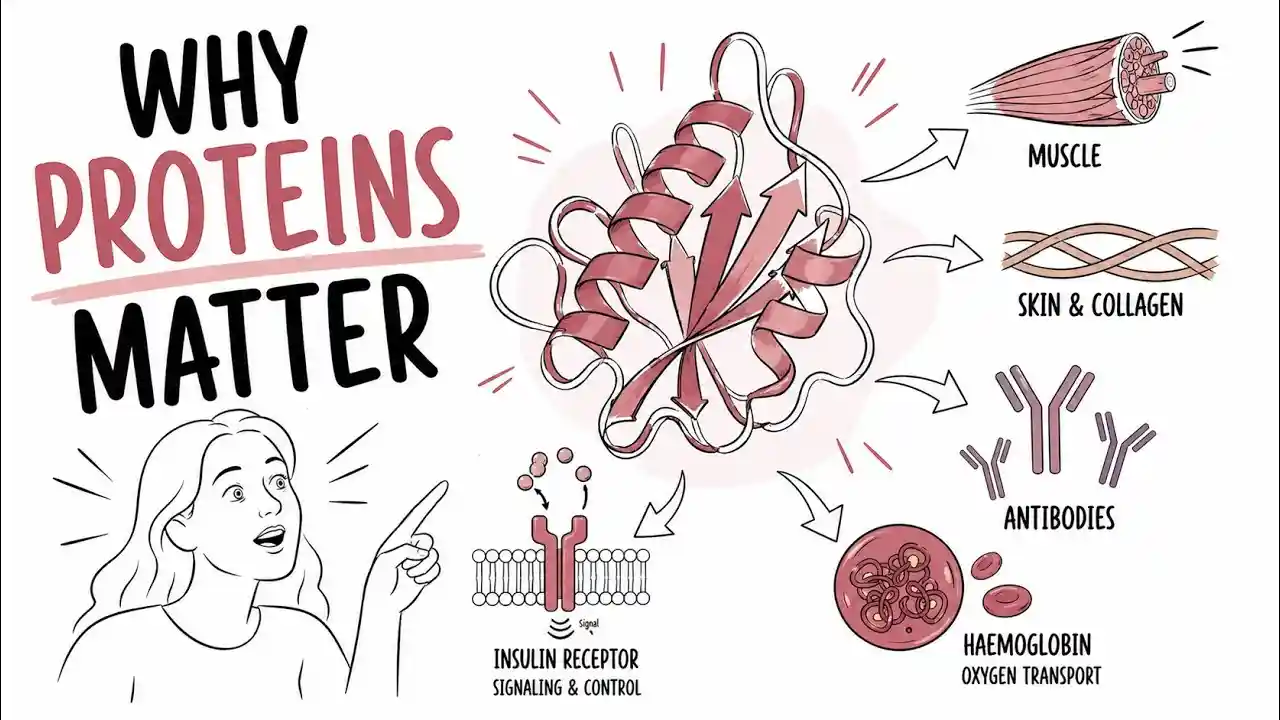
Connected studyComing soon
Clear visual explanations used by medical and allied-health learners around the world.
Explore the free library
Start with the topic in front of you.
Browse by subject or jump straight into the explanation you need. No account required.
Menopause
Overview The menopause means the final menstrual period – diagnosed retrospectively after one year of amenorrhoea. Cessation occurs due to loss of ovarian function. The “declining oocyte pool” theory states that a newborn girl is born with millions of eggs, most of which die by atresia. The average age of menopause is 50, however this can vary…
View topic ↗Asthma
Overview Asthma is a chronic airway inflammation disorder due to complex interactions between inflammatory cells, mediators and airway cells. In young children in whom lung function testing is not feasible, including most preschool children, asthma is defined by the presence of variable respiratory symptoms. Asthma is one of the most common causes of presentation to the Emergency…
View topic ↗Neonatal Conditions
Vitals For more information: Parturition and Routine Care NORMAL EXPECTED PHYSIOLOGICAL VALUES AT DIFFERENT AGES Age (years) Respiratory Rate Heart rate Systolic Blood Pressure <1 30-40 110-160 70-90 1-2 25-35 100-150 80-95 2-5 25-30 95-140 80-100 5-12 20-25 80-120 90-110 >12 15-20 60-100 100-120 Oxygen saturation return to 100% after 10 minutes post partum.…
View topic ↗Amyloidosis (Overview)
Overview Amyloidosis is a disorder in which misfolded proteins aggregate into insoluble beta-pleated sheet fibrils and deposit extracellularly in tissues, leading to progressive organ dysfunction. It may be systemic or localized . In current practice, the most clinically important systemic forms are AL (light-chain), AA (serum amyloid A), and ATTR (transthyretin; hereditary or wild-type) .…
View topic ↗Dementia
Overview Dementia is a disorder that is characterized by impairment of cognition, typically involving memory and at least one other cognitive deficit, such as aphasia, apraxia, agnosia, or disturbance in executive functioning. These must represent a decline from previous level of function and be severe enough to interfere with daily function and independence. Decrease in intellectual…
View topic ↗Pertussis
Author Megan Miner Armando Faigl Overview Pertussis, also known as “whooping cough”, is a contagious, acute respiratory infection caused by the bacterium Bordetella pertussis. In babies, the infection can sometimes lead to pneumonia and occasionally brain damage and can even be life threatening. Older children and adults can get whooping cough and can spread it…
View topic ↗Developmental Hip Dysplasia
Overview Developmental Dyplasia of the hip (DDH) is previously known as congenital dislocation of the hip (however name changed as some of the hip problems develop after birth). Spectrum of condition related to development of the hip in infants and young children. Includes abnormal development of the acetabulum and proximal femur + mechanical instability of the hip joint. Usually involves…
View topic ↗Full resource library
Browse all topics ↗Choose how you learn
One idea. More than one way to see it.
Use the format that helps the topic click, then switch formats when you need to reinforce it.
01 / WATCH02 / READ03 / SEE04 / CHECK
Videos
Hand-drawn explanations that build the big picture as the concept unfolds.
Notes
Clear written explanations for review, reference and filling in the details.
Diagrams
Visual snapshots that help you easily review topics.
Questions
Test whether the explanation stayed with you—not just whether it looked familiar.
Good places to begin
Explanations learners return to.
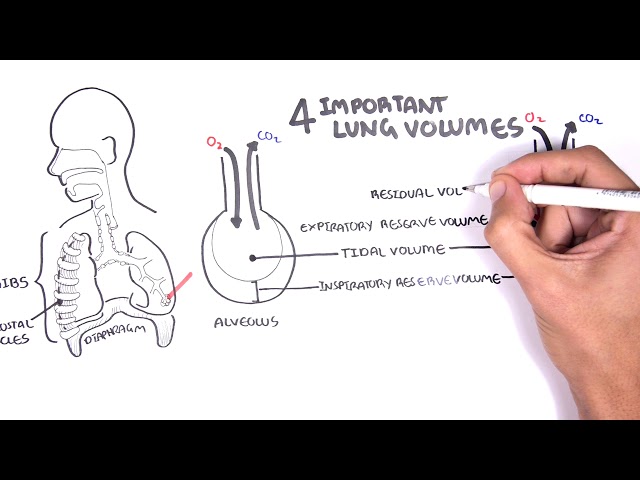
Lung Function – Lung Volumes and Capacities
Explore the essential lung volumes and capacities that define respiratory function and health in this detailed video. Understand how these measurements aid in diagnosing and managing pulmonary conditions.
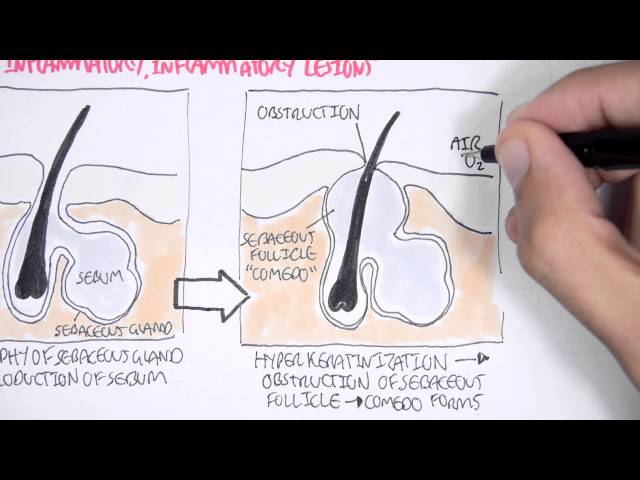
Acne pathophysiology – Propionibacterium acnes and comedo formation
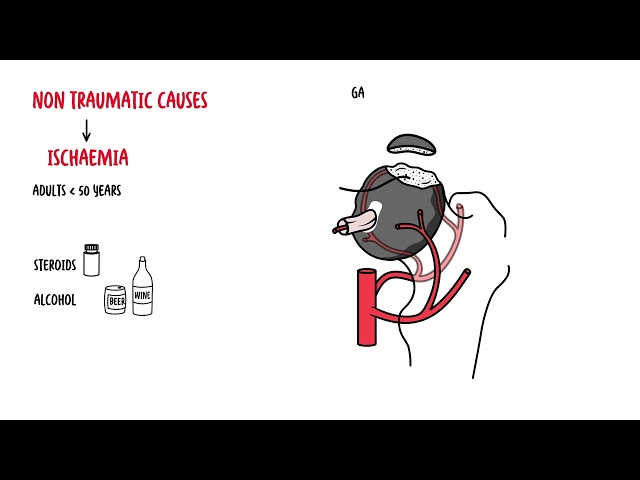
Osteonecrosis of the Hip (femoral head) – Avascular Necrosis
Understand osteonecrosis of the hip (avascular necrosis of the femoral head), focusing on its causes, pathophysiology, and clinical presentation. This video also discusses diagnostic imaging and treatment options to prevent joint collapse and preserve mobility.
Our mission
Medical science is complex. Understanding it should feel possible.
Armando Hasudungan turns difficult medical science into clear visual explanations and connected learning experiences—so learners can see the whole picture, remember what matters and find a clearer way forward.
See it clearly
Turn abstract processes and invisible relationships into something the learner can picture.
Connect the pieces
Build understanding around how concepts fit together—not a pile of isolated facts.
Make it useful
Help learners move from explanation to recall, revision and the next logical step.
What clarity feels like
When the topic stops being a blur.
Learners do not come back because the subject became easy. They come back because the explanation gave them a picture they could work with.
“Armando's teaching style gives me the foundational knowledge.
Jessica Payne-Burnett
Medical Student, Charles Sturt University
“The notes I make during his videos help me retain everything better.
Ayesha RaiStudent, Islamabad Medical and Dental College
“The drawings are amazing and super easy to remember.
Reem Mohamed Khair Abdalrazig
Student, Neelain University
Coming soon: the AH study platform
The explanation is only the start.
The free library helps you find a clear explanation. The AH platform is being built to help you connect the resources, follow a clearer path and check what actually stuck.
- Watch in a focused, ad-free study environment.
- Move between connected videos, notes, diagrams and questions.
- Know what belongs next instead of rebuilding the study path yourself.
- Test your understanding while the topic is still fresh.
New and worth a look
Keep building the picture.
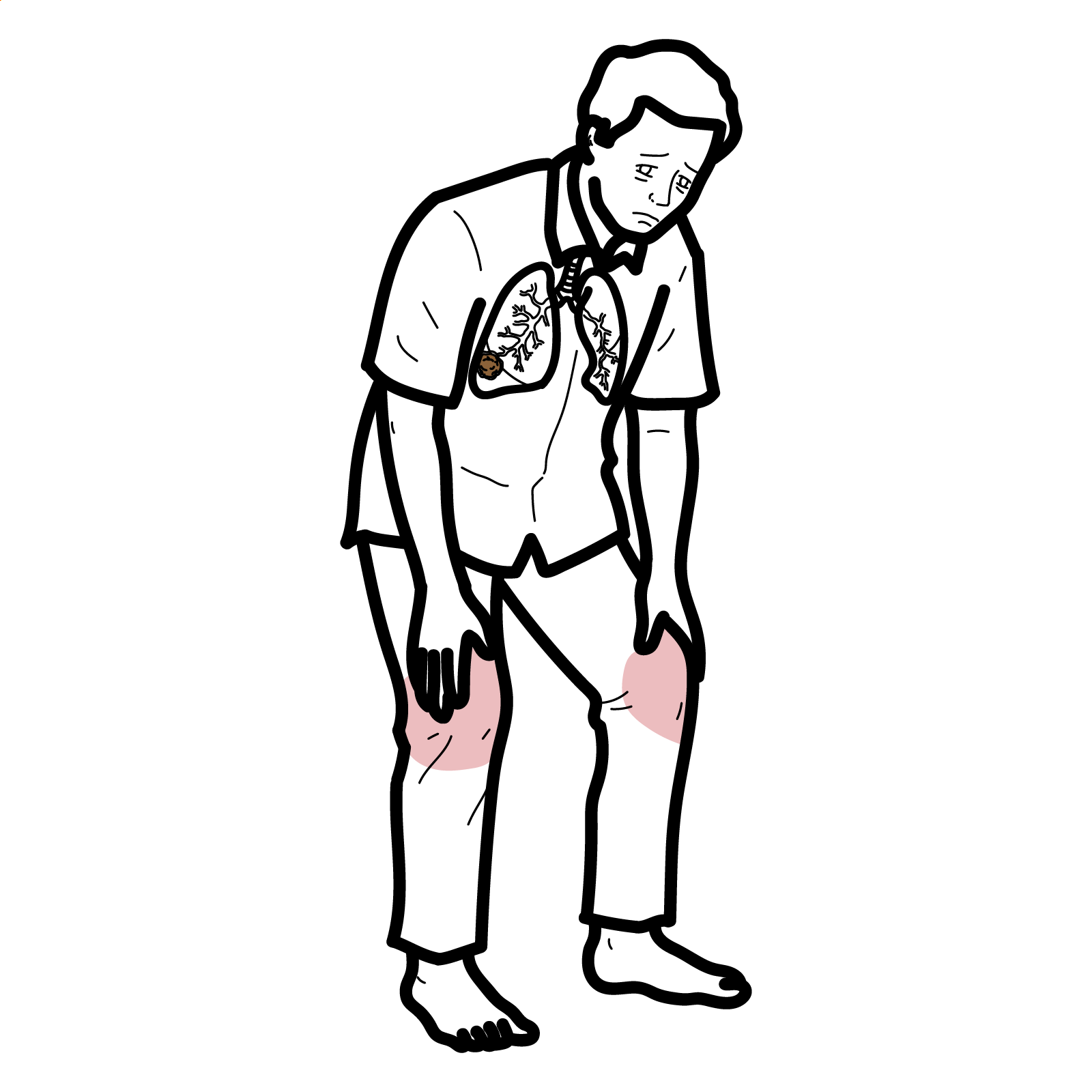
Lambert-Eaton Myasthenic Syndrome
Overview Lambert–Eaton myasthenic syndrome (LEMS) is a rare autoimmune disorder of the presynaptic neuromuscular junction. It causes impaired acetylcholine release, producing the characteristic triad of proximal muscle weakness, reduced reflexes and autonomic dysfunction. LEMS may occur as a paraneoplastic syndrome—most commonly associated with small-cell lung cancer (SCLC)—or as a non-tumour-associated autoimmune disorder. Neuromuscular junction: connection…
View this topic ↗About Visualising Medicine
Good education does not remove complexity. It makes complexity feel simple.
Visualising Medicine is the team behind Armando Hasudungan. We bring together medicine, illustration, writing and technology to make difficult ideas clearer—and build better ways for learners to use them.