

Visual explanationFree resource
Visual medical education by Armando Hasudungan
Medical science, drawn into focus.
Explore visual explanations that reveal how the facts, processes and clinical patterns fit together—then discover the coming AH study platform, built to guide what you study next and check what stuck.
Connected studyComing soon
Clear visual explanations used by medical and allied-health learners around the world.
Explore the free library
Start with the topic in front of you.
Browse by subject or jump straight into the explanation you need. No account required.
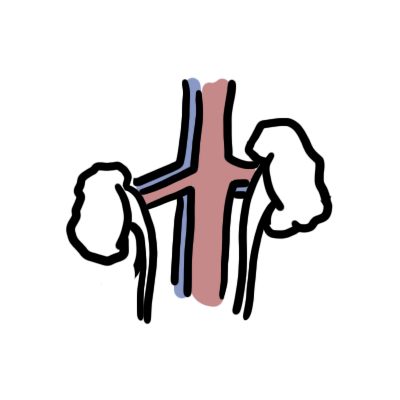
Chronic Kidney Disease
Overview CKD is responsible for a substantial burden of illness and premature death. The kidneys are basically not working as good. Always assume a ↓ eGFR represents acute kidney injury until proven otherwise. Acute Kidney Injury: Rapid reduction in kidney function over hours to days, as measured by serum urea and creatinine and leading to a…
View topic ↗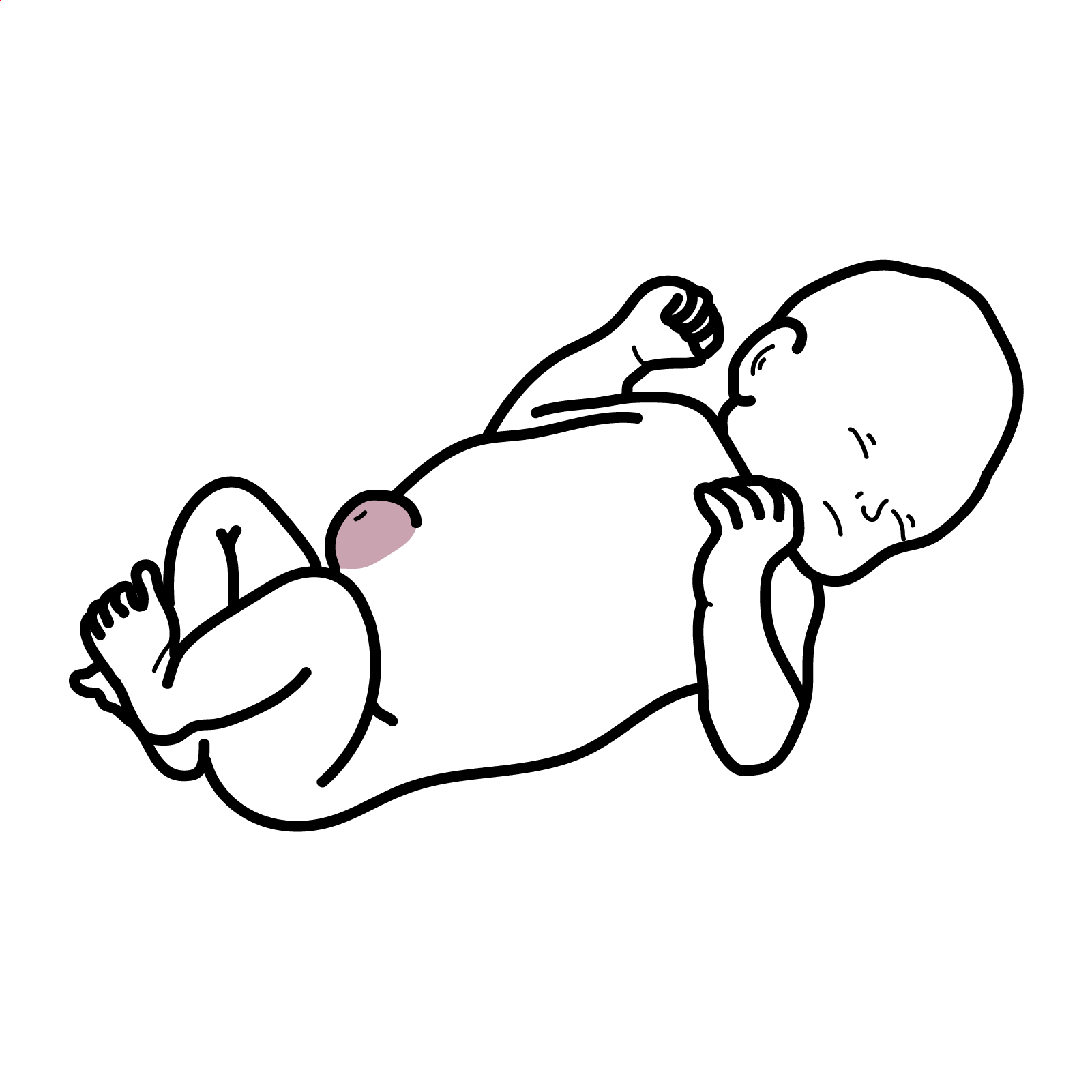
Umbilical Hernia
Overview Umbilical hernias are one of the most common surgical conditions in infants and children. In infantile umbilical hernia there is a pathological failure of obliteration of umbilical defect. Umbilical hernia can also occur in adults and is usually acquired due to increased intrabdominal pressure due to obesity, pregnancy, ascites. Management is surgery. Hernia: A bulge or protrusion of…
View topic ↗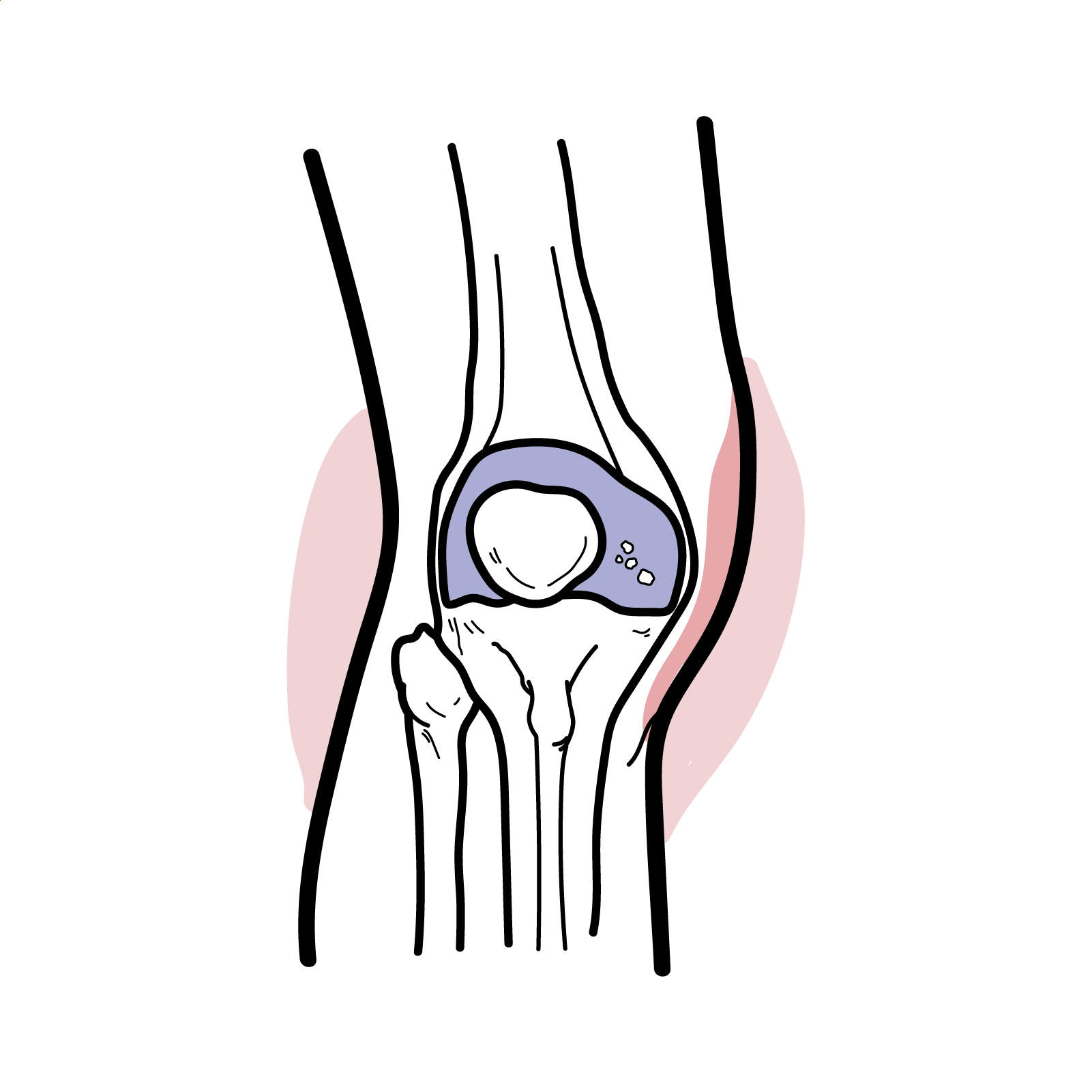
Pseudogout: Calcium Pyrophosphate Deposition Disease
Overview Pseudogout, more accurately known as calcium pyrophosphate deposition disease (CPPD), is a crystal arthropathy characterized by the deposition of calcium pyrophosphate dihydrate crystals in articular cartilage and soft tissues, leading to joint inflammation. It most commonly affects elderly individuals, especially over the age of 60, with a slight female predominance. Clinically, it often mimics…
View topic ↗
Scaphoid Fracture
Overview Scaphoid fracture is the most common carpal bone fracture , accounting for ~60–70% of all carpal fractures. It occurs most frequently in young adults (15–40 years) following a fall on the outstretched hand (FOOSH). The scaphoid’s tenuous blood supply predisposes to non-union and avascular necrosis, especially in proximal fractures. Early recognition is essential as…
View topic ↗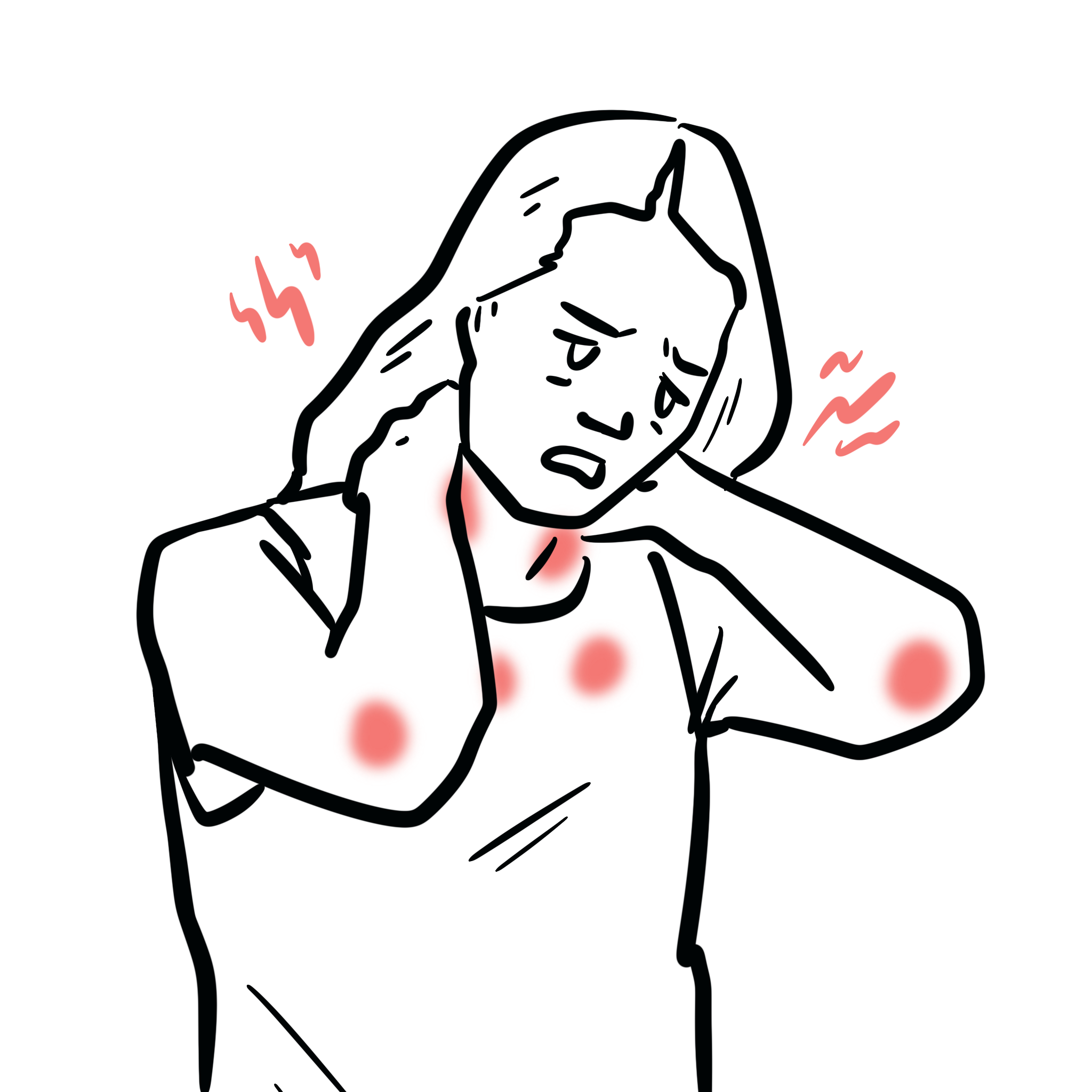
Fibromyalgia
Overview Fibromyalgia is a chronic, nociplastic pain condition characterised by widespread pain with prominent fatigue, sleep disturbance, and cognitive symptoms, reflecting altered central pain processing rather than tissue injury. Global prevalence is ~2–4%, higher in women, ages 20–60, and in those with mood/sleep disorders, obesity, low socioeconomic status, and comorbid rheumatic disease. Major complications include…
View topic ↗
Gastroenteritis (Infectious Diarrhoea)
Overview Gastroenteritis continues to cause significant morbidity in developed and developing countries. The most common cause are viral and bacterial including: Norovirus Enteric adenoviruses E-coli Salmonella spp. and Shigella spp. Campylobater jejuni Diarrhoea: Loose, water like stools that occur with increased frequency and an increased volume of >200g per day Gastroenteritis: >3 or more loose…
View topic ↗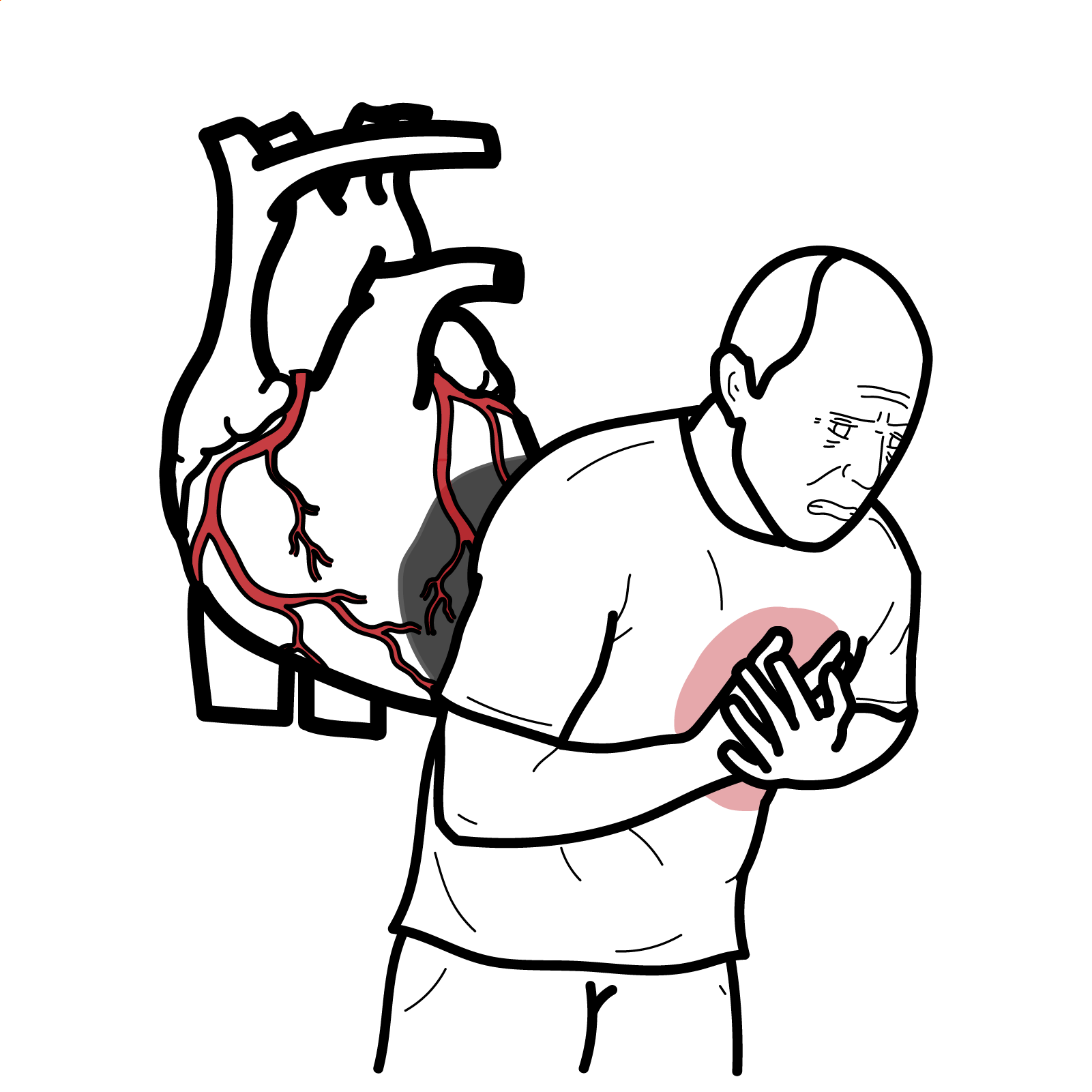
Acute Coronary Syndrome: Myocardial infarction (STEMI, NSTEMI)
Overview Acute coronary syndrome (ACS) describes acute myocardial ischaemia caused by an abrupt reduction in coronary blood flow. It includes myocardial infarction (MI) and unstable angina and is a time-critical medical emergency. This article focuses on ST-segment elevation myocardial infarction (STEMI) and non-ST-segment elevation myocardial infarction (NSTEMI). 1 Myocardial infarction is diagnosed when there is…
View topic ↗Full resource library
Browse all topics ↗Choose how you learn
One idea. More than one way to see it.
Use the format that helps the topic click, then switch formats when you need to reinforce it.
01 / WATCH02 / READ03 / SEE04 / CHECK
Videos
Hand-drawn explanations that build the big picture as the concept unfolds.
Notes
Clear written explanations for review, reference and filling in the details.
Diagrams
Visual snapshots that help you easily review topics.
Questions
Test whether the explanation stayed with you—not just whether it looked familiar.
Good places to begin
Explanations learners return to.
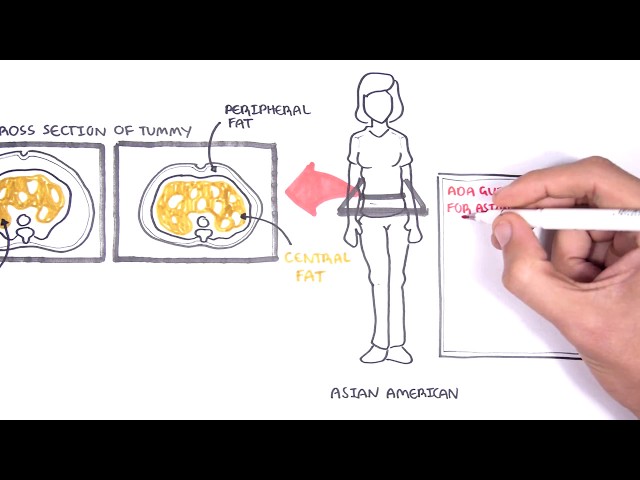
ADA New Diabetes Screening Guidelines
Discover the latest ADA 2025 diabetes screening guidelines, including expanded recommendations for continuous glucose monitoring in type 2 diabetes and new antibody-based screening for presymptomatic type 1 diabetes. This video highlights updated strategies for medication management, lifestyle interventions, and risk assessment tools based on the recently released Standards of Care.

Endoplasmic Reticulum
Explore the structure and functions of the endoplasmic reticulum, including the roles of the rough and smooth ER in protein synthesis, lipid metabolism, and detoxification. This video explains how the ER integrates into the cellular system and supports essential biological processes.
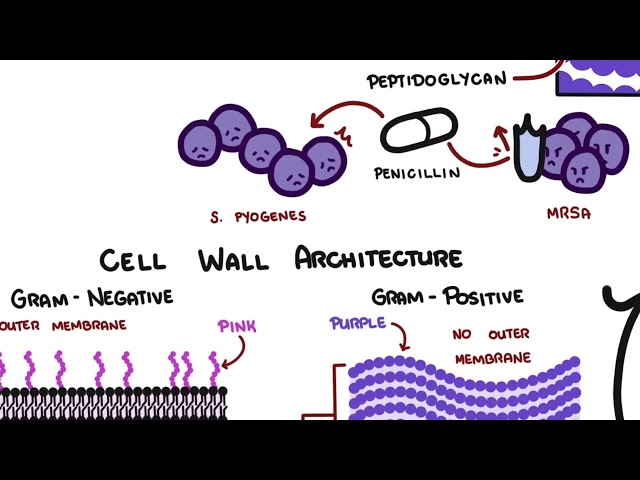
Bacteria Structure and Function Explained | Microbiology Basics
Our mission
Medical science is complex. Understanding it should feel possible.
Armando Hasudungan turns difficult medical science into clear visual explanations and connected learning experiences—so learners can see the whole picture, remember what matters and find a clearer way forward.
See it clearly
Turn abstract processes and invisible relationships into something the learner can picture.
Connect the pieces
Build understanding around how concepts fit together—not a pile of isolated facts.
Make it useful
Help learners move from explanation to recall, revision and the next logical step.
What clarity feels like
When the topic stops being a blur.
Learners do not come back because the subject became easy. They come back because the explanation gave them a picture they could work with.
“Armando's teaching style gives me the foundational knowledge.
Jessica Payne-Burnett
Medical Student, Charles Sturt University
“The notes I make during his videos help me retain everything better.
Ayesha RaiStudent, Islamabad Medical and Dental College
“The drawings are amazing and super easy to remember.
Reem Mohamed Khair Abdalrazig
Student, Neelain University
Coming soon: the AH study platform
The explanation is only the start.
The free library helps you find a clear explanation. The AH platform is being built to help you connect the resources, follow a clearer path and check what actually stuck.
- Watch in a focused, ad-free study environment.
- Move between connected videos, notes, diagrams and questions.
- Know what belongs next instead of rebuilding the study path yourself.
- Test your understanding while the topic is still fresh.
New and worth a look
Keep building the picture.

Cervical Radiculopathy
Overview Cervical radiculopathy is dysfunction of a cervical nerve root caused by irritation or compression as it leaves the spine. It commonly produces pain radiating from the neck into one arm, sometimes with paraesthesia, numbness, weakness or altered reflexes. A disc herniation or degenerative narrowing of the neural foramen is a common cause. Diagnosis is…
View this topic ↗About Visualising Medicine
Good education does not remove complexity. It makes complexity feel simple.
Visualising Medicine is the team behind Armando Hasudungan. We bring together medicine, illustration, writing and technology to make difficult ideas clearer—and build better ways for learners to use them.