

Visual explanationFree resource
Visual medical education by Armando Hasudungan
Medical science, drawn into focus.
Explore visual explanations that reveal how the facts, processes and clinical patterns fit together—then discover the coming AH study platform, built to guide what you study next and check what stuck.
Connected studyComing soon
Clear visual explanations used by medical and allied-health learners around the world.
Explore the free library
Start with the topic in front of you.
Browse by subject or jump straight into the explanation you need. No account required.
Vasculitides
Classification Large-vessel vasculitis Takayasu arteritis Medium-sized vessel vasculitis Childhood polyarteritis nodosa Kawasaki Disease Small-vessel vasculitis Granulomatosis with polyangiitis (Wegener’s Syndrome) Eosinophilic granulomatosis with polyangiitis (Churg–Strauss syndrome) Henoch-Schönlein purpura (Spring Fever) Other vasculitides Behçet’s disease Kawasaki disease and HSP are the most common childhood vasculitis followed by PAN.
View topic ↗Chronic Pancreatitis
Overview Chronic pancreatitis is a progressive fibro-inflammatory disease of the pancreas that causes irreversible structural damage and eventual loss of exocrine and endocrine pancreatic function. It commonly presents with recurrent or persistent upper abdominal pain and may later cause malabsorption, weight loss and pancreatogenic diabetes. Alcohol exposure and smoking are important causes and accelerators, but…
View topic ↗Diverticular Disease
Overview Diverticula of the colon consist of outpouchings of mucous membrane through the muscle wall of the bowel. In the colon, diverticula are found most commonly in the sigmoid and descending colon, and become increasingly rare in passing from the left to the right side of the colon. They are unusual before the age of 40…
View topic ↗X-linked Agammaglobulinaemia (XLA / Bruton’s Disease)
Overview X-linked agammaglobulinaemia (XLA) is a rare primary immunodeficiency caused by mutations in the Bruton’s tyrosine kinase (BTK) gene , leading to failure of B-cell maturation. It results in profound hypogammaglobulinaemia and susceptibility to recurrent bacterial infections, particularly with encapsulated organisms. It usually presents after 6 months of age (once maternal IgG wanes). Prevalence is…
View topic ↗Toxic Multinodular Goitre
Overview Toxic Multinodular Goitre (TMNG) is the second most common cause of hyperthyroidism caused by a long-standing goitre and/or iodine deficiency which results in an increased risk of mutation and consequent TSH-independent autonomic function of thyroid nodules to produce excess thyroid hormones. Common clinical manifestations include hyperthyroidism and a painless thyroid goitre with palpable nodules.…
View topic ↗Prostatitis
Overview Prostatitis refers to a spectrum of conditions involving inflammation of the prostate gland, ranging from acute bacterial infection to chronic pelvic pain syndromes. It is a common urological condition affecting men of all ages, particularly those aged 30–50 years. The National Institutes of Health (NIH) classifies prostatitis into four categories: acute bacterial, chronic bacterial, chronic…
View topic ↗Psoriasis
Overview Psoriasis is a chronic, immune-mediated, inflammatory skin disease with systemic associations, characterized by sharply demarcated erythematous plaques with overlying scale, most commonly plaque psoriasis. [1-4] It affects about 1% to 3% of the global population, although prevalence varies by geography and ethnicity, and plaque psoriasis accounts for about 80% to 90% of cases. [1,2]…
View topic ↗Full resource library
Browse all topics ↗Choose how you learn
One idea. More than one way to see it.
Use the format that helps the topic click, then switch formats when you need to reinforce it.
01 / WATCH02 / READ03 / SEE04 / CHECK
Videos
Hand-drawn explanations that build the big picture as the concept unfolds.
Notes
Clear written explanations for review, reference and filling in the details.
Diagrams
Visual snapshots that help you easily review topics.
Questions
Test whether the explanation stayed with you—not just whether it looked familiar.
Good places to begin
Explanations learners return to.
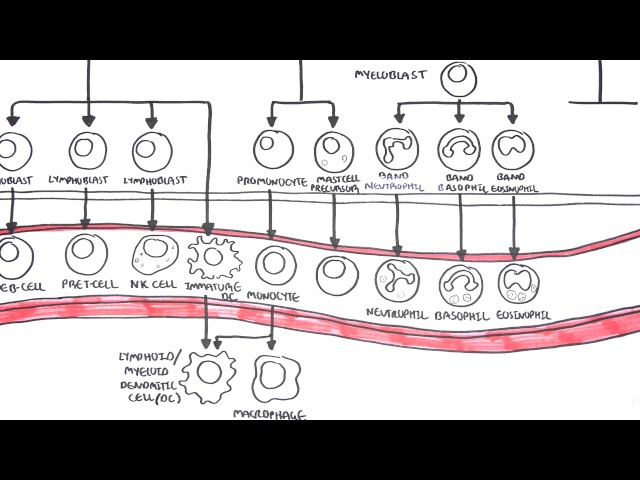
An introduction to Haematopoesis
Discover the fundamentals of haematopoiesis—the process by which all blood cells are formed from stem cells in the bone marrow. This video covers key stages, cell lineages, and regulatory factors essential to understanding normal and abnormal blood development.
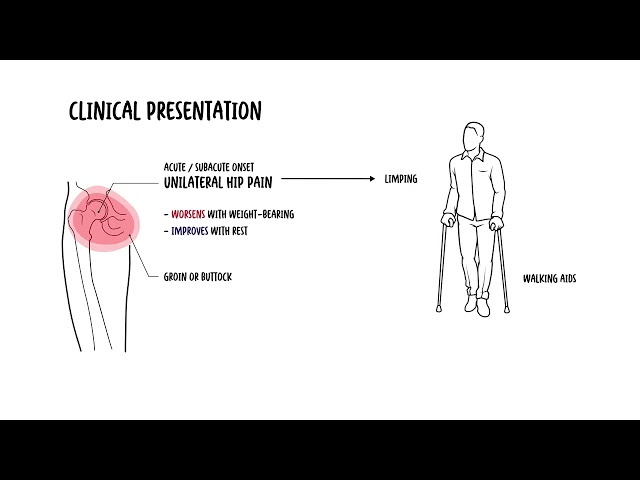
Transient osteoporosis of the hip – pathophysiology & diagnosis
Transient osteoporosis of the hip causes sudden, severe groin or buttock pain and reversible bone marrow edema—learn how to spot, diagnose, and manage it. In this clear, clinically focused video you’ll discover the defining features of transient osteoporosis of the hip, why it’s distinct from general osteoporosis and avascular necrosis, and how MRI identifies diffuse…
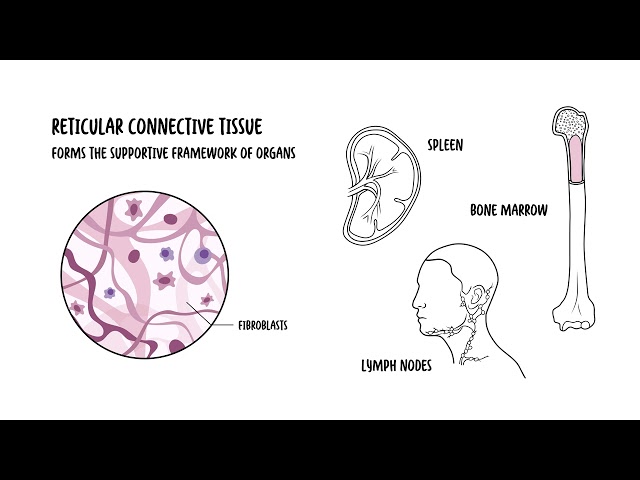
Introduction to Connective Tissues – Dense, Loose, Specialised
Discover the different types of connective tissues—dense, loose, and specialized—and their roles in supporting and structuring the body. This video explains their composition, functions, and where each type is found in various organs and systems.
Our mission
Medical science is complex. Understanding it should feel possible.
Armando Hasudungan turns difficult medical science into clear visual explanations and connected learning experiences—so learners can see the whole picture, remember what matters and find a clearer way forward.
See it clearly
Turn abstract processes and invisible relationships into something the learner can picture.
Connect the pieces
Build understanding around how concepts fit together—not a pile of isolated facts.
Make it useful
Help learners move from explanation to recall, revision and the next logical step.
What clarity feels like
When the topic stops being a blur.
Learners do not come back because the subject became easy. They come back because the explanation gave them a picture they could work with.
“Armando's teaching style gives me the foundational knowledge.
Jessica Payne-Burnett
Medical Student, Charles Sturt University
“The notes I make during his videos help me retain everything better.
Ayesha RaiStudent, Islamabad Medical and Dental College
“The drawings are amazing and super easy to remember.
Reem Mohamed Khair Abdalrazig
Student, Neelain University
Coming soon: the AH study platform
The explanation is only the start.
The free library helps you find a clear explanation. The AH platform is being built to help you connect the resources, follow a clearer path and check what actually stuck.
- Watch in a focused, ad-free study environment.
- Move between connected videos, notes, diagrams and questions.
- Know what belongs next instead of rebuilding the study path yourself.
- Test your understanding while the topic is still fresh.
New and worth a look
Keep building the picture.
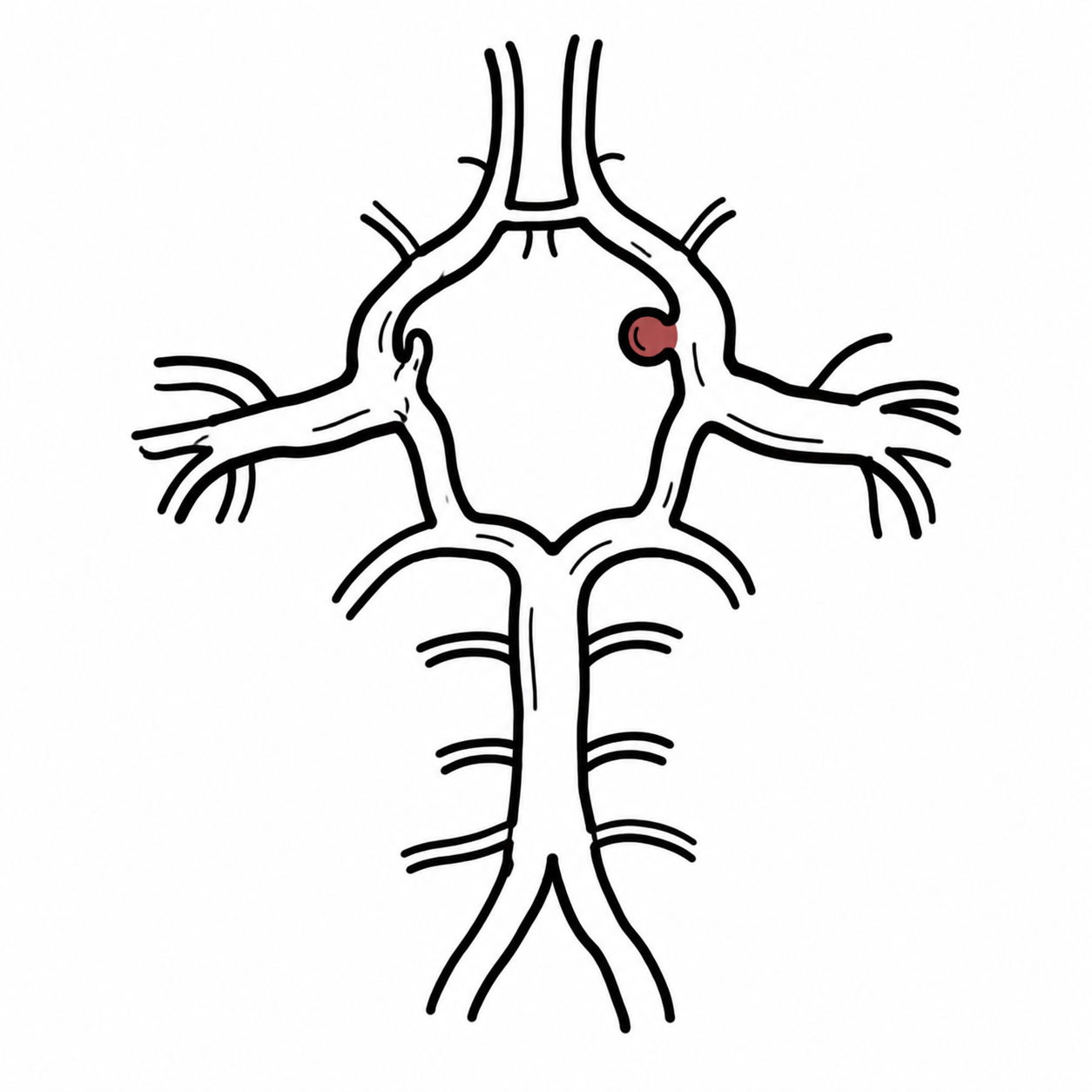
Cerebral Aneurysm
Overview Cerebral (Intracranial) aneurysm is a focal dilation of an intracranial artery due to weakness of the arterial wall. It occurs in roughly 1-5% of adults and can lead to permanent disability. The most common type is a saccular “berry” aneurysm. Most common location is anterior communicating artery. Cerebral aneurysms are typically asymptomatic until rupture,…
View this topic ↗About Visualising Medicine
Good education does not remove complexity. It makes complexity feel simple.
Visualising Medicine is the team behind Armando Hasudungan. We bring together medicine, illustration, writing and technology to make difficult ideas clearer—and build better ways for learners to use them.