

Shingles (Herpes Zoster)
Overview
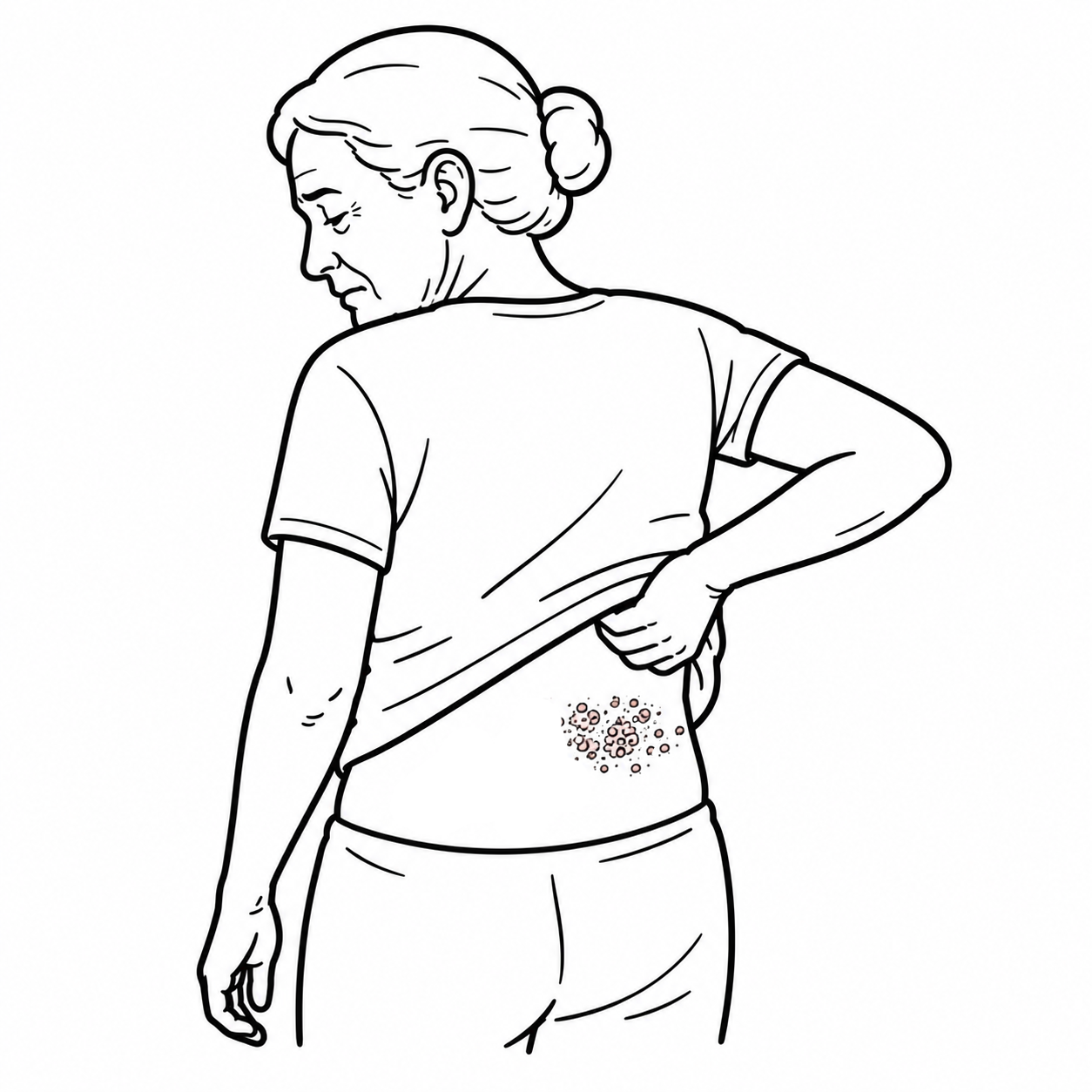
Shingles is reactivation of latent varicella-zoster virus (VZV) following previous chickenpox or, less commonly, varicella vaccination. After primary infection, VZV remains dormant in the dorsal-root or cranial-nerve ganglia. Reactivation occurs when VZV-specific cell-mediated immunity declines. In Australia, incidence is approximately 560 cases per 100,000 people annually and increases markedly after age 50. Lifetime risk approaches 50% among people living to 80 years. Approximately 13–26% of patients develop a complication.
Definition
Herpes zoster/shingles: painful vesicular eruption affecting one or more adjacent dermatomes.
Postherpetic neuralgia (PHN): pain persisting in the affected dermatome for ≥90 days after rash onset.
Herpes zoster ophthalmicus: involvement of the ophthalmic division of the trigeminal nerve.
Herpes zoster oticus/Ramsay Hunt syndrome: ear involvement with facial-nerve palsy ± hearing or vestibular symptoms.
Disseminated zoster: widespread lesions outside the primary dermatomes, potentially with visceral involvement.
Zoster sine herpete: VZV-related dermatomal pain or neurological disease without the characteristic rash.
Aetiology & Risk Factors
- Previous VZV infection is required.
- Increasing age, particularly over 50 years.
- Immunocompromise:
- Haematological or solid-organ malignancy
- HIV
- Organ or stem-cell transplantation
- Chemotherapy or radiotherapy
- Systemic corticosteroids, biologics or other immunosuppressants
- Autoimmune and chronic systemic disease.
- Previous shingles does not provide permanent protection; recurrence is possible.
- Varicella infection during the first year of life may increase later risk.
Pathophysiology
- Primary infection with varicella-zoster virus (VZV) causes chickenpox.
- After recovery, VZV remains latent within the dorsal-root and cranial-nerve sensory ganglia.
- Declining VZV-specific cell-mediated immunity allows the virus to reactivate.
- Reactivation is more common with increasing age, immunosuppression, malignancy or severe illness.
- The virus replicates within the sensory ganglion, causing inflammation and neuronal damage.
- VZV then travels along the sensory nerve to the skin, producing:
- Dermatomal pain, burning or paraesthesia.
- A unilateral vesicular rash in the corresponding dermatome.
- The rash usually does not cross the midline because individual sensory nerves supply one side of the body.
- Persistent nerve inflammation and damage may cause postherpetic neuralgia after the skin lesions resolve.
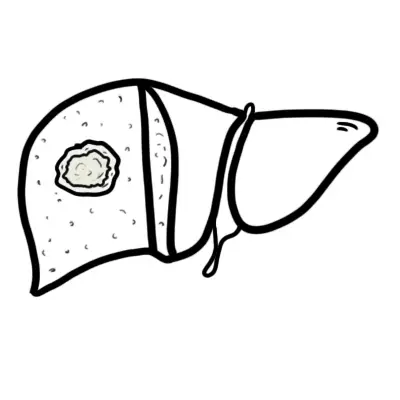
- Spread beyond the sensory ganglion may cause motor weakness, meningitis, encephalitis, vasculopathy or disseminated infection, particularly in immunocompromised patients.
A patient with shingles can transmit VZV to a non-immune person, causing chickenpox—not shingles; infectiousness continues until all lesions have crusted.
Clinical Manifestations
Prodrome
- Burning, stabbing or aching dermatomal pain
- Tingling, itching or hypersensitivity
- Headache, fatigue or malaise
- Fever is possible but usually mild
Shingles Rash
- Unilateral erythematous papules developing into grouped vesicles.
- Usually affects one or two adjacent dermatomes.
- Commonly affects the thoracic region or face.
- Generally does not cross the midline.
- Vesicles become pustular and crust over within approximately 7–10 days.
- Rash usually heals within 2–4 weeks.
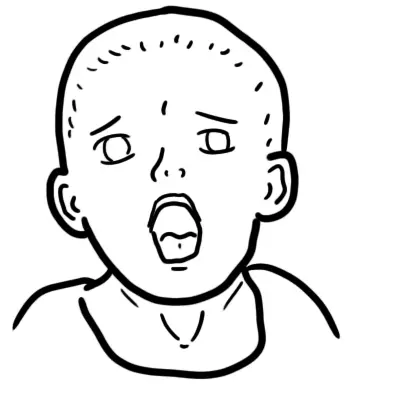
Dermatomal pain may precede the rash by several days, so early shingles can mimic cardiac, abdominal or musculoskeletal pain.
The rash is typically unilateral and does not cross the midline; widespread lesions suggest disseminated disease, especially in immunocompromised patients.
Important Presentations
- Ophthalmic zoster: forehead, upper eyelid or nose lesions; eye pain, photophobia, redness or reduced vision.
- Hutchinson sign: lesions on the tip or side of the nose suggest nasociliary involvement and increased ocular risk.
- Ramsay Hunt syndrome: painful ear vesicles, ipsilateral facial weakness, hearing loss, tinnitus or vertigo.
- Disseminated disease: widespread vesicles, fever or systemic illness, especially in immunocompromised patients.
- Neurological disease may cause headache, meningism, confusion, weakness or focal deficits.
Forehead, eyelid or nasal-tip lesions require urgent ophthalmology assessment because of the risk of herpes zoster ophthalmicus and visual loss.
Diagnosis
- Usually a clinical diagnosis based on unilateral dermatomal pain and grouped vesicles.
- VZV PCR from vesicular fluid, lesion-base swab or crust is preferred when:
- Presentation is atypical
- The patient is immunocompromised
- Disseminated infection is suspected
- Differentiation from herpes simplex is needed
- Consider bacterial culture if secondary infection is suspected.
- Neurological disease may require lumbar puncture with CSF VZV testing and neuroimaging.
Differential diagnoses
- herpes simplex
- contact dermatitis
- Impetigo
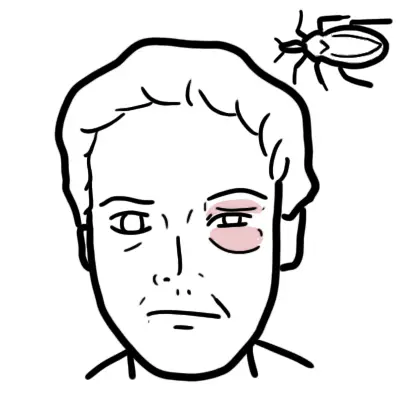
- insect bites
- autoimmune blistering disorders.
Treatment
Antiviral therapy
Start preferably within 72 hours of rash onset:
- Valaciclovir: 1 g orally three times daily for 7 days.
- Famciclovir: 500 mg orally three times daily for 7 days.
- Aciclovir: 800 mg orally five times daily for 7 days.
Consider treatment after 72 hours if new vesicles are developing or the patient has ophthalmic, neurological, disseminated or immunocompromised disease. Adjust doses for renal impairment and maintain hydration.
Start antiviral therapy within 72 hours, but treat later if new lesions are appearing or there is ophthalmic, neurological or immunocompromised disease.
Symptomatic management
- Paracetamol ± NSAID where appropriate.
- Short-term stronger analgesia may be required for severe acute pain.
- Neuropathic-pain therapy may include gabapentin, pregabalin or a tricyclic antidepressant.
- Cool compresses, calamine lotion and loose clothing.
- Keep lesions clean, dry and covered.
Hospital treatment / urgent referral
- IV aciclovir for disseminated or visceral disease, severe immunocompromise, encephalitis or inability to take oral treatment.
- Obtain urgent infectious diseases or specialist advice.
- Eye or forehead involvement: same-day ophthalmological assessment.
- Facial weakness, ear vesicles, hearing loss or vertigo: urgent assessment for Ramsay Hunt syndrome.
- Disseminated rash, immunocompromise, pregnancy, severe systemic illness or neurological symptoms: hospital or specialist assessment.
- Corticosteroids must not be used alone without antiviral treatment.
Prevention of shingles
- Recombinant zoster vaccine Shingrix is given as two doses.
- In Australia it is recommended for:
- Immunocompetent adults aged ≥50 years
- Immunocompromised adults aged ≥18 years
- It remains recommended after a previous episode of shingles, once the acute illness has resolved and at the guideline-recommended interval.
Complications & Prognosis
- Postherpetic neuralgia: persistent burning, stabbing pain or allodynia; most common complication.
- Herpes zoster ophthalmicus:
- Keratitis
- Uveitis
- Glaucoma
- Retinal disease
- Permanent visual loss
- Ramsay Hunt syndrome:
- Facial paralysis
- Hearing loss
- Tinnitus or vertigo
- Secondary bacterial skin infection, scarring or pigmentary change.
- Motor neuropathy or segmental weakness.
- Meningitis, encephalitis, myelitis or VZV vasculopathy and stroke.
- Pneumonia or visceral dissemination
- Most immunocompetent patients recover within 2–4 weeks.
- Acute pain may continue after the rash resolves.
- PHN risk rises substantially with age:
- Approximately 1 in 10 cases in people aged 50–59 years.
- Approximately 1 in 5 cases in people older than 80 years.
- Poor prognostic factors include older age, severe initial pain, extensive rash, ophthalmic involvement and immunocompromise.
- Recurrence occurs in approximately 6–8% of immunocompetent patients within eight years and is more frequent with immunocompromise.
- Persistent visual, auditory or neurological impairment can occur after complicated disease.
References
- Australian Technical Advisory Group on Immunisation. Zoster (herpes zoster). In: Australian Immunisation Handbook [Internet]. Canberra: Australian Government Department of Health and Aged Care; updated 2026 Jan 19.
- Lim DZJ, Tey HL, Salada BMA, Oon JEL, Seah ED, Chandran NS, et al. Herpes zoster and post-herpetic neuralgia—diagnosis, treatment, and vaccination strategies. Pathogens. 2024;13(7):596. doi:10.3390/pathogens13070596.
- Centers for Disease Control and Prevention. Clinical overview of shingles (herpes zoster) [Internet]. Atlanta: CDC; 2024.
- World Health Organization. Shingles (herpes zoster) [Internet]. Geneva: WHO; 2025.
- NSW Health. Shingles fact sheet [Internet]. Sydney: NSW Government; 2024.



Members only discussions coming soon…