

Visual explanationFree resource
Visual medical education by Armando Hasudungan
Medical science, drawn into focus.
Explore visual explanations that reveal how the facts, processes and clinical patterns fit together—then discover the coming AH study platform, built to guide what you study next and check what stuck.
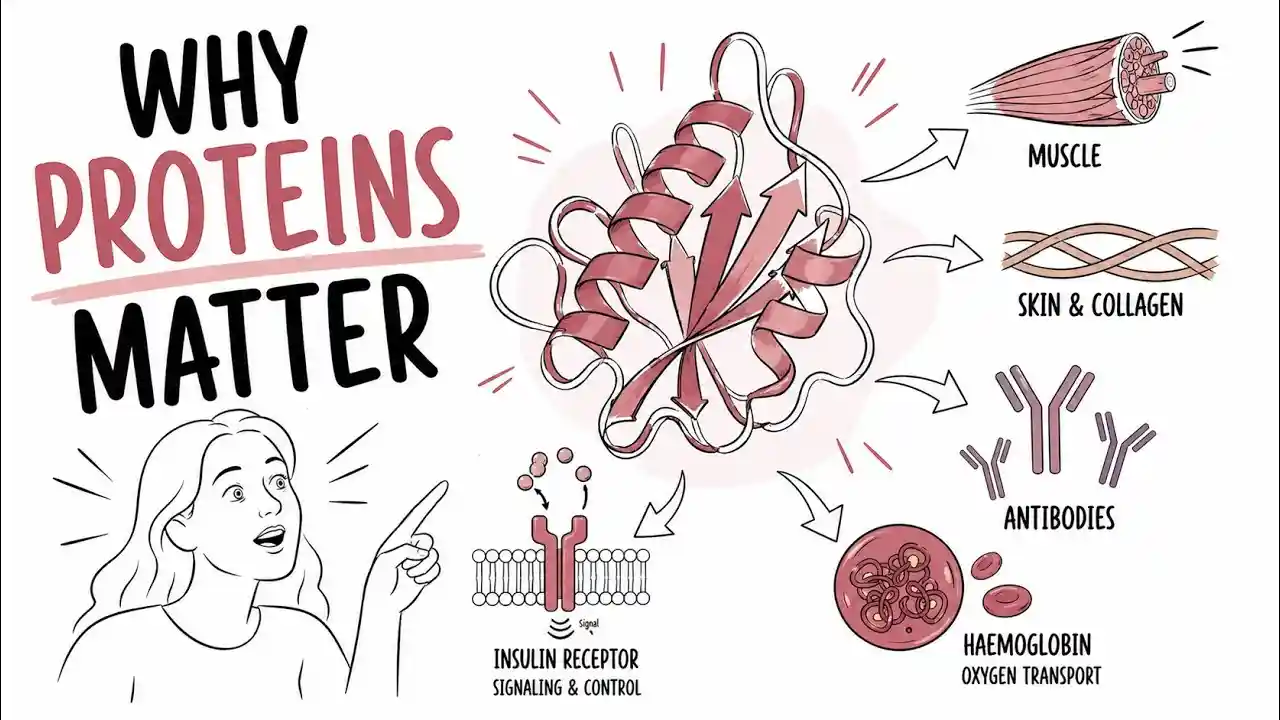
Connected studyComing soon
Clear visual explanations used by medical and allied-health learners around the world.
Explore the free library
Start with the topic in front of you.
Browse by subject or jump straight into the explanation you need. No account required.
Febrile Seizure
Overview Seizures are a common occurrence in children. 8% will have at least one seizure by 15 years of age. A seizure is the result of an abnormal paroxysmal discharge by cerebral neurons. Many underlying conditions and neurological challenges may provoke seizures, and in over 50% of children seizures are isolated events associated with either a fever…
View topic ↗Psoriasis
Overview Psoriasis is a chronic, immune-mediated, inflammatory skin disease with systemic associations, characterized by sharply demarcated erythematous plaques with overlying scale, most commonly plaque psoriasis. [1-4] It affects about 1% to 3% of the global population, although prevalence varies by geography and ethnicity, and plaque psoriasis accounts for about 80% to 90% of cases. [1,2]…
View topic ↗Personality Disorders
Quotes “I'm so good at beginnings, but in the end I always seem to destroy everything, including myself.” ― Kiera Van Gelder “I need them to be aware and present with me in the midst of the storm, not just tell me what to do.” ― Kiera Van Gelder Overview The term ‘personality disorder’ is frequently…
View topic ↗Anaphylaxis
Overview Anaphylaxis is a severe, systemic hypersensitivity reaction that is rapid in onset and potentially fatal, most often triggered by foods, medications, or venom; global incidence is ~50–112 per 100,000 person-years with rising emergency presentations in many regions, including Australia [1,2,4] . Mortality is low but non-trivial and is driven by airway obstruction, severe bronchospasm,…
View topic ↗Chronic Widespread Pain
Overview Chronic widespread pain (CWP) is a nociplastic pain phenotype defined by persistent (≥3 months) pain affecting multiple body regions, with high comorbidity with fatigue, sleep disturbance, mood symptoms and functional impairment. The pooled global prevalence is ~10% (women>men), with higher rates in lower-HDI settings. CWP is recognised in ICD-11 within the chronic primary pain…
View topic ↗Scaphoid Fracture
Overview Scaphoid fracture is the most common carpal bone fracture , accounting for ~60–70% of all carpal fractures. It occurs most frequently in young adults (15–40 years) following a fall on the outstretched hand (FOOSH). The scaphoid’s tenuous blood supply predisposes to non-union and avascular necrosis, especially in proximal fractures. Early recognition is essential as…
View topic ↗Achilles Tendinopathy & Rupture
Overview Achilles tendinopathy & rupture are common causes of posterior ankle pain and disability, particularly in active adults. Tendinopathy presents with chronic pain, stiffness, and impaired function, while rupture is an acute injury characterised by a sudden “pop” and loss of plantarflexion power. Achilles tendon injuries are increasingly prevalent due to sports participation, with rupture…
View topic ↗Full resource library
Browse all topics ↗Choose how you learn
One idea. More than one way to see it.
Use the format that helps the topic click, then switch formats when you need to reinforce it.
01 / WATCH02 / READ03 / SEE04 / CHECK
Videos
Hand-drawn explanations that build the big picture as the concept unfolds.
Notes
Clear written explanations for review, reference and filling in the details.
Diagrams
Visual snapshots that help you easily review topics.
Questions
Test whether the explanation stayed with you—not just whether it looked familiar.
Good places to begin
Explanations learners return to.
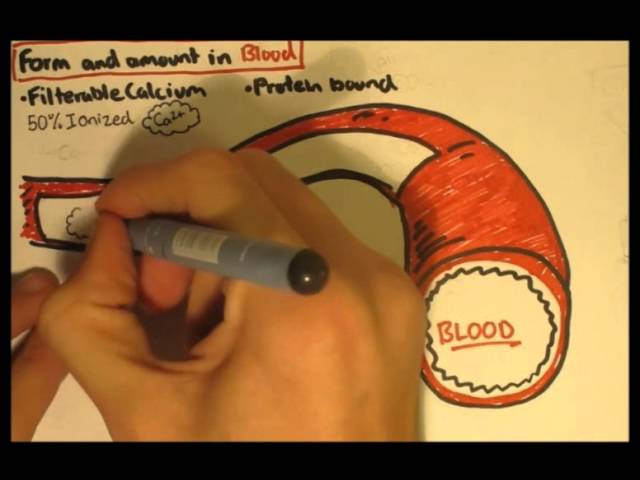
Bone Homeostasis (Calcium and Phosphorus) Part I
Learn how the body maintains bone health through the regulation of calcium and phosphorus balance in this educational video. Understand the key hormonal and cellular mechanisms involved in bone remodeling and mineral homeostasis—essential for physiology and clinical practice.
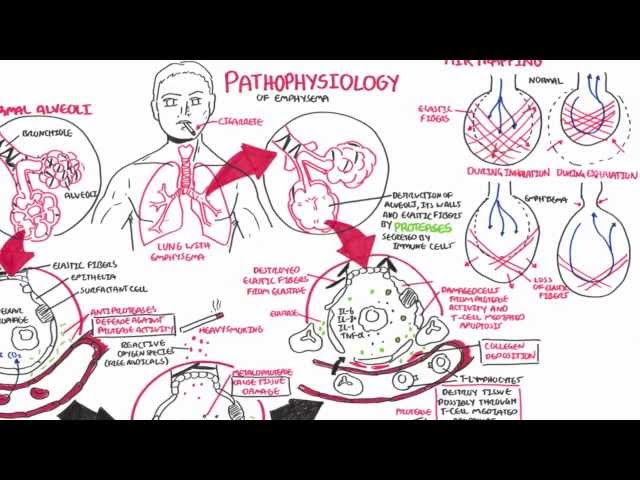
Emphysema – Pathophysiology (COPD)
Understand the pathophysiology of emphysema, a form of COPD, focusing on the destruction of alveolar walls and loss of elastic recoil in the lungs. This video explains how these changes impair airflow, trap air in the lungs, and contribute to progressive respiratory symptoms.
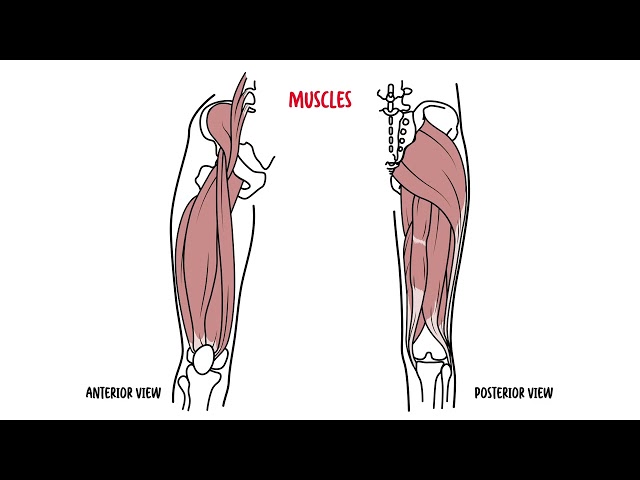
Anatomy of the Hip Joint | Capsule, Muscles & Clinical Relevance Explained
Learn the detailed anatomy of the hip joint in this concise medical video, covering the hip joint capsule, key muscles including iliopsoas, gluteals, and short external rotators, and relevant clinical conditions such as hip dislocations, vascular necrosis and examination techniques. This video is ideal for medical students, physiotherapists, orthopaedic trainees, and anyone studying musculoskeletal anatomy.…
Our mission
Medical science is complex. Understanding it should feel possible.
Armando Hasudungan turns difficult medical science into clear visual explanations and connected learning experiences—so learners can see the whole picture, remember what matters and find a clearer way forward.
See it clearly
Turn abstract processes and invisible relationships into something the learner can picture.
Connect the pieces
Build understanding around how concepts fit together—not a pile of isolated facts.
Make it useful
Help learners move from explanation to recall, revision and the next logical step.
What clarity feels like
When the topic stops being a blur.
Learners do not come back because the subject became easy. They come back because the explanation gave them a picture they could work with.
“Armando's teaching style gives me the foundational knowledge.
Jessica Payne-Burnett
Medical Student, Charles Sturt University
“The notes I make during his videos help me retain everything better.
Ayesha RaiStudent, Islamabad Medical and Dental College
“The drawings are amazing and super easy to remember.
Reem Mohamed Khair Abdalrazig
Student, Neelain University
Coming soon: the AH study platform
The explanation is only the start.
The free library helps you find a clear explanation. The AH platform is being built to help you connect the resources, follow a clearer path and check what actually stuck.
- Watch in a focused, ad-free study environment.
- Move between connected videos, notes, diagrams and questions.
- Know what belongs next instead of rebuilding the study path yourself.
- Test your understanding while the topic is still fresh.
New and worth a look
Keep building the picture.
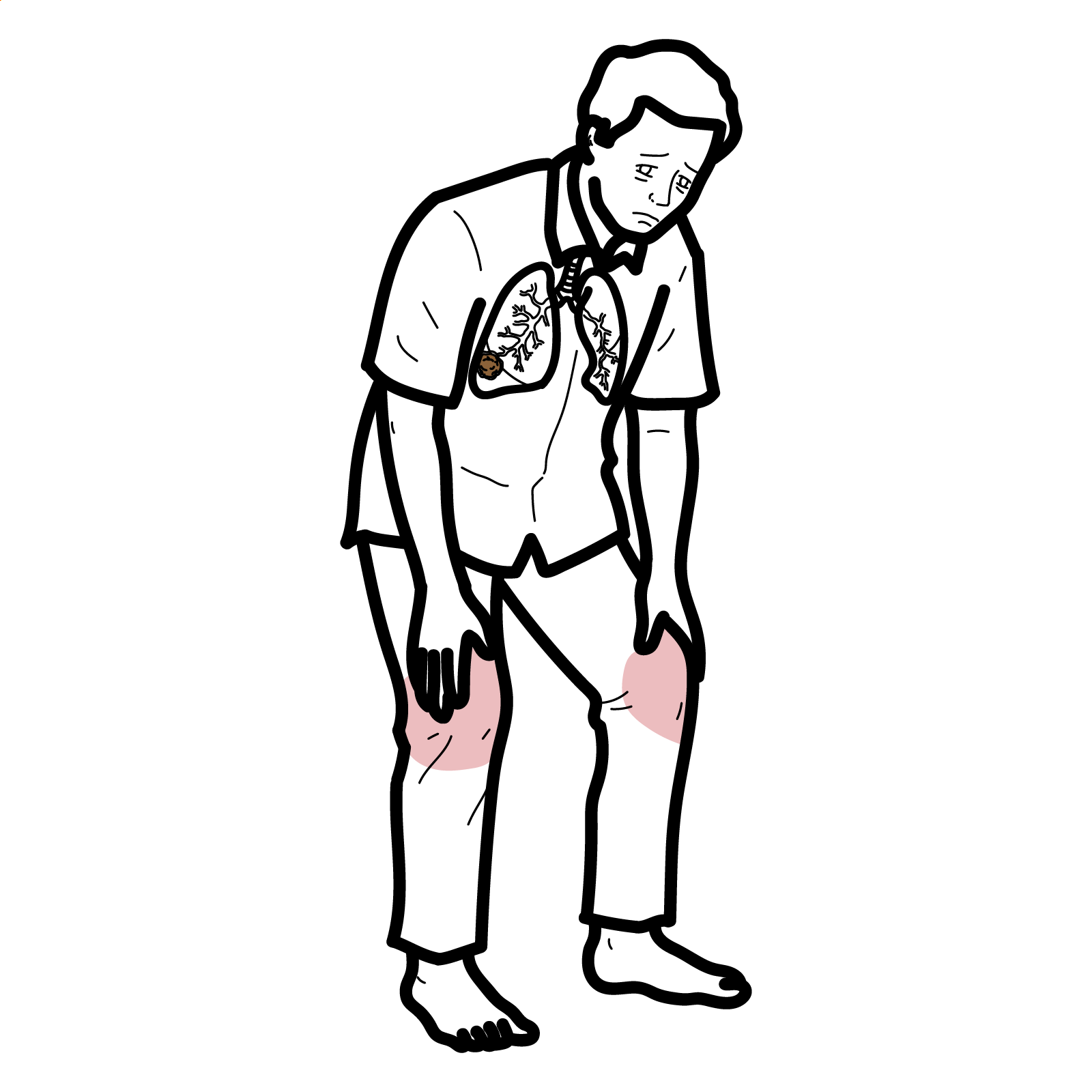
Lambert-Eaton Myasthenic Syndrome
Overview Lambert–Eaton myasthenic syndrome (LEMS) is a rare autoimmune disorder of the presynaptic neuromuscular junction. It causes impaired acetylcholine release, producing the characteristic triad of proximal muscle weakness, reduced reflexes and autonomic dysfunction. LEMS may occur as a paraneoplastic syndrome—most commonly associated with small-cell lung cancer (SCLC)—or as a non-tumour-associated autoimmune disorder. Neuromuscular junction: connection…
View this topic ↗About Visualising Medicine
Good education does not remove complexity. It makes complexity feel simple.
Visualising Medicine is the team behind Armando Hasudungan. We bring together medicine, illustration, writing and technology to make difficult ideas clearer—and build better ways for learners to use them.