

Visual explanationFree resource
Visual medical education by Armando Hasudungan
Medical science, drawn into focus.
Explore visual explanations that reveal how the facts, processes and clinical patterns fit together—then discover the coming AH study platform, built to guide what you study next and check what stuck.
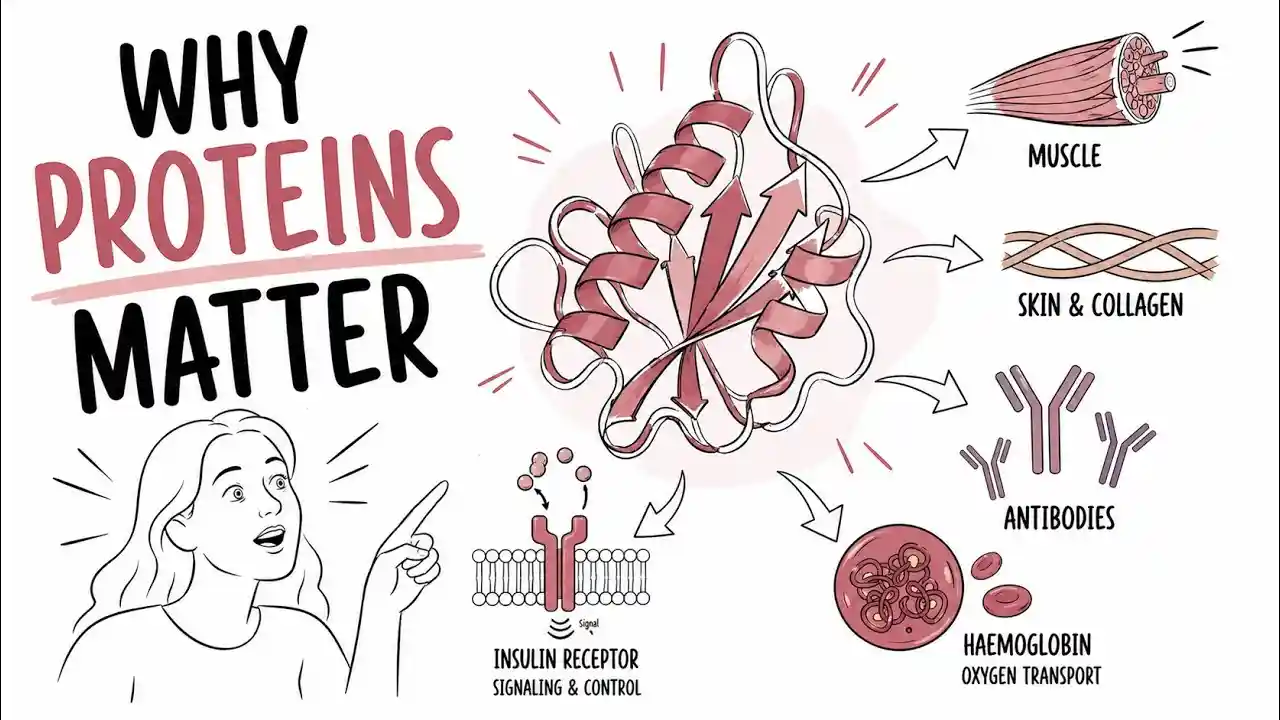
Connected studyComing soon
Clear visual explanations used by medical and allied-health learners around the world.
Explore the free library
Start with the topic in front of you.
Browse by subject or jump straight into the explanation you need. No account required.

DiGeorge Syndrome
Overview DiGeorge syndrome (22q11.2 deletion syndrome) is a congenital immunodeficiency and multisystem disorder caused by a microdeletion on chromosome 22. It leads to defective development of the third and fourth pharyngeal pouches, resulting in thymic hypoplasia/aplasia, hypocalcaemia due to parathyroid hypoplasia, and congenital heart defects. Prevalence is estimated at 1 in 4000 live births. Clinical…
View topic ↗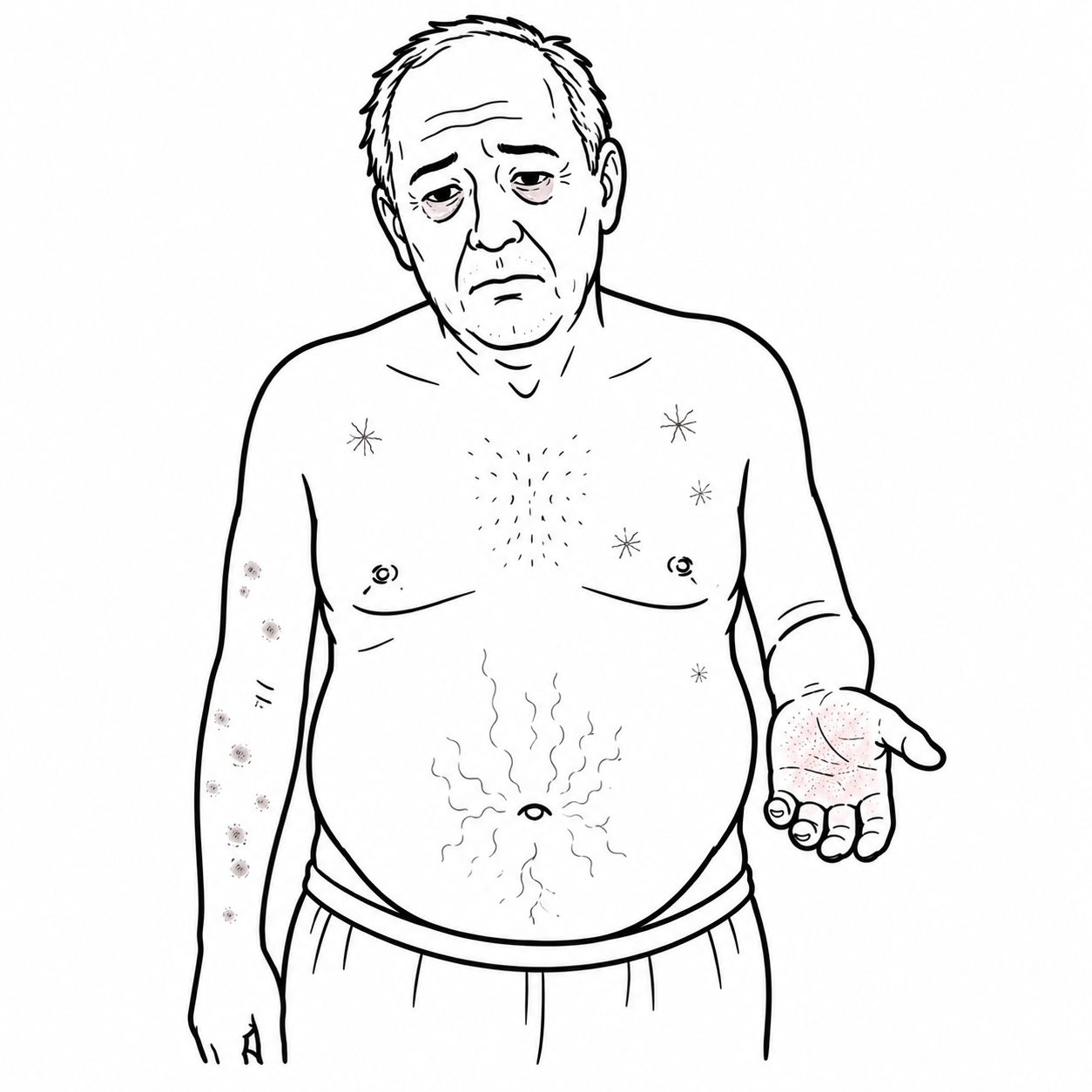
Liver Cirrhosis
Overview Cirrhosis is the advanced stage of chronic liver injury characterised by widespread fibrosis, regenerative nodules and distortion of normal hepatic architecture. This causes two major consequences: Portal hypertension Reduced hepatic function Cirrhosis may remain asymptomatic for years before progressing from a compensated to a decompensated stage. Compensated cirrhosis: cirrhosis without major clinical complications. Decompensated…
View topic ↗
Asthma
Overview Asthma is a chronic airway inflammation disorder due to complex interactions between inflammatory cells, mediators and airway cells. In young children in whom lung function testing is not feasible, including most preschool children, asthma is defined by the presence of variable respiratory symptoms. Asthma is one of the most common causes of presentation to the Emergency…
View topic ↗
Peptic Ulcer Disease
Overview Peptic ulcer refers to an ulcer in the lower oesophagus, stomach or duodenum. Incidence ↑ with age; both sexes are similarly affected. In the developed world, Helicobacter pylori incidence has been slowly ↓ over the past 50 yrs; Non-Steroidal Anti-Inflammatory drug (NSAID) use has ↑. Peptic ulcers remain common worldwide, especially in the developing world where H. pylori infection is prevalent.…
View topic ↗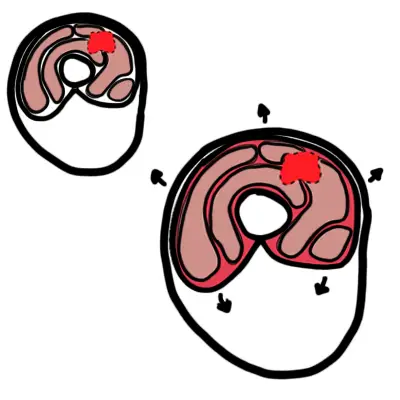
Acute Compartment Syndrome
Overview The muscle groups of the human limbs are divided into section or compartments. Acute compartment syndrome (ACS) occurs when increased pressure within a compartment compromises circulation and function of tissues within that area. common sites of ACS is the leg and forearm. Acute compartment syndrome: A critical pressure increase within a confined compartmental space causing…
View topic ↗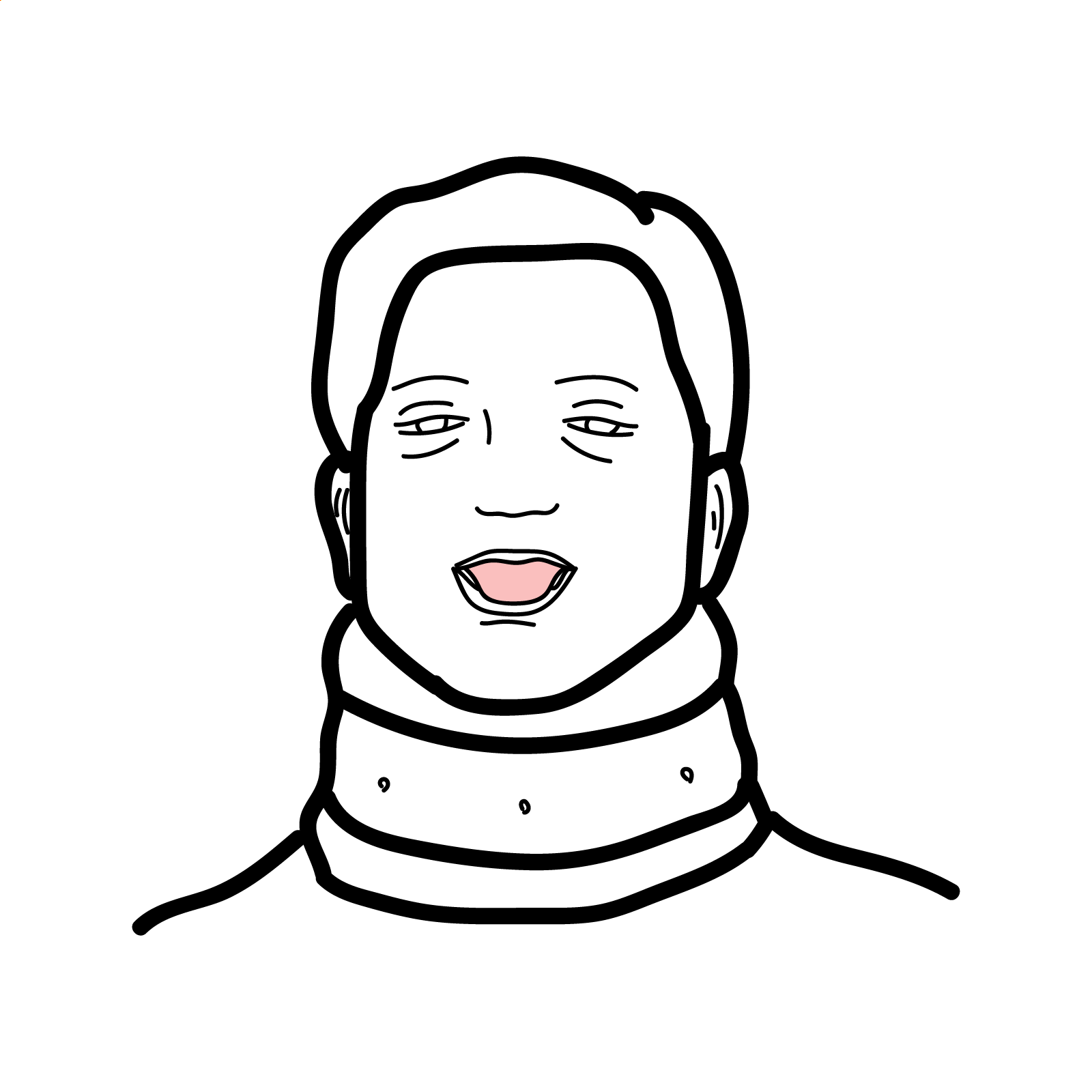
Botulism
Overview Botulism is a rare, life-threatening neuroparalytic syndrome caused by botulinum neurotoxin. It classically produces acute bilateral cranial nerve palsies followed by symmetrical descending flaccid paralysis, which may progress to respiratory failure. 1 Botulism is very rare in Australia, where most reported cases occur in infants younger than 12 months. Nevertheless, foodborne, wound and iatrogenic…
View topic ↗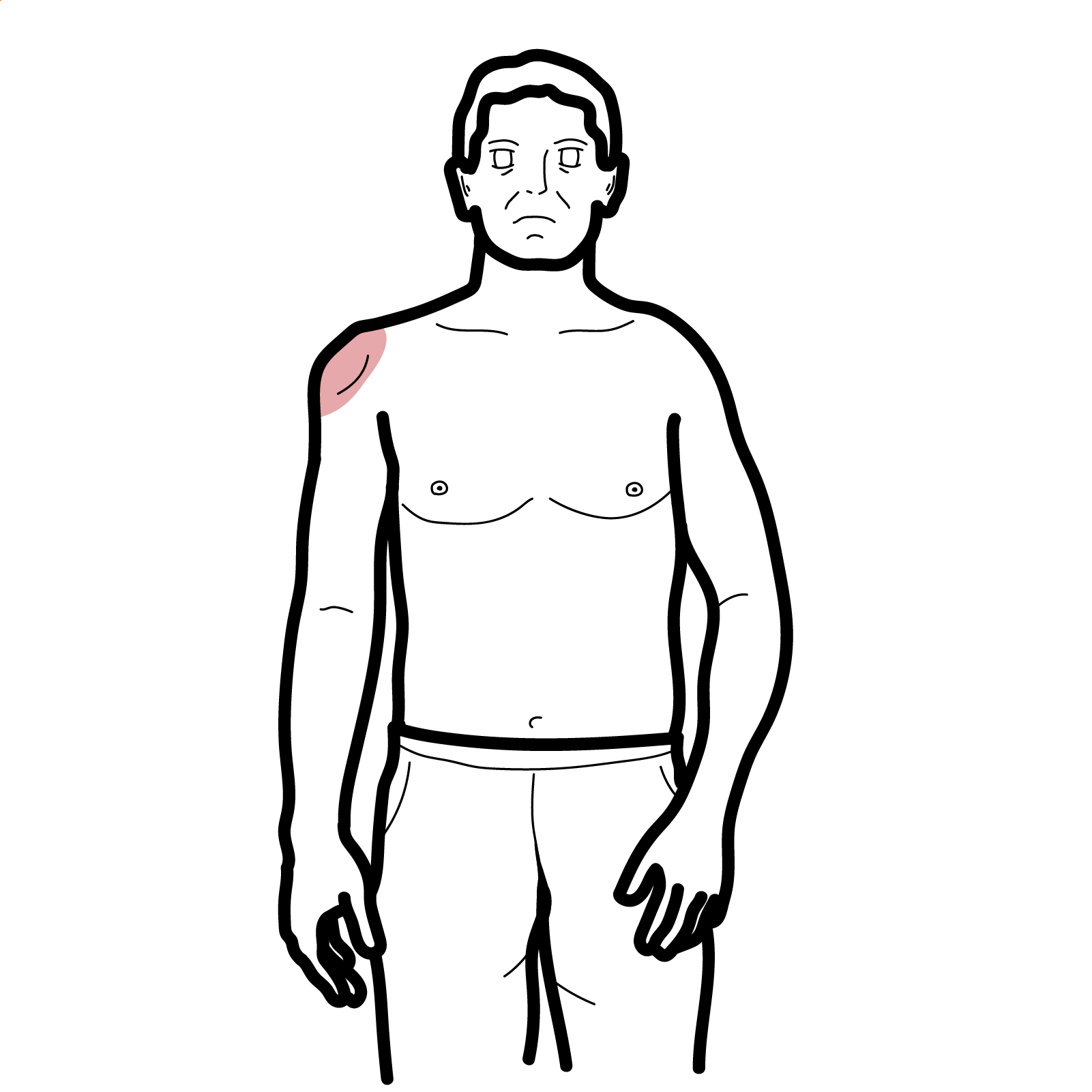
Basic Calcium Phosphate Disease / Milwaukee Shoulder Syndrome
Overview Basic Calcium Phosphate (BCP) disease is a crystal-associated arthropathy characterized by deposition of BCP crystals in periarticular and intra-articular tissues. A severe clinical presentation of BCP disease is Milwaukee Shoulder Syndrome, which typically affects elderly women, leading to rapid joint destruction, massive rotator cuff tears, and non-inflammatory joint effusion. It often involves the shoulder,…
View topic ↗Full resource library
Browse all topics ↗Choose how you learn
One idea. More than one way to see it.
Use the format that helps the topic click, then switch formats when you need to reinforce it.
01 / WATCH02 / READ03 / SEE04 / CHECK
Videos
Hand-drawn explanations that build the big picture as the concept unfolds.
Notes
Clear written explanations for review, reference and filling in the details.
Diagrams
Visual snapshots that help you easily review topics.
Questions
Test whether the explanation stayed with you—not just whether it looked familiar.
Good places to begin
Explanations learners return to.
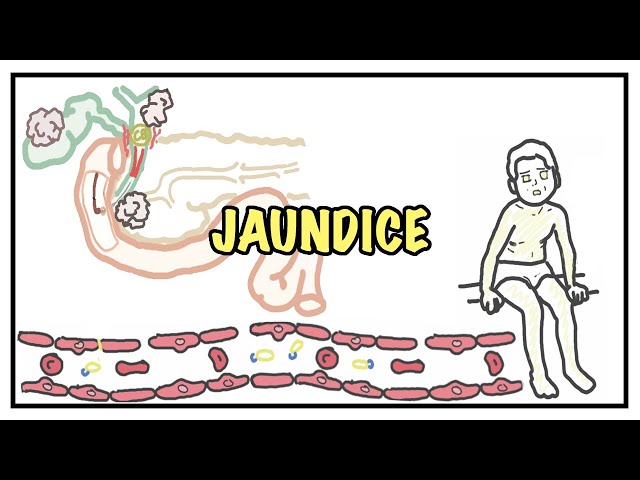
Approach to Jaundice – types and causes of hyperbilirubinemia, investigations
Understand the clinical approach to jaundice by exploring the types and causes of hyperbilirubinemia, including prehepatic, hepatic, and posthepatic origins. This video explains key diagnostic investigations and how to differentiate between various underlying conditions based on clinical and laboratory findings.
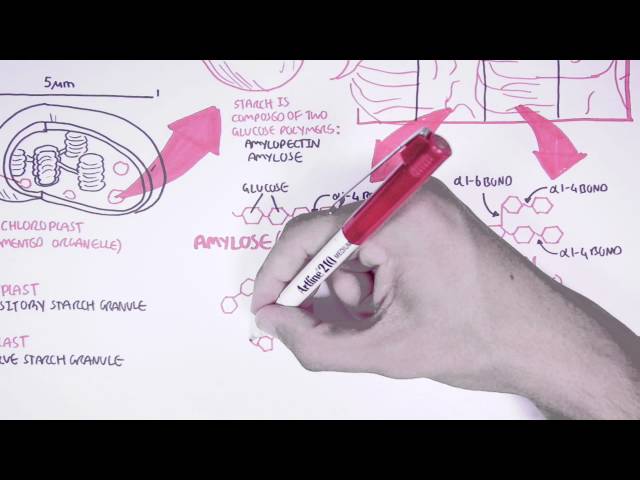
Starch
Starch is a major source of energy for the diet. Starch is made up of glucose molecules linked together forming linear chains and also branching chains. These chains are tightly packed and organised into granules where they are stored for energy in plants. By breaking this organised system and releasing the glucose, humans are able…
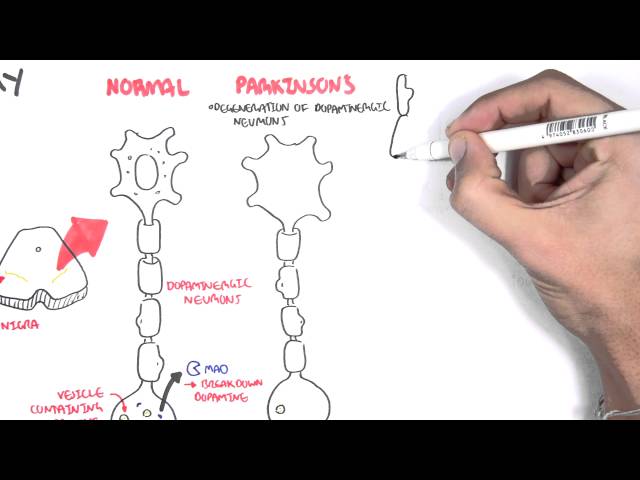
Pharmacology – Parkinson's Disease
This video provides a concise overview of Parkinson’s disease pharmacology, including key drug classes like levodopa, dopamine agonists, MAO-B inhibitors, and anticholinergics. Understand their mechanisms of action, clinical uses, and side effects in managing motor and non-motor symptoms of Parkinson’s disease.
Our mission
Medical science is complex. Understanding it should feel possible.
Armando Hasudungan turns difficult medical science into clear visual explanations and connected learning experiences—so learners can see the whole picture, remember what matters and find a clearer way forward.
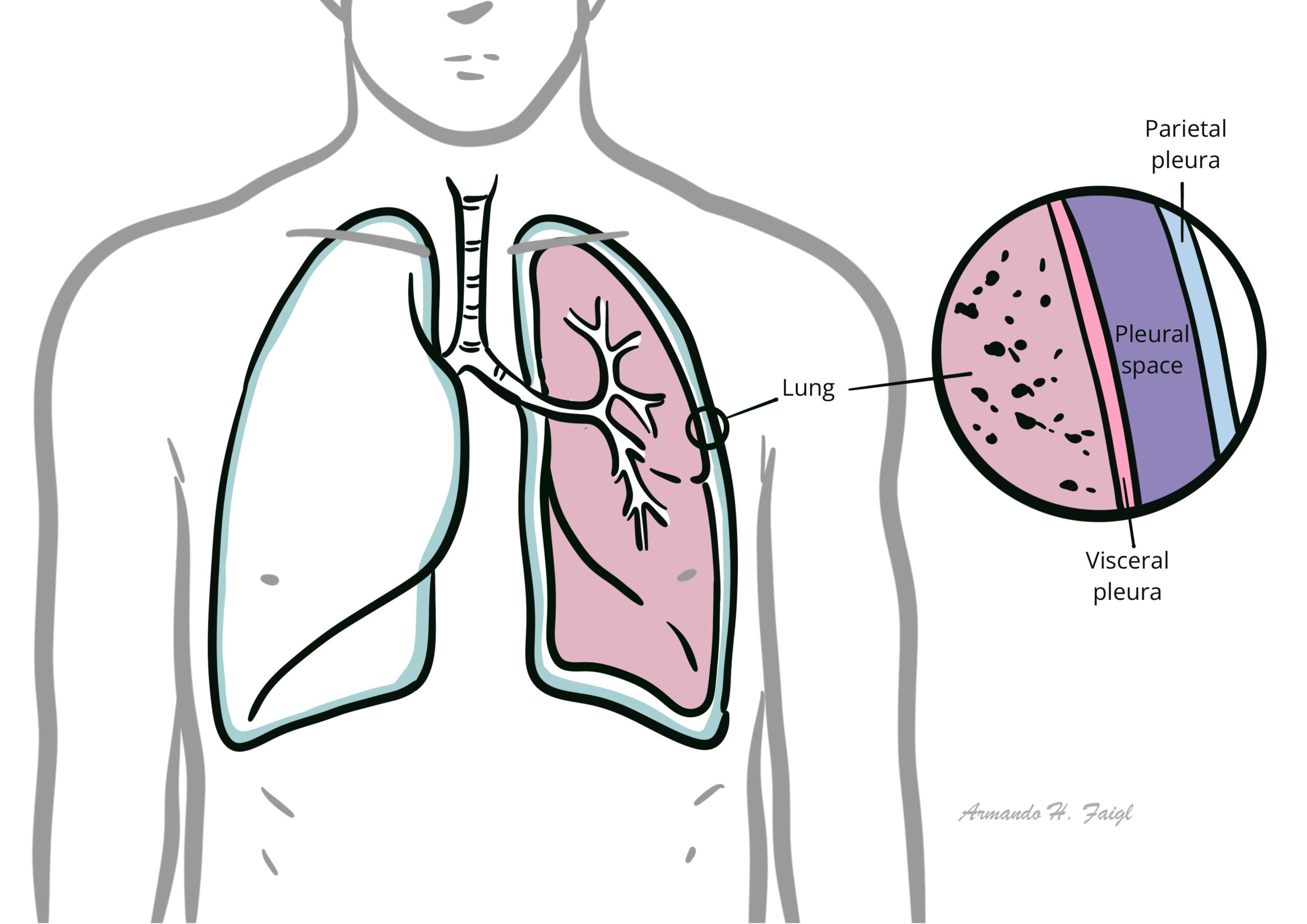
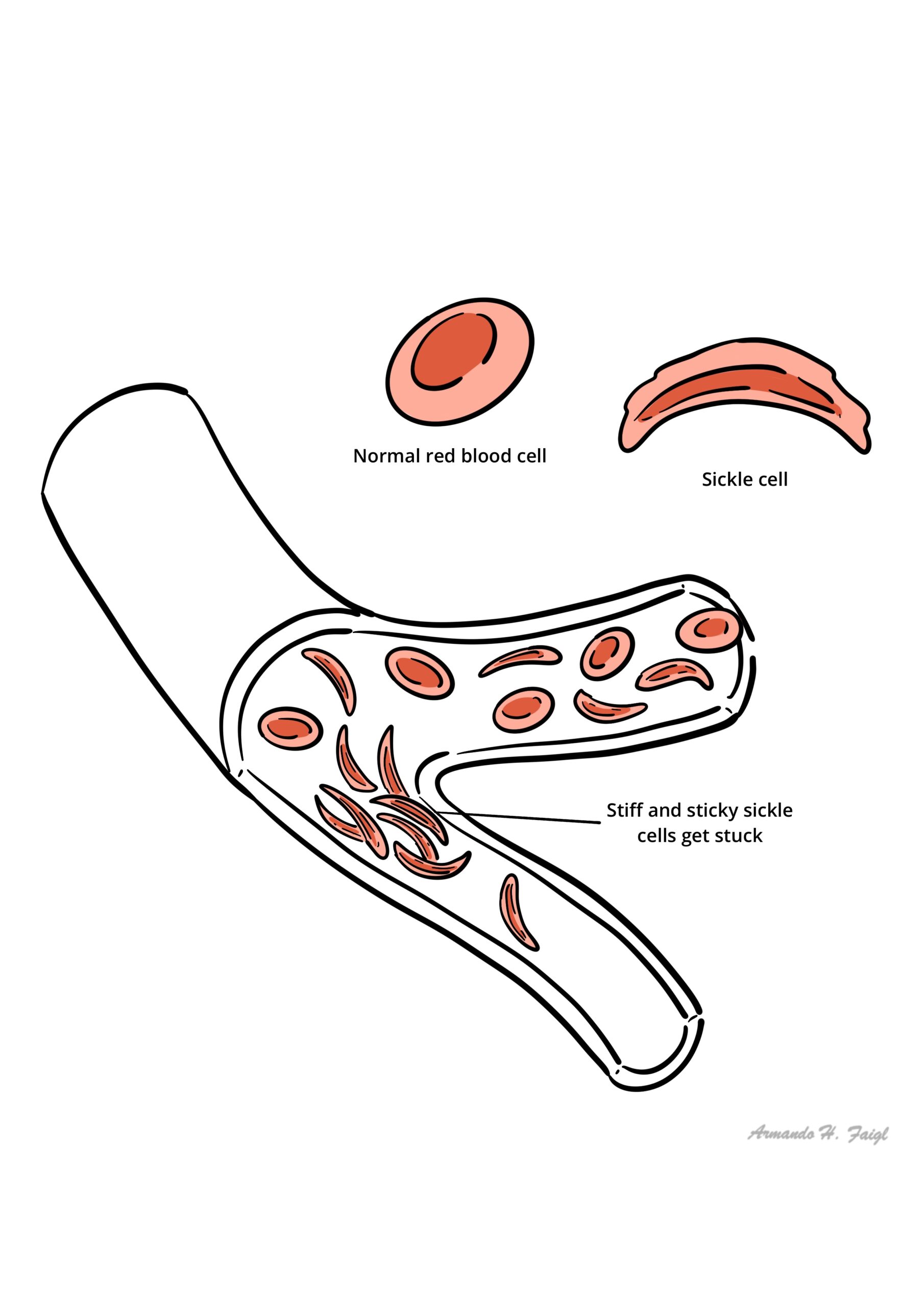
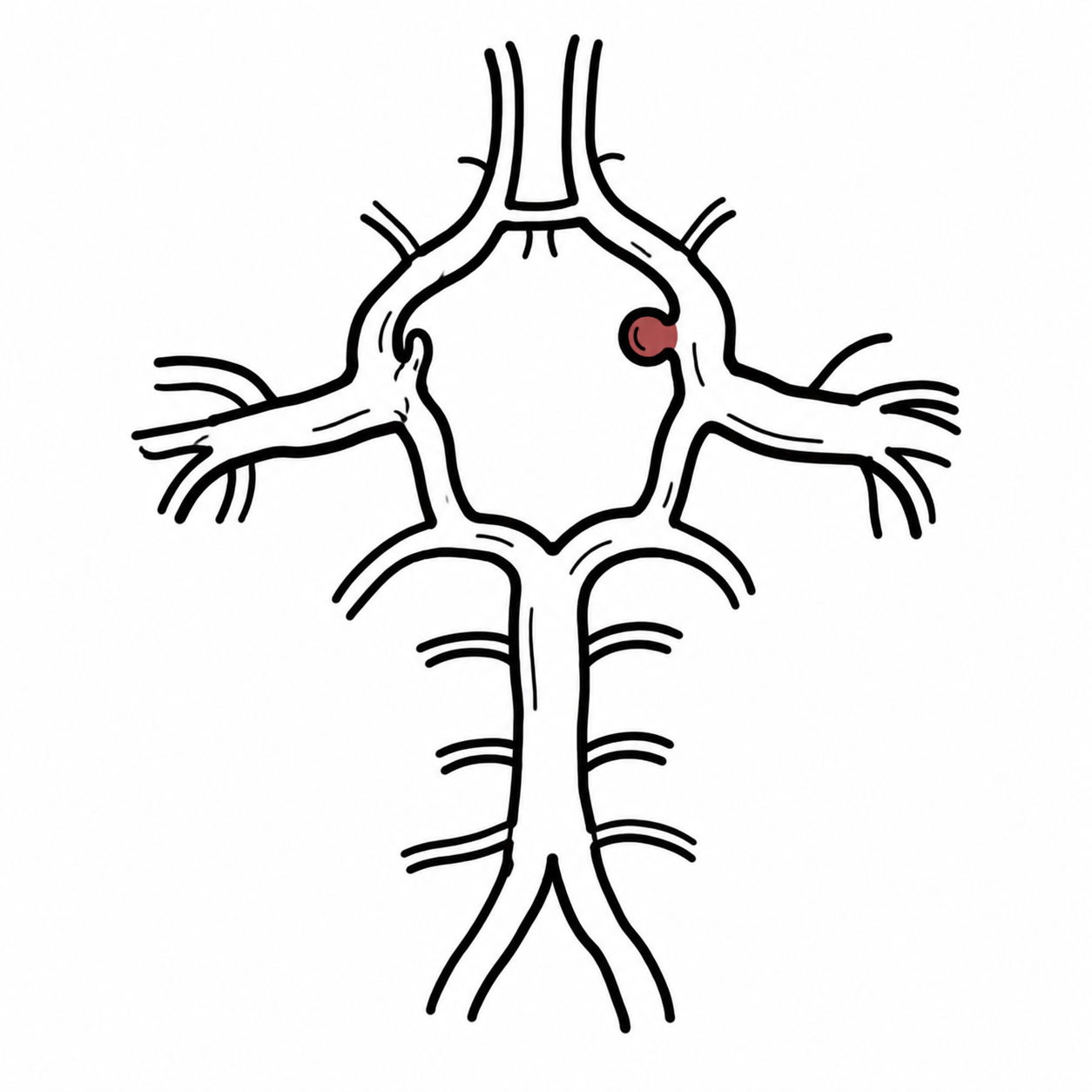
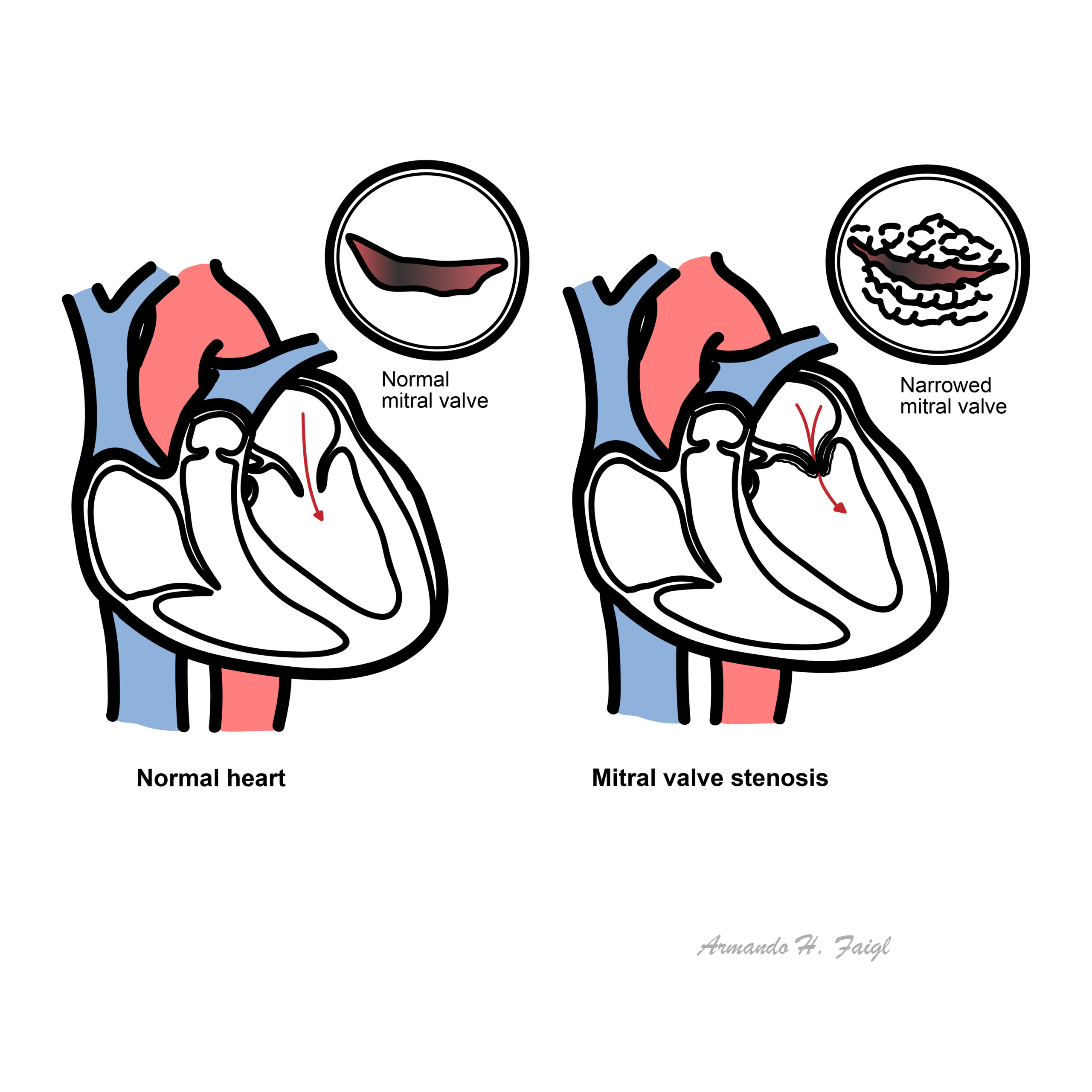
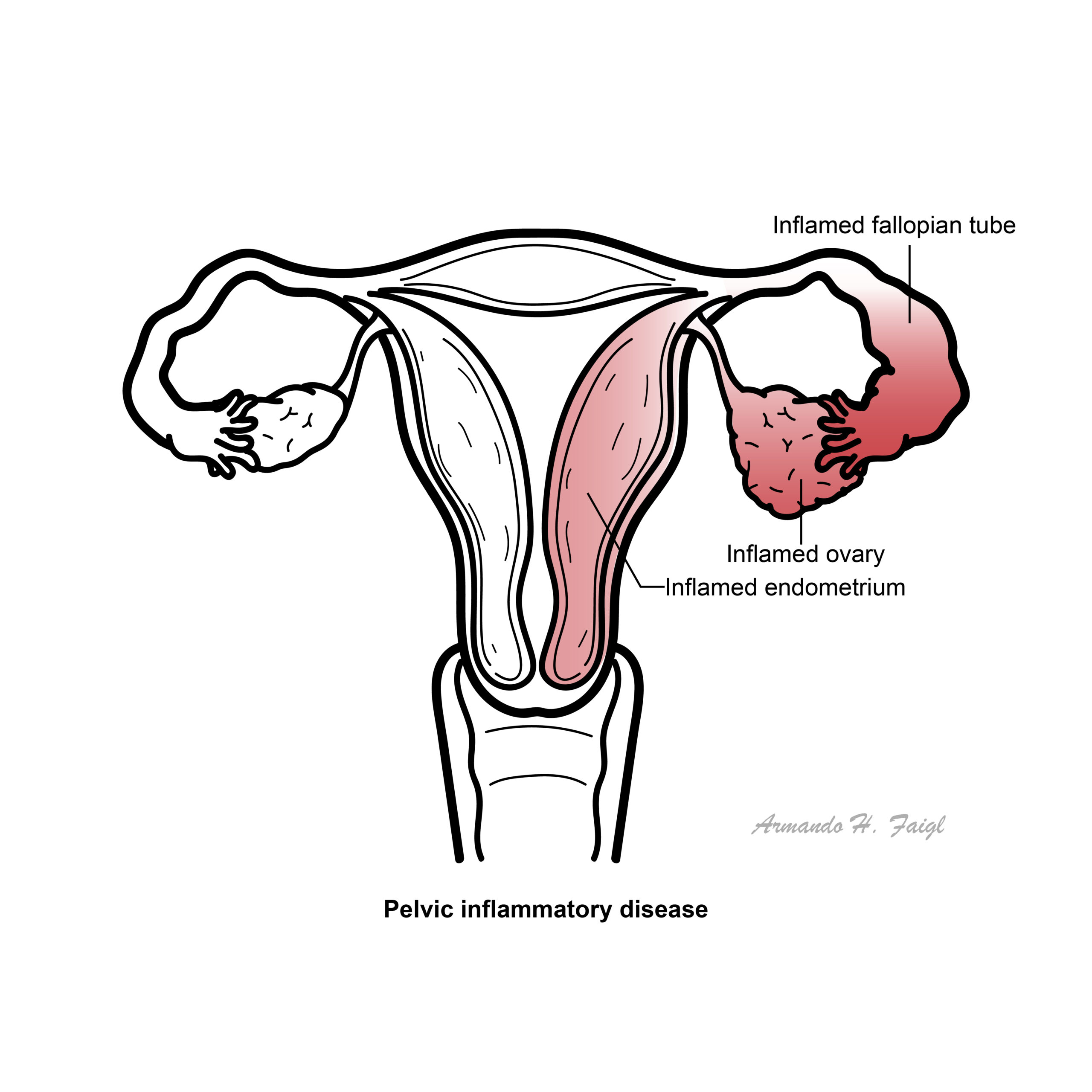
See it clearly
Turn abstract processes and invisible relationships into something the learner can picture.
Connect the pieces
Build understanding around how concepts fit together—not a pile of isolated facts.
Make it useful
Help learners move from explanation to recall, revision and the next logical step.
What clarity feels like
When the topic stops being a blur.
Learners do not come back because the subject became easy. They come back because the explanation gave them a picture they could work with.
“Armando's teaching style gives me the foundational knowledge.
Jessica Payne-Burnett
Medical Student, Charles Sturt University
“The notes I make during his videos help me retain everything better.
Ayesha RaiStudent, Islamabad Medical and Dental College
“The drawings are amazing and super easy to remember.
Reem Mohamed Khair Abdalrazig
Student, Neelain University
Coming soon: the AH study platform
The explanation is only the start.
The free library helps you find a clear explanation. The AH platform is being built to help you connect the resources, follow a clearer path and check what actually stuck.
- Watch in a focused, ad-free study environment.
- Move between connected videos, notes, diagrams and questions.
- Know what belongs next instead of rebuilding the study path yourself.
- Test your understanding while the topic is still fresh.
New and worth a look
Keep building the picture.

Cervical Radiculopathy
Overview Cervical radiculopathy is dysfunction of a cervical nerve root caused by irritation or compression as it leaves the spine. It commonly produces pain radiating from the neck into one arm, sometimes with paraesthesia, numbness, weakness or altered reflexes. A disc herniation or degenerative narrowing of the neural foramen is a common cause. Diagnosis is…
View this topic ↗About Visualising Medicine
Good education does not remove complexity. It makes complexity feel simple.
Visualising Medicine is the team behind Armando Hasudungan. We bring together medicine, illustration, writing and technology to make difficult ideas clearer—and build better ways for learners to use them.