

Visual explanationFree resource
Visual medical education by Armando Hasudungan
Medical science, drawn into focus.
Explore visual explanations that reveal how the facts, processes and clinical patterns fit together—then discover the coming AH study platform, built to guide what you study next and check what stuck.
Connected studyComing soon
Clear visual explanations used by medical and allied-health learners around the world.
Explore the free library
Start with the topic in front of you.
Browse by subject or jump straight into the explanation you need. No account required.
Granulomatosis with Polyangiitis
Overview Granulomatosis with polyangiitis (formerly Wegener’s granulomatosis) is a rare, chronic, systemic necrotising vasculitis affecting small-to-medium-sized vessels, characterised by granulomatous inflammation, necrotising vasculitis, and tissue destruction, primarily involving the upper and lower respiratory tracts and kidneys. It falls under the ANCA-associated vasculitides (AAV). Peak incidence is in the 5th–6th decade, with slight male predominance and…
View topic ↗Chronic Pancreatitis
Overview Chronic pancreatitis is characterised by recurrent or persistent abdominal pain arising from the pancreas. The inflammatory process results in irreversible destruction and fibrosis of the pancreas. Often associated with exocrine or endocrine pancreatic insufficiency. Acute Pancreatitis: An inflammatory process in which pancreatic enzymes are activated and cause autodigestion of the gland. Chronic Pancreatitis: Irreversible…
View topic ↗Myotonic Dystrophy
Overview Autosomal dominant disease characterised by trinucleotide repeat of CTG. Also known as Dystrophica Myotoncia the disease is causes an increase in muscle tone (Myotonia) with associated degeneration and shrinkage of muscle fibres (Dystrophy). Pathophysiology Genetic mutations -> abnormal mRNA abnormal mRNA like these do not leave the nucleus The abnormal mRNA can cause these…
View topic ↗Asthma
Overview Asthma is a chronic airway inflammation disorder due to complex interactions between inflammatory cells, mediators and airway cells. In young children in whom lung function testing is not feasible, including most preschool children, asthma is defined by the presence of variable respiratory symptoms. Asthma is one of the most common causes of presentation to the Emergency…
View topic ↗Crystal Arthropathy
Overview Crystal arthropathies are a diverse group of disorders characterized by deposition of various minerals in joints and soft tissues leading to inflammation. Four main types of crystal arthropathies: Gout : The most common of all the crystal arthropathies, caused by monosodium urate crystal precipitation, and its prevalence appears to be increasing. Pseudogout: caused by calcium…
View topic ↗Addison's Disease
Overview Addison's disease is a disease characterised by adrenal insufficiency. Adrenal insufficiency results in a decrease of the adrenal gland hormones: mineralocorticoids, glucocorticoids and to an extent androgens. There are many causes of addison's disease. The most common cause in the developed world is autoimmune (approximately 70% cases). Signs and symptoms of adrenal sufficiency don't…
View topic ↗Irritable Bowel Syndrome (IBS)
Overview Complex chronic syndrome characterised by recurrent abdominal pain and bowel dysfunction, in the absence of a structural abnormality. It is not associated with an increase in mortality, however, it is associated with substantial morbidity and a significant decrease in an individual’s quality of life. IBS IBD IBS belongs to a group of disorders collectively known as Functional…
View topic ↗Full resource library
Browse all topics ↗Choose how you learn
One idea. More than one way to see it.
Use the format that helps the topic click, then switch formats when you need to reinforce it.
01 / WATCH02 / READ03 / SEE04 / CHECK
Videos
Hand-drawn explanations that build the big picture as the concept unfolds.
Notes
Clear written explanations for review, reference and filling in the details.
Diagrams
Visual snapshots that help you easily review topics.
Questions
Test whether the explanation stayed with you—not just whether it looked familiar.
Good places to begin
Explanations learners return to.
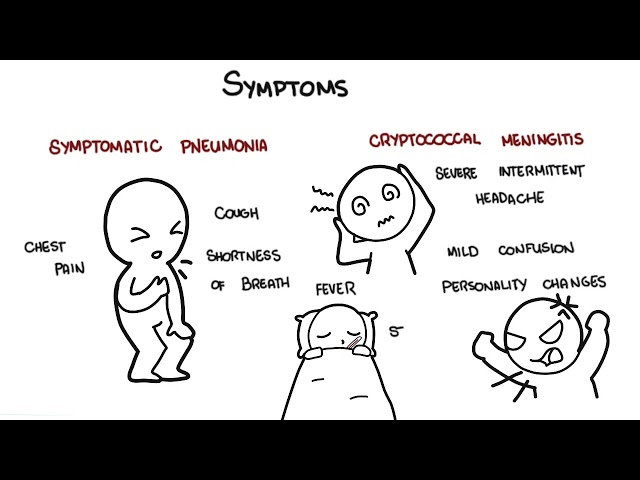
Cryptococcus neoformans infection – symptoms, pathophysiology, diagnosis, treatment
Explore Cryptococcus neoformans infection, a fungal disease that primarily affects the lungs and central nervous system, especially in immunocompromised individuals. This video covers its symptoms, pathophysiology, diagnostic methods, and current treatment options including antifungal therapy.
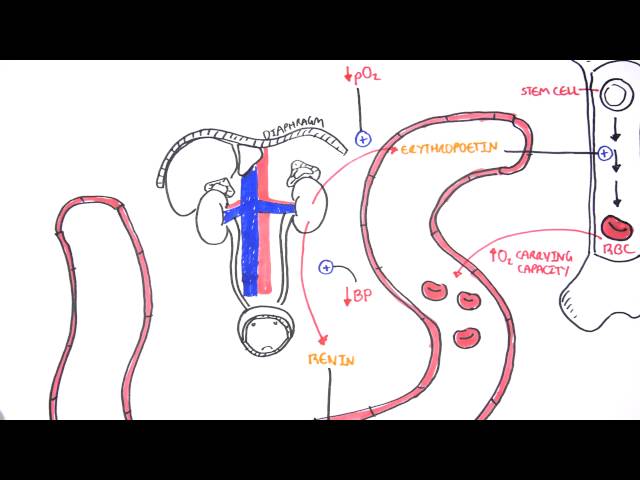
Endocrinology – Renal Hormones
Explore the key renal hormones—renin, erythropoietin, and calcitriol—and their roles in blood pressure regulation, red blood cell production, and calcium balance. This video offers a clear overview of how the kidneys function as vital endocrine organs.
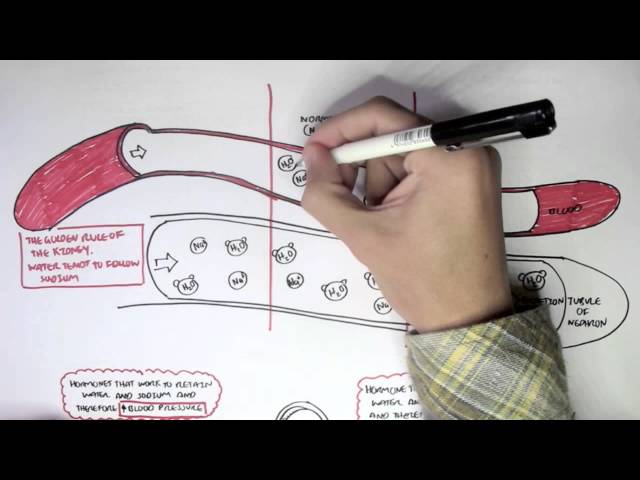
Part I – Regulation of Blood Pressure (Hormones)
Explore how hormones regulate blood pressure through mechanisms involving the renin-angiotensin-aldosterone system, antidiuretic hormone, and atrial natriuretic peptide. This video explains how these hormonal pathways interact to control fluid balance, vascular tone, and overall circulatory stability.
Our mission
Medical science is complex. Understanding it should feel possible.
Armando Hasudungan turns difficult medical science into clear visual explanations and connected learning experiences—so learners can see the whole picture, remember what matters and find a clearer way forward.
See it clearly
Turn abstract processes and invisible relationships into something the learner can picture.
Connect the pieces
Build understanding around how concepts fit together—not a pile of isolated facts.
Make it useful
Help learners move from explanation to recall, revision and the next logical step.
What clarity feels like
When the topic stops being a blur.
Learners do not come back because the subject became easy. They come back because the explanation gave them a picture they could work with.
“Armando's teaching style gives me the foundational knowledge.
Jessica Payne-Burnett
Medical Student, Charles Sturt University
“The notes I make during his videos help me retain everything better.
Ayesha RaiStudent, Islamabad Medical and Dental College
“The drawings are amazing and super easy to remember.
Reem Mohamed Khair Abdalrazig
Student, Neelain University
Coming soon: the AH study platform
The explanation is only the start.
The free library helps you find a clear explanation. The AH platform is being built to help you connect the resources, follow a clearer path and check what actually stuck.
- Watch in a focused, ad-free study environment.
- Move between connected videos, notes, diagrams and questions.
- Know what belongs next instead of rebuilding the study path yourself.
- Test your understanding while the topic is still fresh.
New and worth a look
Keep building the picture.
Lambert-Eaton Myasthenic Syndrome
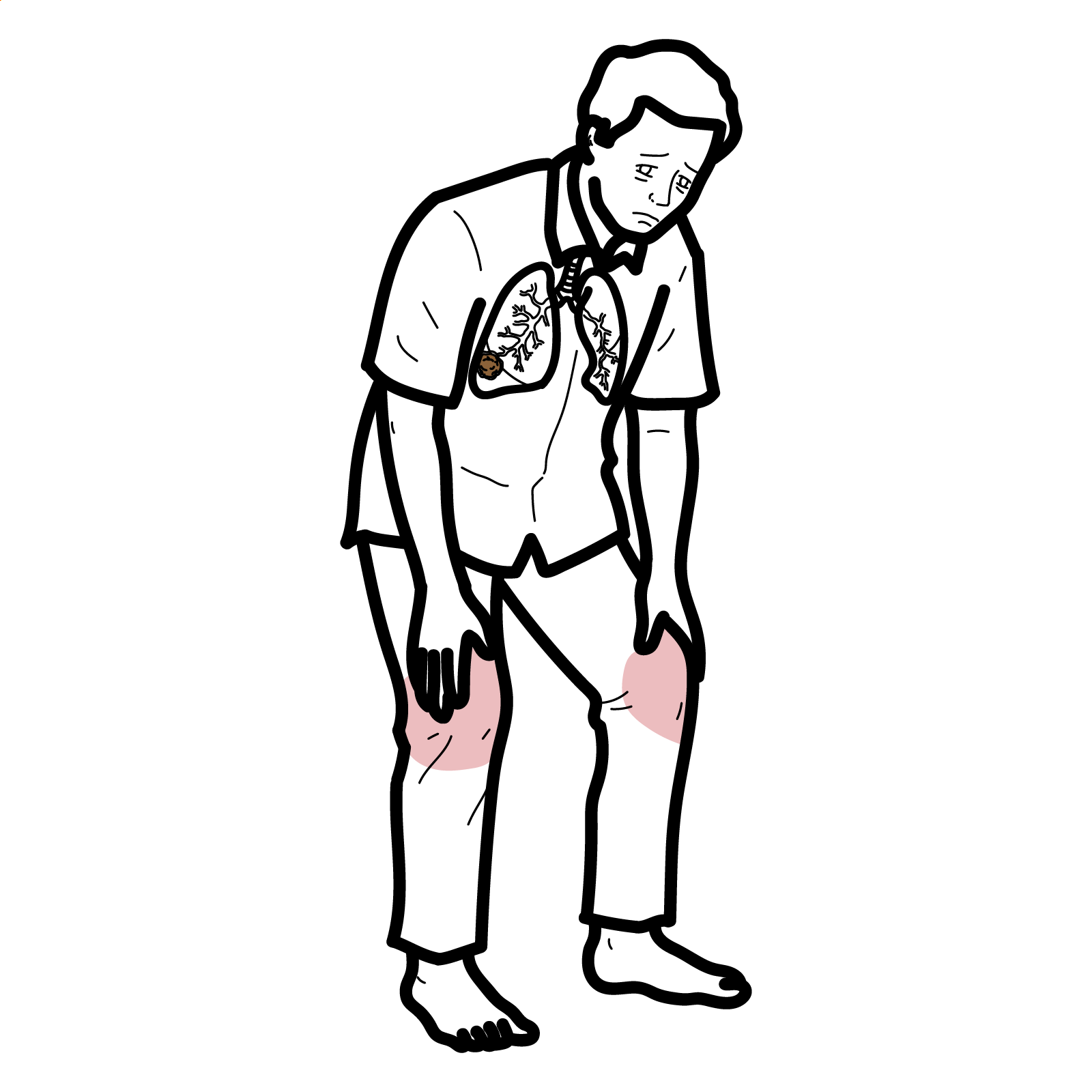
Overview Lambert–Eaton myasthenic syndrome (LEMS) is a rare autoimmune disorder of the presynaptic neuromuscular junction. It causes impaired acetylcholine release, producing the characteristic triad of proximal muscle weakness, reduced reflexes and autonomic dysfunction. LEMS may occur as a paraneoplastic syndrome—most commonly associated with small-cell lung cancer (SCLC)—or as a non-tumour-associated autoimmune disorder. Neuromuscular junction: connection…
View this topic ↗About Visualising Medicine
Good education does not remove complexity. It makes complexity feel simple.
Visualising Medicine is the team behind Armando Hasudungan. We bring together medicine, illustration, writing and technology to make difficult ideas clearer—and build better ways for learners to use them.