

Visual explanationFree resource
Visual medical education by Armando Hasudungan
Medical science, drawn into focus.
Explore visual explanations that reveal how the facts, processes and clinical patterns fit together—then discover the coming AH study platform, built to guide what you study next and check what stuck.
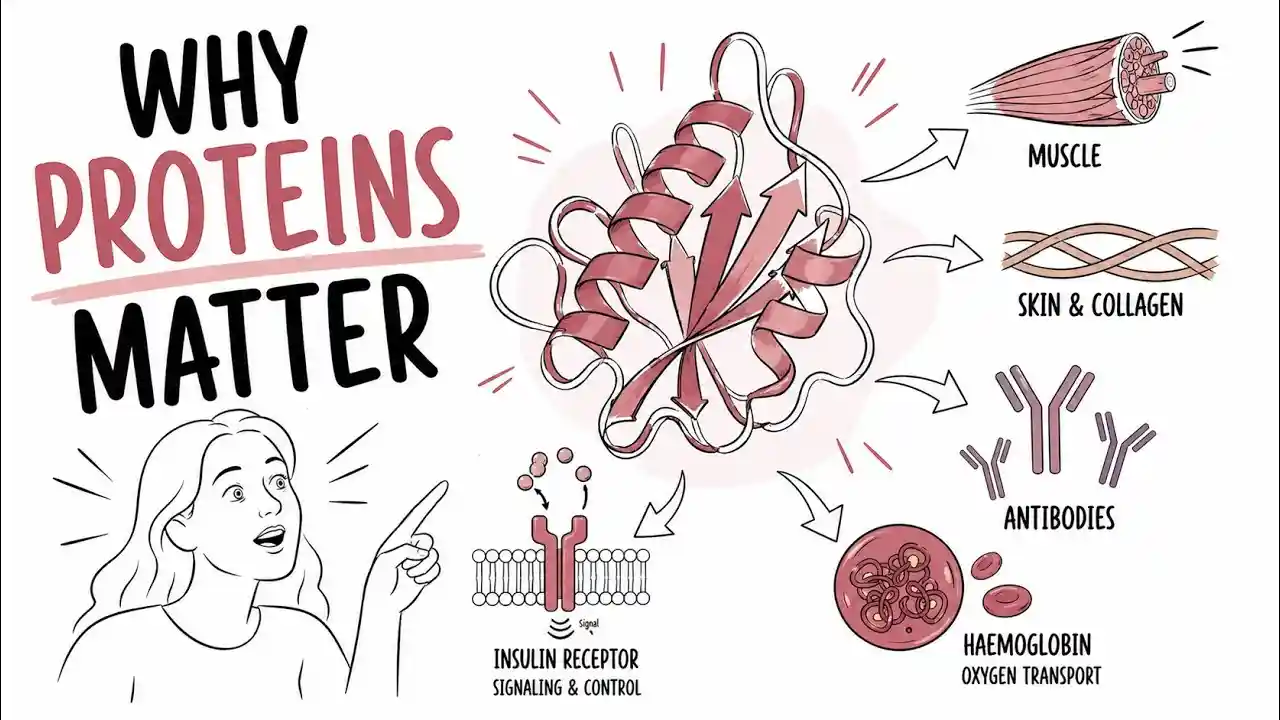
Connected studyComing soon
Clear visual explanations used by medical and allied-health learners around the world.
Explore the free library
Start with the topic in front of you.
Browse by subject or jump straight into the explanation you need. No account required.
Amyloidosis (Overview)
Overview Amyloidosis is a disorder in which misfolded proteins aggregate into insoluble beta-pleated sheet fibrils and deposit extracellularly in tissues, leading to progressive organ dysfunction. It may be systemic or localized . In current practice, the most clinically important systemic forms are AL (light-chain), AA (serum amyloid A), and ATTR (transthyretin; hereditary or wild-type) .…
View topic ↗Testicular Torsion
Overview Testicular torsion is a urological emergency caused by twisting of the spermatic cord, leading to acute interruption of blood flow to the testis and rapid ischemia. It most commonly occurs in adolescents (peak 12–18 years) but can occur at any age, including neonates. The incidence is approximately 1 in 4,000 males under 25 years. Early…
View topic ↗Achilles Tendinopathy & Rupture
Overview Achilles tendinopathy & rupture are common causes of posterior ankle pain and disability, particularly in active adults. Tendinopathy presents with chronic pain, stiffness, and impaired function, while rupture is an acute injury characterised by a sudden “pop” and loss of plantarflexion power. Achilles tendon injuries are increasingly prevalent due to sports participation, with rupture…
View topic ↗Mesenteric Ischaemia
Aetiology and Risk Factors Aetiology Acute mesenteric ischemia can result from occlusion of a mesenteric vessel arising from an embolus, which may emanate from an atheroma of the aorta or cardiac mural thrombus, or from primary thrombosis of a mesenteric vessel, usually at a site of atherosclerotic stenosis. Embolic occlusion is more common in the…
View topic ↗Anal Fissure
Overview Anal fissure is a split in the skin of the distal anal canal. It presents with severe pain on defecation, like passing “glass shards”, and rectal bleeding. It is more frequently diagnosed in younger and middle-aged individuals. Anal fissures are mostly caused by passage of hard stool but can also be a result of…
View topic ↗Paediatric Orthopaedics Overview
Osteochondroses Osteochondroses is a condition that affects the epiphysis of bones. Pathology consists of localised area of ischaemic bone necrosis and oedema of adjacent soft tissue. Osteochondroses result in avascular necrosis of the epiphyseal bone, similar to Perthes disease, but less common. In general osteochondroses is more troublesome than serious. Age effects usually 10-15 +/-…
View topic ↗Chronic Widespread Pain
Overview Chronic widespread pain (CWP) is a nociplastic pain phenotype defined by persistent (≥3 months) pain affecting multiple body regions, with high comorbidity with fatigue, sleep disturbance, mood symptoms and functional impairment. The pooled global prevalence is ~10% (women>men), with higher rates in lower-HDI settings. CWP is recognised in ICD-11 within the chronic primary pain…
View topic ↗Full resource library
Browse all topics ↗Choose how you learn
One idea. More than one way to see it.
Use the format that helps the topic click, then switch formats when you need to reinforce it.
01 / WATCH02 / READ03 / SEE04 / CHECK
Videos
Hand-drawn explanations that build the big picture as the concept unfolds.
Notes
Clear written explanations for review, reference and filling in the details.
Diagrams
Visual snapshots that help you easily review topics.
Questions
Test whether the explanation stayed with you—not just whether it looked familiar.
Good places to begin
Explanations learners return to.
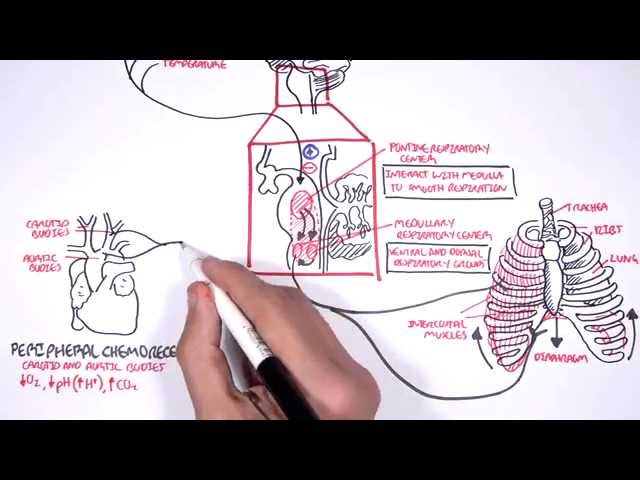
Control Of Respiration (regulation of breathing)
Explore how breathing is regulated by the respiratory centers in the brainstem, responding to changes in carbon dioxide, oxygen, and pH levels. This video explains the roles of central and peripheral chemoreceptors and how they adjust respiratory rate and depth to maintain homeostasis.
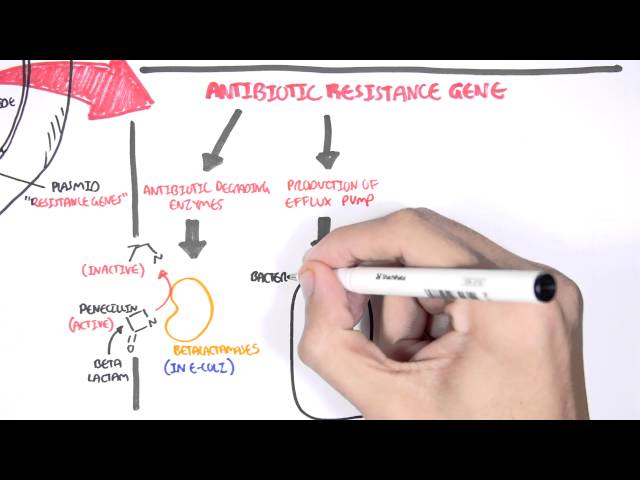
Microbiology – Bacteria Antibiotic Resistance
Understand how bacteria develop antibiotic resistance through genetic mutations and horizontal gene transfer. This video explains key resistance mechanisms, such as enzyme production, altered drug targets, and efflux pumps, and their impact on treatment effectiveness.
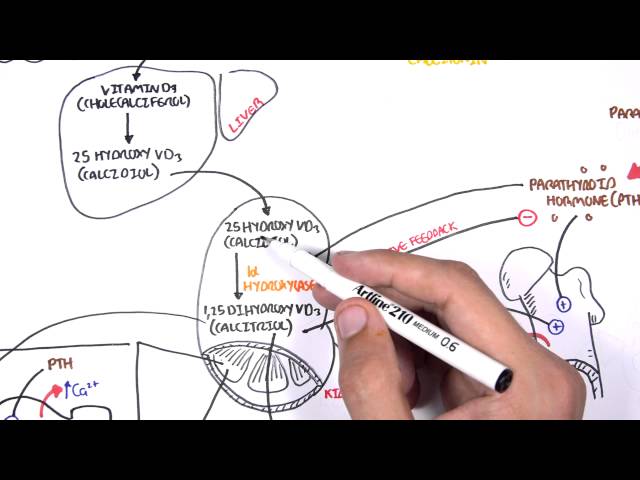
Endocrinology – Calcium and Phosphate Regulation
Understand calcium and phosphate regulation in endocrinology, focusing on the roles of PTH, vitamin D, and calcitonin. This video breaks down hormonal control mechanisms and their impact on bone, kidney, and gut physiology for clear clinical insight.
Our mission
Medical science is complex. Understanding it should feel possible.
Armando Hasudungan turns difficult medical science into clear visual explanations and connected learning experiences—so learners can see the whole picture, remember what matters and find a clearer way forward.
See it clearly
Turn abstract processes and invisible relationships into something the learner can picture.
Connect the pieces
Build understanding around how concepts fit together—not a pile of isolated facts.
Make it useful
Help learners move from explanation to recall, revision and the next logical step.
What clarity feels like
When the topic stops being a blur.
Learners do not come back because the subject became easy. They come back because the explanation gave them a picture they could work with.
“Armando's teaching style gives me the foundational knowledge.
Jessica Payne-Burnett
Medical Student, Charles Sturt University
“The notes I make during his videos help me retain everything better.
Ayesha RaiStudent, Islamabad Medical and Dental College
“The drawings are amazing and super easy to remember.
Reem Mohamed Khair Abdalrazig
Student, Neelain University
Coming soon: the AH study platform
The explanation is only the start.
The free library helps you find a clear explanation. The AH platform is being built to help you connect the resources, follow a clearer path and check what actually stuck.
- Watch in a focused, ad-free study environment.
- Move between connected videos, notes, diagrams and questions.
- Know what belongs next instead of rebuilding the study path yourself.
- Test your understanding while the topic is still fresh.
New and worth a look
Keep building the picture.
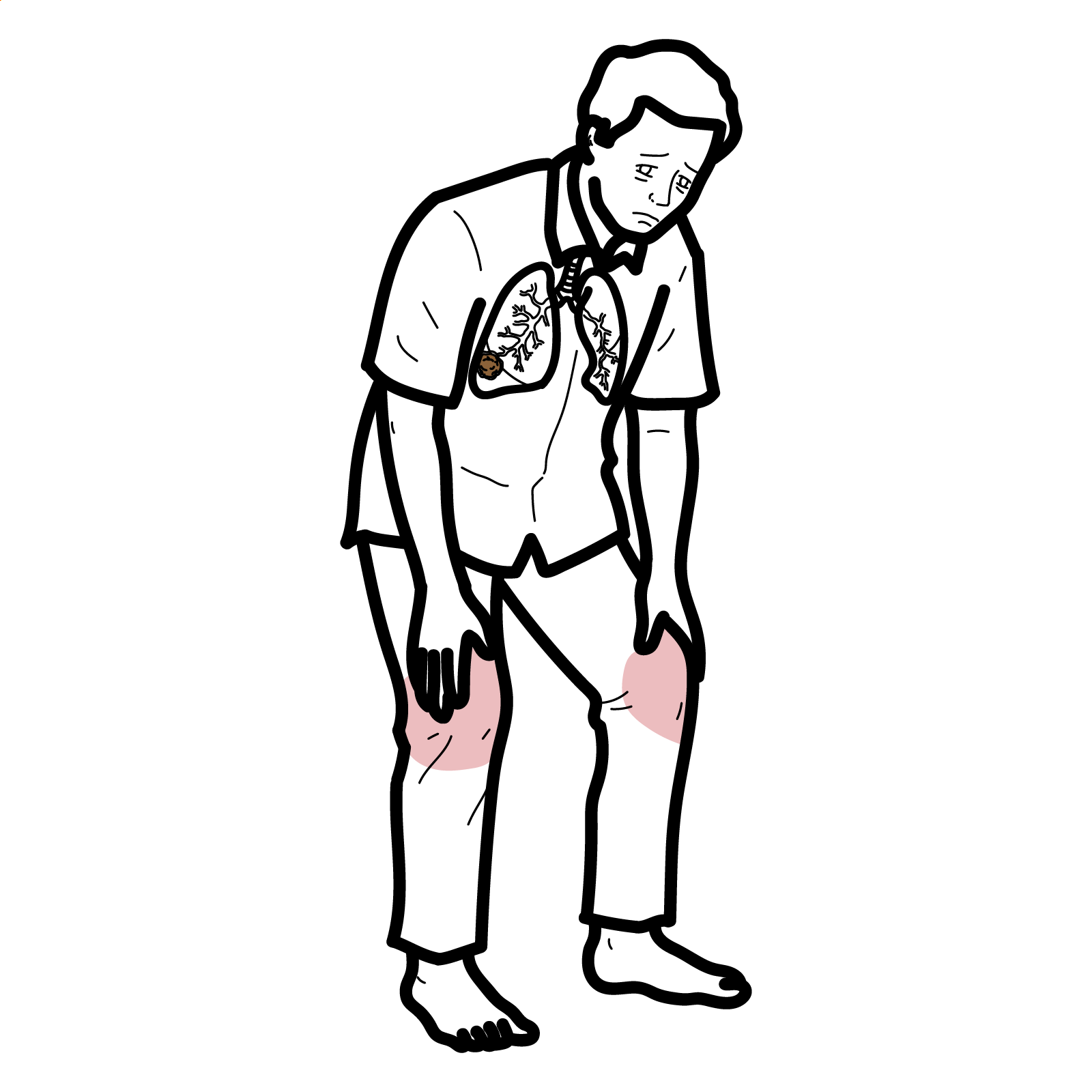
Lambert-Eaton Myasthenic Syndrome
Overview Lambert–Eaton myasthenic syndrome (LEMS) is a rare autoimmune disorder of the presynaptic neuromuscular junction. It causes impaired acetylcholine release, producing the characteristic triad of proximal muscle weakness, reduced reflexes and autonomic dysfunction. LEMS may occur as a paraneoplastic syndrome—most commonly associated with small-cell lung cancer (SCLC)—or as a non-tumour-associated autoimmune disorder. Neuromuscular junction: connection…
View this topic ↗About Visualising Medicine
Good education does not remove complexity. It makes complexity feel simple.
Visualising Medicine is the team behind Armando Hasudungan. We bring together medicine, illustration, writing and technology to make difficult ideas clearer—and build better ways for learners to use them.