

Visual explanationFree resource
Visual medical education by Armando Hasudungan
Medical science, drawn into focus.
Explore visual explanations that reveal how the facts, processes and clinical patterns fit together—then discover the coming AH study platform, built to guide what you study next and check what stuck.
Connected studyComing soon
Clear visual explanations used by medical and allied-health learners around the world.
Explore the free library
Start with the topic in front of you.
Browse by subject or jump straight into the explanation you need. No account required.
Pre-menstrual Syndrome (PMS)
Overview Premenstrual syndrome is defined as recurrent moderate psychological and physical symptoms that occur during the luteal phase of menses and resolve with menstruation. Most women of reproductive age experience one or more mild emotional or physical symptoms for one to two days before the onset of menses. These symptoms, such as breast soreness and bloating,…
View topic ↗Inguinal Hernia
Overview Higher incidence among men 40 to 59 years of age. Although there are many different types of hernias, they are usually related to the abdomen, with approximately 75% of all hernias occurring in the inguinal region. Hernia contains omentum (90% of cases) or intestine (10% of cases). Inguinal hernias are at risk of irreducibility or incarceration, which…
View topic ↗Pre-operative Care
Overview Definition Perioperative Management refers to the period of time extending from the day prior to surgical intervention to several days after said intervention. It consists of the preoperative, intraoperative and postoperative period. Patient education Investigation used at surgery Coagulation status (ie. INR <2) Imaging scans for day of surgery Pre-operative care Aims: to provide…
View topic ↗Mesenteric Ischaemia
Aetiology and Risk Factors Aetiology Acute mesenteric ischemia can result from occlusion of a mesenteric vessel arising from an embolus, which may emanate from an atheroma of the aorta or cardiac mural thrombus, or from primary thrombosis of a mesenteric vessel, usually at a site of atherosclerotic stenosis. Embolic occlusion is more common in the…
View topic ↗Cushing's Disease
Overview Cushing's disease is a ACTH dependent syndrome characterised by excess corticosteroid production from the adrenal glands. It is ACTH dependent because it is triggered by an ACTH-secreting pituitary tumour. Cushing's syndrome is an over arching term to describe hypercortisolaemia dependent of independent of ACTH. Adrenal Cushing's syndrome is different because it is hypercortisolaemia independent…
View topic ↗Liver Cirrhosis Complications
Portal Hypertension Overview Normal portal vein pressure is 5–10mmHg. Portal hypertension develops when the portal pressure is greater than 12mmHg. Mechanism of disease Increased Intrahepatic resistance of blood flow through the liver due to cirrhosis Increased splanchnic blood flow secondary to vasodilation leading to increased portal flow through liver Cirrhosis is the most common…
View topic ↗Asthma (Adults)
Clinical features of asthma such as dyspnoea, chest tightness and wheezing can mimic other respiratory conditions. It is important to take a careful history and examination and ideally demonstrate reversible airflow obstruction. Other clinical features of asthma arise during periods of bronchoconstriction (ie. exercise, smoking, stress, cold air). Exacerbation of asthma confounds the breathing difficulty, cough and wheeze in patients.
View topic ↗Full resource library
Browse all topics ↗Choose how you learn
One idea. More than one way to see it.
Use the format that helps the topic click, then switch formats when you need to reinforce it.
01 / WATCH02 / READ03 / SEE04 / CHECK
Videos
Hand-drawn explanations that build the big picture as the concept unfolds.
Notes
Clear written explanations for review, reference and filling in the details.
Diagrams
Visual snapshots that help you easily review topics.
Questions
Test whether the explanation stayed with you—not just whether it looked familiar.
Good places to begin
Explanations learners return to.
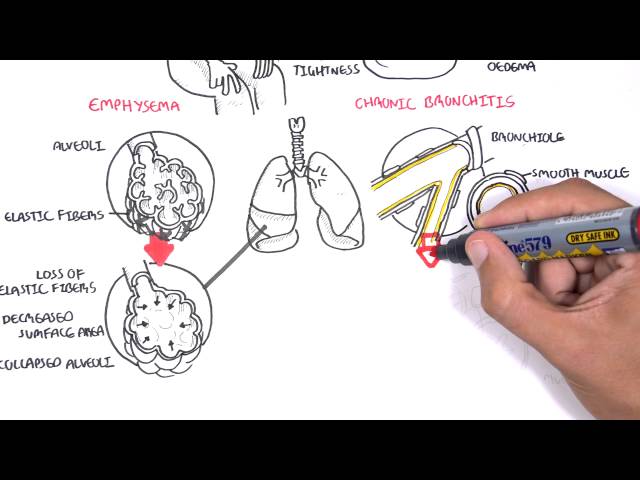
Chronic Obstructive Pulmonary Disease Overview (types, pathology, treatment)
This video provides a clear overview of Chronic Obstructive Pulmonary Disease (COPD), detailing its types, underlying pathology, and current treatment options. Learn how chronic inflammation and airway obstruction lead to symptoms and how management improves patient outcomes.
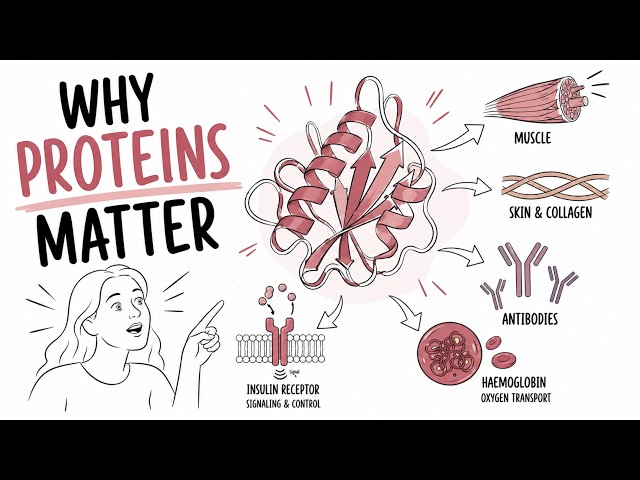
Protein Structure and Function – Overview
Proteins are the molecules that do most of the work in the body—learn protein structure, function, and clinical relevance. In this clear, engaging video you'll discover what proteins are (chains of amino acids linked by peptide bonds), why amino acid order dictates shape and function, and how folding produces primary, secondary (alpha helices, beta sheets),…
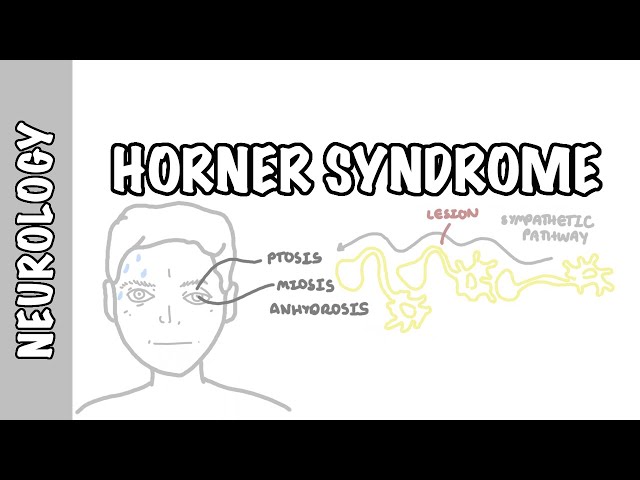
Horner syndrome – anatomy, causes, pathophysiology, investigation
Learn about Horner Syndrome, a neurological condition resulting from disruption of the sympathetic pathway to the eye and face. This video explores the relevant anatomy, causes, pathophysiology, clinical signs like ptosis and miosis, and the diagnostic approach to identify the underlying lesion.
Our mission
Medical science is complex. Understanding it should feel possible.
Armando Hasudungan turns difficult medical science into clear visual explanations and connected learning experiences—so learners can see the whole picture, remember what matters and find a clearer way forward.
See it clearly
Turn abstract processes and invisible relationships into something the learner can picture.
Connect the pieces
Build understanding around how concepts fit together—not a pile of isolated facts.
Make it useful
Help learners move from explanation to recall, revision and the next logical step.
What clarity feels like
When the topic stops being a blur.
Learners do not come back because the subject became easy. They come back because the explanation gave them a picture they could work with.
“Armando's teaching style gives me the foundational knowledge.
Jessica Payne-Burnett
Medical Student, Charles Sturt University
“The notes I make during his videos help me retain everything better.
Ayesha RaiStudent, Islamabad Medical and Dental College
“The drawings are amazing and super easy to remember.
Reem Mohamed Khair Abdalrazig
Student, Neelain University
Coming soon: the AH study platform
The explanation is only the start.
The free library helps you find a clear explanation. The AH platform is being built to help you connect the resources, follow a clearer path and check what actually stuck.
- Watch in a focused, ad-free study environment.
- Move between connected videos, notes, diagrams and questions.
- Know what belongs next instead of rebuilding the study path yourself.
- Test your understanding while the topic is still fresh.
New and worth a look
Keep building the picture.
Lambert-Eaton Myasthenic Syndrome
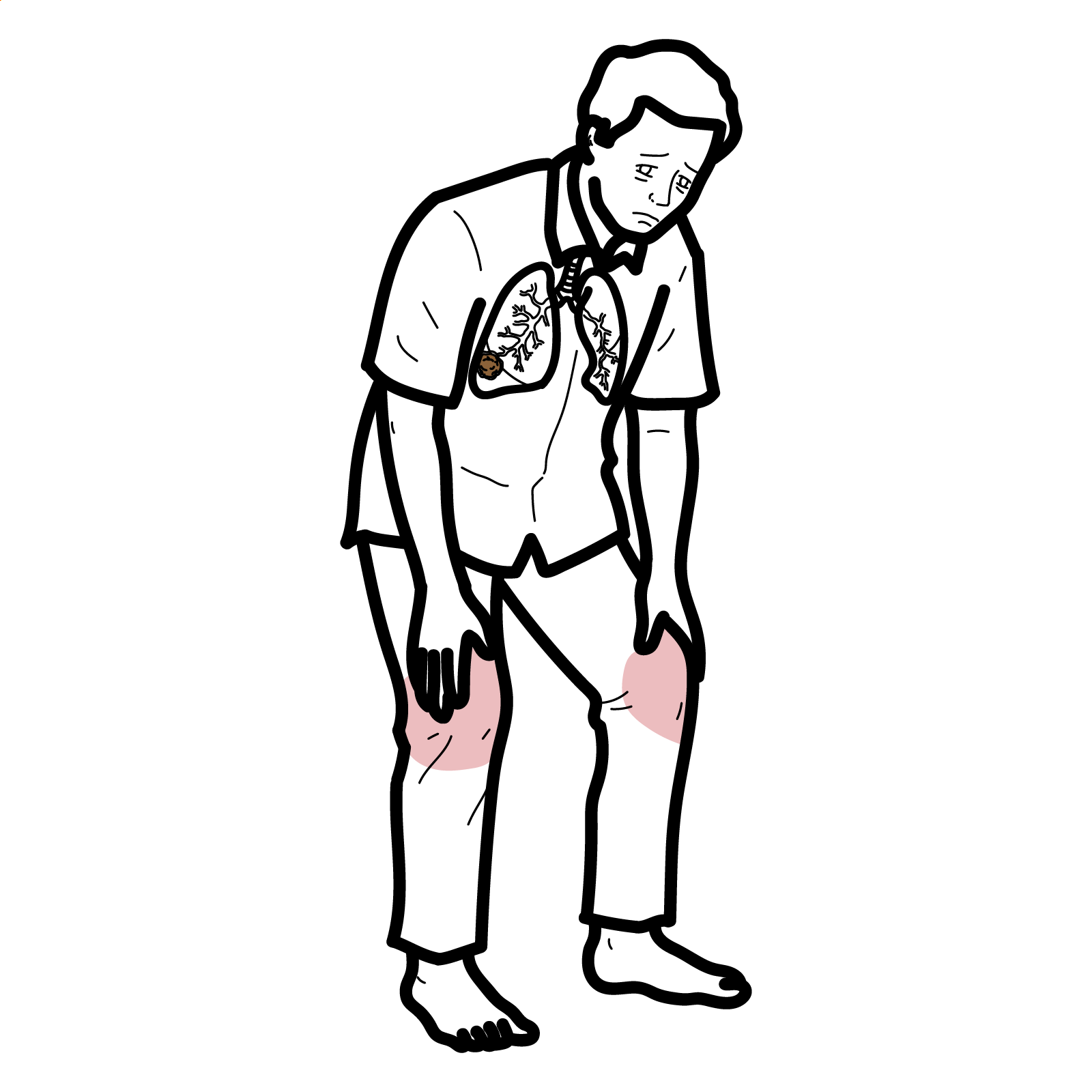
Overview Lambert–Eaton myasthenic syndrome (LEMS) is a rare autoimmune disorder of the presynaptic neuromuscular junction. It causes impaired acetylcholine release, producing the characteristic triad of proximal muscle weakness, reduced reflexes and autonomic dysfunction. LEMS may occur as a paraneoplastic syndrome—most commonly associated with small-cell lung cancer (SCLC)—or as a non-tumour-associated autoimmune disorder. Neuromuscular junction: connection…
View this topic ↗About Visualising Medicine
Good education does not remove complexity. It makes complexity feel simple.
Visualising Medicine is the team behind Armando Hasudungan. We bring together medicine, illustration, writing and technology to make difficult ideas clearer—and build better ways for learners to use them.