

Visual explanationFree resource
Visual medical education by Armando Hasudungan
Medical science, drawn into focus.
Explore visual explanations that reveal how the facts, processes and clinical patterns fit together—then discover the coming AH study platform, built to guide what you study next and check what stuck.
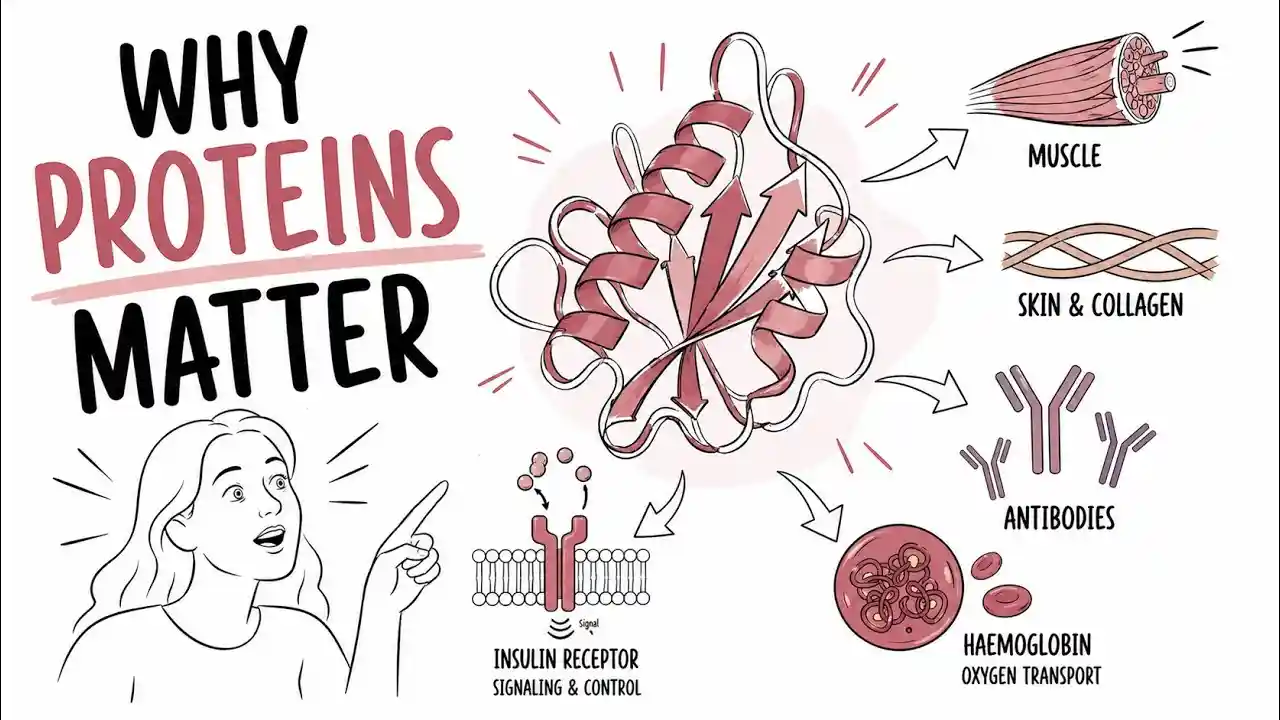
Connected studyComing soon
Clear visual explanations used by medical and allied-health learners around the world.
Explore the free library
Start with the topic in front of you.
Browse by subject or jump straight into the explanation you need. No account required.
Liver Mass I Tumour
Author Armando Faigl MBBS Areej zeeshan Overview Liver tumors are divided into Benign and Malignant. Most liver tumors are benign, asymptomatic and found incidentally on unrelated imaging. Malignant liver tumours are associated with risk factors (Hep C, Cirrhosis) and present with a spectrum of clinical signs and symptoms such as right upper quadrant pain and…
View topic ↗Lung Cancer
Overview Lung cancer is the leading cause of cancer deaths in men and women. Lung cancer can be divided into small cell and non-small cell carcinoma. Small cell lung carcinoma presents late stage and has poorer prognosis. A solitary pulmonary nodule measuring 8 mm or less can be followed radiographically. For larger lesions, a biopsy, whether…
View topic ↗Rhinosinusitis
Overview Rhinosinusitis is one of the more prevalent chronic illnesses worldwide, affecting individuals of all ages. It is an inflammatory process that involves the nose and paranasal sinuses. Rhinosinusitis may be acute or chronic. Chronic rhinosinusitis can be subject to acute exacerbations. Rhinitis: Irritation and inflammation of the mucosa lining the nasal cavity Sinusitis: Inflammation…
View topic ↗Obstructive Sleep Apnoea
Overview Sleep apnea syndrome is an extremely common medical disorder associated with important morbidity. Sleep Apnea and can be classified as: Obstructive Sleep Apnea – is the most common, characterized by repetitive, intermittent collapse of the upper (pharyngeal) airway during sleep, which causes apnoeic episodes terminated by partial arousal Central Sleep Apnea - characterised by repetitive absent or diminished…
View topic ↗Inguinal Hernia
Overview Higher incidence among men 40 to 59 years of age. Although there are many different types of hernias, they are usually related to the abdomen, with approximately 75% of all hernias occurring in the inguinal region. Hernia contains omentum (90% of cases) or intestine (10% of cases). Inguinal hernias are at risk of irreducibility or incarceration, which…
View topic ↗Umbilical and Epigastric Hernia
Overview Umbilical and Epigastric hernias are types of Primary Ventral abdominal wall hernias. Epigastric hernias are two to three times more common in men. Umbilical hernias are three times more likely in females. Most epigastric hernias contain preperitoneal fat, while most umbilical hernias contain omentum or bowel. These hernias are usually asymptomatic unless incarcerated, obstructed…
View topic ↗Severe Combined Immunodeficiency (SCID)
Overview Severe combined immunodeficiency (SCID) is the most severe form of primary immunodeficiency, characterised by profound defects in both humoral (B-cell) and cellular (T-cell) immunity. It presents in infancy with recurrent, severe, and opportunistic infections, chronic diarrhoea, and failure to thrive. Without curative therapy, most infants die within the first year of life. Incidence is…
View topic ↗Full resource library
Browse all topics ↗Choose how you learn
One idea. More than one way to see it.
Use the format that helps the topic click, then switch formats when you need to reinforce it.
01 / WATCH02 / READ03 / SEE04 / CHECK
Videos
Hand-drawn explanations that build the big picture as the concept unfolds.
Notes
Clear written explanations for review, reference and filling in the details.
Diagrams
Visual snapshots that help you easily review topics.
Questions
Test whether the explanation stayed with you—not just whether it looked familiar.
Good places to begin
Explanations learners return to.
Approach to Upper Gastrointestinal Bleeding – causes, symptoms (melena) and treatment
Patients with acute upper gastrointestinal (GI) bleeding commonly present with hematemesis (vomiting of blood or coffee-ground-like material) and/or melena (black, tarry stools). Common causes of UGI bleeding include peptic or duodenal ulcers, erosive gastritis, GORD, Variceal haemorrhage/bleeding, angiodysplasia and mallory Weiss tear. More uncommon causes of UGI bleeding include GAVE, cameron lesions, hemobilia and succus…
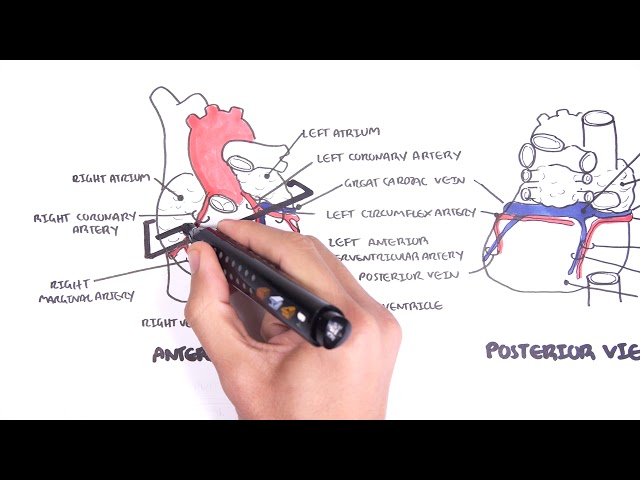
Clinical Anatomy – Cardiac Coronary Vessels (left and right coronary artery, venous sinus)
Explore the clinical anatomy of the heart's coronary vessels, including the left and right coronary arteries and the coronary sinus. This video breaks down their structure, function, and relevance in cardiac circulation and disease.
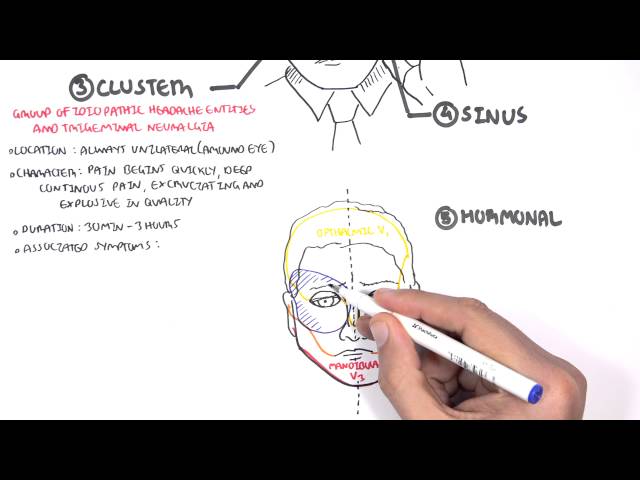
Headache – Overview (types, signs and symptoms, treatment)
Explore the different types of headaches including tension, migraine, and cluster, along with their characteristic signs and symptoms. This video also covers key treatment options and clinical clues for effective headache management.
Our mission
Medical science is complex. Understanding it should feel possible.
Armando Hasudungan turns difficult medical science into clear visual explanations and connected learning experiences—so learners can see the whole picture, remember what matters and find a clearer way forward.
See it clearly
Turn abstract processes and invisible relationships into something the learner can picture.
Connect the pieces
Build understanding around how concepts fit together—not a pile of isolated facts.
Make it useful
Help learners move from explanation to recall, revision and the next logical step.
What clarity feels like
When the topic stops being a blur.
Learners do not come back because the subject became easy. They come back because the explanation gave them a picture they could work with.
“Armando's teaching style gives me the foundational knowledge.
Jessica Payne-Burnett
Medical Student, Charles Sturt University
“The notes I make during his videos help me retain everything better.
Ayesha RaiStudent, Islamabad Medical and Dental College
“The drawings are amazing and super easy to remember.
Reem Mohamed Khair Abdalrazig
Student, Neelain University
Coming soon: the AH study platform
The explanation is only the start.
The free library helps you find a clear explanation. The AH platform is being built to help you connect the resources, follow a clearer path and check what actually stuck.
- Watch in a focused, ad-free study environment.
- Move between connected videos, notes, diagrams and questions.
- Know what belongs next instead of rebuilding the study path yourself.
- Test your understanding while the topic is still fresh.
New and worth a look
Keep building the picture.
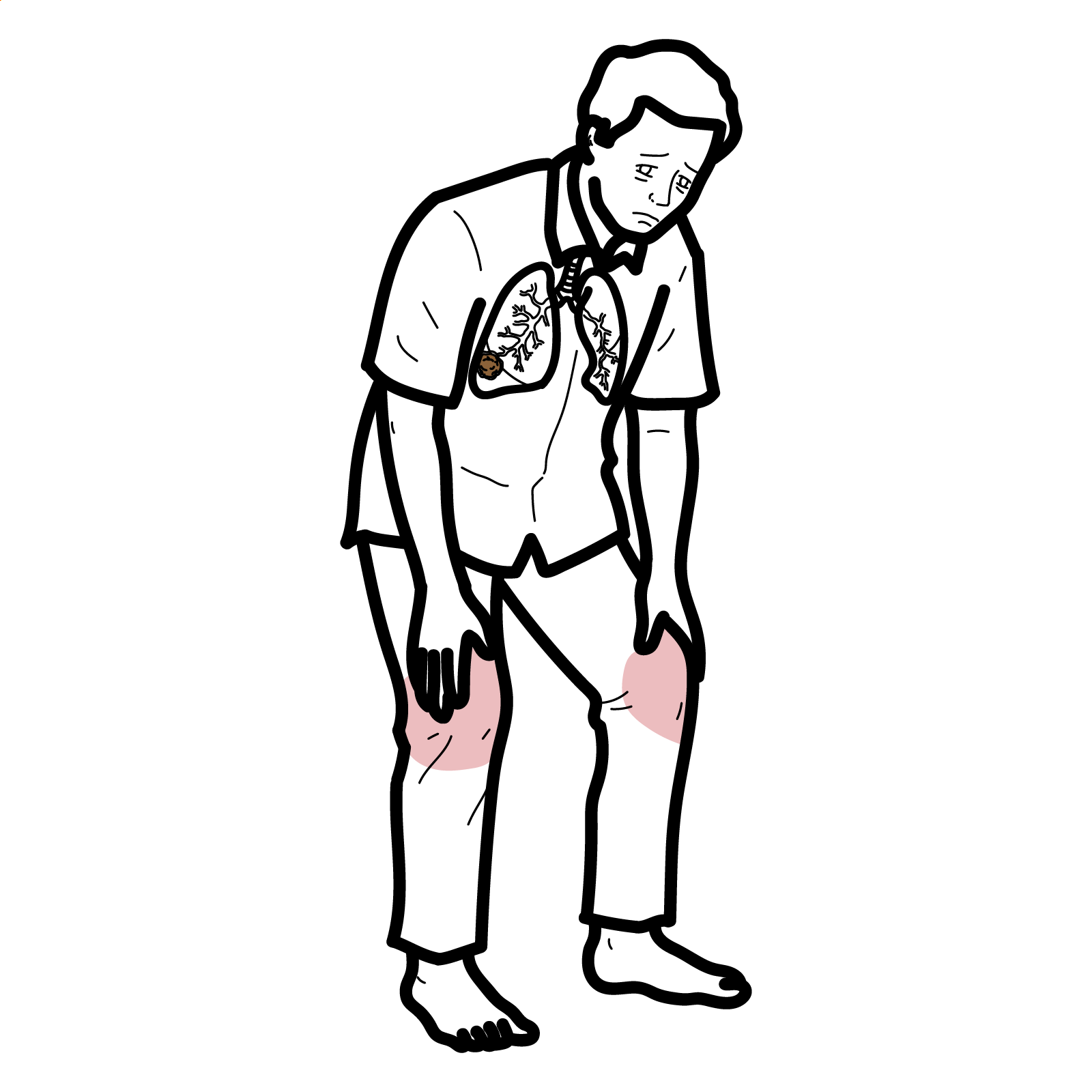
Lambert-Eaton Myasthenic Syndrome
Overview Lambert–Eaton myasthenic syndrome (LEMS) is a rare autoimmune disorder of the presynaptic neuromuscular junction. It causes impaired acetylcholine release, producing the characteristic triad of proximal muscle weakness, reduced reflexes and autonomic dysfunction. LEMS may occur as a paraneoplastic syndrome—most commonly associated with small-cell lung cancer (SCLC)—or as a non-tumour-associated autoimmune disorder. Neuromuscular junction: connection…
View this topic ↗About Visualising Medicine
Good education does not remove complexity. It makes complexity feel simple.
Visualising Medicine is the team behind Armando Hasudungan. We bring together medicine, illustration, writing and technology to make difficult ideas clearer—and build better ways for learners to use them.