

Visual explanationFree resource
Visual medical education by Armando Hasudungan
Medical science, drawn into focus.
Explore visual explanations that reveal how the facts, processes and clinical patterns fit together—then discover the coming AH study platform, built to guide what you study next and check what stuck.
Connected studyComing soon
Clear visual explanations used by medical and allied-health learners around the world.
Explore the free library
Start with the topic in front of you.
Browse by subject or jump straight into the explanation you need. No account required.
Acute Appendicitis
Overview Acute appendicitis is an acute inflammation of the vermiform (worm-like) appendix. It is mainly caused by obstruction of the lumen of the appendix by stool, infective agents or lymphoid hyperplasia. Acute appendicits is the most common abdominal surgical emergency in the world, with a lifetime risk of 6.9% in females and 8.6% in males.…
View topic ↗Hyperparathyroidism
This section will mainly focus on Primary Parathyroidism Overview Primary Hyperparathyroidism (PHPT) is generalised disorder calcium, phosphate and bone metabolism due to increased secretion of parathyroid hormone normally leading to hypercalcaemia and hypophosphatemia. PHPT may present with recurrent nephrolithiasis, peptic ulcers, mental and muscle changes and less frequently bone resorption. Frequently, routine blood tests will…
View topic ↗Otitis Media
Overview Otitis media (OM) is one of the most common infections in children. OM is inflammation of the middle ear and is usually secondary to bacterial and/or viral infection. It is a complication of eustachian tube dysfunction that occurred during an acute viral upper respiratory tract infection (URTI). The URTI causes effusion in the middle ear…
View topic ↗Irritable Bowel Syndrome (IBS)
Overview Complex chronic syndrome characterised by recurrent abdominal pain and bowel dysfunction, in the absence of a structural abnormality. It is not associated with an increase in mortality, however, it is associated with substantial morbidity and a significant decrease in an individual’s quality of life. IBS IBD IBS belongs to a group of disorders collectively known as Functional…
View topic ↗Basic Calcium Phosphate Disease / Milwaukee Shoulder Syndrome
Overview Basic Calcium Phosphate (BCP) disease is a crystal-associated arthropathy characterized by deposition of BCP crystals in periarticular and intra-articular tissues. A severe clinical presentation of BCP disease is Milwaukee Shoulder Syndrome, which typically affects elderly women, leading to rapid joint destruction, massive rotator cuff tears, and non-inflammatory joint effusion. It often involves the shoulder,…
View topic ↗Achilles Tendinopathy & Rupture
Overview Achilles tendinopathy & rupture are common causes of posterior ankle pain and disability, particularly in active adults. Tendinopathy presents with chronic pain, stiffness, and impaired function, while rupture is an acute injury characterised by a sudden “pop” and loss of plantarflexion power. Achilles tendon injuries are increasingly prevalent due to sports participation, with rupture…
View topic ↗Osteonecrosis of the Hip
Overview Osteonecrosis of the hip, usually referring to osteonecrosis of the femoral head (ONFH), is a progressive disorder caused by compromised subchondral blood supply leading to death of osteocytes and marrow elements, failed structural repair, subchondral fracture, femoral head collapse, and eventually secondary hip osteoarthritis. [1-4] It most often affects younger to middle-aged adults, commonly…
View topic ↗Full resource library
Browse all topics ↗Choose how you learn
One idea. More than one way to see it.
Use the format that helps the topic click, then switch formats when you need to reinforce it.
01 / WATCH02 / READ03 / SEE04 / CHECK
Videos
Hand-drawn explanations that build the big picture as the concept unfolds.
Notes
Clear written explanations for review, reference and filling in the details.
Diagrams
Visual snapshots that help you easily review topics.
Questions
Test whether the explanation stayed with you—not just whether it looked familiar.
Good places to begin
Explanations learners return to.
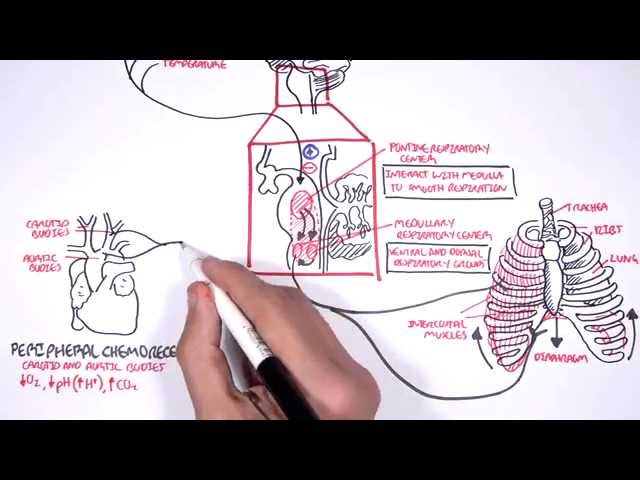
Control Of Respiration (regulation of breathing)
Explore how breathing is regulated by the respiratory centers in the brainstem, responding to changes in carbon dioxide, oxygen, and pH levels. This video explains the roles of central and peripheral chemoreceptors and how they adjust respiratory rate and depth to maintain homeostasis.
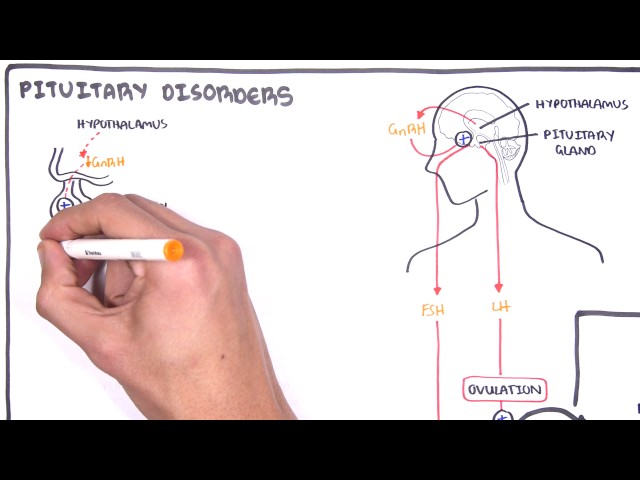
Gynaecology – Infertility in Women (causes and pathophysiology)
Explore the key causes and underlying pathophysiology of female infertility, including hormonal, anatomical, and ovulatory factors. This video breaks down how common gynecological conditions can impact fertility and outlines essential concepts for diagnosis and treatment.
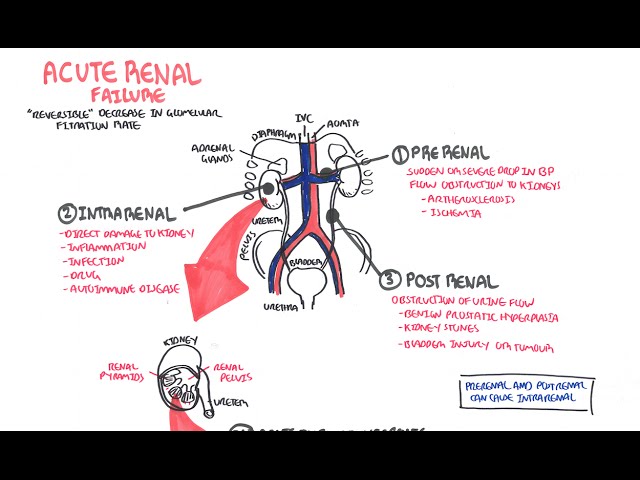
Acute Renal Failure
Understand acute renal failure, its causes, and the rapid decline in kidney function leading to impaired waste elimination and fluid balance. This video covers the types, clinical features, diagnostic criteria, and initial management strategies for acute kidney injury.
Our mission
Medical science is complex. Understanding it should feel possible.
Armando Hasudungan turns difficult medical science into clear visual explanations and connected learning experiences—so learners can see the whole picture, remember what matters and find a clearer way forward.
See it clearly
Turn abstract processes and invisible relationships into something the learner can picture.
Connect the pieces
Build understanding around how concepts fit together—not a pile of isolated facts.
Make it useful
Help learners move from explanation to recall, revision and the next logical step.
What clarity feels like
When the topic stops being a blur.
Learners do not come back because the subject became easy. They come back because the explanation gave them a picture they could work with.
“Armando's teaching style gives me the foundational knowledge.
Jessica Payne-Burnett
Medical Student, Charles Sturt University
“The notes I make during his videos help me retain everything better.
Ayesha RaiStudent, Islamabad Medical and Dental College
“The drawings are amazing and super easy to remember.
Reem Mohamed Khair Abdalrazig
Student, Neelain University
Coming soon: the AH study platform
The explanation is only the start.
The free library helps you find a clear explanation. The AH platform is being built to help you connect the resources, follow a clearer path and check what actually stuck.
- Watch in a focused, ad-free study environment.
- Move between connected videos, notes, diagrams and questions.
- Know what belongs next instead of rebuilding the study path yourself.
- Test your understanding while the topic is still fresh.
New and worth a look
Keep building the picture.
Lambert-Eaton Myasthenic Syndrome
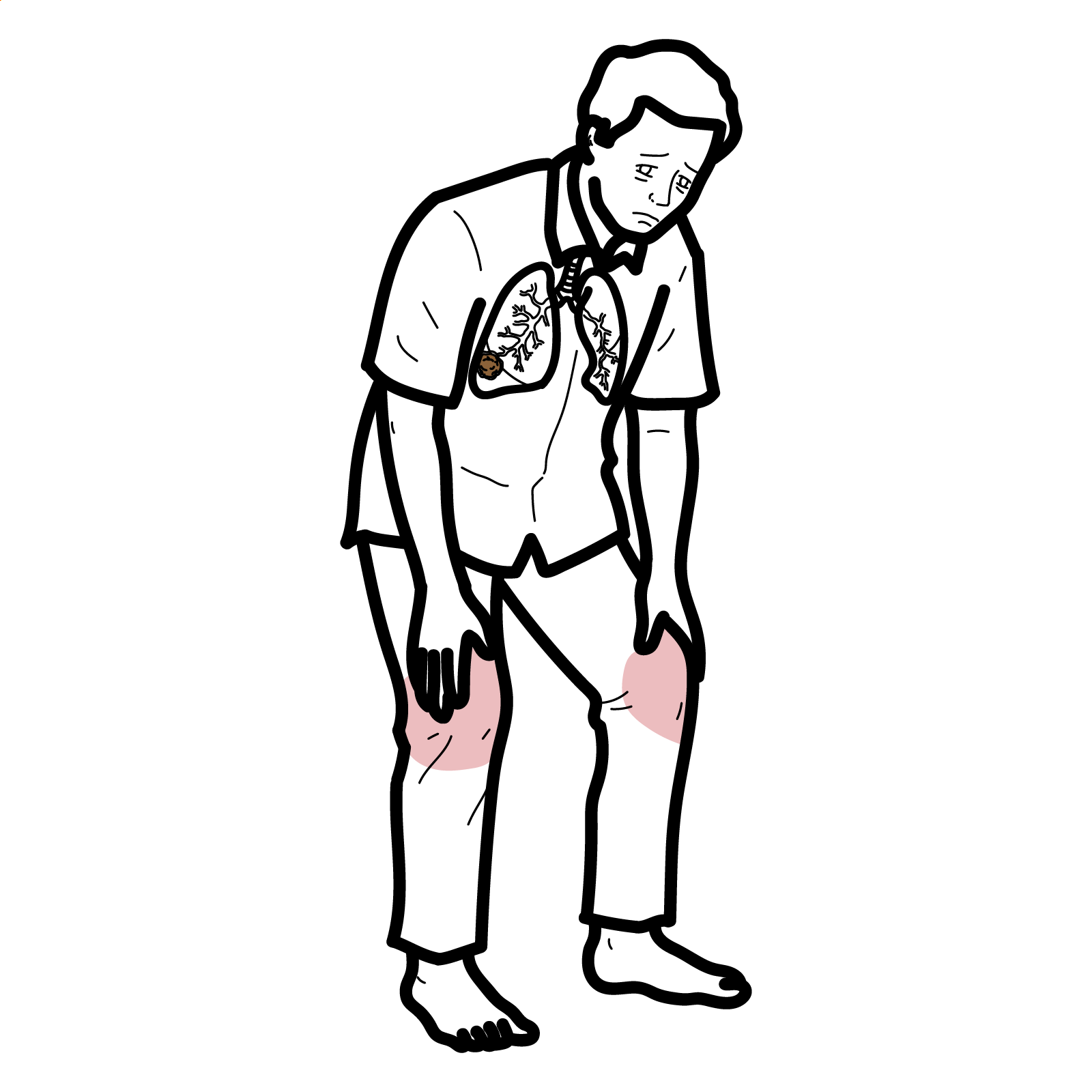
Overview Lambert–Eaton myasthenic syndrome (LEMS) is a rare autoimmune disorder of the presynaptic neuromuscular junction. It causes impaired acetylcholine release, producing the characteristic triad of proximal muscle weakness, reduced reflexes and autonomic dysfunction. LEMS may occur as a paraneoplastic syndrome—most commonly associated with small-cell lung cancer (SCLC)—or as a non-tumour-associated autoimmune disorder. Neuromuscular junction: connection…
View this topic ↗About Visualising Medicine
Good education does not remove complexity. It makes complexity feel simple.
Visualising Medicine is the team behind Armando Hasudungan. We bring together medicine, illustration, writing and technology to make difficult ideas clearer—and build better ways for learners to use them.