

Visual explanationFree resource
Visual medical education by Armando Hasudungan
Medical science, drawn into focus.
Explore visual explanations that reveal how the facts, processes and clinical patterns fit together—then discover the coming AH study platform, built to guide what you study next and check what stuck.
Connected studyComing soon
Clear visual explanations used by medical and allied-health learners around the world.
Explore the free library
Start with the topic in front of you.
Browse by subject or jump straight into the explanation you need. No account required.
Neonatal Conditions
Vitals For more information: Parturition and Routine Care NORMAL EXPECTED PHYSIOLOGICAL VALUES AT DIFFERENT AGES Age (years) Respiratory Rate Heart rate Systolic Blood Pressure <1 30-40 110-160 70-90 1-2 25-35 100-150 80-95 2-5 25-30 95-140 80-100 5-12 20-25 80-120 90-110 >12 15-20 60-100 100-120 Oxygen saturation return to 100% after 10 minutes post partum.…
View topic ↗Hyperemesis Gravidarum
Overview Hyperemesis gravidarum (HG) exists on a spectrum of nausea and vomiting in pregnancy (NVP). NVP refers to symptoms of nausea, vomiting or dry retching commencing in the first trimester, with no other cause identified. 1 HG refers to severe, persistent vomiting that may result in malnutrition, dehydration, weight loss and debility due to illness.…
View topic ↗Rhinosinusitis
Overview Rhinosinusitis is one of the more prevalent chronic illnesses worldwide, affecting individuals of all ages. It is an inflammatory process that involves the nose and paranasal sinuses. Rhinosinusitis may be acute or chronic. Chronic rhinosinusitis can be subject to acute exacerbations. Rhinitis: Irritation and inflammation of the mucosa lining the nasal cavity Sinusitis: Inflammation…
View topic ↗Gastroenteritis (Infectious Diarrhoea)
Overview Gastroenteritis continues to cause significant morbidity in developed and developing countries. The most common cause are viral and bacterial including: Norovirus Enteric adenoviruses E-coli Salmonella spp. and Shigella spp. Campylobater jejuni Diarrhoea: Loose, water like stools that occur with increased frequency and an increased volume of >200g per day Gastroenteritis: >3 or more loose…
View topic ↗Spondylarthropathy
Overview The spondyloarthropathies are a diverse group of inflammatory arthritides that share certain genetic predisposing factors and clinical features. Their most characteristic feature is inflammatory back pain. Enthesitis, another characteristic feature, involves inflammation at sites where tendons, ligaments, or joint capsules attach to bone. Features of Spondylarthropathy Sacroiliac and spinal (axial involvement) Enthesitis at long attachments…
View topic ↗Myotonic Dystrophy
Overview Autosomal dominant disease characterised by trinucleotide repeat of CTG. Also known as Dystrophica Myotoncia the disease is causes an increase in muscle tone (Myotonia) with associated degeneration and shrinkage of muscle fibres (Dystrophy). Pathophysiology Genetic mutations -> abnormal mRNA abnormal mRNA like these do not leave the nucleus The abnormal mRNA can cause these…
View topic ↗Lymphoma
Types of Lymphoma Lymphoma is malignancy originating in the lymph nodes. There are two types: Hodgkins lymphoma Non-hodgkins lymphoma Classic Clinical Presentation Lymphadenopathy Constitutional symptoms Fever Night sweats Weight loss Differential Diagnosis of Lymphadenopathy Lymphoma Leukaemia Metastasis Infection Connective tissue disease – rheumatoid arthritis, SLE Infiltration – sarcoidosis Drugs – phenytoin Hodgkin's lymphoma Non-Hodgkin's lymphoma…
View topic ↗Full resource library
Browse all topics ↗Choose how you learn
One idea. More than one way to see it.
Use the format that helps the topic click, then switch formats when you need to reinforce it.
01 / WATCH02 / READ03 / SEE04 / CHECK
Videos
Hand-drawn explanations that build the big picture as the concept unfolds.
Notes
Clear written explanations for review, reference and filling in the details.
Diagrams
Visual snapshots that help you easily review topics.
Questions
Test whether the explanation stayed with you—not just whether it looked familiar.
Good places to begin
Explanations learners return to.
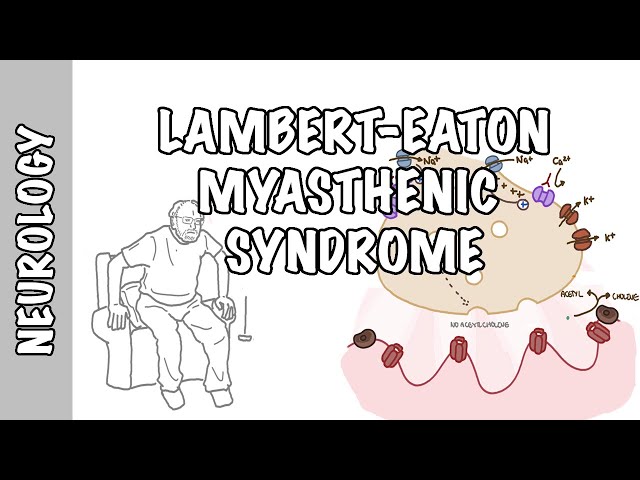
Lambert-Eaton Myasthenic Syndrome – pathophysiology, signs and symptoms and treatment
Learn about Lambert-Eaton Myasthenic Syndrome (LEMS), a rare autoimmune disorder affecting neuromuscular transmission due to impaired calcium channel function. This video explains its pathophysiology, hallmark signs such as proximal muscle weakness and autonomic symptoms, along with current diagnostic and treatment strategies.
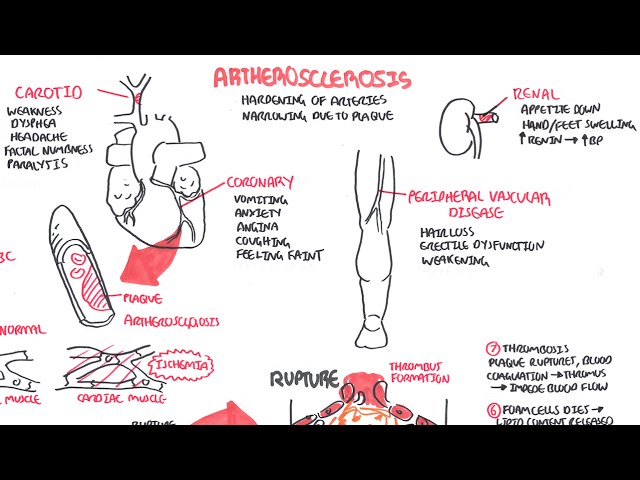
Atherosclerosis – Pathophysiology
Explore the pathophysiology of atherosclerosis, a chronic condition characterized by plaque buildup within arterial walls leading to narrowed and stiffened arteries. This video explains the processes of endothelial injury, lipid accumulation, inflammation, and plaque formation that contribute to cardiovascular disease.
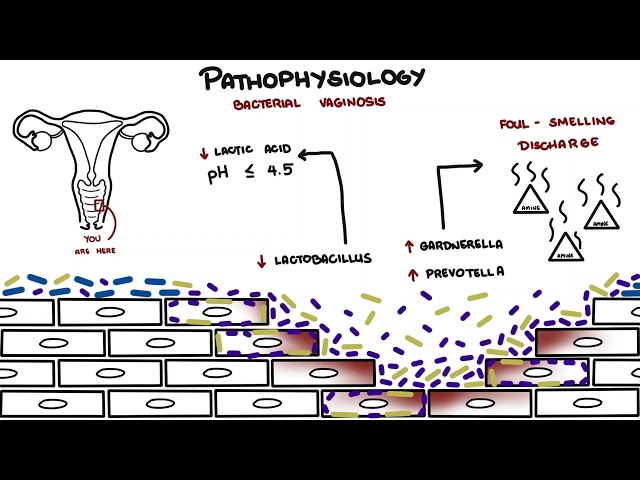
Bacterial Vaginosis
Learn about bacterial vaginosis, a common vaginal condition caused by an imbalance in the normal bacterial flora. This video explains its symptoms, underlying microbiology, risk factors, diagnostic methods, and available treatments.
Our mission
Medical science is complex. Understanding it should feel possible.
Armando Hasudungan turns difficult medical science into clear visual explanations and connected learning experiences—so learners can see the whole picture, remember what matters and find a clearer way forward.
See it clearly
Turn abstract processes and invisible relationships into something the learner can picture.
Connect the pieces
Build understanding around how concepts fit together—not a pile of isolated facts.
Make it useful
Help learners move from explanation to recall, revision and the next logical step.
What clarity feels like
When the topic stops being a blur.
Learners do not come back because the subject became easy. They come back because the explanation gave them a picture they could work with.
“Armando's teaching style gives me the foundational knowledge.
Jessica Payne-Burnett
Medical Student, Charles Sturt University
“The notes I make during his videos help me retain everything better.
Ayesha RaiStudent, Islamabad Medical and Dental College
“The drawings are amazing and super easy to remember.
Reem Mohamed Khair Abdalrazig
Student, Neelain University
Coming soon: the AH study platform
The explanation is only the start.
The free library helps you find a clear explanation. The AH platform is being built to help you connect the resources, follow a clearer path and check what actually stuck.
- Watch in a focused, ad-free study environment.
- Move between connected videos, notes, diagrams and questions.
- Know what belongs next instead of rebuilding the study path yourself.
- Test your understanding while the topic is still fresh.
New and worth a look
Keep building the picture.
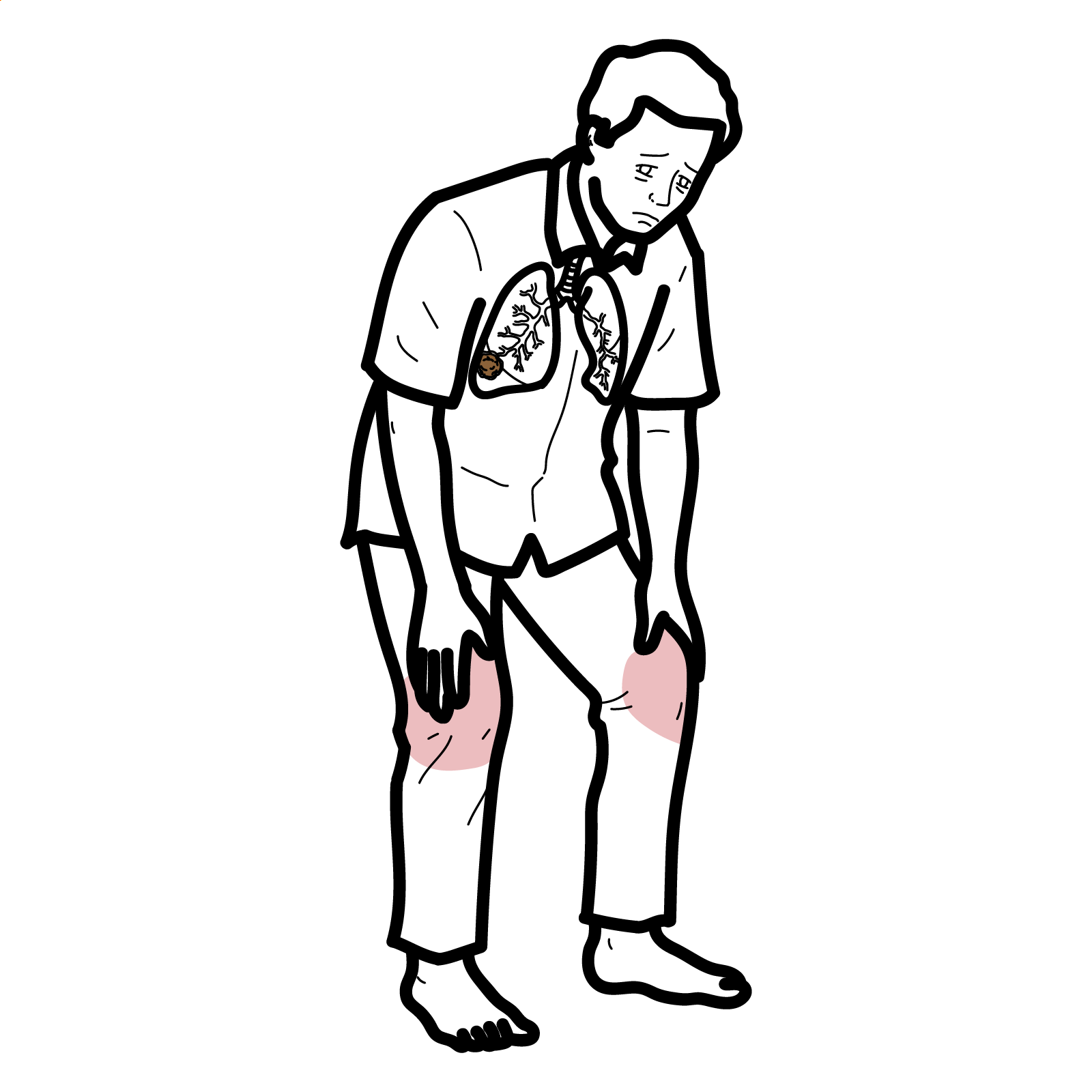
Lambert-Eaton Myasthenic Syndrome
Overview Lambert–Eaton myasthenic syndrome (LEMS) is a rare autoimmune disorder of the presynaptic neuromuscular junction. It causes impaired acetylcholine release, producing the characteristic triad of proximal muscle weakness, reduced reflexes and autonomic dysfunction. LEMS may occur as a paraneoplastic syndrome—most commonly associated with small-cell lung cancer (SCLC)—or as a non-tumour-associated autoimmune disorder. Neuromuscular junction: connection…
View this topic ↗About Visualising Medicine
Good education does not remove complexity. It makes complexity feel simple.
Visualising Medicine is the team behind Armando Hasudungan. We bring together medicine, illustration, writing and technology to make difficult ideas clearer—and build better ways for learners to use them.