

Visual explanationFree resource
Visual medical education by Armando Hasudungan
Medical science, drawn into focus.
Explore visual explanations that reveal how the facts, processes and clinical patterns fit together—then discover the coming AH study platform, built to guide what you study next and check what stuck.
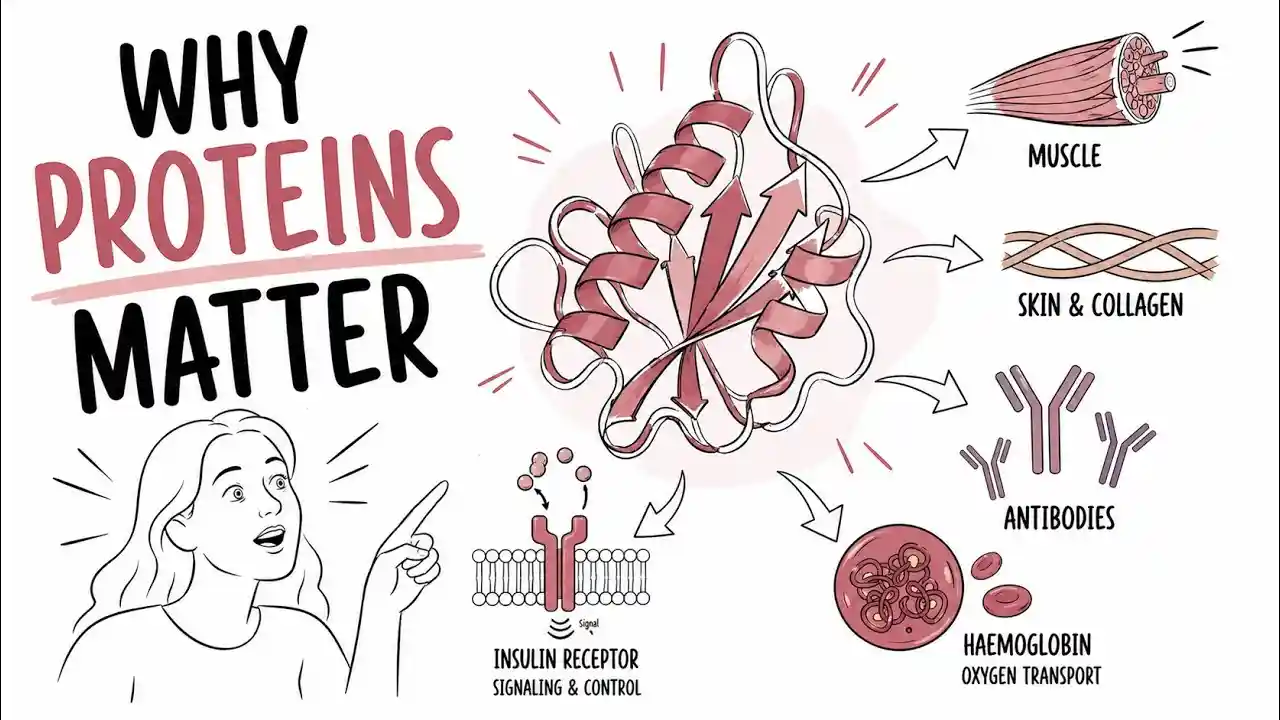
Connected studyComing soon
Clear visual explanations used by medical and allied-health learners around the world.
Explore the free library
Start with the topic in front of you.
Browse by subject or jump straight into the explanation you need. No account required.
Takayasu Arteritis
Overview Takayasu arteritis is a rare, chronic large-vessel vasculitis primarily affecting the aorta and its major branches, leading to stenosis, occlusion, or aneurysm formation. It most commonly affects young women (<40 years), particularly of Asian descent. The global incidence is estimated at 1–2 per million per year, with a female predominance (F:M ~9:1). It is…
View topic ↗Leukocyte Adhesion Deficiency
Overview Leukocyte adhesion deficiency (LAD) is a rare primary immunodeficiency characterised by recurrent bacterial and fungal infections, impaired wound healing, and absence of pus formation due to defective leukocyte adhesion and migration. It results from genetic defects in leukocyte integrins or signalling pathways, preventing neutrophil extravasation from blood vessels into tissues. LAD has an estimated…
View topic ↗Maternal infections
Overviews Maternal infections is a broad term for any infection that is acquired by a pregnant woman antepartum, intrapartum or postpartum. These infections may have detrimental impacts on the mother and the foetus/newborn. 1 Maternal infections covered in this page include TORCH infections as well as Group B Streptococcal infection and chorioamnionitis. TORCH infections are…
View topic ↗Hydroxyapatite Deposition Disease
Overview Hydroxyapatite Deposition Disease (HADD) is a crystal-induced tendinopathy caused by the deposition of hydroxyapatite (HA) crystals, typically in periarticular soft tissues, especially tendons and bursae. The shoulder (supraspinatus tendon) is most commonly affected. It often presents between ages 30–60, more frequently in women. While often asymptomatic, it can cause acute pain and functional limitation…
View topic ↗Liver Abscess
Author Areej Zeeshan Ahmed Dr. Armando Faigl (editor) Overview Collection of pus forming a mass in the liver as a result of infection. Mainly divided into two types Pyogenic Amoebic Route of infection Biliary tract (most common) Gallstones Cholangitis Congenital anomaly causing to bile stasis Portal Vein Peritonitis Hepatic artery Trauma Penetrating Non-penetrating can cause…
View topic ↗Atrial Fibrillation
Overview Atrial fibrillation, AF is a chaotic, irregular atrial rhythm at 300-600bpm; the AV node responds intermittently, hence an irregular ventricular rate. AF is the most common sustained dysrhythmia; characterised by absent P waves, irregularly irregular heart rate, narrow QRS (typically). It is common in the elderly. The main risk of AF is embolic stroke…
View topic ↗Peptic Ulcer Disease
Overview Peptic ulcer refers to an ulcer in the lower oesophagus, stomach or duodenum. Incidence ↑ with age; both sexes are similarly affected. In the developed world, Helicobacter pylori incidence has been slowly ↓ over the past 50 yrs; Non-Steroidal Anti-Inflammatory drug (NSAID) use has ↑. Peptic ulcers remain common worldwide, especially in the developing world where H. pylori infection is prevalent.…
View topic ↗Full resource library
Browse all topics ↗Choose how you learn
One idea. More than one way to see it.
Use the format that helps the topic click, then switch formats when you need to reinforce it.
01 / WATCH02 / READ03 / SEE04 / CHECK
Videos
Hand-drawn explanations that build the big picture as the concept unfolds.
Notes
Clear written explanations for review, reference and filling in the details.
Diagrams
Visual snapshots that help you easily review topics.
Questions
Test whether the explanation stayed with you—not just whether it looked familiar.
Good places to begin
Explanations learners return to.
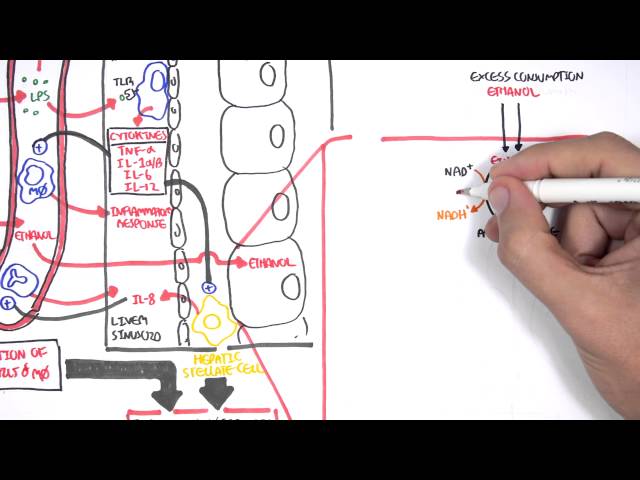
Alcohol Physiology (ethanol, metabolism and biochemistry)
Understand how alcohol (ethanol) is metabolized in the body, including key biochemical pathways involving alcohol dehydrogenase and acetaldehyde. This video explains the physiological effects of alcohol on various organ systems and its clinical implications.
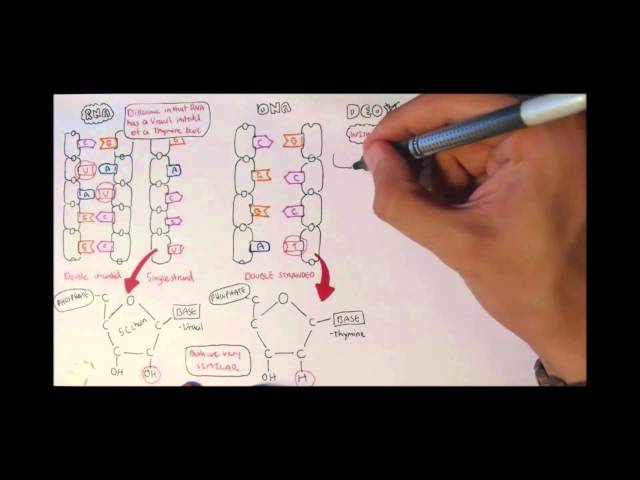
DNA Structure
Master the fundamentals of DNA Structure in this video, covering the double helix, nucleotide pairing, and key molecular features. Essential for exams and genetics basics, this video simplifies DNA’s architecture and biological significance.
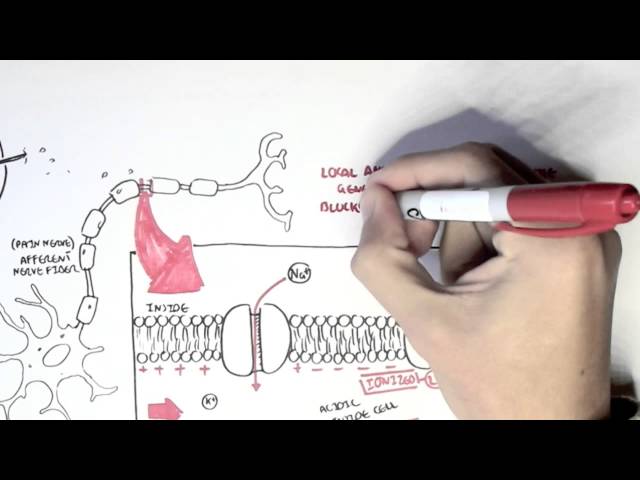
Pharmacology – Local Anaesthetic
Understand how local anaesthetics work to block nerve conduction by targeting sodium channels and preventing action potential generation. This video covers their mechanisms, types, clinical uses, and factors affecting onset and duration of action.
Our mission
Medical science is complex. Understanding it should feel possible.
Armando Hasudungan turns difficult medical science into clear visual explanations and connected learning experiences—so learners can see the whole picture, remember what matters and find a clearer way forward.
See it clearly
Turn abstract processes and invisible relationships into something the learner can picture.
Connect the pieces
Build understanding around how concepts fit together—not a pile of isolated facts.
Make it useful
Help learners move from explanation to recall, revision and the next logical step.
What clarity feels like
When the topic stops being a blur.
Learners do not come back because the subject became easy. They come back because the explanation gave them a picture they could work with.
“Armando's teaching style gives me the foundational knowledge.
Jessica Payne-Burnett
Medical Student, Charles Sturt University
“The notes I make during his videos help me retain everything better.
Ayesha RaiStudent, Islamabad Medical and Dental College
“The drawings are amazing and super easy to remember.
Reem Mohamed Khair Abdalrazig
Student, Neelain University
Coming soon: the AH study platform
The explanation is only the start.
The free library helps you find a clear explanation. The AH platform is being built to help you connect the resources, follow a clearer path and check what actually stuck.
- Watch in a focused, ad-free study environment.
- Move between connected videos, notes, diagrams and questions.
- Know what belongs next instead of rebuilding the study path yourself.
- Test your understanding while the topic is still fresh.
New and worth a look
Keep building the picture.
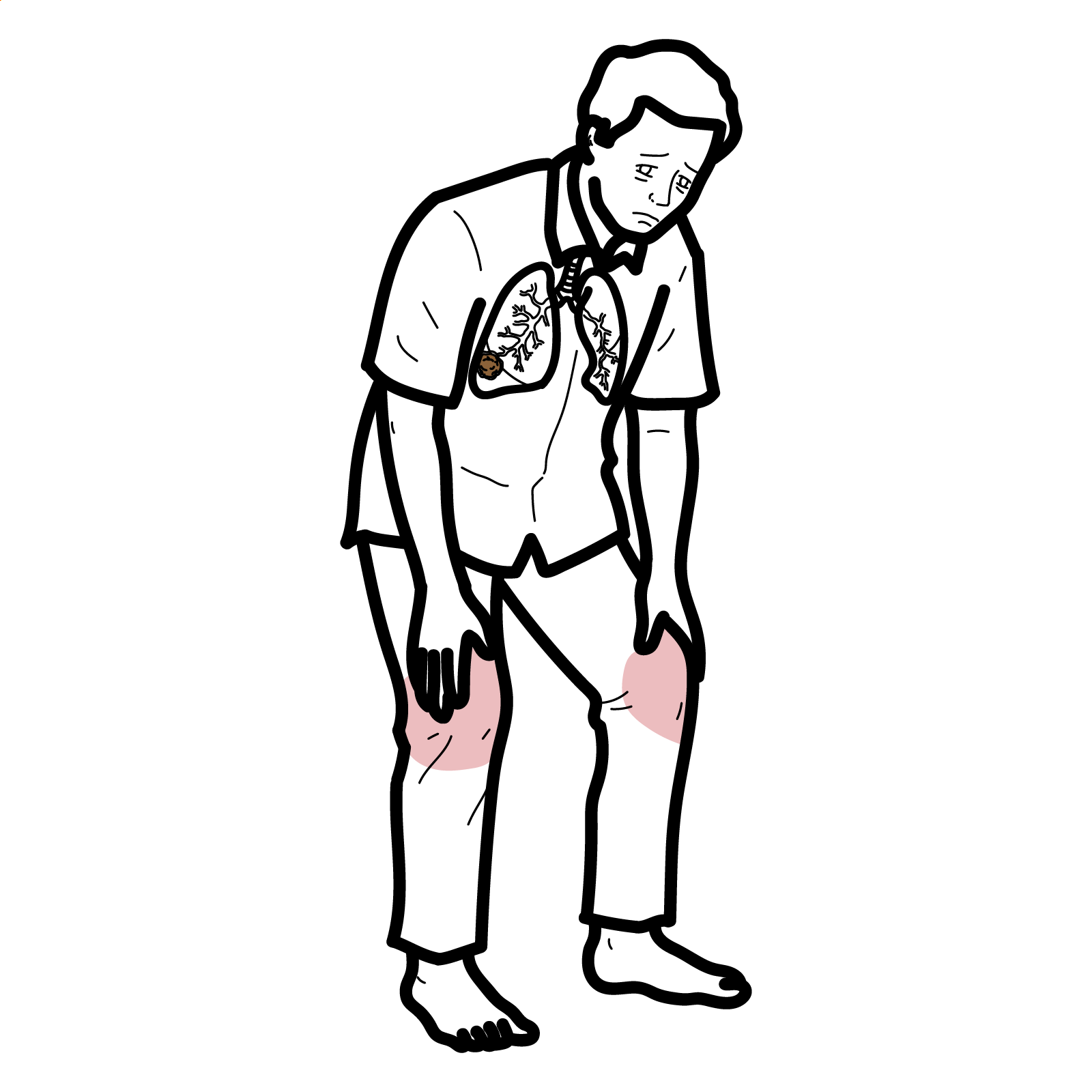
Lambert-Eaton Myasthenic Syndrome
Overview Lambert–Eaton myasthenic syndrome (LEMS) is a rare autoimmune disorder of the presynaptic neuromuscular junction. It causes impaired acetylcholine release, producing the characteristic triad of proximal muscle weakness, reduced reflexes and autonomic dysfunction. LEMS may occur as a paraneoplastic syndrome—most commonly associated with small-cell lung cancer (SCLC)—or as a non-tumour-associated autoimmune disorder. Neuromuscular junction: connection…
View this topic ↗About Visualising Medicine
Good education does not remove complexity. It makes complexity feel simple.
Visualising Medicine is the team behind Armando Hasudungan. We bring together medicine, illustration, writing and technology to make difficult ideas clearer—and build better ways for learners to use them.