

Visual explanationFree resource
Visual medical education by Armando Hasudungan
Medical science, drawn into focus.
Explore visual explanations that reveal how the facts, processes and clinical patterns fit together—then discover the coming AH study platform, built to guide what you study next and check what stuck.
Connected studyComing soon
Clear visual explanations used by medical and allied-health learners around the world.
Explore the free library
Start with the topic in front of you.
Browse by subject or jump straight into the explanation you need. No account required.
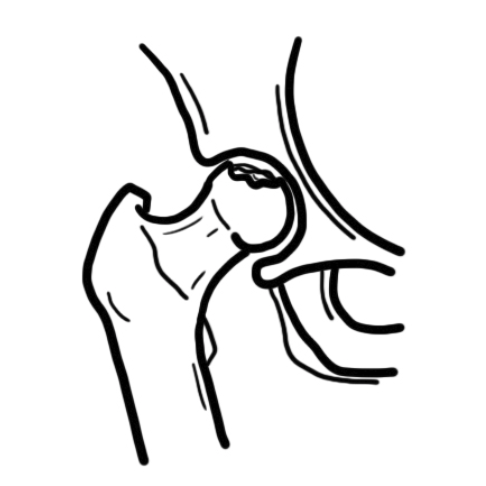
Osteonecrosis of the Hip
Overview Osteonecrosis of the hip, usually referring to osteonecrosis of the femoral head (ONFH), is a progressive disorder caused by compromised subchondral blood supply leading to death of osteocytes and marrow elements, failed structural repair, subchondral fracture, femoral head collapse, and eventually secondary hip osteoarthritis. [1-4] It most often affects younger to middle-aged adults, commonly…
View topic ↗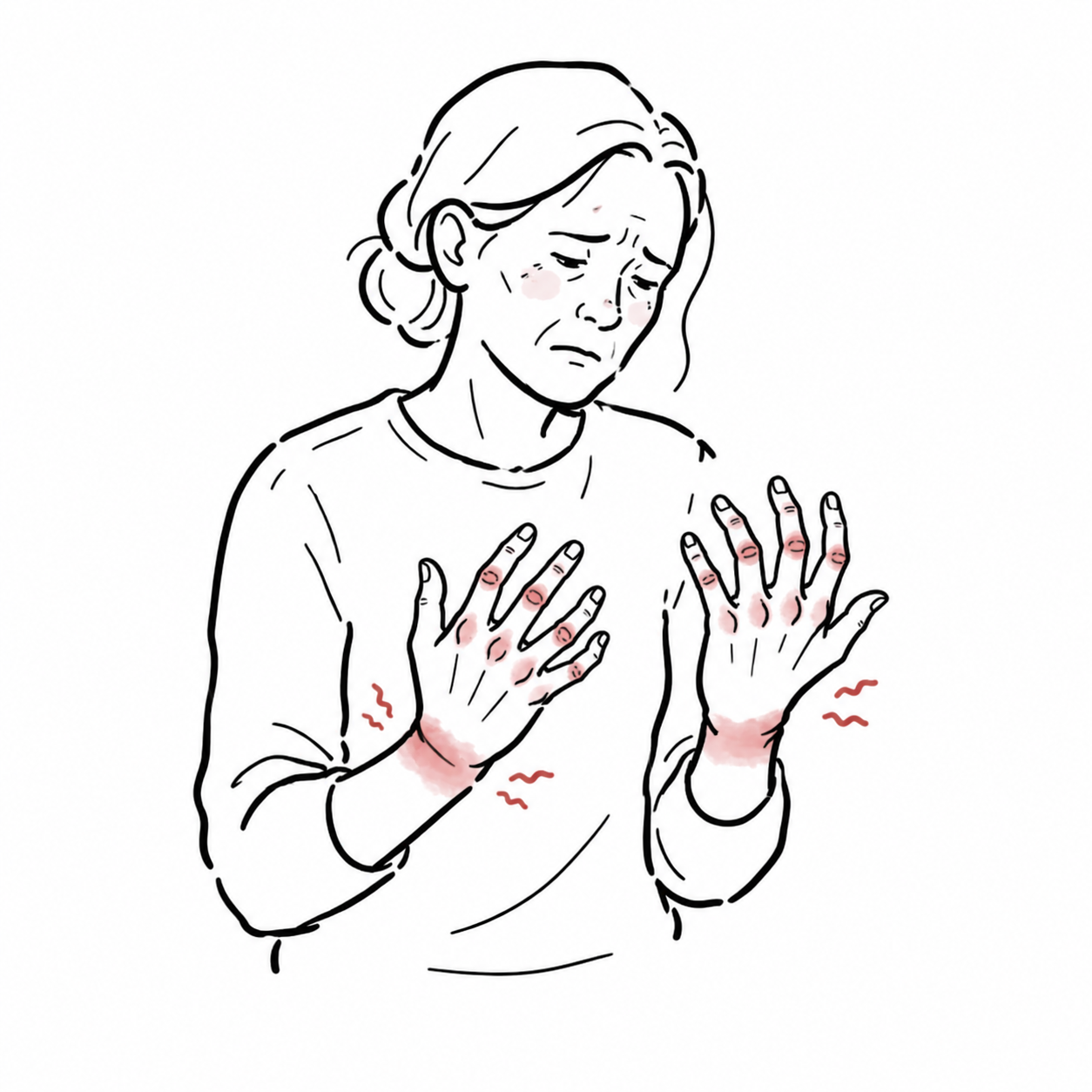
Rheumatoid Arthritis
Overview Rheumatoid arthritis is a common systemic inflammatory disease characterized by the presence of a destructive polyarthritis with a predisposition for affecting the small joints of the hands and feet and the wrists. Rheumatoid arthritis (RA) is the most common inflammatory arthritis, with a lifetime prevalence of up to 1 percent worldwide. Like many autoimmune diseases, the etiology…
View topic ↗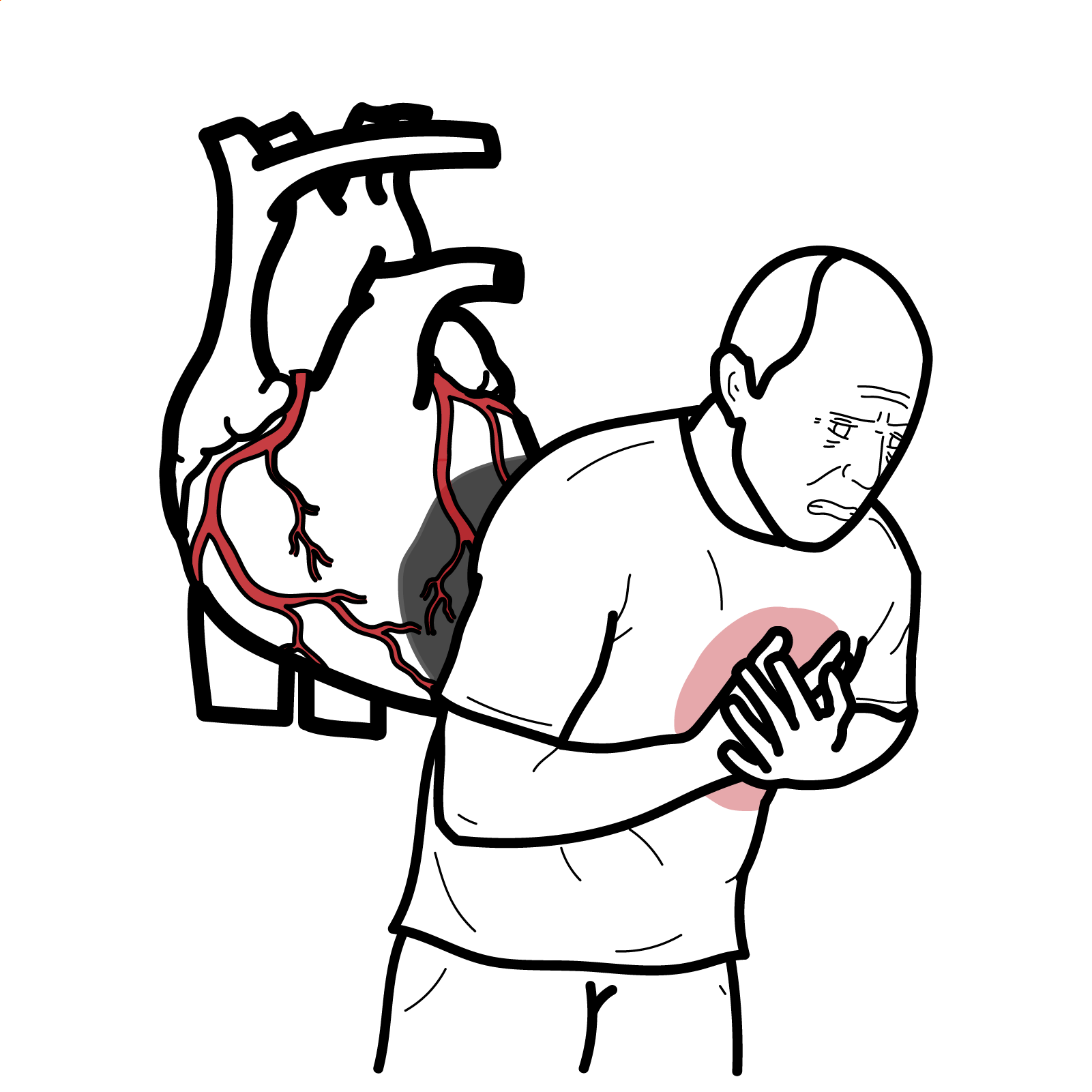
Acute Coronary Syndrome: Myocardial infarction (STEMI, NSTEMI)
Overview Acute coronary syndrome (ACS) describes acute myocardial ischaemia caused by an abrupt reduction in coronary blood flow. It includes myocardial infarction (MI) and unstable angina and is a time-critical medical emergency. This article focuses on ST-segment elevation myocardial infarction (STEMI) and non-ST-segment elevation myocardial infarction (NSTEMI). 1 Myocardial infarction is diagnosed when there is…
View topic ↗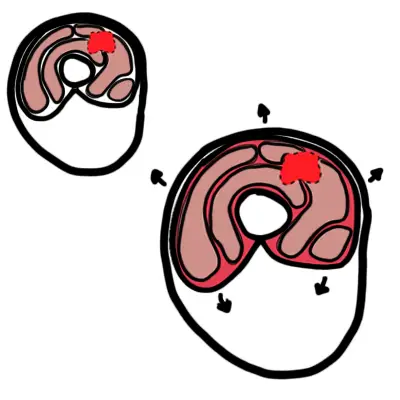
Acute Compartment Syndrome
Overview The muscle groups of the human limbs are divided into section or compartments. Acute compartment syndrome (ACS) occurs when increased pressure within a compartment compromises circulation and function of tissues within that area. common sites of ACS is the leg and forearm. Acute compartment syndrome: A critical pressure increase within a confined compartmental space causing…
View topic ↗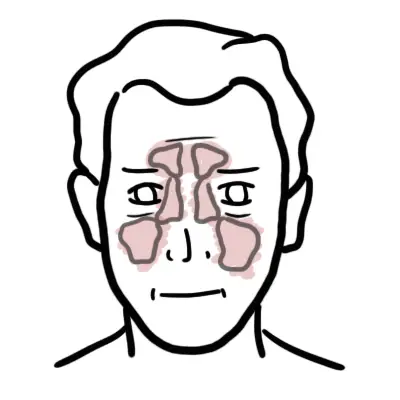
Rhinosinusitis
Overview Rhinosinusitis is an inflammatory condition affecting the mucous membranes of both the nasal cavity and the paranasal sinuses (maxillary, ethmoid, frontal, and sphenoid). The clinical term "rhinosinusitis" is preferred over "sinusitis" because inflammation of the paranasal sinuses almost never occurs without concurrent inflammation of the contiguous nasal mucosa. It is one of the most…
View topic ↗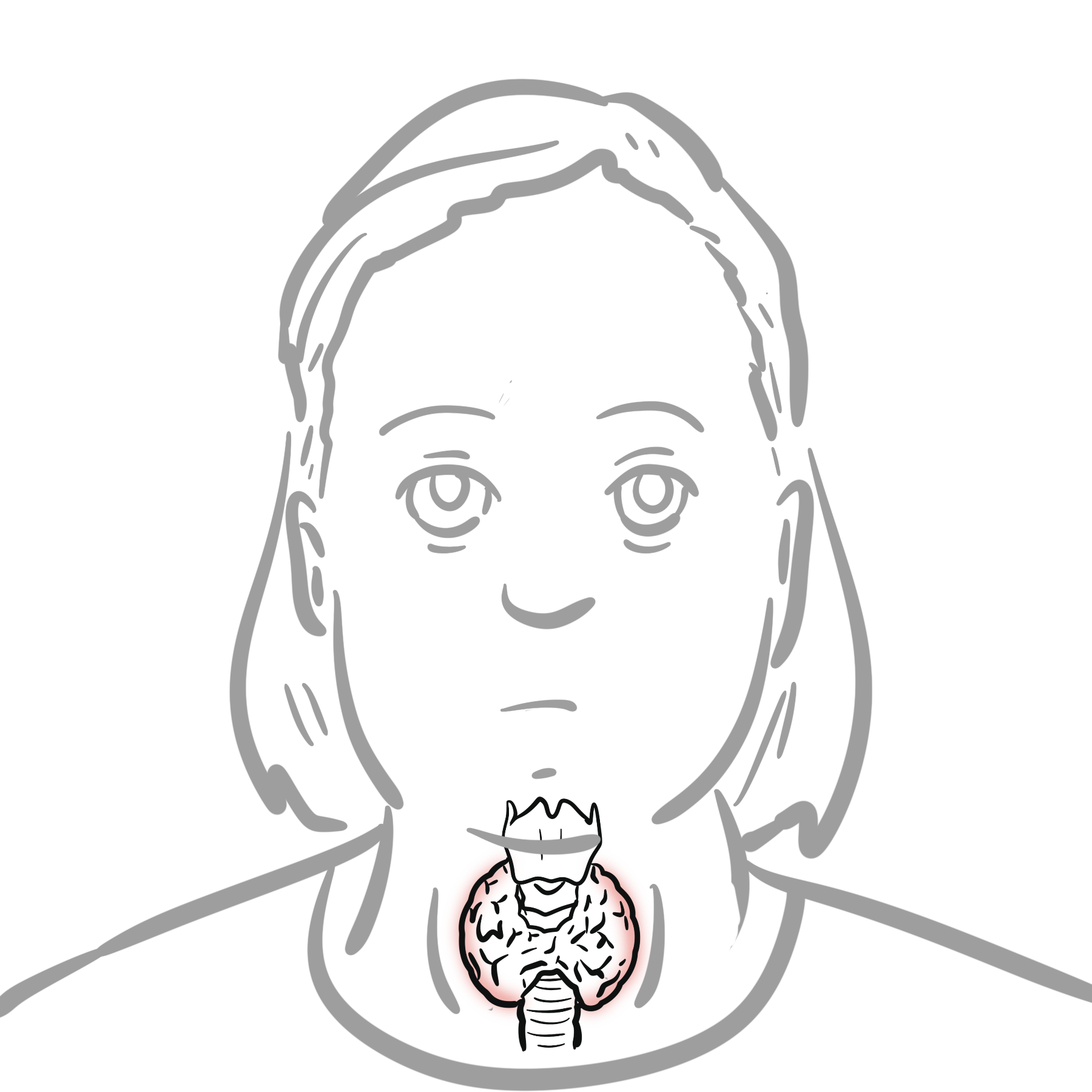
Hyperthyroidism (Thyrotoxicosis)
Overview The most common cause of hyperthyroidism are Graves disease, multinodular goitre, an autonomously functioning thyroid nodule (adenoma) and subacute thyroiditis. Graves Disease is more common in women. Multinodular goitre is more common in the elderly. Graves disease typically manifests in middle aged women. Thyroid diseases are more common in women. Hyperthyroidism: denote conditions in which…
View topic ↗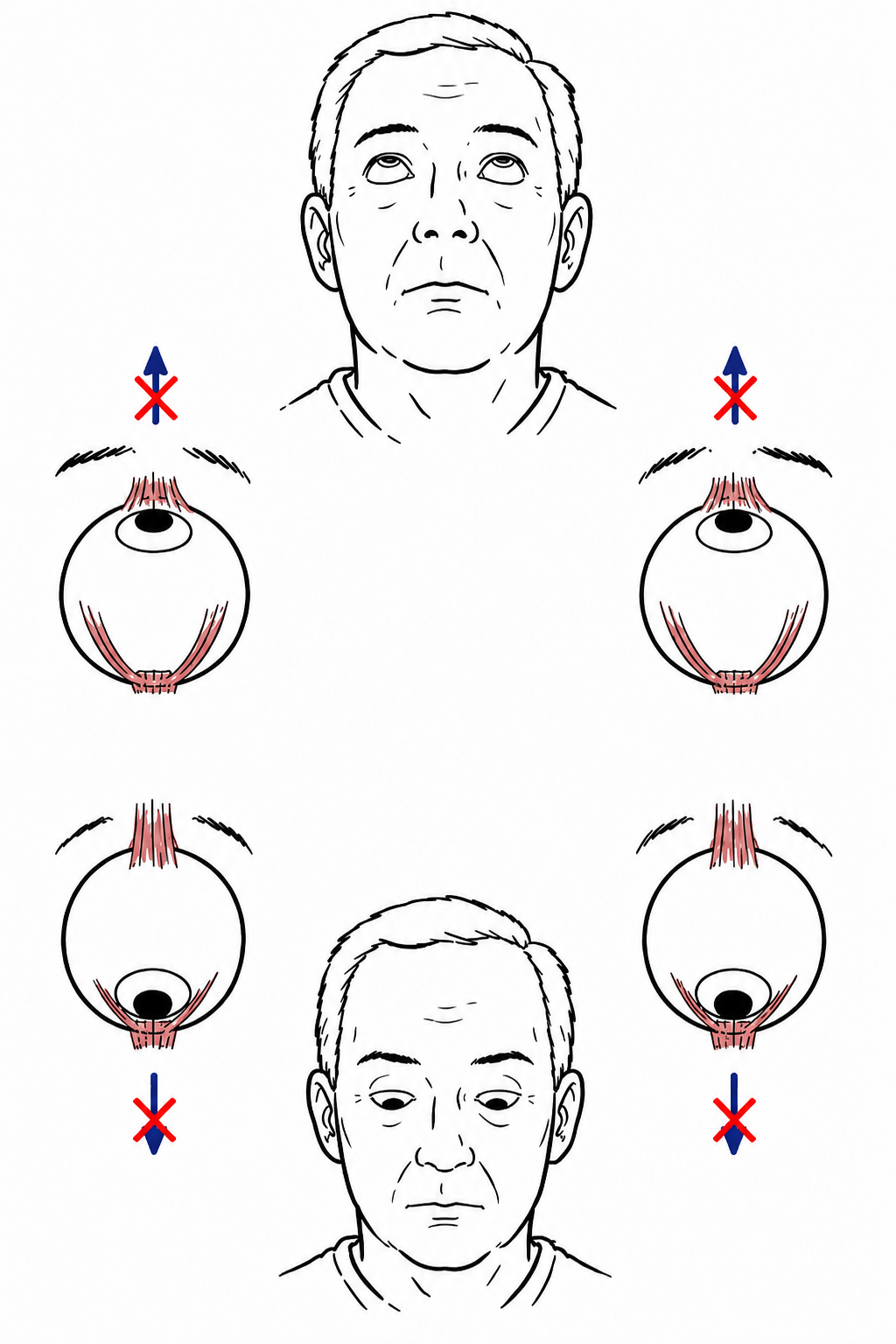
Parkinson Plus Syndrome
Overview Parkinson-Plus syndromes (also known as atypical parkinsonism ) are a heterogeneous group of neurodegenerative diseases characterized by parkinsonian features—bradykinesia, rigidity, tremor, and gait impairment—occurring alongside additional ("plus") prominent neurological signs. These extra features typically include early postural instability with falls, vertical supranuclear gaze palsy, severe autonomic failure, cerebellar ataxia, early cognitive decline, or cortical…
View topic ↗Full resource library
Browse all topics ↗Choose how you learn
One idea. More than one way to see it.
Use the format that helps the topic click, then switch formats when you need to reinforce it.
01 / WATCH02 / READ03 / SEE04 / CHECK
Videos
Hand-drawn explanations that build the big picture as the concept unfolds.
Notes
Clear written explanations for review, reference and filling in the details.
Diagrams
Visual snapshots that help you easily review topics.
Questions
Test whether the explanation stayed with you—not just whether it looked familiar.
Good places to begin
Explanations learners return to.

How to Bathe a Newborn Baby | Baby Bathing Tips for New Parents
Learn how to safely bathe your newborn baby step by step. This baby bath tutorial covers when to start, how often to bathe your baby, sponge vs tub baths, and tips for keeping baby warm and calm during the bath. Perfect for first-time parents! ✔️ Baby bath basics ✔️ Newborn sponge bath technique ✔️ How…
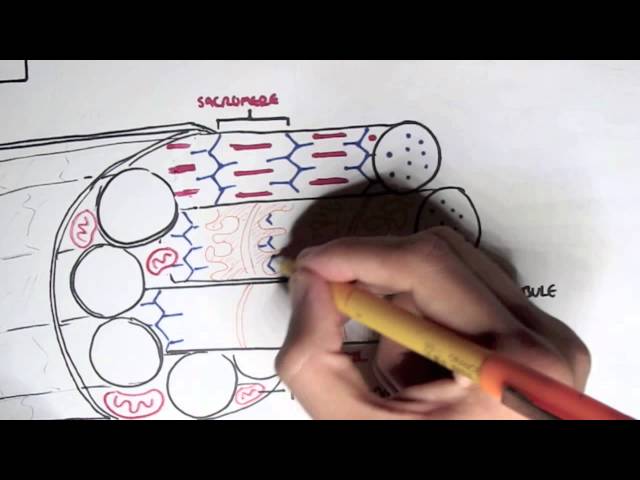
Myology – Skeletal Muscle Contraction
Explore the process of skeletal muscle contraction, from action potential initiation to cross-bridge cycling between actin and myosin. This educational video covers the role of calcium, troponin-tropomyosin complex, and ATP—essential for mastering muscle physiology and preparing for medical exams.
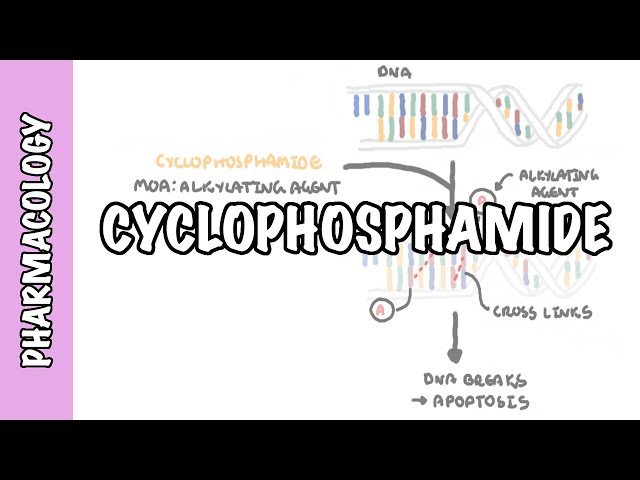
Cyclophosphamide – pharmacology, mechanism of action, adverse effects
Learn about cyclophosphamide, a powerful alkylating agent used in cancer treatment and autoimmune diseases. This video explains its pharmacology, DNA-crosslinking mechanism of action, and potential adverse effects such as myelosuppression, hemorrhagic cystitis, and infertility.
Our mission
Medical science is complex. Understanding it should feel possible.
Armando Hasudungan turns difficult medical science into clear visual explanations and connected learning experiences—so learners can see the whole picture, remember what matters and find a clearer way forward.
See it clearly
Turn abstract processes and invisible relationships into something the learner can picture.
Connect the pieces
Build understanding around how concepts fit together—not a pile of isolated facts.
Make it useful
Help learners move from explanation to recall, revision and the next logical step.
What clarity feels like
When the topic stops being a blur.
Learners do not come back because the subject became easy. They come back because the explanation gave them a picture they could work with.
“Armando's teaching style gives me the foundational knowledge.
Jessica Payne-Burnett
Medical Student, Charles Sturt University
“The notes I make during his videos help me retain everything better.
Ayesha RaiStudent, Islamabad Medical and Dental College
“The drawings are amazing and super easy to remember.
Reem Mohamed Khair Abdalrazig
Student, Neelain University
Coming soon: the AH study platform
The explanation is only the start.
The free library helps you find a clear explanation. The AH platform is being built to help you connect the resources, follow a clearer path and check what actually stuck.
- Watch in a focused, ad-free study environment.
- Move between connected videos, notes, diagrams and questions.
- Know what belongs next instead of rebuilding the study path yourself.
- Test your understanding while the topic is still fresh.
New and worth a look
Keep building the picture.

Cervical Radiculopathy
Overview Cervical radiculopathy is dysfunction of a cervical nerve root caused by irritation or compression as it leaves the spine. It commonly produces pain radiating from the neck into one arm, sometimes with paraesthesia, numbness, weakness or altered reflexes. A disc herniation or degenerative narrowing of the neural foramen is a common cause. Diagnosis is…
View this topic ↗About Visualising Medicine
Good education does not remove complexity. It makes complexity feel simple.
Visualising Medicine is the team behind Armando Hasudungan. We bring together medicine, illustration, writing and technology to make difficult ideas clearer—and build better ways for learners to use them.