

Visual explanationFree resource
Visual medical education by Armando Hasudungan
Medical science, drawn into focus.
Explore visual explanations that reveal how the facts, processes and clinical patterns fit together—then discover the coming AH study platform, built to guide what you study next and check what stuck.
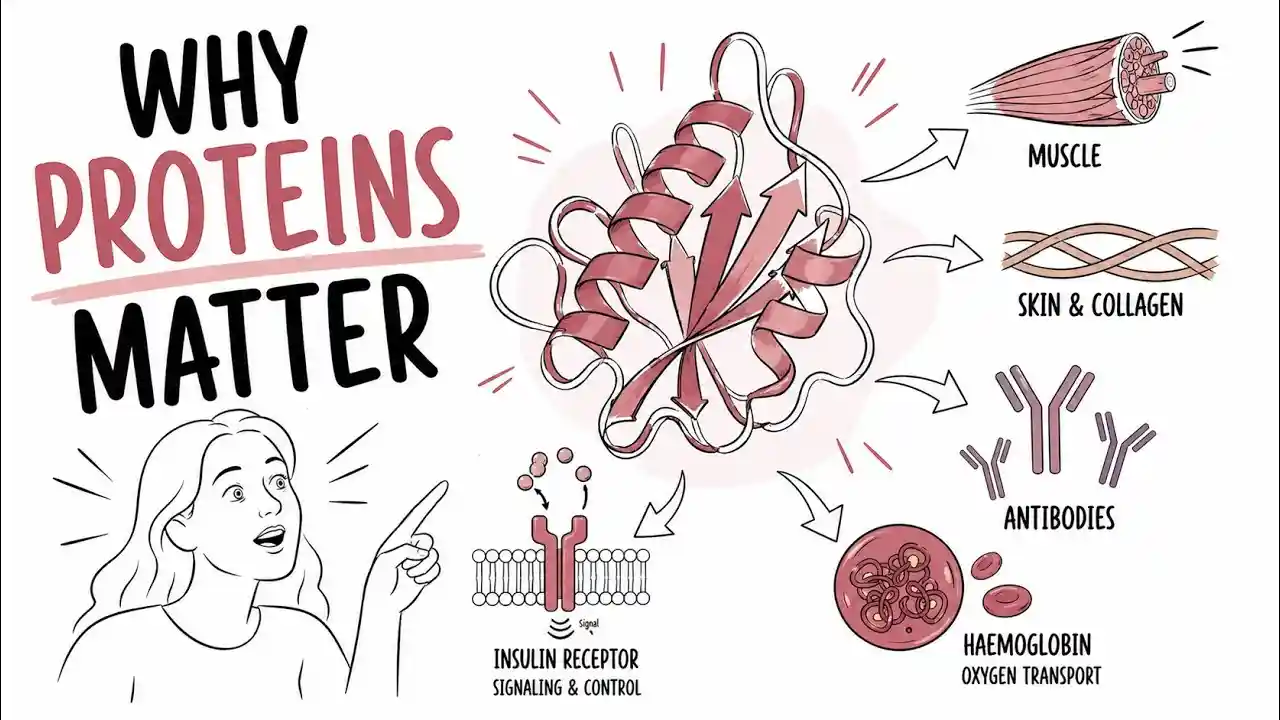
Connected studyComing soon
Clear visual explanations used by medical and allied-health learners around the world.
Explore the free library
Start with the topic in front of you.
Browse by subject or jump straight into the explanation you need. No account required.

Complement Deficiencies
Overview Complement deficiencies are rare primary immunodeficiencies resulting from inherited absence or dysfunction of complement proteins, regulators, or receptors. They predispose to recurrent bacterial infections, autoimmune disease (particularly systemic lupus erythematosus–like syndromes), and in some cases angioedema. Complement proteins play a central role in innate immunity by opsonisation, chemotaxis, and direct lysis of pathogens via…
View topic ↗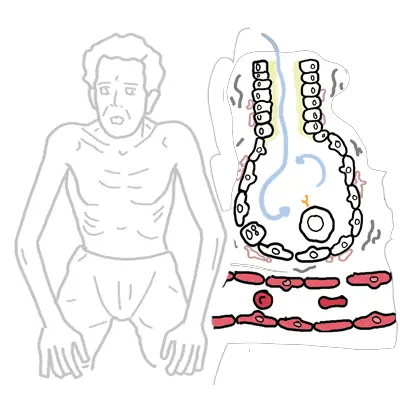
COPD
Overview The diagnosis of COPD is usually limited to individuals who have chronic airflow obstruction associated with tobacco smoke or some other noxious inhalant, and it is usually not difficult to distinguish it from other causes of chronic airflow obstruction. The most commonly associated clinical disorders associated with COPD are emphysema and chronic bronchitis. Chronic…
View topic ↗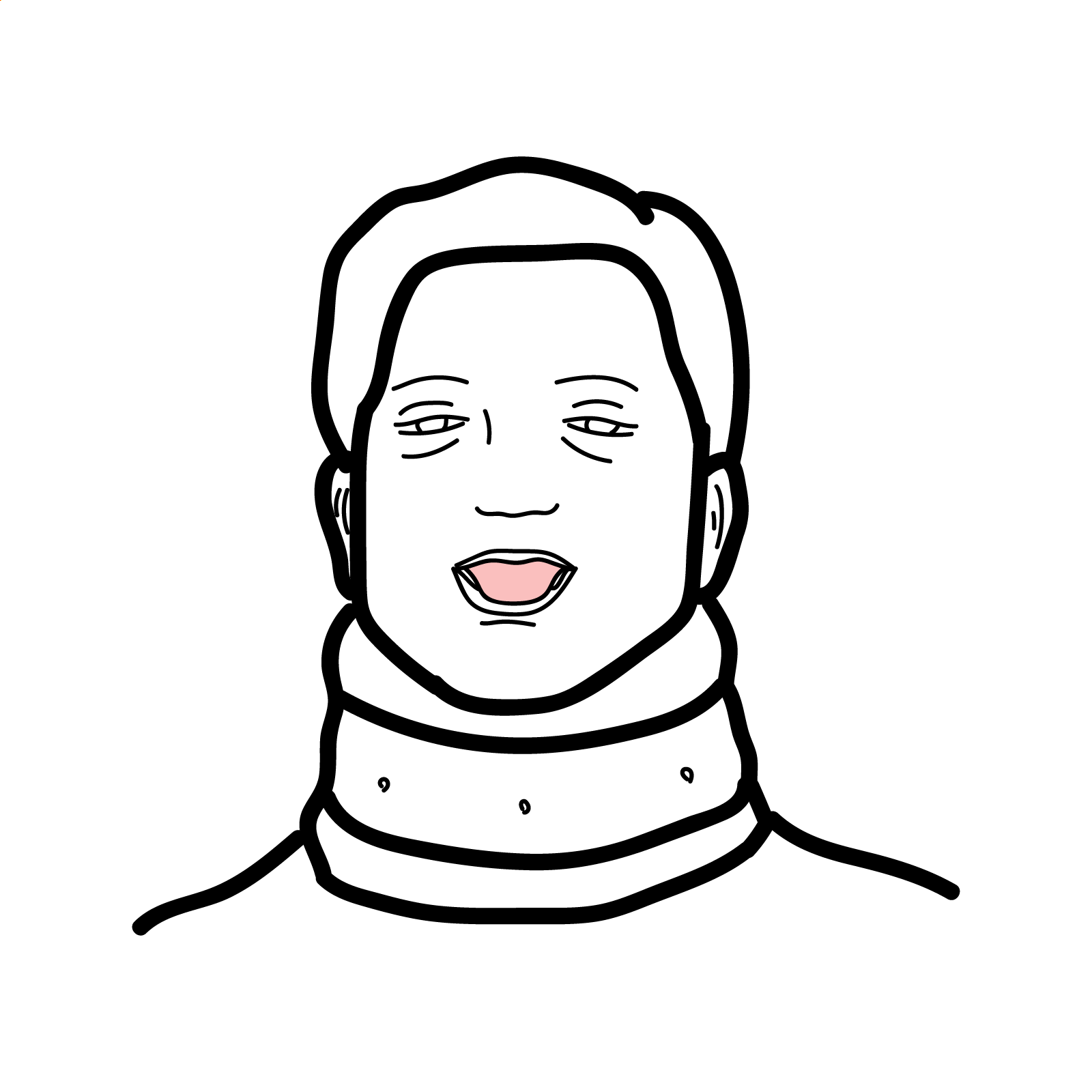
Botulism
Overview Botulism is a rare, life-threatening neuroparalytic syndrome caused by botulinum neurotoxin. It classically produces acute bilateral cranial nerve palsies followed by symmetrical descending flaccid paralysis, which may progress to respiratory failure. 1 Botulism is very rare in Australia, where most reported cases occur in infants younger than 12 months. Nevertheless, foodborne, wound and iatrogenic…
View topic ↗
Schizophrenia
Overview Schizophrenia is a complex syndrome often presenting in late teens/early 20s with positive, negative and cognitive symptoms. Positive symptoms include behaviours and thoughts that are not normally present (psychosis). Negative symptoms include social withdrawal and affective flattening. Finally, cognitive symptoms are expressed as a broad set of cognitive dysfunction. The average lifetime prevalence of…
View topic ↗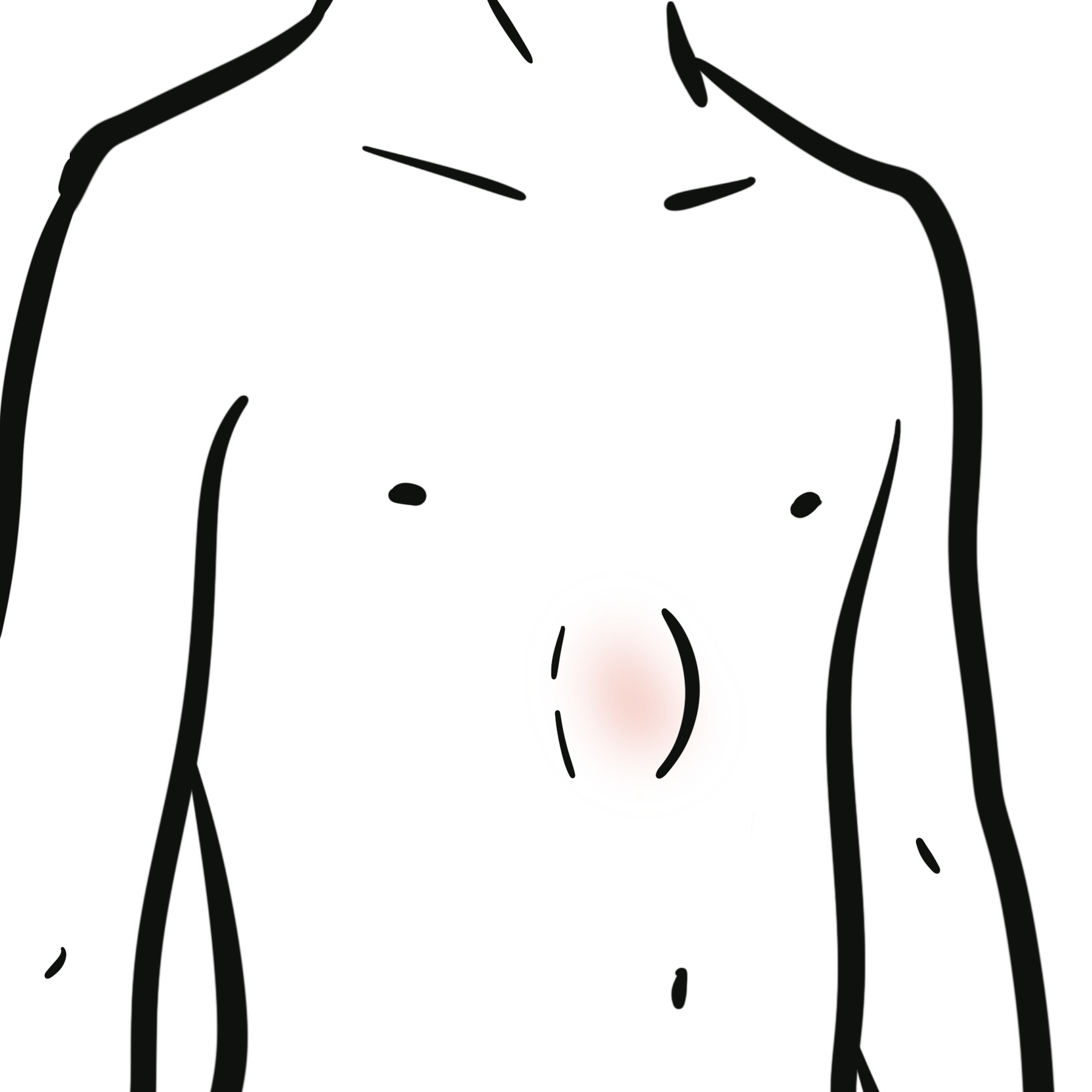
Umbilical and Epigastric Hernia
Overview Umbilical and Epigastric hernias are types of Primary Ventral abdominal wall hernias. Epigastric hernias are two to three times more common in men. Umbilical hernias are three times more likely in females. Most epigastric hernias contain preperitoneal fat, while most umbilical hernias contain omentum or bowel. These hernias are usually asymptomatic unless incarcerated, obstructed…
View topic ↗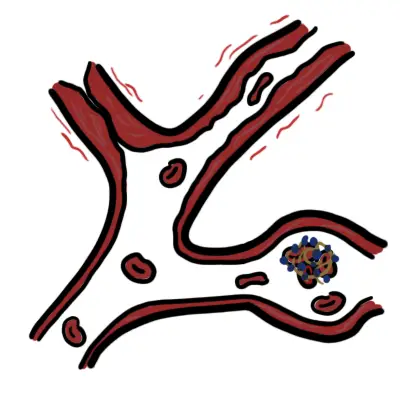
Vasculitides
Classification Large-vessel vasculitis Takayasu arteritis Medium-sized vessel vasculitis Childhood polyarteritis nodosa Kawasaki Disease Small-vessel vasculitis Granulomatosis with polyangiitis (Wegener’s Syndrome) Eosinophilic granulomatosis with polyangiitis (Churg–Strauss syndrome) Henoch-Schönlein purpura (Spring Fever) Other vasculitides Behçet’s disease Kawasaki disease and HSP are the most common childhood vasculitis followed by PAN.
View topic ↗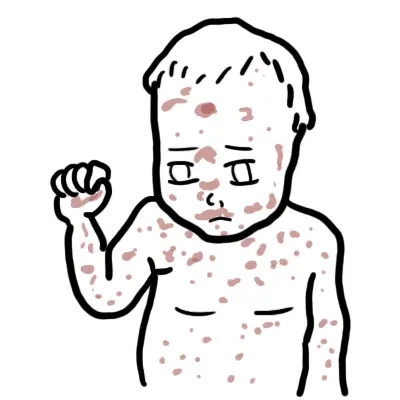
Paediatric Viral Cutaneous Infection
Classical Exanthem Overview Exanthem refers to the cutaneous manifestation of a viral illness (enanthem is the manifestation in the mouth). Historically, 6 exanthems have been recognised, 4 of which are viral. However, obviously there are much more common exanthems. The six described are: Measles (measles virus) Scarlet fever ( streptococcus pyogenes ) – this is…
View topic ↗Full resource library
Browse all topics ↗Choose how you learn
One idea. More than one way to see it.
Use the format that helps the topic click, then switch formats when you need to reinforce it.
01 / WATCH02 / READ03 / SEE04 / CHECK
Videos
Hand-drawn explanations that build the big picture as the concept unfolds.
Notes
Clear written explanations for review, reference and filling in the details.
Diagrams
Visual snapshots that help you easily review topics.
Questions
Test whether the explanation stayed with you—not just whether it looked familiar.
Good places to begin
Explanations learners return to.
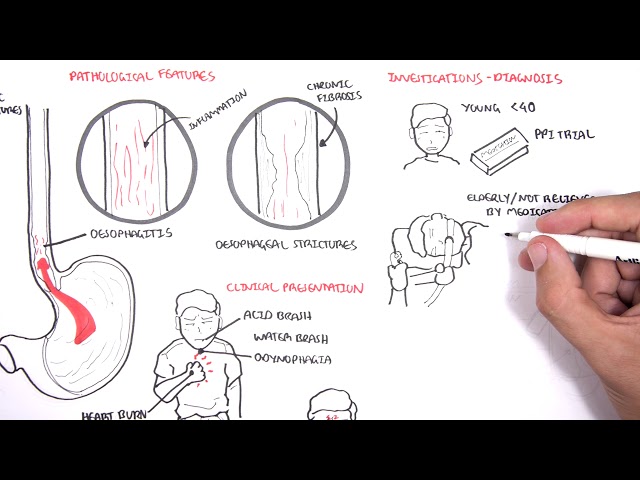
GORD (GERD) Gastro Oesophageal Reflux Disease – Overview pathophysiology, treatment
Learn the essentials of Gastro-Oesophageal Reflux Disease (GORD/GERD), including its underlying pathophysiology, common symptoms, and treatment options. This video offers a clear and visual explanation of acid reflux and its clinical management.
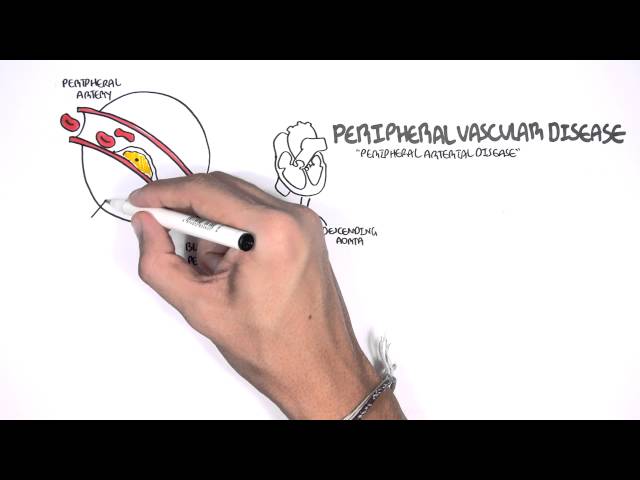
Cardiovascular Disease Overview
Gain a comprehensive overview of cardiovascular disease, including its major types, risk factors, and impact on the heart and blood vessels. This video simplifies complex concepts for easier understanding and exam preparation.
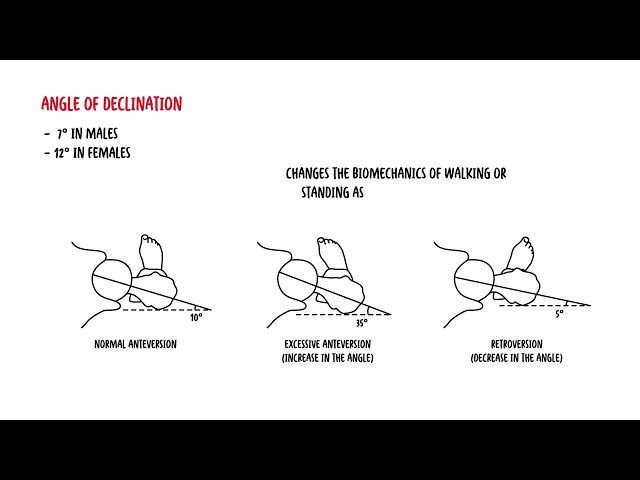
Femur clinical anatomy – fractures, angle of inclination and declination and blood supply
Dive deep into the world of human anatomy with our latest video on the femur. What You'll Learn: The Femur Unveiled: Get up close and personal with the anatomy of the femur, exploring its structure, parts, and functions. Clinical Significance: Discover the crucial role the femur plays in overall body mechanics, mobility, and health. Common…
Our mission
Medical science is complex. Understanding it should feel possible.
Armando Hasudungan turns difficult medical science into clear visual explanations and connected learning experiences—so learners can see the whole picture, remember what matters and find a clearer way forward.
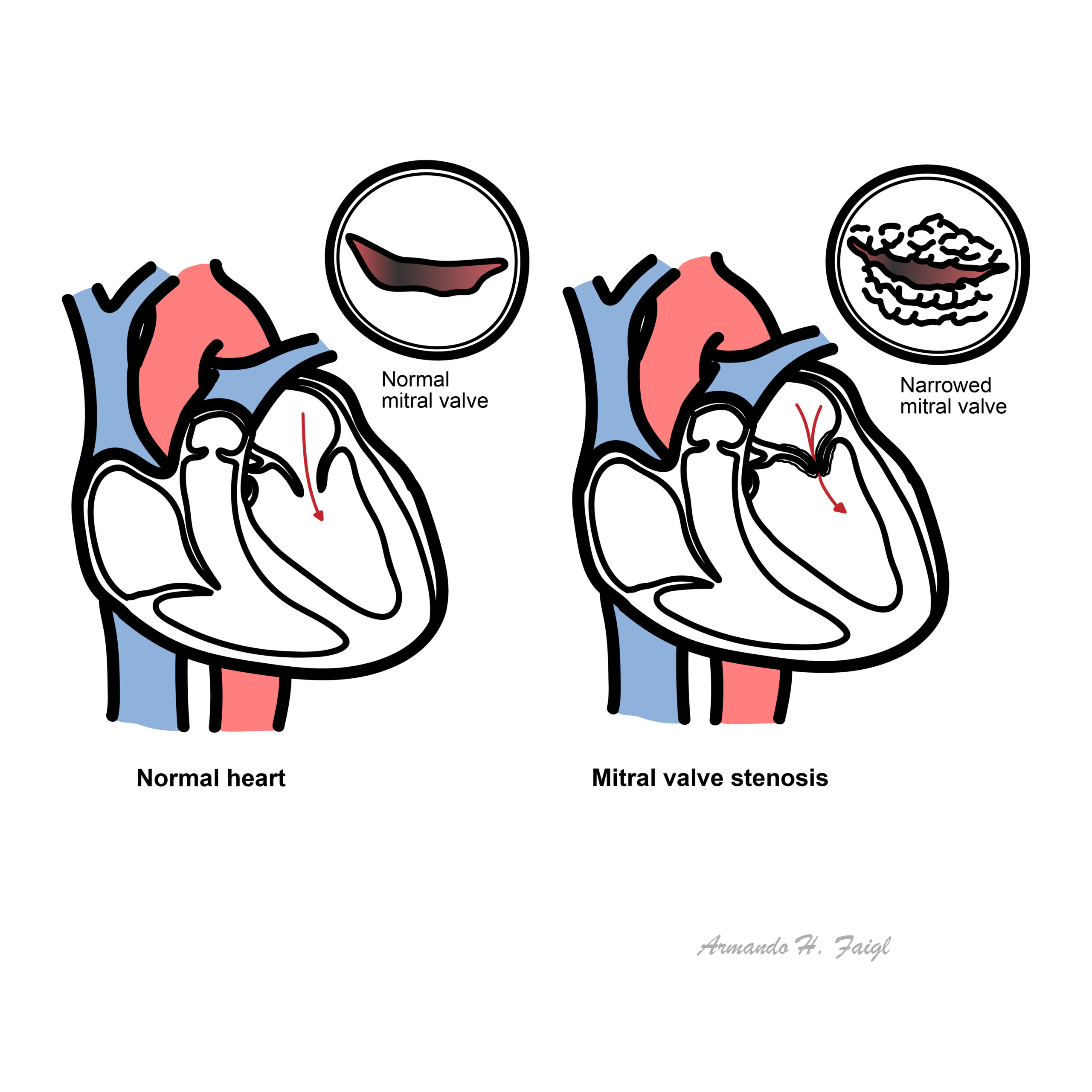
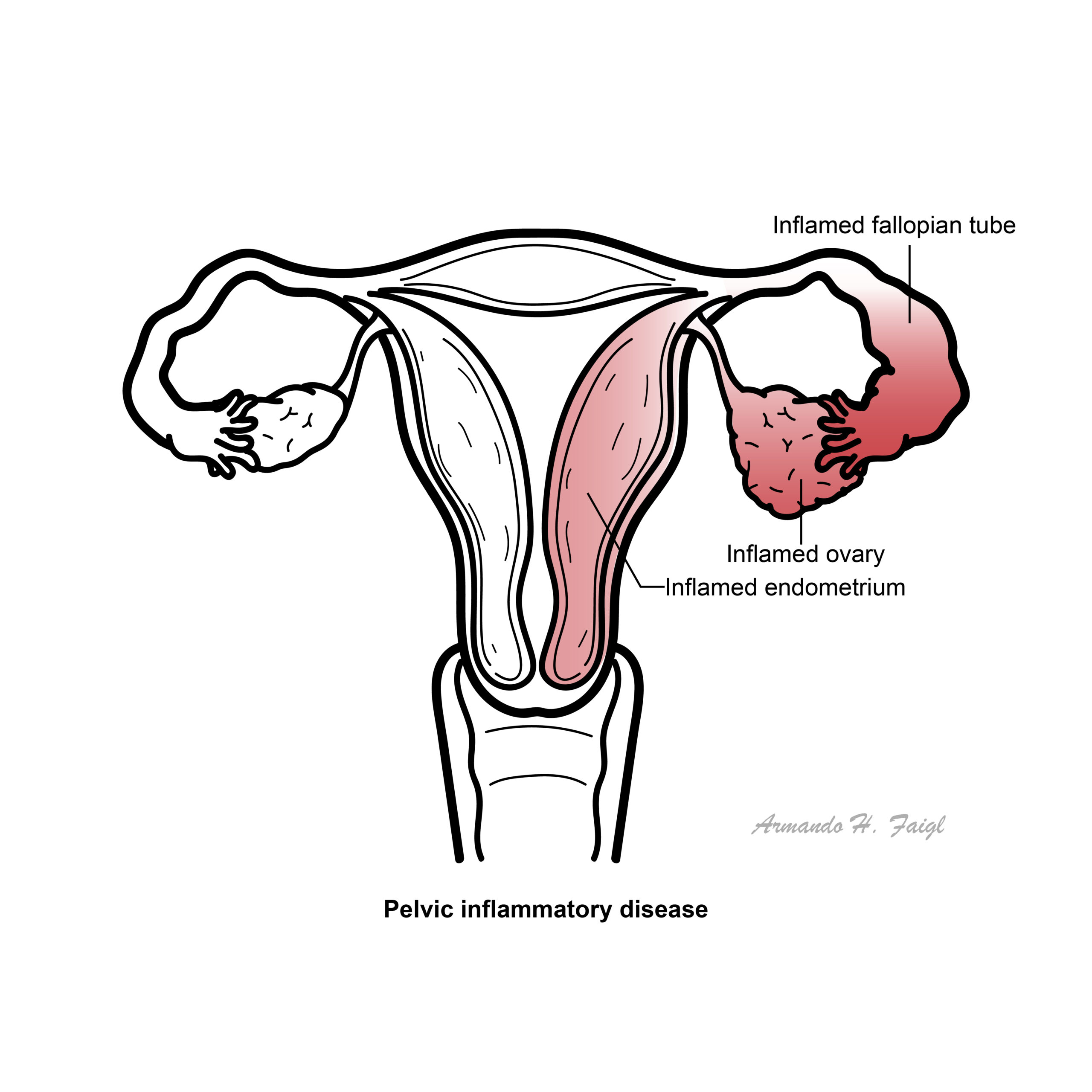
See it clearly
Turn abstract processes and invisible relationships into something the learner can picture.
Connect the pieces
Build understanding around how concepts fit together—not a pile of isolated facts.
Make it useful
Help learners move from explanation to recall, revision and the next logical step.
What clarity feels like
When the topic stops being a blur.
Learners do not come back because the subject became easy. They come back because the explanation gave them a picture they could work with.
“Armando's teaching style gives me the foundational knowledge.
Jessica Payne-Burnett
Medical Student, Charles Sturt University
“The notes I make during his videos help me retain everything better.
Ayesha RaiStudent, Islamabad Medical and Dental College
“The drawings are amazing and super easy to remember.
Reem Mohamed Khair Abdalrazig
Student, Neelain University
Coming soon: the AH study platform
The explanation is only the start.
The free library helps you find a clear explanation. The AH platform is being built to help you connect the resources, follow a clearer path and check what actually stuck.
- Watch in a focused, ad-free study environment.
- Move between connected videos, notes, diagrams and questions.
- Know what belongs next instead of rebuilding the study path yourself.
- Test your understanding while the topic is still fresh.
New and worth a look
Keep building the picture.

Cervical Radiculopathy
Overview Cervical radiculopathy is dysfunction of a cervical nerve root caused by irritation or compression as it leaves the spine. It commonly produces pain radiating from the neck into one arm, sometimes with paraesthesia, numbness, weakness or altered reflexes. A disc herniation or degenerative narrowing of the neural foramen is a common cause. Diagnosis is…
View this topic ↗About Visualising Medicine
Good education does not remove complexity. It makes complexity feel simple.
Visualising Medicine is the team behind Armando Hasudungan. We bring together medicine, illustration, writing and technology to make difficult ideas clearer—and build better ways for learners to use them.