

Visual explanationFree resource
Visual medical education by Armando Hasudungan
Medical science, drawn into focus.
Explore visual explanations that reveal how the facts, processes and clinical patterns fit together—then discover the coming AH study platform, built to guide what you study next and check what stuck.
Connected studyComing soon
Clear visual explanations used by medical and allied-health learners around the world.
Explore the free library
Start with the topic in front of you.
Browse by subject or jump straight into the explanation you need. No account required.
Non-Febrile Seizures (Epilepsy)
This section will mainly focus on Paediatric Epilepsy (NOT FEBRILE SEIZURES) Children and Adults can have seizures because of metabolic disturbances, trauma or being in a febrile state. This does mean they have epilepsy. Epilepsy is a condition characterised by the tendency for recurrent seizures. Presents when at least 2 unprovoked seizures occur >24 hours apart. Overview…
View topic ↗Umbilical and Epigastric Hernia
Overview Umbilical and Epigastric hernias are types of Primary Ventral abdominal wall hernias. Epigastric hernias are two to three times more common in men. Umbilical hernias are three times more likely in females. Most epigastric hernias contain preperitoneal fat, while most umbilical hernias contain omentum or bowel. These hernias are usually asymptomatic unless incarcerated, obstructed…
View topic ↗Vitamin B12 Deficiency Anaemia
Overview Vitamin B 12 (cobalamin) deficiency is a common cause of megaloblastic anemia, a variety of neuropsychiatric symptoms, and elevated serum homocysteine levels, especially in older persons. The recognition and treatment of vitamin B 12 deficiency is critical since it is a reversible cause of bone marrow failure and demyelinating nervous system disease. Anaemia (Anemia): The…
View topic ↗Mitral Stenosis
Overview Mitral stenosis causes an obstruction to blood flow from the left atrium to left ventricle usually as a result of rheumatic heart disease. The stenosis results in increased pressure in the left atrium, pulmonary vasculature and right side of heart. Mitral valve disease is a frequent cause of heart failure and death. Mitral valve area:…
View topic ↗Bipolar Disorder
Overview Bipolar disorder, previously termed manic depression, is a psychiatric diagnosis characterised by abnormally elevated or irritable mood episode(s) accompanied by disruptive symptoms of distractibility, indiscretions, grandiosity, flight of ideas, hyperactivity, decreased need for sleep, and talkativeness. It is well known that bipolar disorder carries with it high mortality and morbidity rates. The lifetime risk…
View topic ↗Psoriasis
Overview Psoriasis is a chronic, immune-mediated, inflammatory skin disease with systemic associations, characterized by sharply demarcated erythematous plaques with overlying scale, most commonly plaque psoriasis. [1-4] It affects about 1% to 3% of the global population, although prevalence varies by geography and ethnicity, and plaque psoriasis accounts for about 80% to 90% of cases. [1,2]…
View topic ↗Pregnancy (not a disease)
Overview Pregnancy – Overview Physiological Changes in Pregnancy Uterus, Vagina and Breast Physiology changes Uterus (Cervix + Isthmus + Body of uterus) Muscle hypertrophy til 20weeks then stretching till term. Uterine and ovarian arteries undergo hypertrophy Cervix Reduced collagen → allows dilatation Hypertrophy of cervical glands → thick mucus plug Uterine body ↑size, shape, shape and consitency Increases…
View topic ↗Full resource library
Browse all topics ↗Choose how you learn
One idea. More than one way to see it.
Use the format that helps the topic click, then switch formats when you need to reinforce it.
01 / WATCH02 / READ03 / SEE04 / CHECK
Videos
Hand-drawn explanations that build the big picture as the concept unfolds.
Notes
Clear written explanations for review, reference and filling in the details.
Diagrams
Visual snapshots that help you easily review topics.
Questions
Test whether the explanation stayed with you—not just whether it looked familiar.
Good places to begin
Explanations learners return to.
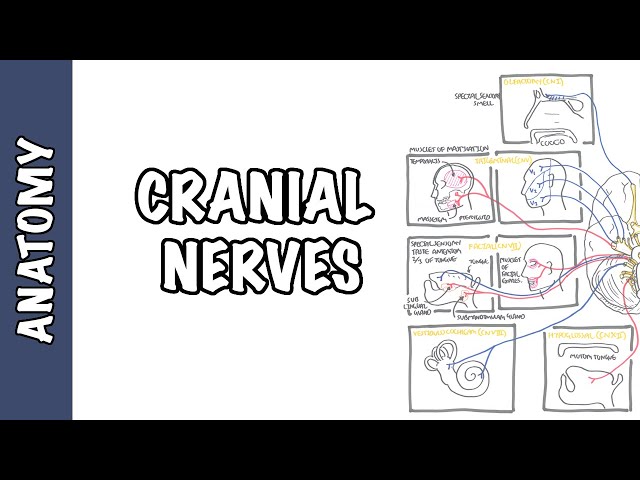
Anatomy – Cranial Nerves Overview
Explore the anatomy and functions of the 12 cranial nerves in this comprehensive overview video. Learn key clinical correlations and the role each nerve plays in sensory and motor functions essential for diagnosis.
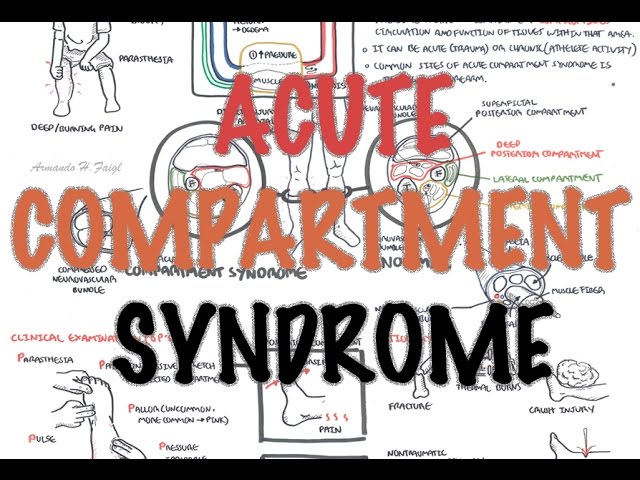
Acute Compartment Syndrome
Learn about Compartment Syndrome in this concise overview covering its pathophysiology, key signs and symptoms, and emergency treatment strategies like fasciotomy. Understand how early recognition can prevent irreversible muscle and nerve damage.
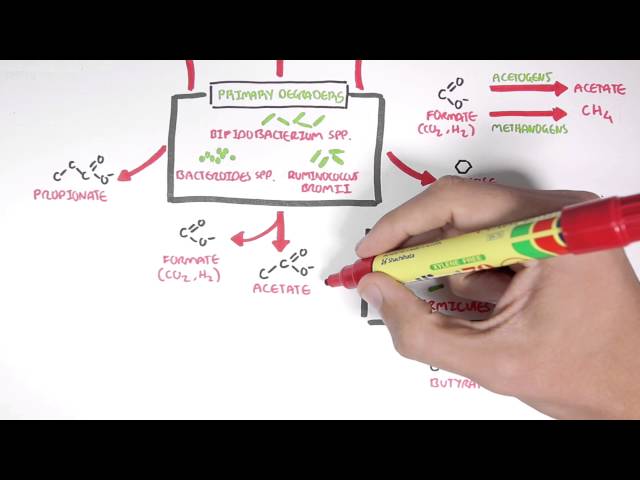
Starch Fermentation In the Digestive Tract
Learn how starch fermentation occurs in the digestive tract, producing short-chain fatty acids like butyrate, acetate, and propionate. This video explains the role of gut microbiota in breaking down complex carbohydrates and supporting colon health. Video was part of 2014 Summer Scholarship Project with CSIRO called "The Hungry Microbiome" For more visit: http://www.csiro.au/hungrymicrobiome/
Our mission
Medical science is complex. Understanding it should feel possible.
Armando Hasudungan turns difficult medical science into clear visual explanations and connected learning experiences—so learners can see the whole picture, remember what matters and find a clearer way forward.
See it clearly
Turn abstract processes and invisible relationships into something the learner can picture.
Connect the pieces
Build understanding around how concepts fit together—not a pile of isolated facts.
Make it useful
Help learners move from explanation to recall, revision and the next logical step.
What clarity feels like
When the topic stops being a blur.
Learners do not come back because the subject became easy. They come back because the explanation gave them a picture they could work with.
“Armando's teaching style gives me the foundational knowledge.
Jessica Payne-Burnett
Medical Student, Charles Sturt University
“The notes I make during his videos help me retain everything better.
Ayesha RaiStudent, Islamabad Medical and Dental College
“The drawings are amazing and super easy to remember.
Reem Mohamed Khair Abdalrazig
Student, Neelain University
Coming soon: the AH study platform
The explanation is only the start.
The free library helps you find a clear explanation. The AH platform is being built to help you connect the resources, follow a clearer path and check what actually stuck.
- Watch in a focused, ad-free study environment.
- Move between connected videos, notes, diagrams and questions.
- Know what belongs next instead of rebuilding the study path yourself.
- Test your understanding while the topic is still fresh.
New and worth a look
Keep building the picture.
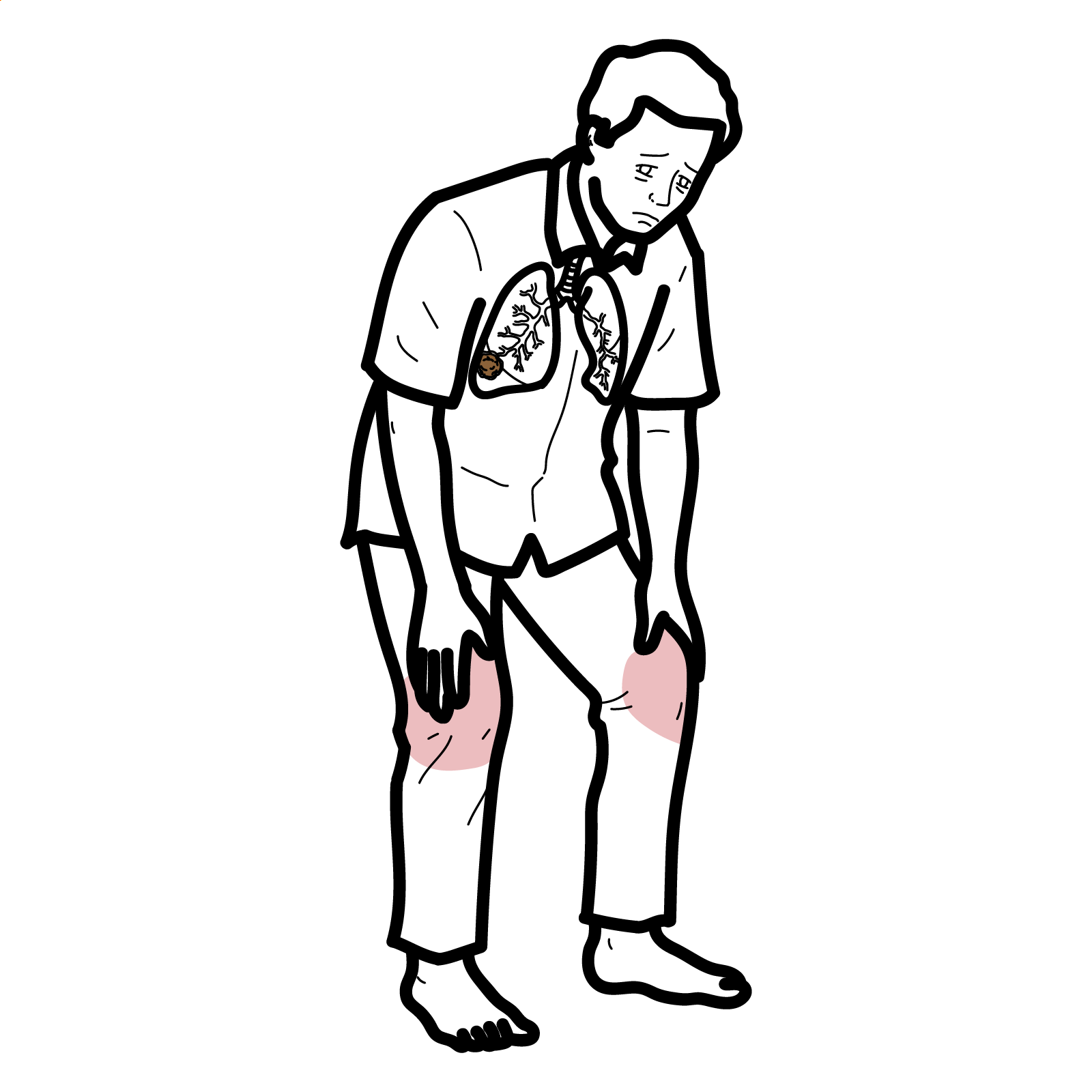
Lambert-Eaton Myasthenic Syndrome
Overview Lambert–Eaton myasthenic syndrome (LEMS) is a rare autoimmune disorder of the presynaptic neuromuscular junction. It causes impaired acetylcholine release, producing the characteristic triad of proximal muscle weakness, reduced reflexes and autonomic dysfunction. LEMS may occur as a paraneoplastic syndrome—most commonly associated with small-cell lung cancer (SCLC)—or as a non-tumour-associated autoimmune disorder. Neuromuscular junction: connection…
View this topic ↗About Visualising Medicine
Good education does not remove complexity. It makes complexity feel simple.
Visualising Medicine is the team behind Armando Hasudungan. We bring together medicine, illustration, writing and technology to make difficult ideas clearer—and build better ways for learners to use them.