

Visual explanationFree resource
Visual medical education by Armando Hasudungan
Medical science, drawn into focus.
Explore visual explanations that reveal how the facts, processes and clinical patterns fit together—then discover the coming AH study platform, built to guide what you study next and check what stuck.
Connected studyComing soon
Clear visual explanations used by medical and allied-health learners around the world.
Explore the free library
Start with the topic in front of you.
Browse by subject or jump straight into the explanation you need. No account required.
Adult onset Still's Disease
Overview Adult Onset Still’s Disease (AOSD) is a complex multisystemic autoinflammatory disease characterised by recurrent episodes of spiking fever (> 39–40°C), pink–salmon transient skin rash, and the presence of arthralgia or polyarthritis. First described by Eric Bywaters in 1971 it closely resembles systemic onset juvenile idiopathic arthritis (Still’s disease). retrospective observational study in Japan found…
View topic ↗COPD
Overview The diagnosis of COPD is usually limited to individuals who have chronic airflow obstruction associated with tobacco smoke or some other noxious inhalant, and it is usually not difficult to distinguish it from other causes of chronic airflow obstruction. The most commonly associated clinical disorders associated with COPD are emphysema and chronic bronchitis. Chronic…
View topic ↗Acute Kidney Injury (AKI)
Overview Acute kidney injury (AKI) (formerly acute renal failure) is the syndrome arising from a rapid fall in GFR (over hours to days). It is characterized by retention of both nitrogenous (including Urea and Creatinine) and non-nitrogenous waste products of metabolism, as well as disordered electrolyte, acid– base, and fluid homeostasis. AKI is neither a…
View topic ↗Post Traumatic Stress Disorder
Traumatic and Stress Related Disorders Post traumatic stress disorder Acute stress Disrorder Adjustment Disorder This will mainly focus on PTSD Overview The identification of Post traumatic stress disorder (PTSD) in a patient involves understanding the traumatic event and the patient characteristics. PTSD may develop following exposure to 1 or more traumatic events such as deliberate acts of interpersonal…
View topic ↗Generalised Anxiety Disorder
DSM V categorise these as seperate disorders Depressive disorders Bipolar disorders Anxiety disorders Anxiety Disorders Generalised Anxiety Disorder Specific Phobia Agoraphobia Social Anxiety Disorder Panic Disorder This will mainly focus on Generalised Anxiety Disorder and touches on Panic Disorder . Overview Generalized anxiety disorder (GAD) can be defined as anxiety and worry about several events…
View topic ↗Biceps Tendon Rupture
Overview A biceps tendon rupture is a partial or complete tear of the tendon attaching the biceps muscle to the shoulder or elbow. Proximal ruptures, usually involving the long head of the biceps at the shoulder, are more common and often result from age-related degeneration or associated rotator-cuff disease. They typically cause upper-arm pain, bruising…
View topic ↗Osgood Schlatter
Overview In this common disorder of adolescence the tibial tubercle becomes painful and ‘swollen’. Although often called osteochondritis and apophysitis, it is nothing more than a traction injury of the apophysis into which part of the patellar tendon is attached. Osgood-Schaltter disease typically occurs during the early adolescent growth spurt between 10-15 years of age,…
View topic ↗Full resource library
Browse all topics ↗Choose how you learn
One idea. More than one way to see it.
Use the format that helps the topic click, then switch formats when you need to reinforce it.
01 / WATCH02 / READ03 / SEE04 / CHECK
Videos
Hand-drawn explanations that build the big picture as the concept unfolds.
Notes
Clear written explanations for review, reference and filling in the details.
Diagrams
Visual snapshots that help you easily review topics.
Questions
Test whether the explanation stayed with you—not just whether it looked familiar.
Good places to begin
Explanations learners return to.
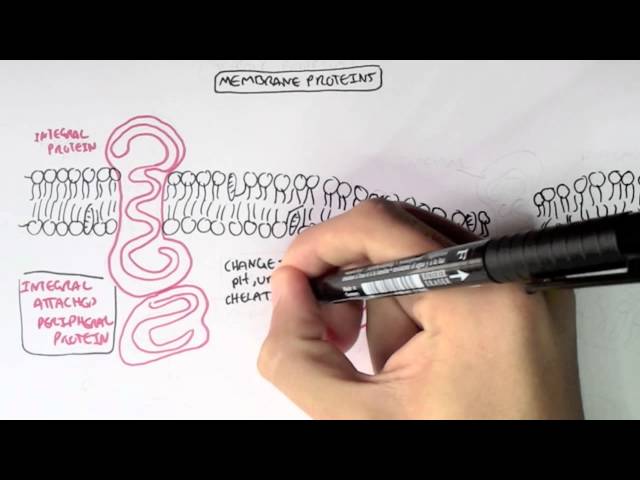
Membrane Protein II
Dive deeper into Membrane Proteins in this educational video, focusing on their roles in transport, enzymatic activity, signal transduction, and cell recognition. This video explains the structure-function relationship of key membrane proteins, helping you grasp their clinical and physiological importance for medical exams.
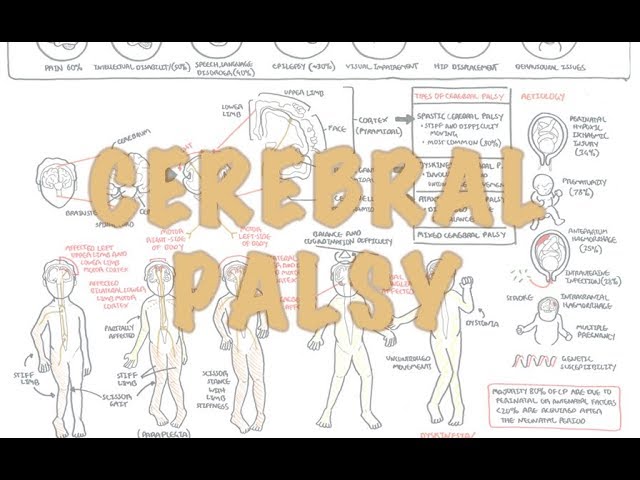
Cerebral Palsy – (DETAILED) Overview
This detailed video on Cerebral Palsy covers its causes, types, clinical features, and management strategies. Gain a comprehensive understanding of this neurological disorder essential for healthcare professionals and students.
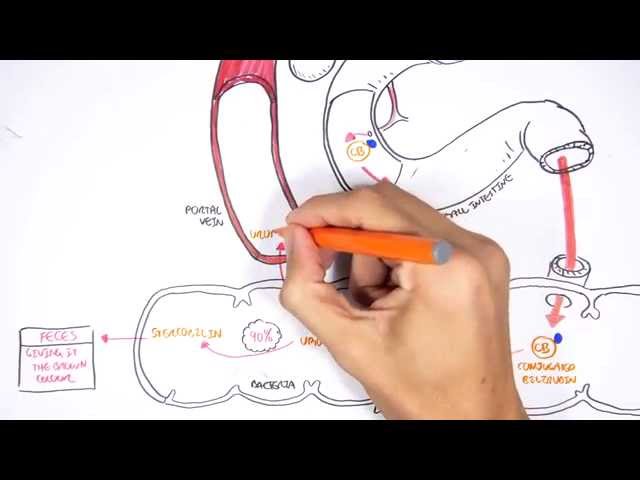
Bilirubin Metabolism
Understand bilirubin metabolism, from the breakdown of hemoglobin to its processing in the liver and excretion in bile. This video explains the steps involved, including conjugation, transport, and the clinical relevance of elevated bilirubin levels.
Our mission
Medical science is complex. Understanding it should feel possible.
Armando Hasudungan turns difficult medical science into clear visual explanations and connected learning experiences—so learners can see the whole picture, remember what matters and find a clearer way forward.
See it clearly
Turn abstract processes and invisible relationships into something the learner can picture.
Connect the pieces
Build understanding around how concepts fit together—not a pile of isolated facts.
Make it useful
Help learners move from explanation to recall, revision and the next logical step.
What clarity feels like
When the topic stops being a blur.
Learners do not come back because the subject became easy. They come back because the explanation gave them a picture they could work with.
“Armando's teaching style gives me the foundational knowledge.
Jessica Payne-Burnett
Medical Student, Charles Sturt University
“The notes I make during his videos help me retain everything better.
Ayesha RaiStudent, Islamabad Medical and Dental College
“The drawings are amazing and super easy to remember.
Reem Mohamed Khair Abdalrazig
Student, Neelain University
Coming soon: the AH study platform
The explanation is only the start.
The free library helps you find a clear explanation. The AH platform is being built to help you connect the resources, follow a clearer path and check what actually stuck.
- Watch in a focused, ad-free study environment.
- Move between connected videos, notes, diagrams and questions.
- Know what belongs next instead of rebuilding the study path yourself.
- Test your understanding while the topic is still fresh.
New and worth a look
Keep building the picture.
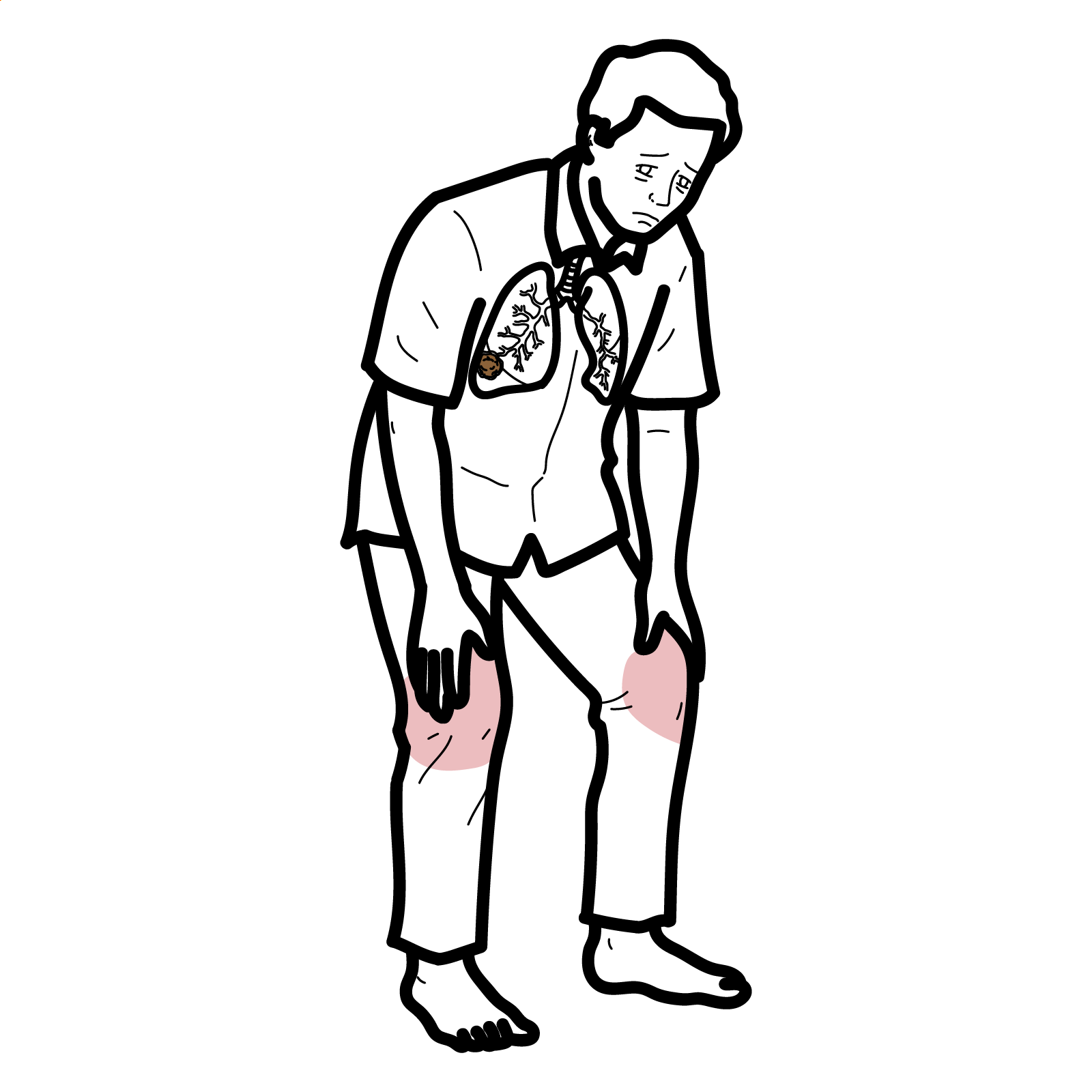
Lambert-Eaton Myasthenic Syndrome
Overview Lambert–Eaton myasthenic syndrome (LEMS) is a rare autoimmune disorder of the presynaptic neuromuscular junction. It causes impaired acetylcholine release, producing the characteristic triad of proximal muscle weakness, reduced reflexes and autonomic dysfunction. LEMS may occur as a paraneoplastic syndrome—most commonly associated with small-cell lung cancer (SCLC)—or as a non-tumour-associated autoimmune disorder. Neuromuscular junction: connection…
View this topic ↗About Visualising Medicine
Good education does not remove complexity. It makes complexity feel simple.
Visualising Medicine is the team behind Armando Hasudungan. We bring together medicine, illustration, writing and technology to make difficult ideas clearer—and build better ways for learners to use them.