

Visual explanationFree resource
Visual medical education by Armando Hasudungan
Medical science, drawn into focus.
Explore visual explanations that reveal how the facts, processes and clinical patterns fit together—then discover the coming AH study platform, built to guide what you study next and check what stuck.
Connected studyComing soon
Clear visual explanations used by medical and allied-health learners around the world.
Explore the free library
Start with the topic in front of you.
Browse by subject or jump straight into the explanation you need. No account required.
Dementia
Overview Dementia is a disorder that is characterized by impairment of cognition, typically involving memory and at least one other cognitive deficit, such as aphasia, apraxia, agnosia, or disturbance in executive functioning. These must represent a decline from previous level of function and be severe enough to interfere with daily function and independence. Decrease in intellectual…
View topic ↗Henoch-Schönlein purpura (Spring Fever)
Overview Henoch Schonlein Purpura is a IgA vasculitis characterised by the Tetrad: palpable purpuric petechial rash, abdominal pain, kidney involvement and arthralgia. Aetiology is unknown but thought to have a genetic predisposition. Clinical Manifestation Henoch Schonlein Purpura Tetrad Palpable purpuric petechial rash, abdominal pain, kidney involvement and arthralgia. Recent mucosal infection (respiratory or gastrointestinal) Rash…
View topic ↗Fistula-In-Ano
Overview Fistula-In-Ano, also referred to as “Anorectal fistula”, is an abnormal tunnel between the anal canal (hollow viscus) and the surface of the body. Over 90% are attributed to prior anorectal abscess. It may occur in the presence of Crohn’s Disease and has an association with obesity and diabetes. Patients experience intermittent rectal pain,…
View topic ↗Paediatric Bacterial Cutaneous Infection
Overview Meningitis 5 year old presents with non-blanching rash, fever, headache, photophobia and neck stiffness. Aetiology Up to three months of age Group B streptococcus E-coli Listeria Three to 12 years of age Streptococcus pneumonia N. meningitidis Clinical presentation Fever Lethargy Irritability Anorexia Nausea/vomiting Photophobia Neck and back pain/rigidity Kernig sign Brudzinski sign Investigations FBC…
View topic ↗Hydrocephalus
Overview Hydrocephalus is excessive accumulation of CSF in the cerebral ventricles. In children, look for increasing head circumference, increased intracranial pressure, a bulging fontanelle, scalp vein engorgement, and paralysis of upward gaze. The most common causes include: Congenital malformations Tumors Inflammation (i.e hemorrhage, meningitis). Treat the underlying cause, if possible; otherwise a surgical shunt is created…
View topic ↗Pre-menstrual Syndrome (PMS)
Overview Premenstrual syndrome is defined as recurrent moderate psychological and physical symptoms that occur during the luteal phase of menses and resolve with menstruation. Most women of reproductive age experience one or more mild emotional or physical symptoms for one to two days before the onset of menses. These symptoms, such as breast soreness and bloating,…
View topic ↗Liver Abscess
Author Areej Zeeshan Ahmed Dr. Armando Faigl (editor) Overview Collection of pus forming a mass in the liver as a result of infection. Mainly divided into two types Pyogenic Amoebic Route of infection Biliary tract (most common) Gallstones Cholangitis Congenital anomaly causing to bile stasis Portal Vein Peritonitis Hepatic artery Trauma Penetrating Non-penetrating can cause…
View topic ↗Full resource library
Browse all topics ↗Choose how you learn
One idea. More than one way to see it.
Use the format that helps the topic click, then switch formats when you need to reinforce it.
01 / WATCH02 / READ03 / SEE04 / CHECK
Videos
Hand-drawn explanations that build the big picture as the concept unfolds.
Notes
Clear written explanations for review, reference and filling in the details.
Diagrams
Visual snapshots that help you easily review topics.
Questions
Test whether the explanation stayed with you—not just whether it looked familiar.
Good places to begin
Explanations learners return to.

The Human Vertebra (spine and backbone)
Explore the structure and function of the human vertebra, the building blocks of the spine and backbone, in this easy-to-follow medical video. Learn about the different regions of the spine, common vertebral conditions, and their role in supporting movement and protecting the spinal cord. Ideal for students, patients, and anyone interested in understanding spinal health.
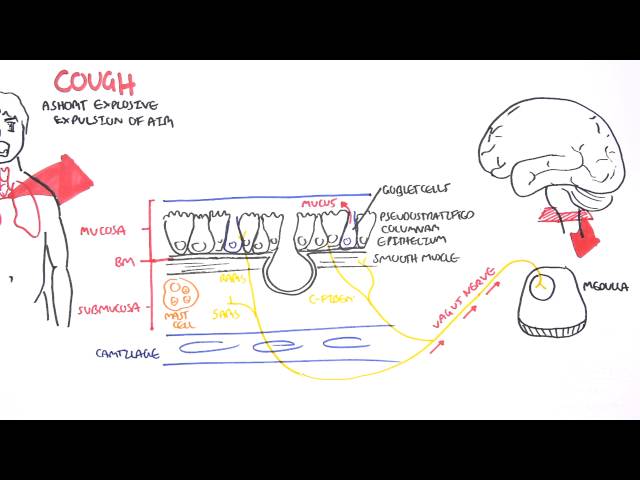
Physiology of Coughing
Explore the physiology behind coughing, including the reflex arc, neural control, and protective mechanisms of the respiratory system. This video breaks down how irritants trigger the cough reflex and its clinical significance in various respiratory conditions.
Eye disorders
Explore common Eye Disorders in this video, covering conditions such as cataracts, glaucoma, macular degeneration, and conjunctivitis. Perfect for exam prep and clinical insight, this video breaks down causes, symptoms, and treatment approaches with clear visuals and concise explanations.
Our mission
Medical science is complex. Understanding it should feel possible.
Armando Hasudungan turns difficult medical science into clear visual explanations and connected learning experiences—so learners can see the whole picture, remember what matters and find a clearer way forward.
See it clearly
Turn abstract processes and invisible relationships into something the learner can picture.
Connect the pieces
Build understanding around how concepts fit together—not a pile of isolated facts.
Make it useful
Help learners move from explanation to recall, revision and the next logical step.
What clarity feels like
When the topic stops being a blur.
Learners do not come back because the subject became easy. They come back because the explanation gave them a picture they could work with.
“Armando's teaching style gives me the foundational knowledge.
Jessica Payne-Burnett
Medical Student, Charles Sturt University
“The notes I make during his videos help me retain everything better.
Ayesha RaiStudent, Islamabad Medical and Dental College
“The drawings are amazing and super easy to remember.
Reem Mohamed Khair Abdalrazig
Student, Neelain University
Coming soon: the AH study platform
The explanation is only the start.
The free library helps you find a clear explanation. The AH platform is being built to help you connect the resources, follow a clearer path and check what actually stuck.
- Watch in a focused, ad-free study environment.
- Move between connected videos, notes, diagrams and questions.
- Know what belongs next instead of rebuilding the study path yourself.
- Test your understanding while the topic is still fresh.
New and worth a look
Keep building the picture.
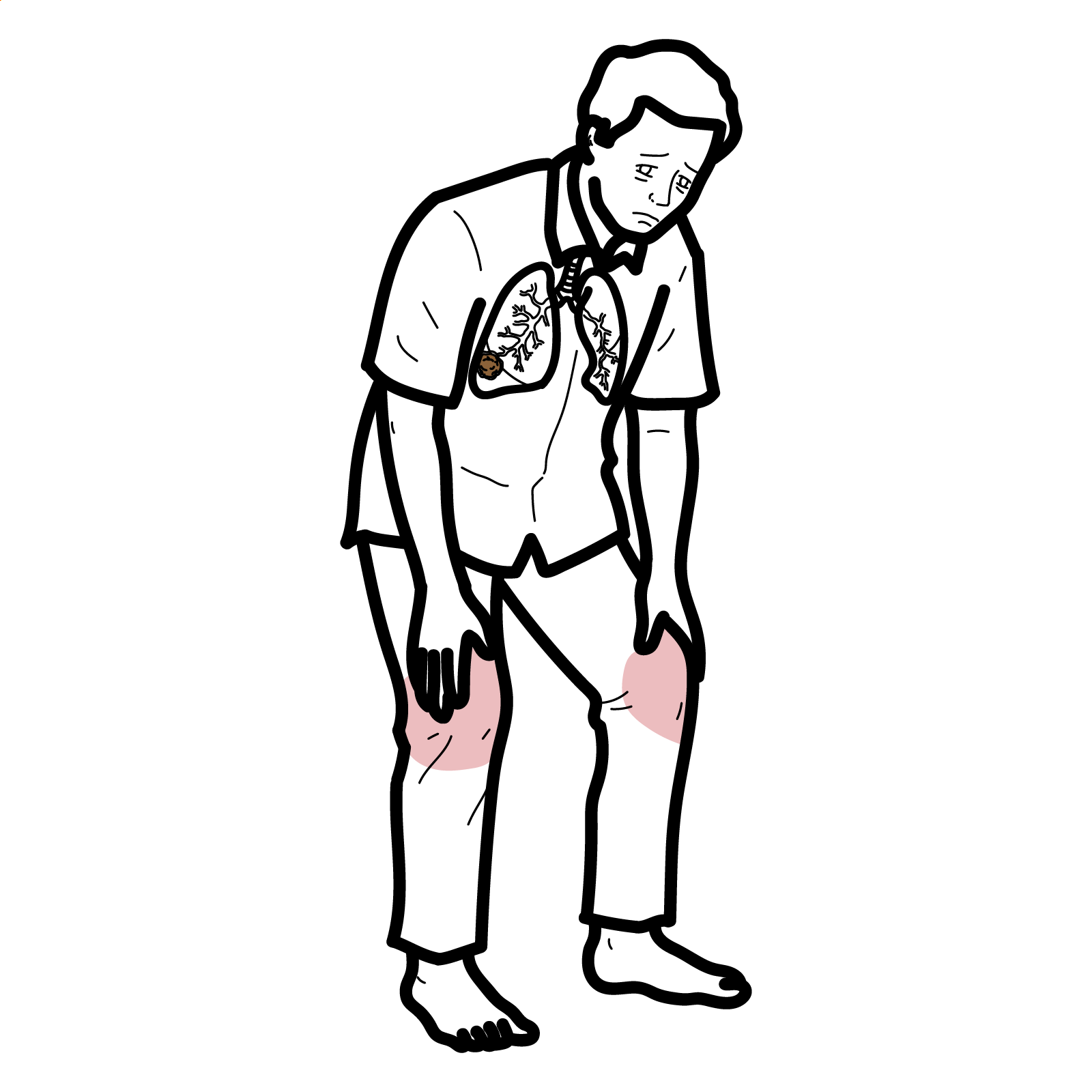
Lambert-Eaton Myasthenic Syndrome
Overview Lambert–Eaton myasthenic syndrome (LEMS) is a rare autoimmune disorder of the presynaptic neuromuscular junction. It causes impaired acetylcholine release, producing the characteristic triad of proximal muscle weakness, reduced reflexes and autonomic dysfunction. LEMS may occur as a paraneoplastic syndrome—most commonly associated with small-cell lung cancer (SCLC)—or as a non-tumour-associated autoimmune disorder. Neuromuscular junction: connection…
View this topic ↗About Visualising Medicine
Good education does not remove complexity. It makes complexity feel simple.
Visualising Medicine is the team behind Armando Hasudungan. We bring together medicine, illustration, writing and technology to make difficult ideas clearer—and build better ways for learners to use them.