

Visual explanationFree resource
Visual medical education by Armando Hasudungan
Medical science, drawn into focus.
Explore visual explanations that reveal how the facts, processes and clinical patterns fit together—then discover the coming AH study platform, built to guide what you study next and check what stuck.
Connected studyComing soon
Clear visual explanations used by medical and allied-health learners around the world.
Explore the free library
Start with the topic in front of you.
Browse by subject or jump straight into the explanation you need. No account required.
Paracetamol Overdose
Overview Paracetamol overdose is a common cause of hospital presentation. Paracetamol is an analgesic and antipyretic drug used in both children and adults. Its mechanism of action is yet to be fully determined, and is likely to involve a number of pain pathways. When taken in excess it can cause signs such as vomiting, right…
View topic ↗Renal Cell Carcinoma
Overview Renal cell carcinomas (originate within the renal cortex) are responsible for 85% of all primary renal neoplasms. Transitional cell carcinomas of the renal pelvis are the next most common (~8%). Renal medullary carcinoma is a rare form of RCC seen in sickle cell disease. The most common pathological type of renal cell carcinoma is clear cell…
View topic ↗Bladder Carcinoma
Mainly focusing on Transitional cell tumours Overview Three main types of bladder carcinoma Transitional cell carcinoma (Most common) Squamous cell carcinoma Adenocarcinoma (Rare) Transitional cell tumours can affect any part of the urinary epithelium. It is the second most common urological malignancy (Renal Adenocarcinoma is the most common, bladder adenocarcinoma is rare ) and is one…
View topic ↗Behçet’s Disease
Overview Behçet’s syndrome is a chronic, relapsing, multisystem inflammatory disorder and variable-vessel vasculitis characterized classically by recurrent oral ulcers, genital ulcers, ocular inflammation, and skin lesions. It can also involve the joints, vessels, nervous system, and gastrointestinal tract. The disease is most prevalent along the historic “Silk Road” region, including Turkey, the Middle East, and…
View topic ↗Rhinosinusitis
Overview Rhinosinusitis is one of the more prevalent chronic illnesses worldwide, affecting individuals of all ages. It is an inflammatory process that involves the nose and paranasal sinuses. Rhinosinusitis may be acute or chronic. Chronic rhinosinusitis can be subject to acute exacerbations. Rhinitis: Irritation and inflammation of the mucosa lining the nasal cavity Sinusitis: Inflammation…
View topic ↗VEXAS Syndrome
Overview VEXAS syndrome is a late-onset, adult autoinflammatory disease caused by acquired somatic mutations in the UBA1 gene, leading to dysregulated innate immunity, systemic inflammation, and overlapping haematologic and rheumatologic manifestations. VEXAS stands for Vacuoles, E1 enzyme, X-linked, Autoinflammatory, Somatic. It predominantly affects older males due to its X-linked nature and typically presents with refractory…
View topic ↗Toxic Multinodular Goitre
Overview Toxic Multinodular Goitre (TMNG) is the second most common cause of hyperthyroidism caused by a long-standing goitre and/or iodine deficiency which results in an increased risk of mutation and consequent TSH-independent autonomic function of thyroid nodules to produce excess thyroid hormones. Common clinical manifestations include hyperthyroidism and a painless thyroid goitre with palpable nodules.…
View topic ↗Full resource library
Browse all topics ↗Choose how you learn
One idea. More than one way to see it.
Use the format that helps the topic click, then switch formats when you need to reinforce it.
01 / WATCH02 / READ03 / SEE04 / CHECK
Videos
Hand-drawn explanations that build the big picture as the concept unfolds.
Notes
Clear written explanations for review, reference and filling in the details.
Diagrams
Visual snapshots that help you easily review topics.
Questions
Test whether the explanation stayed with you—not just whether it looked familiar.
Good places to begin
Explanations learners return to.
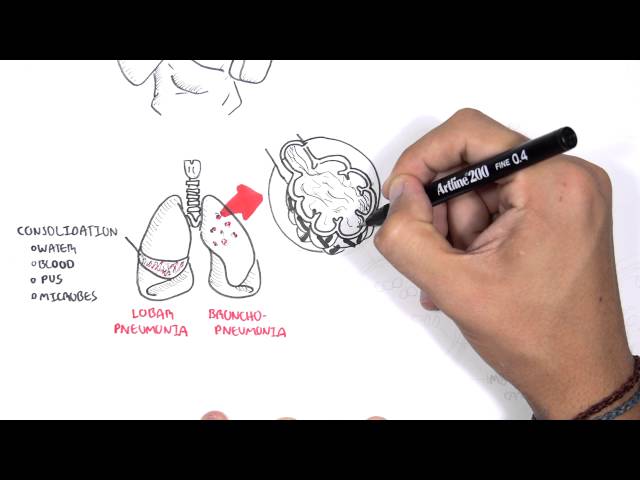
Pneumonia Overview
Explore pneumonia, a lung infection that causes inflammation of the air sacs and can lead to symptoms like cough, fever, and difficulty breathing. This video covers the common causes, types, clinical presentation, diagnostic tools, and treatment options for effective management.
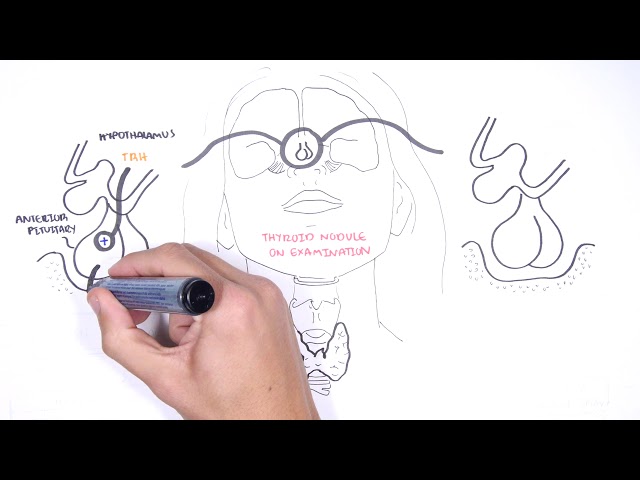
Approach to a Thyroid Nodule – causes, investigation and treatment
Understand the clinical approach to a thyroid nodule, from identifying potential causes to selecting appropriate investigations. This video outlines key diagnostic tools such as ultrasound and fine-needle aspiration, along with treatment strategies based on risk and pathology.
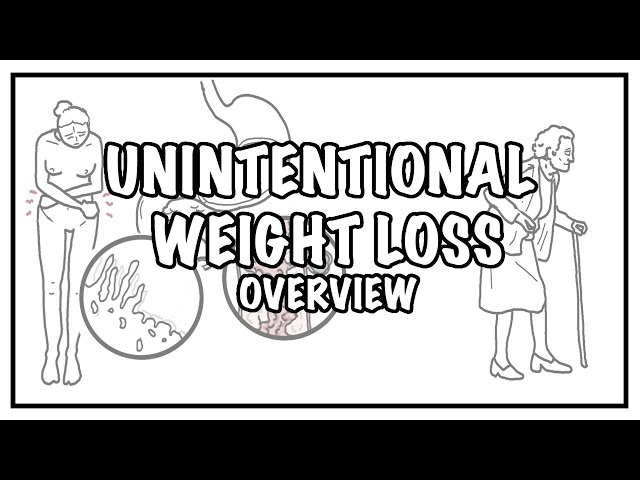
Approach to Unintentional Weight Loss – definition, differential diagnosis and treatment
Unintentional Weight loss is defined by a 5% reduction of usual body weight over 6-12 months. It is associated with increase mortality rates. The most common cause of unintentional weight are increased expenditure or reduced dietary intake. Unintentional weight loss should away raise suspicion of malignancy. Other non malignant causes can be due to maldigestion…
Our mission
Medical science is complex. Understanding it should feel possible.
Armando Hasudungan turns difficult medical science into clear visual explanations and connected learning experiences—so learners can see the whole picture, remember what matters and find a clearer way forward.
See it clearly
Turn abstract processes and invisible relationships into something the learner can picture.
Connect the pieces
Build understanding around how concepts fit together—not a pile of isolated facts.
Make it useful
Help learners move from explanation to recall, revision and the next logical step.
What clarity feels like
When the topic stops being a blur.
Learners do not come back because the subject became easy. They come back because the explanation gave them a picture they could work with.
“Armando's teaching style gives me the foundational knowledge.
Jessica Payne-Burnett
Medical Student, Charles Sturt University
“The notes I make during his videos help me retain everything better.
Ayesha RaiStudent, Islamabad Medical and Dental College
“The drawings are amazing and super easy to remember.
Reem Mohamed Khair Abdalrazig
Student, Neelain University
Coming soon: the AH study platform
The explanation is only the start.
The free library helps you find a clear explanation. The AH platform is being built to help you connect the resources, follow a clearer path and check what actually stuck.
- Watch in a focused, ad-free study environment.
- Move between connected videos, notes, diagrams and questions.
- Know what belongs next instead of rebuilding the study path yourself.
- Test your understanding while the topic is still fresh.
New and worth a look
Keep building the picture.
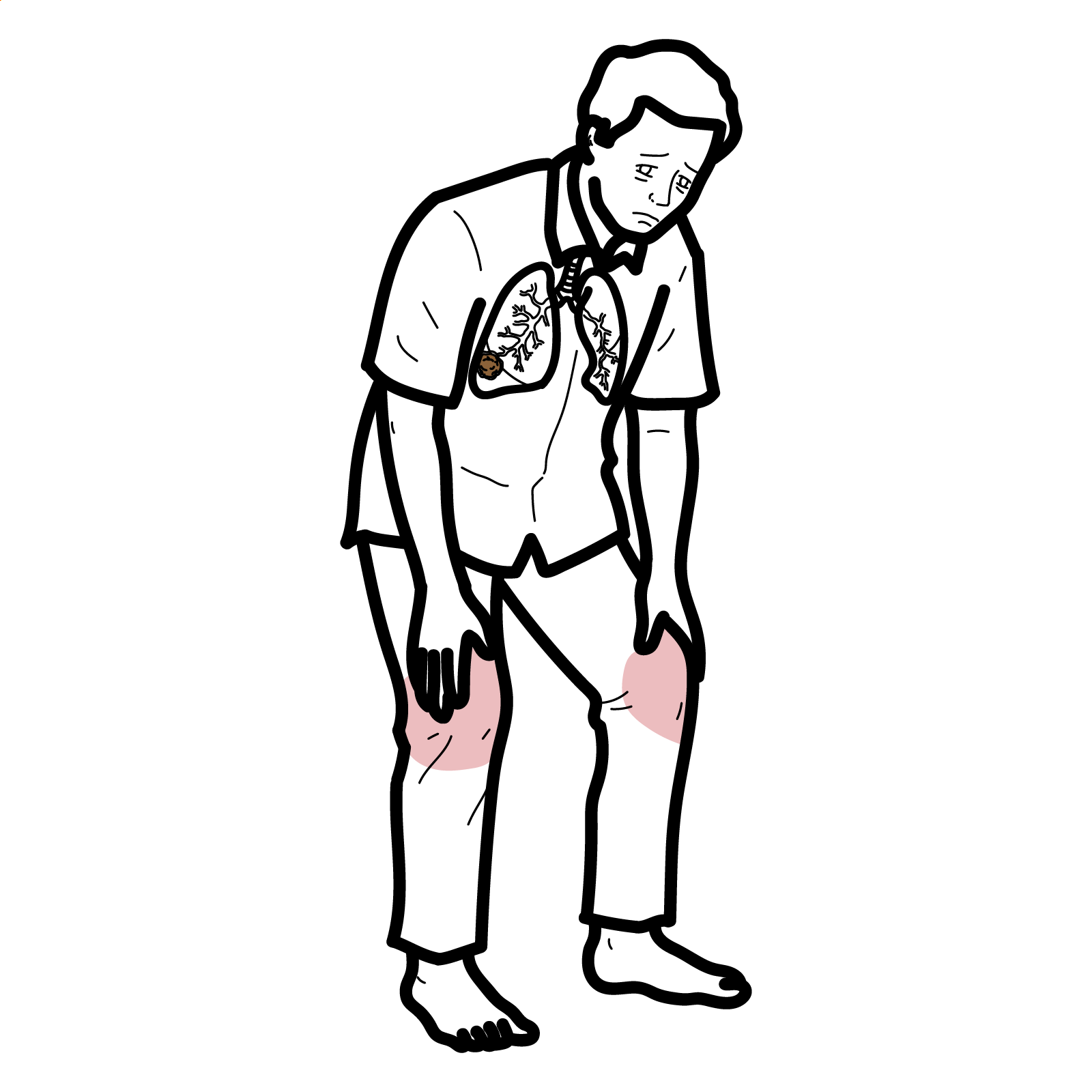
Lambert-Eaton Myasthenic Syndrome
Overview Lambert–Eaton myasthenic syndrome (LEMS) is a rare autoimmune disorder of the presynaptic neuromuscular junction. It causes impaired acetylcholine release, producing the characteristic triad of proximal muscle weakness, reduced reflexes and autonomic dysfunction. LEMS may occur as a paraneoplastic syndrome—most commonly associated with small-cell lung cancer (SCLC)—or as a non-tumour-associated autoimmune disorder. Neuromuscular junction: connection…
View this topic ↗About Visualising Medicine
Good education does not remove complexity. It makes complexity feel simple.
Visualising Medicine is the team behind Armando Hasudungan. We bring together medicine, illustration, writing and technology to make difficult ideas clearer—and build better ways for learners to use them.