Umbilical Hernia
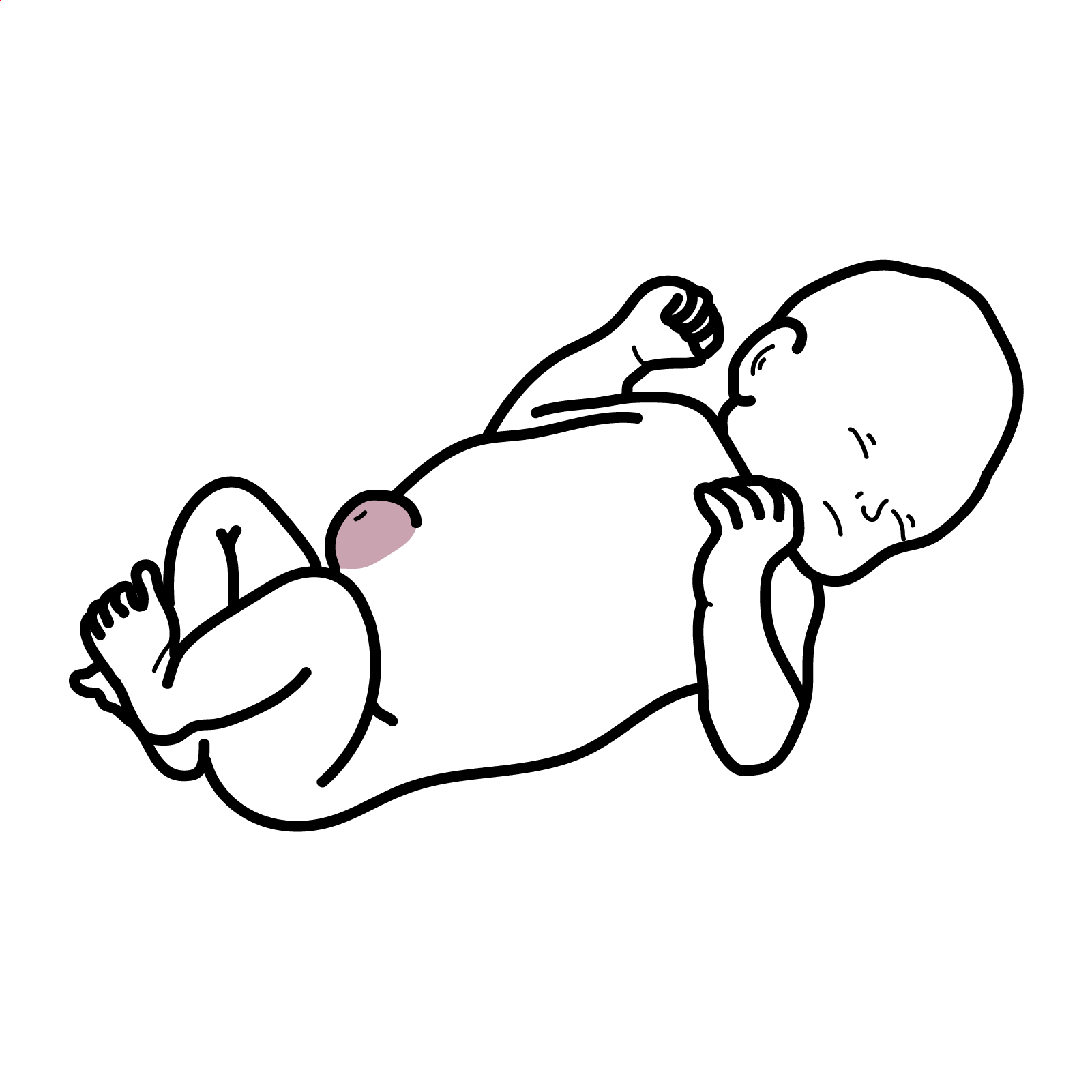


Umbilical hernias are one of the most common surgical conditions in infants and children. In infantile umbilical hernia there is a pathological failure of obliteration of umbilical defect. Umbilical hernia can also occur in adults and is usually acquired due to increased intrabdominal pressure due to obesity, pregnancy, ascites. Management is surgery.
Hernia: A bulge or protrusion of an organ or tissue through an abnormal opening within the anatomic structure that normally confines it.
Umbilical hernia: Protrusion through umbilical ring, causing eversion of the umbilicus. Its attenuated fibres are at the apex of the hernia sac. It is often caused secondary to increases in volume of contents of abdominal cavity (e.g. from obesity, ascites, large benign or malignant intra-abdominal tumours).
Paraumbilical hernia: Paraumbilical hernias are situated just above the umbilicus, and unlike umbilical hernias, have no potential for spontaneous closure
Reducible: Refers to a hernia that can be moved back into place easily (either manually or spontaneously).
Irreducible: Refers to a hernia that CANNOT be moved back into place, remains budged. Irreducible hernia can lead to a incarcerated, obstructed or strangulated hernia.
Incarcerated: Refers to a hernia that cannot be pushed back. It does not necessarily mean that the hernia is strangulated or that obstruction is occurring (although both are possible). If spontaneously reduced, and patient feels better.
Obstructed hernia: gut hernia causing incarceration (momentum hernia does not cause incarceration because gut flow is normal).
Strangulated hernia: compression of blood flow to the strangulated bowel leading to necrosis.
The composition of a hernia is 1. the sac, 2. the covering of the sac 3. the content of the sac.
Umbilical Cord traverses the abdominal wall through the umbilical ring to supply the featus with nutrients.
Umbilical ring is a defect in the dense fascia of the linea alba.
In 25% of infants, the round ligament attaches to superior border of umbilical ring, leaving a weakened umbilical floor composed of only peritoneum and umbilical fascia.
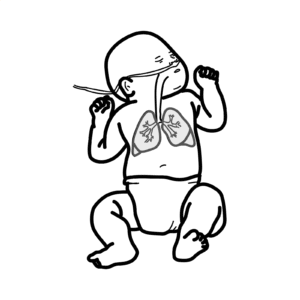
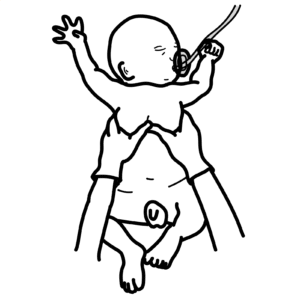
Neonatal/infant umbilical hernia
Adult umbilical hernia
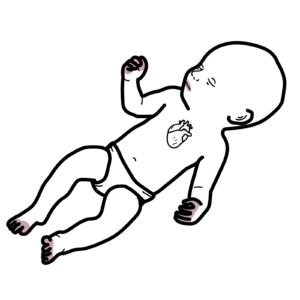
Infants
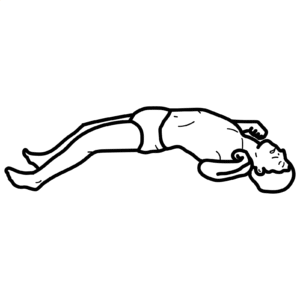
Adults – Causes of increased intra-abdominal pressure
| UMBILICAL HERNIA | |||
| Congenital | Acquired direct | Acquired indirect | |
| Age | |||
| Aetiology | Umbilical hernia in neonates following ligation of the umbilical cord due to failure of umbilical ring to close | ||
Non-Surgical
Surgical
Oxford Handbook of Clinical Surgery
Best Practice



Please confirm you want to block this member.
You will no longer be able to:
Please allow a few minutes for this process to complete.





Discussion