Morton’s Neuroma: Pathophysiology, Imaging & Management
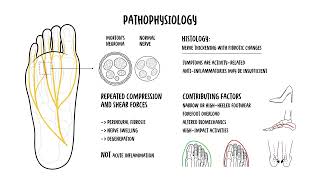
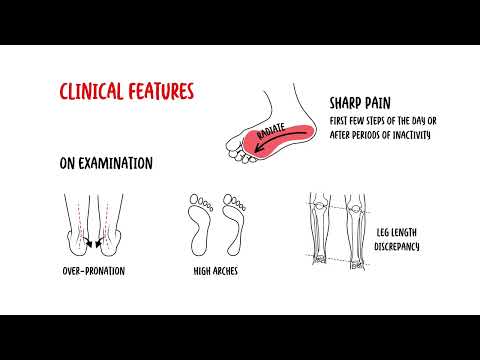
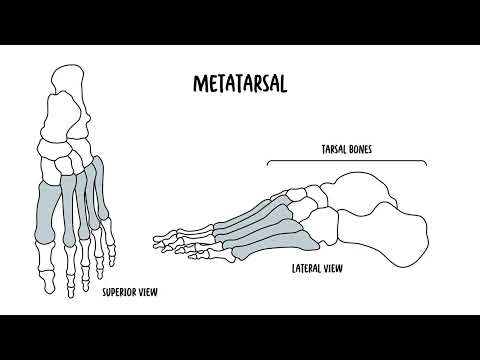
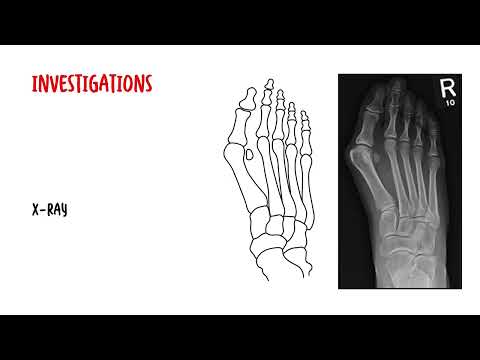
Morton’s neuroma causes sharp, burning forefoot pain and numbness between the toes—learn clear diagnosis, conservative treatments, and when to consider surgery. Morton’s neuroma is a compressive neuropathy of the common plantar digital nerve (most often in the third interspace) caused by repetitive compression, tight footwear, and altered biomechanics. This video explains anatomy, pathophysiology, classic symptoms (burning, electric shocks, feeling of a pebble or folded sock), and how to distinguish neuroma from metatarsalgia, stress fractures, bursitis, plantar plate injury, and inflammatory arthritis. Viewers will learn how clinicians diagnose Morton’s neuroma through focused history and exam, the role of ultrasound and MRI for confirmation, and key exam findings like Mulder’s sign. Practical management is covered stepwise: footwear modification (wide toe box, low heel), metatarsal pads and orthoses, activity changes, analgesics, and ultrasound-guided corticosteroid injections. Advanced nonsurgical options—alcohol sclerosis and radiofrequency ablation—are discussed, as well as surgical choices (decompression versus neurectomy), expected outcomes, and possible complications such as permanent toe numbness. The video emphasizes the importance of early recognition, biomechanical education, and forefoot load management to prevent chronic pain and restore function. Whether you’re a patient seeking relief or a clinician updating your approach, this concise guide delivers actionable diagnosis and treatment strategies to reduce pain and avoid unnecessary surgery. Watch to understand symptoms, confirm diagnosis, and choose effective, evidence-based interventions that help most people return to normal activity.
Notes Articles