

Parkinson Plus Syndrome
Overview
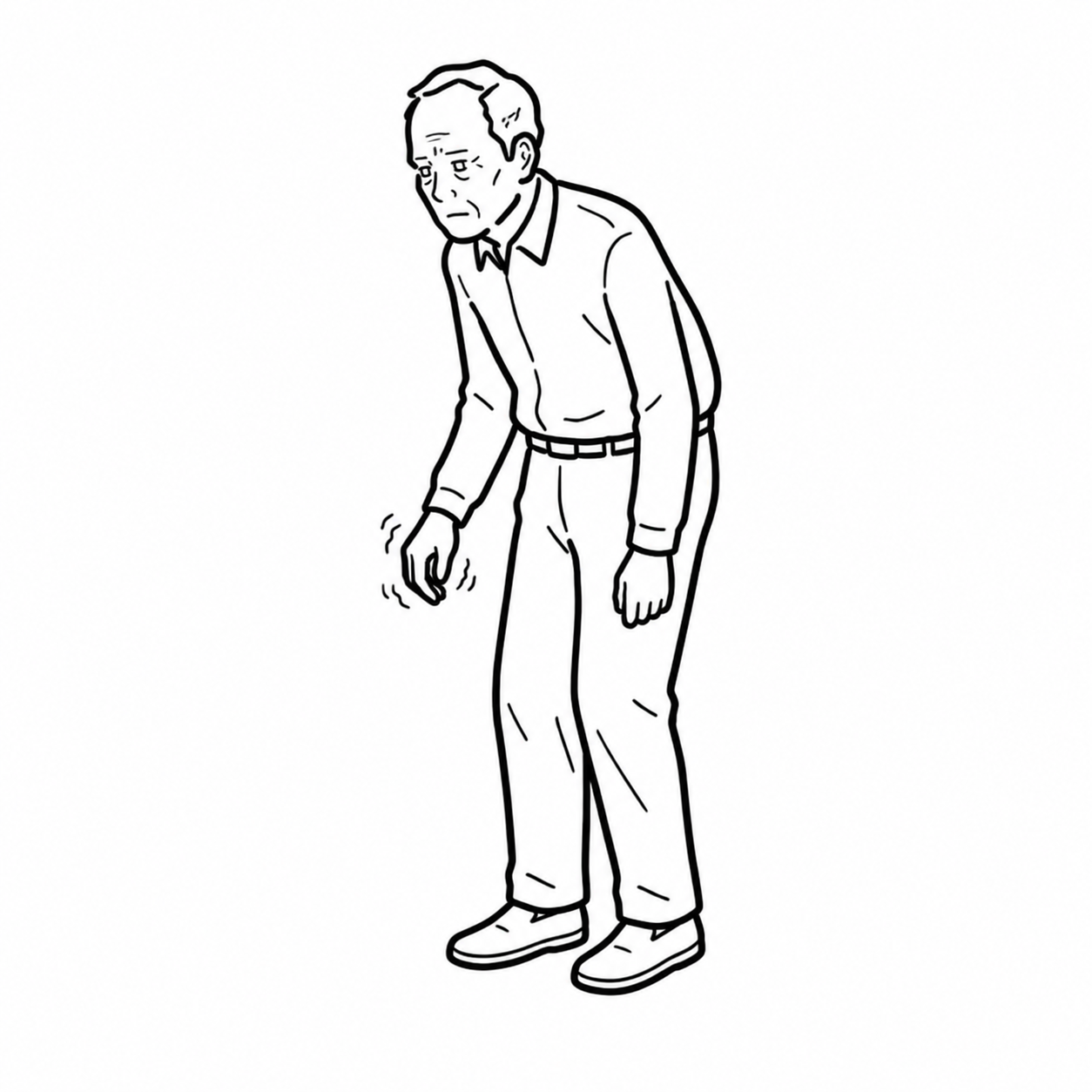
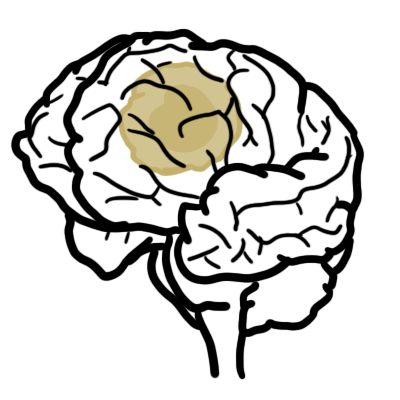
Parkinson-Plus syndromes (also known as atypical parkinsonism) are a heterogeneous group of neurodegenerative diseases characterized by parkinsonian features—bradykinesia, rigidity, tremor, and gait impairment—occurring alongside additional (“plus”) prominent neurological signs. These extra features typically include early postural instability with falls, vertical supranuclear gaze palsy, severe autonomic failure, cerebellar ataxia, early cognitive decline, or cortical signs (e.g., apraxia and alien limb phenomenon).
Epidemiologically, Parkinson-Plus syndromes account for approximately 10–15% of all parkinsonian presentations. Differentiating these disorders from Idiopathic Parkinson’s Disease (IPD) is clinically crucial because Parkinson-Plus syndromes exhibit a poor or transient therapeutic response to levodopa, progress far more rapidly, and carry a significantly worse prognosis with higher early mortality.
Definition
Atypical Parkinsonism: A group of neurodegenerative disorders presenting with parkinsonism but featuring atypical red flags (e.g., symmetry, lack of tremor, rapid progression, early falls) and poor levodopa responsiveness.
Tauopathies: Neurodegenerative conditions defined by pathological aggregation of misfolded 4-repeat (4R) microtubule-associated tau protein in neurons and glia (includes Progressive Supranuclear Palsy [PSP] and Corticobasal Degeneration [CBD]).
Alpha-Synucleinopathies: Neurodegenerative conditions defined by pathological intracellular accumulation of alpha-synuclein protein (includes Multiple System Atrophy [MSA], Dementia with Lewy Bodies [DLB], and Idiopathic Parkinson’s Disease [IPD]).
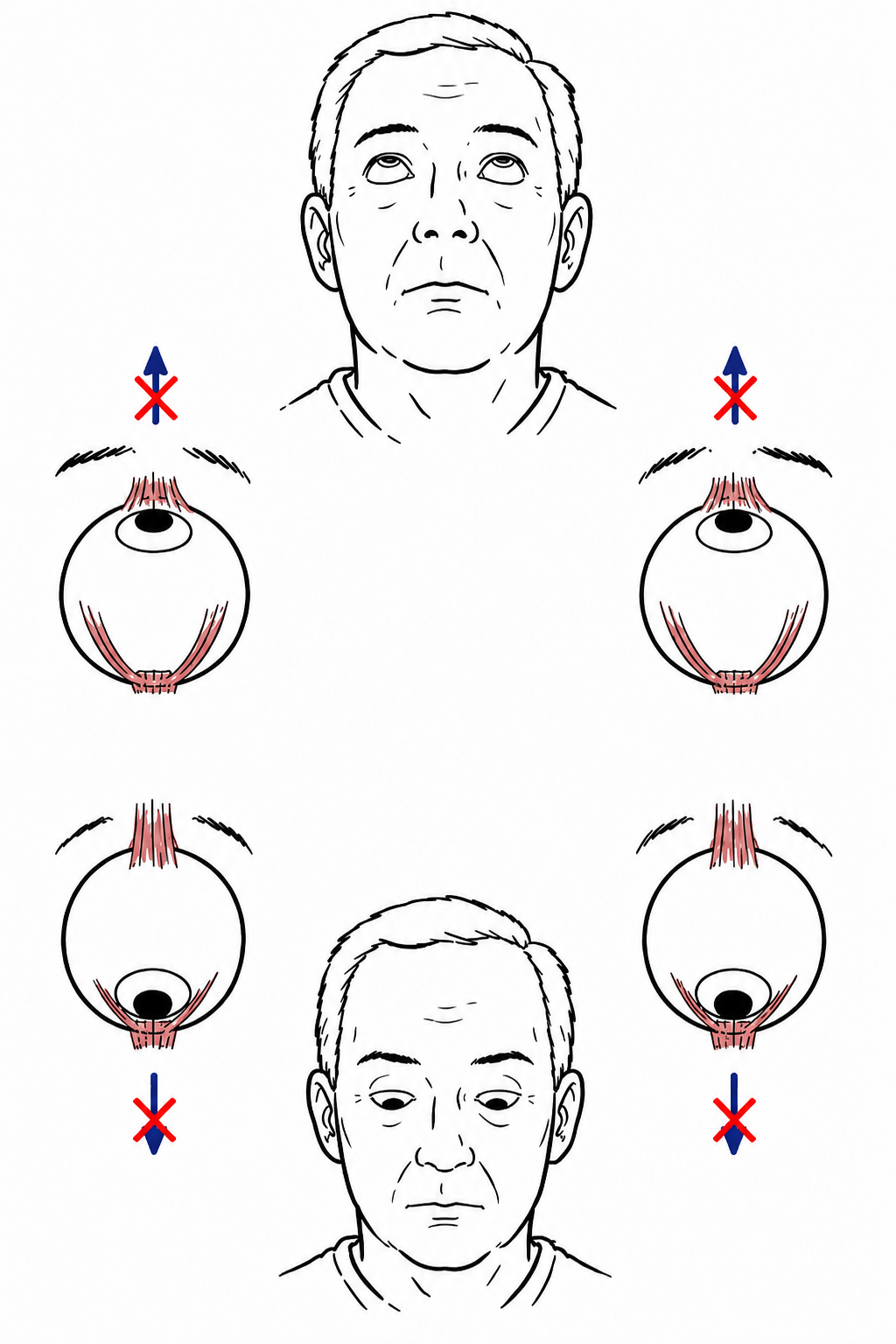
Vertical Supranuclear Gaze Palsy: Inability to initiate voluntary vertical saccades (downward gaze affected before upward gaze); the hallmark sign of Progressive Supranuclear Palsy.
Alien Limb Phenomenon: Involuntary, autonomous movement of an extremity accompanied by the subjective feeling that the limb is foreign or acting under outside control; pathognomonic for Corticobasal Degeneration.
Classification
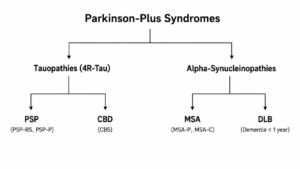
Tauopathies (4R-Tau)
- Progressive Supranuclear Palsy (PSP / Steele-Richardson-Olszewski Syndrome): Characterized by axial rigidity, early backward falls, vertical supranuclear gaze palsy, and pseudobulbar palsy. Major clinical phenotypes include PSP-Richardson Syndrome (classic PSP-RS) and PSP-Parkinsonism (PSP-P).
- Corticobasal Degeneration (CBD): Characterized by asymmetric cortical and basal ganglia signs, manifesting clinically as Corticobasal Syndrome (CBS) with limb apraxia, cortical sensory loss, and dystonia.
Alpha-Synucleinopathies
- Multiple System Atrophy (MSA): Characterized by alpha-synuclein inclusion bodies in oligodendrocytes (Glial Cytoplasmic Inclusions [GCIs]). Subdivided into:
- MSA-P (Parkinsonian Subtype): Predominant parkinsonism with prominent autonomic dysfunction (historically Striatonigral Degeneration or Shy-Drager Syndrome).
- MSA-C (Cerebellar Subtype): Predominant cerebellar ataxia with dysarthria and autonomic dysfunction (historically Olivopontocerebellar Atrophy).
- Dementia with Lewy Bodies (DLB): Characterized by cortical and subcortical Lewy bodies; defined by early cognitive impairment occurring before or within 1 year of parkinsonian motor onset.
PSP and CBD are 4R-Tauopathies, whereas MSA, DLB, and IPD are Alpha-Synucleinopathies.
| Parkinson-Plus conditions | |||
| Progressive supranuclear palsy | Multi-system atrophy | Corticobasal degeneration | Dementia with lewy body |
| Vertical gaze palsy | Early falls | Alien hand syndrome | Visual hallucinations |
| Hummingbird sign/atrophy on midbrain imaging | Autonomic dysfunction (urinary incontinence) | asymmetric motor symptoms | Hallucination become worse with neuroleptics |
Progressive Supranuclear Palsy
Overview
- Symmetrical stiffness and bradykinesia associated with poor postural reflexes and impaired down-gaze (supranuclear palsy).
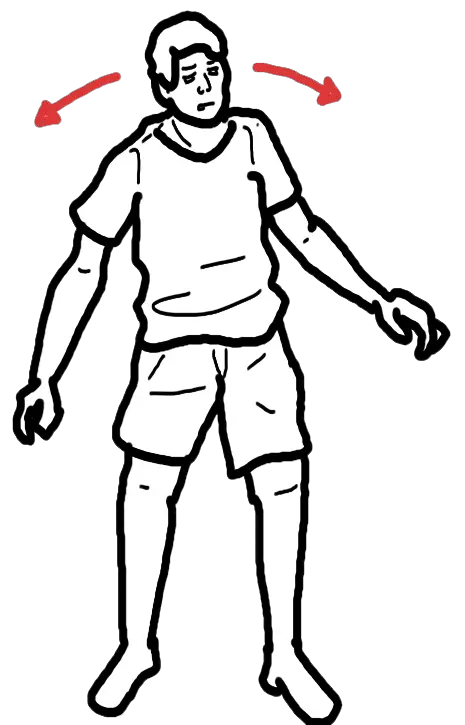
- Characterised by facial dystonia, axial rigidity, and prominent postural instability with early falls
- MRI imaging may reveal evidence of midbrain atrophy.
- Early Postural Instability: Frequent unprovoked backward falls within the first 1 to 2 years of symptom onset.
- Vertical Supranuclear Gaze Palsy: Slowing of vertical saccades, progressing to complete inability to look down (and then up) voluntarily. (Doll’s eye / vestibulo-ocular reflex remains intact).
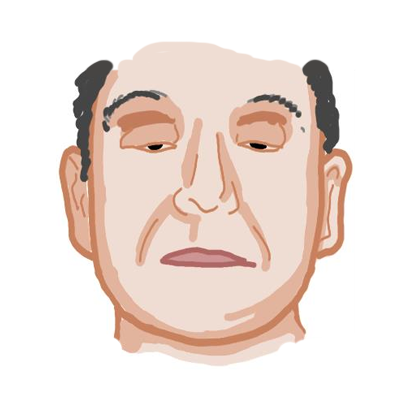
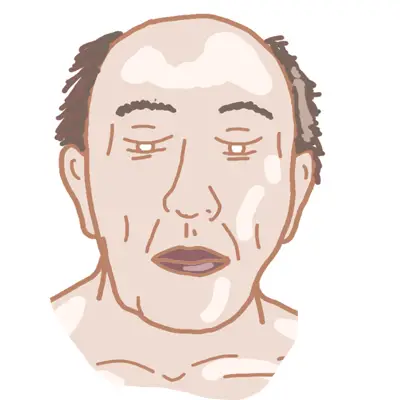
- Facial Appearance & Speech: “Surprised” or staring expression due to lid retraction and dystonia of facial muscles (retrocollis); growling/spastic dysarthria.
- Applause Sign: Inability to stop clapping when instructed to clap three times (frontal motor inhibition loss).
- No tremors
The “Hummingbird Sign” on sagittal brain MRI indicates midbrain atrophy in PSP
Multi-System Atrophy
Overview
- Present with dysautonomia and cerebellar signs
- Other features of MSA include laryngeal dystonia and stridor and stimulus-sensitive myoclonus
- Lewy bodies with autonomic dysfunction (urinary issues)
Clinical Features
- Early Severe Autonomic Failure: Neurogenic orthostatic hypotension (BP drop >= 30 mmHg systolic or >= 15 mmHg diastolic upon standing without compensatory tachycardia), erectile dysfunction, urinary urge incontinence, or chronic retention.
- Motor Phenotypes
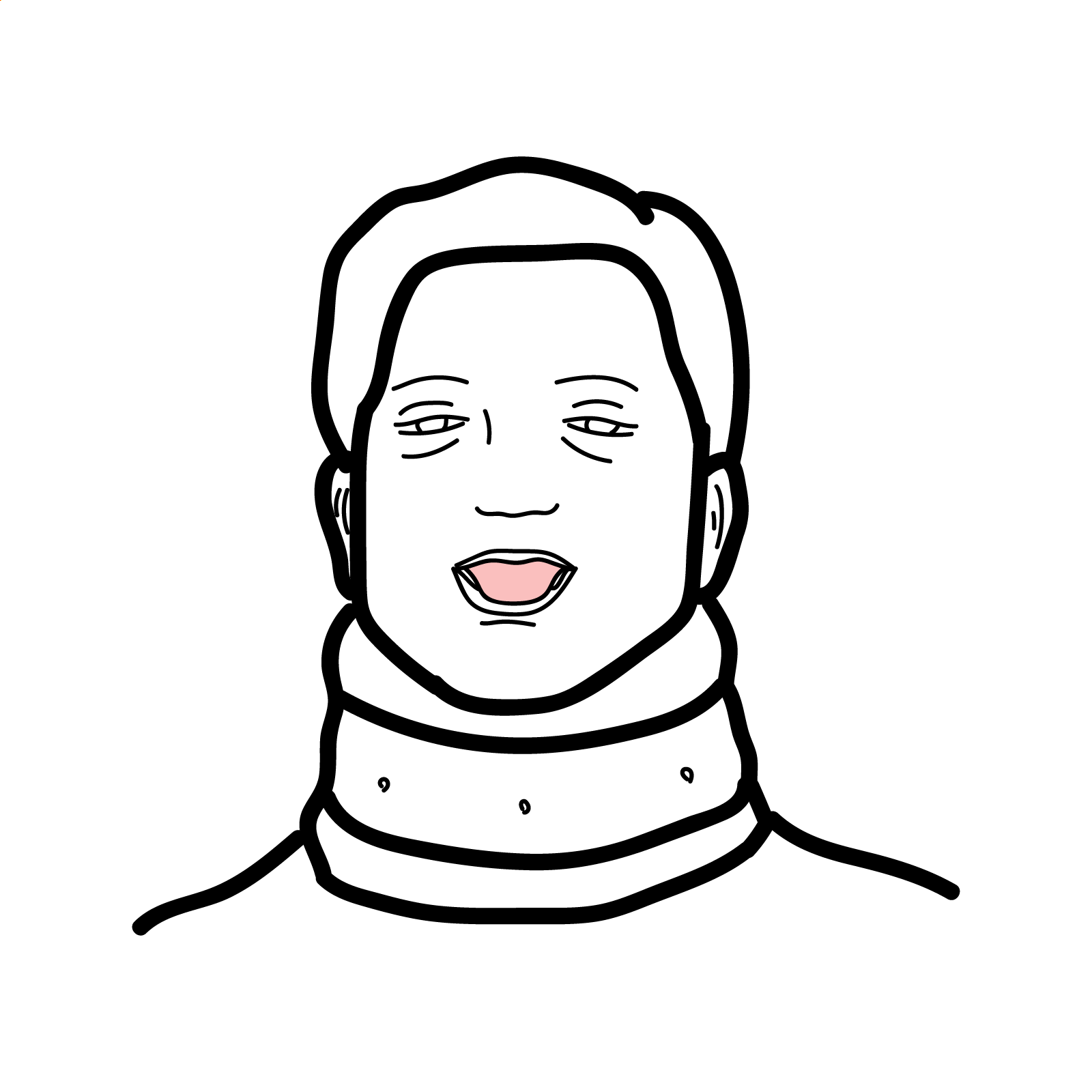
- MSA-P presents with symmetrical parkinsonism, rigidity, and anterocollis (severe forward flexion of the neck)
- MSA-C presents with progressive limb and gait ataxia, scanning dysarthria, and square-wave jerks.
- Inspiratory stridor due to vocal cord abductor paresis (a life-threatening emergency during sleep).
- Cerebellar atrophy: Nystagmus
- Unresponsive to Anti-Parkinson’s Drugs
The “Hot Cross Bun Sign” on axial T2 MRI indicates pontine fiber loss in MSA.
Corticobasal ganglionic degeneration (CBD)
Overview
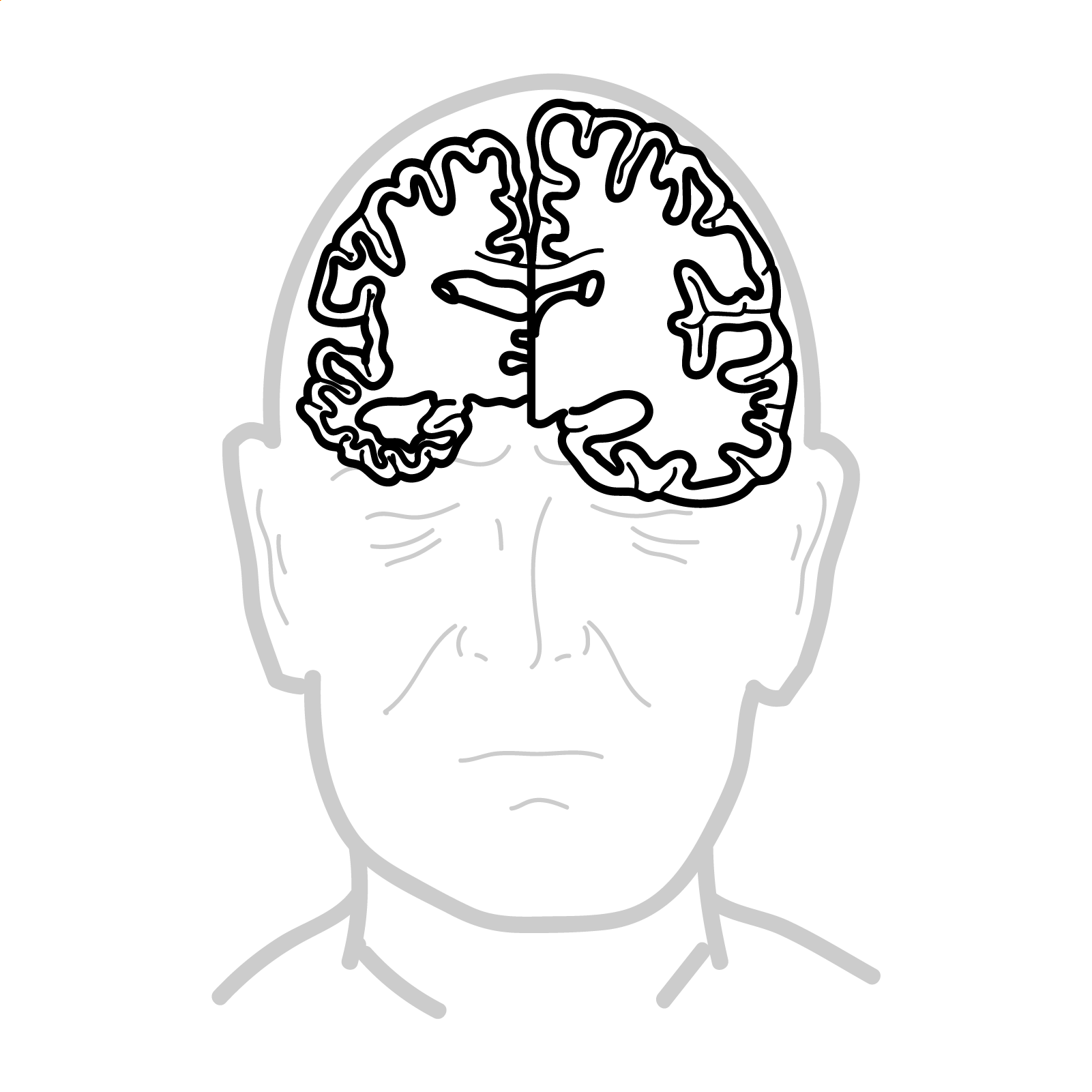
- Asymmetric parkinsonism and frequently is associated with dystonia, myoclonus, cortical sensory deficits, cognitive deficits, and apraxia (impaired motor planning).
- Associated with alien limb syndrome
Clinical Features
- Extreme Motor Asymmetry: One limb (typically an arm) is profoundly affected by rigidity, focal dystonia, and cortical myoclonus.
- Cortical Sensory Loss & Apraxia: Inability to identify objects placed in the hand (astereognosis) or execute motor tasks despite intact primary motor/sensory systems (ideomotor apraxia).
- Alien Limb Phenomenon: The affected arm displays levitation, wandering, or purposeful complex movements outside the patient’s conscious control.
Dementia with Lewy bodies
Overview
- Insoluble alpha-synuclein accumulation is the underlying pathology in dementia (Lewy bodies are intraneuronal, eosinophilic inclusion bodies found in cortical areas)
- Characterised by fluctuating cognitive impairment, visual hallucinations (little people) and parkinsonism.
- Fluctuation of awareness from day-to-day. Falls are also common. They have pronounced visuoperceptual impairment.
- The patients are very sensitive to neuroleptics which therefore should be avoided – worsens hallucination
- Rivastigmine, which improves both the visual hallucinations, and cognitive impairment
Clinical Features
- Fluctuating Cognition: Pronounced variations in attention and alertness throughout the day.
- Recurrent Visual Hallucinations: Well-formed, detailed, complex visual hallucinations occurring early in the disease course.
- REM Sleep Behavior Disorder (RBD): Dream enactment behavior due to loss of normal muscle atonia during REM sleep (often precedes motor signs by years).
- Parkinsonism: Bradykinesia and rigidity developing concurrently with or within 12 months of cognitive decline.
Complications & Prognosis
- Aspiration Pneumonia: Single leading cause of mortality across all Parkinson-Plus syndromes secondary to severe bulbar dysfunction and impaired cough reflex.
- Traumatic Fall Injuries: High incidence of hip fractures and intracranial hemorrhages due to early loss of postural reflexes.
- Laryngeal Stridor & Asphyxia: Sudden nocturnal death in MSA from vocal cord paralysis.
- Severe Immobility Sequelae: Deep vein thrombosis, pulmonary embolism, decubitus pressure ulcers, and recurrent urinary tract infections.
Prognosis
- Parkinson-Plus syndromes follow a relentlessly progressive clinical course with significantly shorter survival compared to Idiopathic Parkinson’s Disease (where life expectancy approaches normal).
- Median Survival from Symptom Onset:
- Progressive Supranuclear Palsy (PSP): 6 to 9 years.
- Multiple System Atrophy (MSA): 6 to 10 years.
- Corticobasal Degeneration (CBD): 5 to 8 years.
- Dementia with Lewy Bodies (DLB): 5 to 8 years.
References
- Armstrong MJ, Litvan I, Lang AE, et al. Criteria for the diagnosis of corticobasal degeneration. Neurology. 2013;80(5):496-503. doi:10.1212/WNL.0b013e31127e1f40
- Höglinger GU, Respondek G, Stamelou M, et al. Clinical diagnosis of progressive supranuclear palsy: The Movement Disorder Society criteria. Mov Disord. 2017;32(6):853-864. doi:10.1002/mds.26987
- Wenning GK, Stankovic I, Vignatelli L, et al. The Movement Disorder Society Criteria for the Diagnosis of Multiple System Atrophy. Mov Disord. 2022;37(6):1131-1148. doi:10.1002/mds.29005



Members only discussions coming soon…