

Alzheimer Disease
Overview
Alzheimer disease is a progressive neurodegenerative disease characterised biologically by accumulation of amyloid-β plaques and pathological tau, with subsequent synaptic dysfunction, neuronal loss and cerebral atrophy. It is the most common cause of dementia and accounts for at least 60% of dementia diagnoses.1
The clinical continuum ranges from an asymptomatic biological phase through mild cognitive impairment to dementia with progressively impaired independence. The typical presentation is an insidious decline in episodic memory, followed by impairment in language, executive, visuospatial and behavioural function. Atypical presentations include predominant language, visuospatial or executive dysfunction.
Dementia is not synonymous with Alzheimer disease. Dementia describes cognitive decline severe enough to interfere with independent functioning, whereas Alzheimer disease refers to the underlying pathological process and may be present before dementia develops.2
Acute or fluctuating cognitive change should not be attributed to Alzheimer disease without assessing for delirium, infection, medication toxicity, metabolic disturbance, stroke or another acute neurological disorder.
Definition
- Alzheimer disease
- A neurodegenerative disease defined by Alzheimer neuropathological change, particularly amyloid-β deposition and pathological tau.
- Dementia
- Acquired decline in one or more cognitive domains that interferes with independence in everyday activities.
- Mild cognitive impairment
- Objective cognitive decline that does not substantially impair independent everyday functioning.
- Episodic memory
- Memory for personally experienced events, including what occurred and its temporal or spatial context.
- Amyloid-related imaging abnormalities
- Cerebral oedema or haemorrhagic MRI changes associated with amyloid-targeting monoclonal antibodies.
Anatomy & Physiology
The hippocampus and medial temporal lobes are central to encoding and consolidating new episodic memories. Information is distributed through association networks involving the temporal, parietal and frontal cortices, which support language, visuospatial processing, attention, executive function and behaviour.
Neurons communicate through synaptic networks using neurotransmitters including acetylcholine and glutamate. Microglia and astrocytes regulate immune responses, synaptic maintenance and clearance of cellular debris.
The blood–brain barrier regulates passage of substances between the circulation and neural tissue. Cerebral small vessels and perivascular clearance pathways are relevant because vascular disease commonly coexists with Alzheimer pathology and may amplify cognitive impairment.
Aetiology & Risk Factors
Aetiology
Most Alzheimer disease is sporadic and results from interaction between ageing, genetic susceptibility, vascular health and environmental factors.
Rare autosomal-dominant Alzheimer disease is associated with pathogenic variants in:
- amyloid precursor protein
- presenilin 1
- presenilin 2
These variants usually cause young-onset disease and have high penetrance. Routine diagnostic genetic testing is not appropriate for typical late-onset disease but may be considered with genetic counselling when onset is unusually young or there is a strong autosomal-dominant family pattern.
The apolipoprotein E ε4 allele increases susceptibility to late-onset Alzheimer disease but is neither necessary nor sufficient for diagnosis. APOE genotyping should not be used as a stand-alone diagnostic or population-screening test. It has a specific role when considering amyloid-targeting treatment because APOE ε4 status influences the risk of amyloid-related imaging abnormalities.
Risk Factors
The strongest risk factor is increasing age. Other established or associated factors include:
- family history and genetic susceptibility
- Down syndrome
- traumatic brain injury
- midlife hypertension
- elevated low-density lipoprotein cholesterol
- diabetes mellitus
- obesity
- smoking
- excessive alcohol consumption
- physical inactivity
- hearing impairment
- untreated visual impairment
- depression
- social isolation
- lower educational attainment
- air pollution
- cerebrovascular disease
The 2024 Lancet Commission estimated that approximately 45% of dementia cases might theoretically be prevented or delayed by addressing 14 potentially modifiable risk factors across the life course. This is a population estimate and does not mean that an individual’s Alzheimer disease was preventable or caused by one lifestyle factor.3
Many vascular risk factors increase the likelihood of both Alzheimer pathology and cerebrovascular injury. A patient may therefore have mixed Alzheimer and vascular disease rather than one “pure” dementia subtype.
Pathophysiology
Amyloid precursor protein is cleaved to form amyloid-β peptides. Impaired clearance and altered processing promote extracellular amyloid aggregation, initially as soluble oligomers and subsequently as plaques.
Tau normally stabilises neuronal microtubules. Abnormal phosphorylation causes tau to detach and aggregate into intracellular neurofibrillary tangles. Tau pathology spreads through anatomically connected neural networks and correlates more closely with cognitive impairment than amyloid burden alone.2
Downstream processes include:
- synaptic dysfunction
- impaired axonal transport
- microglial activation and neuroinflammation
- oxidative and metabolic stress
- excitotoxicity
- neuronal death
- progressive cerebral atrophy
Pathology commonly begins in medial temporal structures before extending into temporoparietal and frontal association cortices. Early hippocampal involvement explains the characteristic difficulty learning and retaining new information.
Amyloid deposition can begin many years before symptoms. The relationship between pathology and clinical impairment is modified by cognitive reserve, coexisting vascular disease, Lewy body pathology, TDP-43 pathology and other age-related brain changes.2
Repeated questioning despite apparently normal conversational ability reflects impaired encoding of new memories. Social language and established knowledge may remain relatively preserved while hippocampal-dependent learning is already substantially impaired.
Clinical Manifestations
Early Features
Typical early manifestations include:
- progressive impairment in learning and retaining new information
- repeated questions or conversations
- misplacing objects
- forgetting appointments or recent events
- increasing reliance on reminders
- difficulty managing finances, medicines or complex tasks
- word-finding difficulty
- becoming lost in unfamiliar—and later familiar—places
- reduced judgement or problem-solving ability
- apathy, anxiety, irritability or social withdrawal
Symptoms develop insidiously and progress over months to years. Collateral history from someone who knows the patient well is often essential because awareness of impairment may be reduced.
Mild Cognitive Impairment Due to Alzheimer Disease
Patients have objective cognitive decline but retain substantial independence. Complex activities may take longer, require compensatory strategies or produce more errors, but basic everyday activities remain intact.
Mild cognitive impairment is not always caused by Alzheimer disease and does not invariably progress to dementia. Depression, sleep disorders, medications, vascular disease and other neurodegenerative disorders must be considered.
Alzheimer Dementia
Functional impairment becomes increasingly evident:
- difficulty with shopping, cooking, transport or finances
- medication errors
- unsafe driving
- impaired recognition of people or objects
- apraxia
- language impairment
- visuospatial disorientation
- reduced personal care
- loss of continence
- swallowing difficulty and immobility in advanced disease
Neurological examination may initially be normal. Later findings can include gait impairment, paratonia, extrapyramidal features, primitive reflexes, myoclonus and seizures.
Behavioural and Psychological Symptoms
Possible manifestations include:
- apathy
- depression or anxiety
- agitation or aggression
- sleep disturbance
- wandering
- disinhibition
- delusions
- hallucinations
- altered appetite
- resistance to care
A sudden behavioural change should trigger assessment for pain, delirium, infection, constipation, urinary retention, medication effects, sleep disruption or an environmental trigger.4
Atypical Presentations
Recognised Alzheimer phenotypes include:
- posterior cortical atrophy, with early visuospatial or visuoperceptual dysfunction
- logopenic primary progressive aphasia, with word-retrieval and sentence-repetition difficulty
- frontal or dysexecutive presentations
- young-onset disease with less prominent initial memory impairment
Abrupt onset, marked day-to-day fluctuation, early recurrent visual hallucinations, early parkinsonism, prominent disinhibition, rapid progression or focal neurological signs should prompt consideration of another or additional diagnosis.
Diagnosis & Investigations
Diagnosis begins with establishing objective cognitive decline and determining whether it interferes with independent function. Alzheimer disease should be suspected when decline is insidious, progressive and follows a compatible cognitive pattern, after evaluating alternative and contributing causes.4,5
The 2024 Alzheimer’s Association criteria define Alzheimer disease biologically. An abnormal validated “Core 1” biomarker—such as amyloid PET, an approved cerebrospinal-fluid profile or a sufficiently accurate plasma biomarker—can establish biological Alzheimer disease. These criteria do not replace clinical assessment and are not a recommendation for indiscriminate biomarker testing of asymptomatic people.2
Cognitive and Functional Assessment
Brief validated tools include:
- General Practitioner Assessment of Cognition
- Montreal Cognitive Assessment
- Mini-Mental State Examination
- Rowland Universal Dementia Assessment Scale
- Addenbrooke’s Cognitive Examination
Scores must be interpreted in the context of education, language, cultural background, sensory impairment and premorbid ability. A single normal screening score does not exclude early or atypical disease.
Formal neuropsychological assessment is useful when:
- screening results and the clinical history conflict
- impairment is mild
- the presentation is atypical
- language, education or high premorbid ability complicates interpretation
- detailed profiling would affect diagnosis or management
Functional assessment should establish whether cognitive impairment has reduced independence, which distinguishes mild cognitive impairment from dementia.
Initial Investigations
Common baseline investigations include:
- full blood examination
- electrolytes and renal function
- liver function
- calcium
- thyroid-stimulating hormone
- vitamin B12 and folate
- glucose or glycated haemoglobin
Additional investigations—including inflammatory markers, HIV or syphilis serology, urine testing and toxicology—should be guided by the presentation and risk factors rather than ordered indiscriminately.4
Structural brain imaging, preferably MRI when suitable, helps:
- exclude tumour, subdural collection, hydrocephalus or major stroke
- assess vascular burden
- identify regional atrophy
- support an alternative dementia subtype
Medial temporal or hippocampal atrophy supports Alzheimer disease but is neither required nor specific.5
Biomarkers
Specialist biomarker assessment may include:
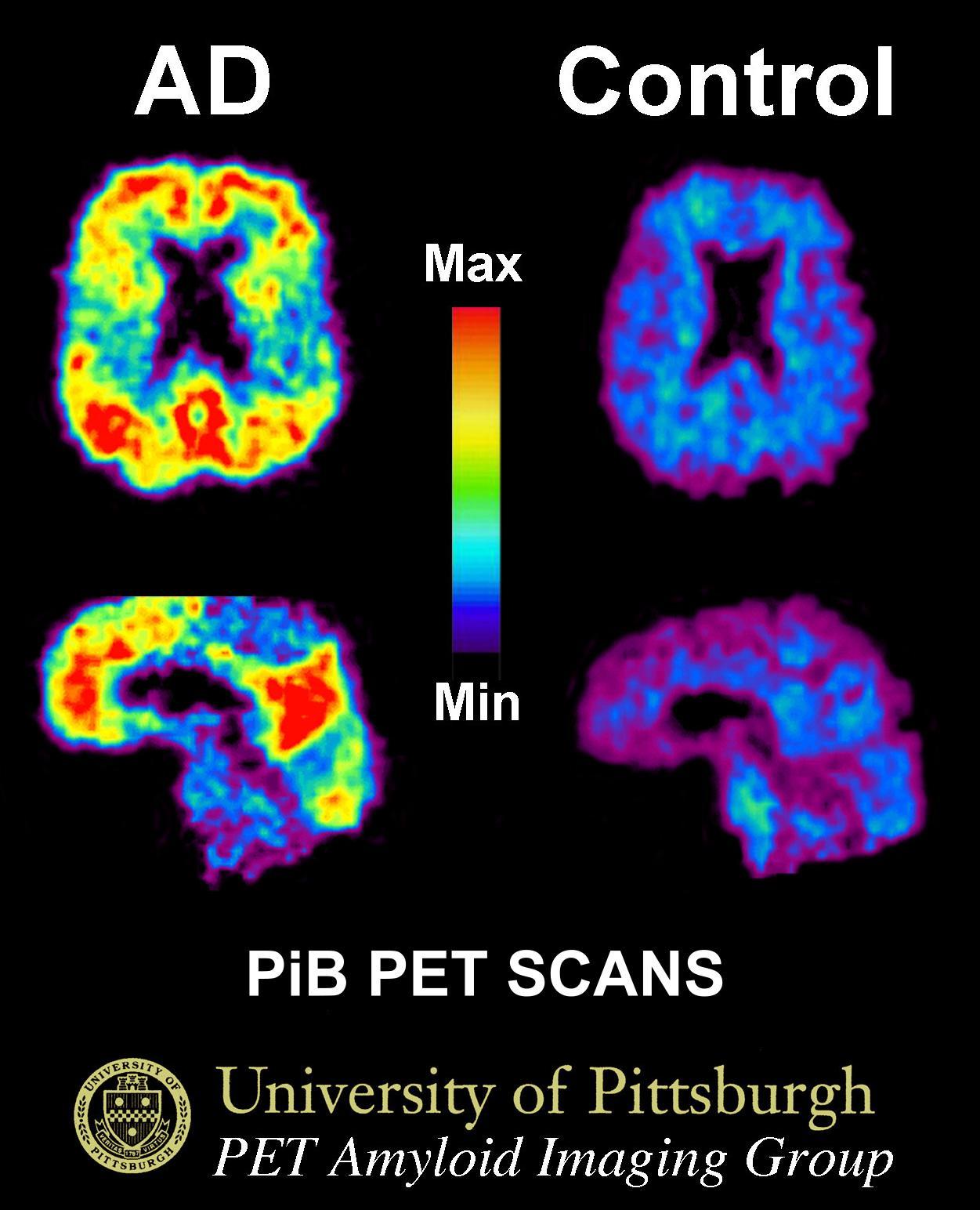
- amyloid PET
- cerebrospinal-fluid amyloid-β and phosphorylated tau
- tau PET in selected settings
- validated plasma phosphorylated-tau assays where clinically available
Biomarker testing is most useful when diagnostic certainty will alter counselling, eligibility for disease-modifying treatment or another important management decision. Results require interpretation within the clinical context because Alzheimer pathology may coexist with other causes of cognitive impairment.2
Differential Diagnoses
| Differential diagnosis | Distinguishing features |
|---|---|
| Delirium | Acute onset, fluctuating attention and awareness; usually an identifiable precipitant |
| Depression | Low mood, anhedonia and variable effort; cognitive symptoms may improve with treatment |
| Vascular cognitive impairment | Stroke history, focal signs, executive dysfunction, gait disturbance and significant vascular imaging burden |
| Dementia with Lewy bodies | Early cognitive fluctuation, recurrent visual hallucinations, REM-sleep behaviour disorder and parkinsonism |
| Frontotemporal dementia | Early behavioural disinhibition, apathy, loss of empathy, compulsions or language-predominant decline |
| Parkinson disease dementia | Dementia developing after established Parkinson disease |
| Normal-pressure hydrocephalus | Gait impairment preceding or exceeding cognitive and urinary symptoms; ventriculomegaly |
| Medication-related impairment | Temporal relationship to anticholinergics, sedatives, opioids or polypharmacy |
| Alcohol-related cognitive disorder | Heavy alcohol exposure, nutritional deficiency and prominent executive or memory impairment |
| Prion disease | Rapid progression over weeks to months, myoclonus, ataxia and characteristic MRI or EEG findings |
| Intracranial structural lesion | Focal signs, seizures, headache or atypical progression |
| Sleep apnoea | Snoring, witnessed apnoeas, daytime somnolence and impaired attention |
| Sensory impairment | Hearing or visual loss contributing to poor test performance and function |
Cognitive screening detects impairment; it does not establish its cause. Diagnosis requires the trajectory, functional effect, collateral history, examination and appropriately targeted investigations.
Classification
Clinical and biological stages should be described separately.2
| Stage | Clinical description |
|---|---|
| Biologically defined, asymptomatic Alzheimer disease | Alzheimer biomarkers are abnormal, but there is no objective cognitive impairment |
| Mild cognitive impairment due to Alzheimer disease | Objective cognitive decline with substantial preservation of independent everyday function |
| Mild Alzheimer dementia | Impaired independence in complex activities, while basic self-care is largely preserved |
| Moderate Alzheimer dementia | Increasing assistance required for instrumental and some basic activities; behavioural symptoms may become prominent |
| Severe Alzheimer dementia | Extensive dependence, profound cognitive and communication impairment, immobility, dysphagia or incontinence |
Clinical severity cannot be determined from a biomarker result alone. Copathology, cognitive reserve and social circumstances influence the relationship between biological burden and functional impairment.
Treatment
Management should be multidisciplinary, individualised and regularly reviewed. Treatment aims to maintain function and quality of life, reduce avoidable harm, support carers and plan for progressive care needs.
Education, Support and Planning
Early management includes:
- explain the diagnosis and expected course sensitively
- involve the patient in decisions while capacity permits
- address advance-care planning and substitute decision-making
- review driving, occupational and household safety
- establish medication supervision when required
- support regular physical activity and social engagement
- optimise hearing, vision, sleep and nutrition
- manage vascular risk factors
- involve occupational therapy, physiotherapy, speech pathology and social work as indicated
- provide carer education, respite and support
- link the patient and family with Dementia Australia and relevant local services
Symptomatic Cognitive Treatment
Cholinesterase inhibitors are used for mild to moderately severe Alzheimer dementia:
- donepezil
- galantamine
- rivastigmine
Benefits are generally modest and may include temporary improvement or stabilisation of cognition, function or behaviour. Adverse effects include nausea, diarrhoea, anorexia, weight loss, vivid dreams, syncope and bradycardia. Review pulse, falls, conduction disease and interacting medicines before and during treatment.
Memantine, an N-methyl-D-aspartate receptor antagonist, is used for moderate to severe Alzheimer dementia or when cholinesterase inhibitors are unsuitable. It may also be combined with a cholinesterase inhibitor in selected patients. Possible adverse effects include dizziness, headache, constipation and confusion.
Donepezil, galantamine, rivastigmine and memantine have PBS restrictions for Alzheimer disease; current eligibility and continuation criteria should be checked when prescribing.6
Disease-Modifying Anti-Amyloid Treatment
Anti-amyloid monoclonal antibodies are intended for selected patients with early Alzheimer disease, not moderate or severe dementia. Treatment requires specialist assessment, confirmation of amyloid pathology and careful discussion of modest average clinical benefit, infusion burden, monitoring and risk.
Donanemab is TGA-registered for adults with mild cognitive impairment or mild dementia due to Alzheimer disease, with confirmed amyloid pathology.7
Lecanemab is TGA-registered for early Alzheimer disease in APOE ε4 non-carriers or heterozygotes, after confirmation of beta-amyloid pathology. It is not registered for APOE ε4 homozygotes in Australia.8
Safety considerations include:
- amyloid-related imaging abnormalities with oedema or haemorrhage
- infusion reactions
- baseline and surveillance MRI
- APOE genotyping with appropriate consent and counselling
- cerebral microbleeds, superficial siderosis and cerebral amyloid angiopathy
- anticoagulant or thrombolytic exposure
- capacity to attend regular infusions and monitoring
New focal neurological symptoms, headache, confusion, visual change, seizure or gait deterioration during treatment require urgent assessment for amyloid-related imaging abnormalities or another neurological event.
TGA registration does not necessarily mean PBS subsidy or universal availability. Current product information, funding arrangements and specialist protocols must be checked before treatment.
Anti-amyloid antibodies are not prescribed on a clinical diagnosis alone. Eligibility requires early-stage disease, confirmed amyloid pathology and MRI-based assessment and monitoring for amyloid-related imaging abnormalities.
Behavioural and Psychological Symptoms
When agitation, psychosis or behavioural change occurs:
- assess for delirium, pain, infection, constipation, urinary retention, hunger, medication effects and sleep disturbance
- identify environmental or communication triggers
- use individualised non-pharmacological strategies first
- treat specific psychiatric or medical disorders
- reserve psychotropic medicines for severe distress or risk after weighing harms
Antipsychotics provide limited average benefit and increase the risk of stroke, extrapyramidal adverse effects, sedation, falls and death in people with dementia. Use the lowest effective dose for the shortest feasible period with documented review.
Advanced Disease and Palliative Care
Management increasingly focuses on comfort, dignity and avoidance of burdensome interventions. Address:
- pain
- dysphagia and aspiration risk
- nutrition and hydration goals
- pressure-injury prevention
- continence
- mobility and contractures
- recurrent infection
- goals of care
- carer support and bereavement needs
Complications & Prognosis
Complications
- delirium
- medication mismanagement
- financial exploitation
- unsafe driving or wandering
- falls and fractures
- malnutrition and dehydration
- behavioural and psychological symptoms
- sleep disturbance
- urinary and faecal incontinence
- seizures
- immobility and pressure injury
- dysphagia and aspiration pneumonia
- recurrent infections
- carer stress, depression and burnout
- loss of decision-making capacity
Prognosis
Alzheimer disease is progressive, but the rate and pattern of decline vary substantially. Functional dependence increases as cognition, communication, mobility and swallowing deteriorate.
Progression may be accelerated or disability increased by:
- younger-onset aggressive genetic disease
- substantial vascular or other neurodegenerative copathology
- delirium
- recurrent hospitalisation
- frailty
- malnutrition
- falls
- limited social support
- severe behavioural symptoms
Symptomatic medicines do not stop the underlying disease. Anti-amyloid treatment may slow decline in selected early-stage patients but does not restore lost cognition or prevent eventual progression.
Regular review should anticipate changing safety, capacity, support and palliative-care needs rather than responding only after crises occur.
References
- Dementia Australia. Alzheimer’s disease: what you need to know [Internet]. Canberra: Dementia Australia; 2025 [updated 2025 Dec 23; cited 2026 Aug 13]. Available from: https://www.dementia.org.au/about-dementia/alzheimers-disease
- Jack CR Jr, Andrews JS, Beach TG, Buracchio T, Dunn B, Graf A, et al. Revised criteria for diagnosis and staging of Alzheimer’s disease: Alzheimer’s Association Workgroup. Alzheimers Dement. 2024;20(8):5143–5169. doi:10.1002/alz.13859
- Livingston G, Huntley J, Liu KY, Costafreda SG, Selbæk G, Alladi S, et al. Dementia prevention, intervention, and care: 2024 report of the Lancet standing Commission. Lancet. 2024;404(10452):572–628. doi:10.1016/S0140-6736(24)01296-0
- Dementia Australia. Assessment and diagnosis of dementia [Internet]. Canberra: Dementia Australia; 2026 [updated 2026 Feb 4; cited 2026 Aug 13]. Available from: https://www.dementia.org.au/professionals/assessment-and-diagnosis-dementia
- National Institute for Health and Care Excellence. Dementia: assessment, management and support for people living with dementia and their carers [Internet]. London: NICE; 2018 [updated 2025; cited 2026 Aug 13]. Available from: https://www.nice.org.uk/guidance/ng97
- Pharmaceutical Benefits Scheme. Changes to treatment phases and authority levels in medicines for Alzheimer disease [Internet]. Canberra: Australian Government Department of Health and Aged Care; 2023 [updated 2023 Apr 24; cited 2026 Aug 13]. Available from: https://www.pbs.gov.au/news/2023/04/changes-to-treatment-phases-and-authority-levels-in-medicine
- Therapeutic Goods Administration. Kisunla: Australian public assessment report [Internet]. Canberra: Australian Government Department of Health, Disability and Ageing; 2025 [cited 2026 Aug 13]. Available from: https://www.tga.gov.au/resources/auspar/kisunla
- Therapeutic Goods Administration. TGA approves registration of lecanemab (LEQEMBI) [Internet]. Canberra: Australian Government Department of Health, Disability and Ageing; 2025 [published 2025 Sep 24; cited 2026 Aug 13]. Available from: https://www.tga.gov.au/news/news-articles/tga-approves-registration-lecanemab-leqembi







Members only discussions coming soon…