

Visual explanationFree resource
Visual medical education by Armando Hasudungan
Medical science, drawn into focus.
Explore visual explanations that reveal how the facts, processes and clinical patterns fit together—then discover the coming AH study platform, built to guide what you study next and check what stuck.
Connected studyComing soon
Clear visual explanations used by medical and allied-health learners around the world.
Explore the free library
Start with the topic in front of you.
Browse by subject or jump straight into the explanation you need. No account required.
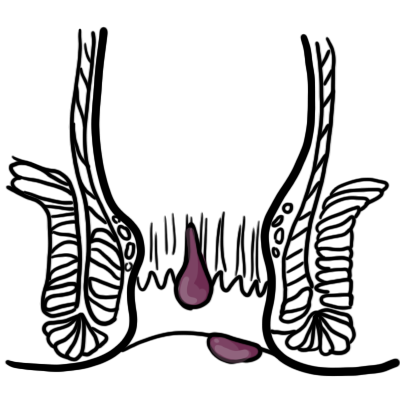
Anal Haemorrhoids
Overview Haemorrhoid Plexi are normal anatomical structures located within the anal canal. The term “Anal Haemorrhoids” usually refers to a pathology where the Haemorrhoidal Plexi are enlarged. They are mainly caused by chronic constipation and frequent defecation leading to dilation and engorgement of haemorrhoidal tissue. Common symptoms are bleeding, pain and itching. There are internal…
View topic ↗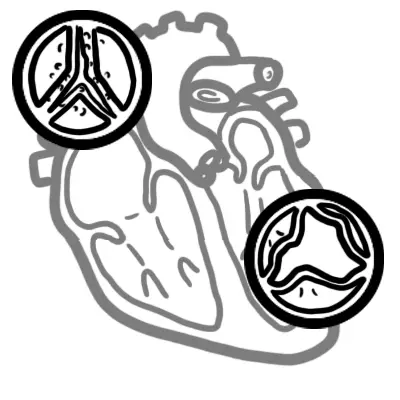
Valvular Heart Disease
Overview Valvular disease can come to clinical attention due to stenosis, insufficiency (regurgitation/incompetence) or both. Stenosis is the failure of a valve to open completely, which impedes forward flow. Insufficiency results from failure of a valve to close completely, thereby allows reversed flow. Doppler echocardiogram is the best technique for assessing patients with valvular heart disease, but…
View topic ↗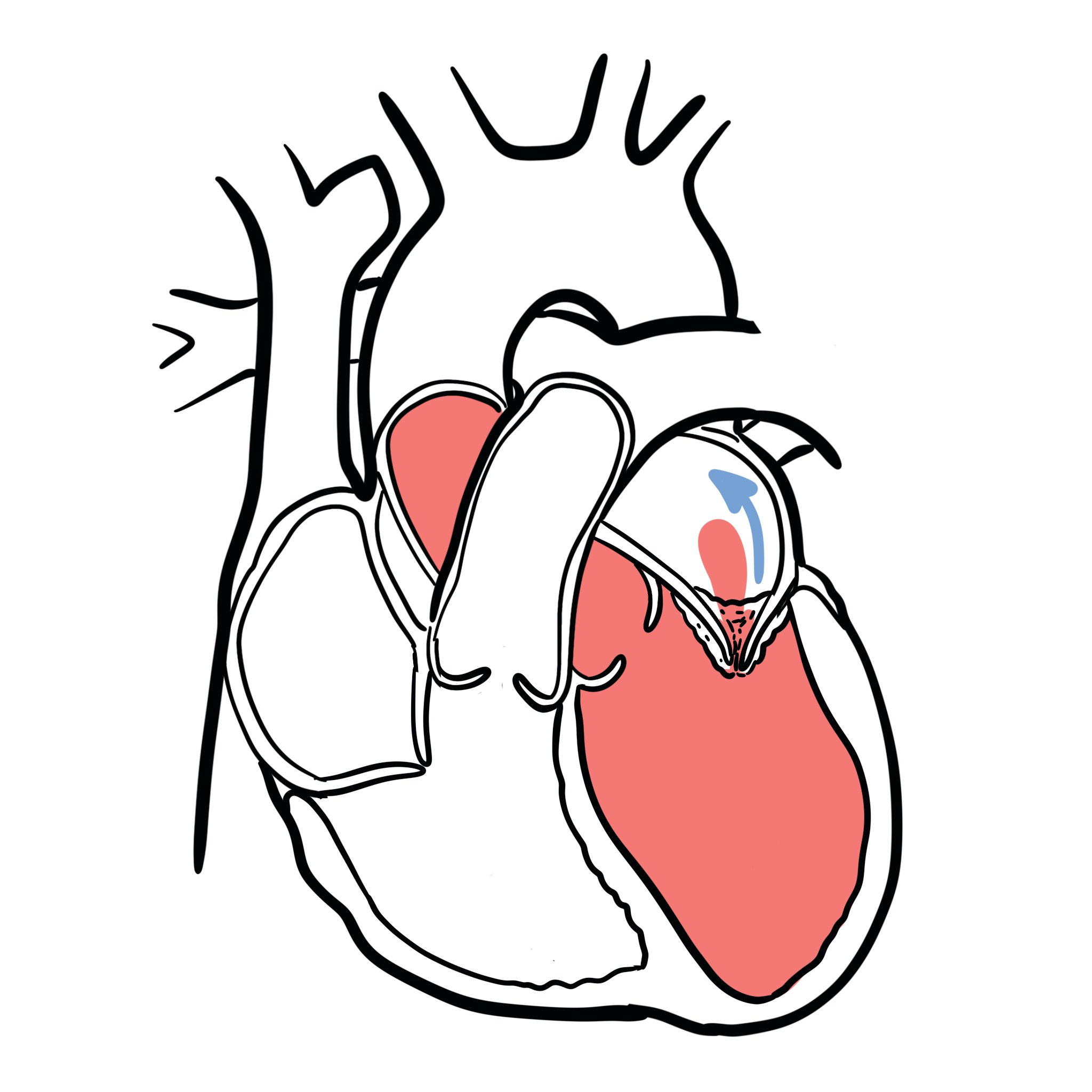
Mitral Regurgitation (Incompetence)
Overview Mitral regurgitation (MR), which is also known as mitral insufficiency, is a common heart valve disorder. When MR is present, blood leaks backwards through the mitral valve when the heart contracts. This reduces the amount of blood that is pumped out to the body. Patients with acute mitral regurgitation (MR) are often gravely ill with…
View topic ↗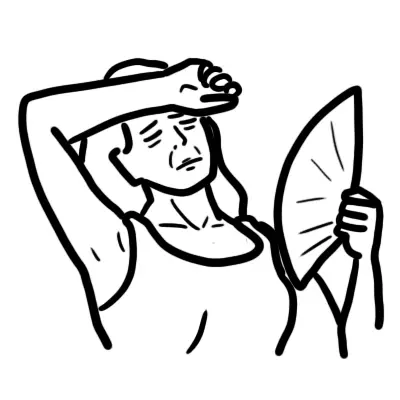
Menopause
Overview The menopause means the final menstrual period – diagnosed retrospectively after one year of amenorrhoea. Cessation occurs due to loss of ovarian function. The “declining oocyte pool” theory states that a newborn girl is born with millions of eggs, most of which die by atresia. The average age of menopause is 50, however this can vary…
View topic ↗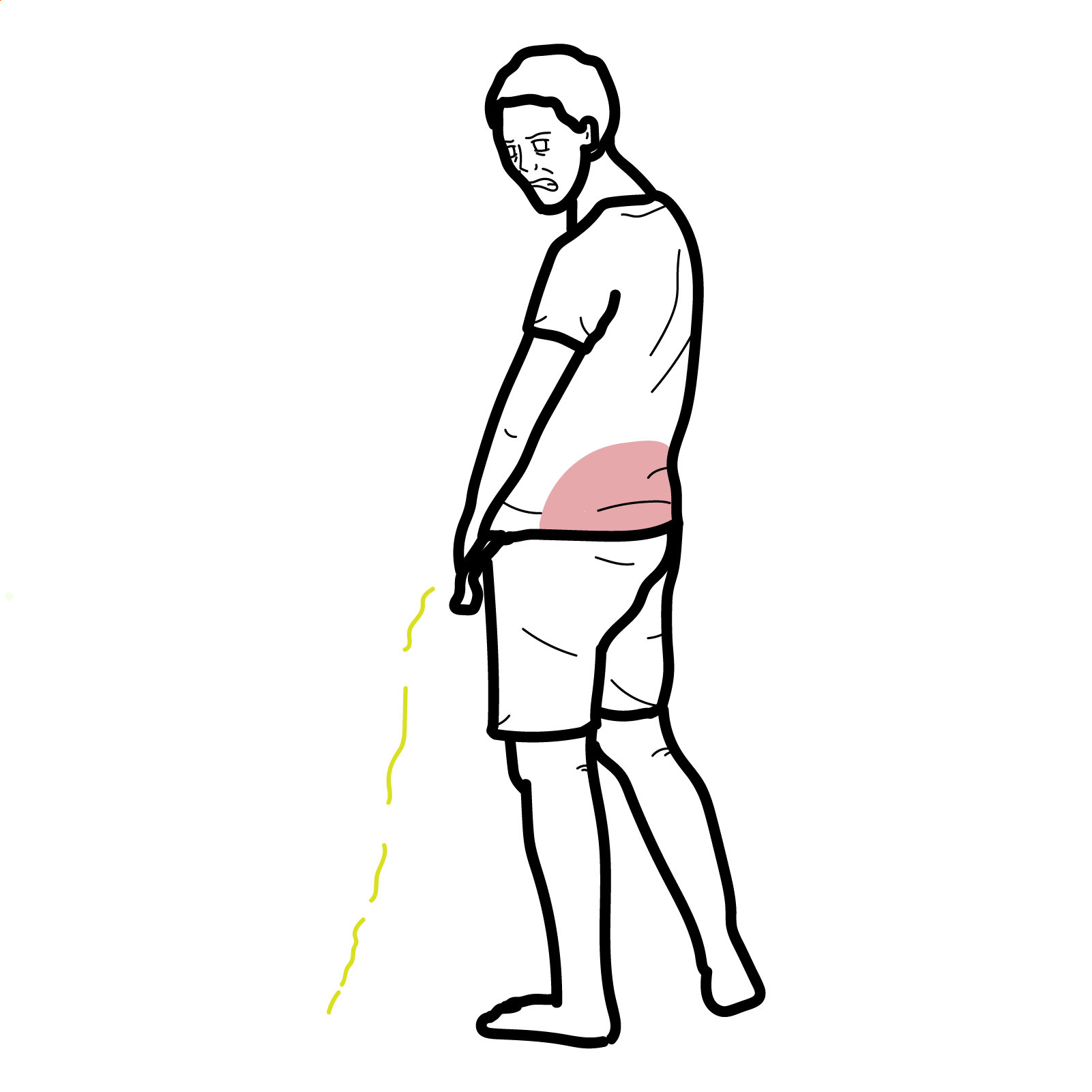
Reactive Arthritis
Overview Reactive arthritis is a seronegative spondyloarthropathy that occurs after a genitourinary or gastrointestinal infection, typically presenting as an asymmetric oligoarthritis, often with associated conjunctivitis and urethritis (formerly Reiter’s syndrome). It most commonly affects young adults aged 20–40 and shows a strong association with HLA-B27. Incidence is estimated at 30–40 per 100,000, with higher rates…
View topic ↗
Infective Endocarditis
Overview Infective endocarditis is a condition which occurs in the setting of bacteraemia whereby endothelial surfaces of the heart, such as valvular structures, become infected. It can present acutely or subacutely, and is often associated with fevers, new heart murmurs, constitutional symptoms and embolic phenomena. The classical organism associated is Staphylcoccus aureus, however there are…
View topic ↗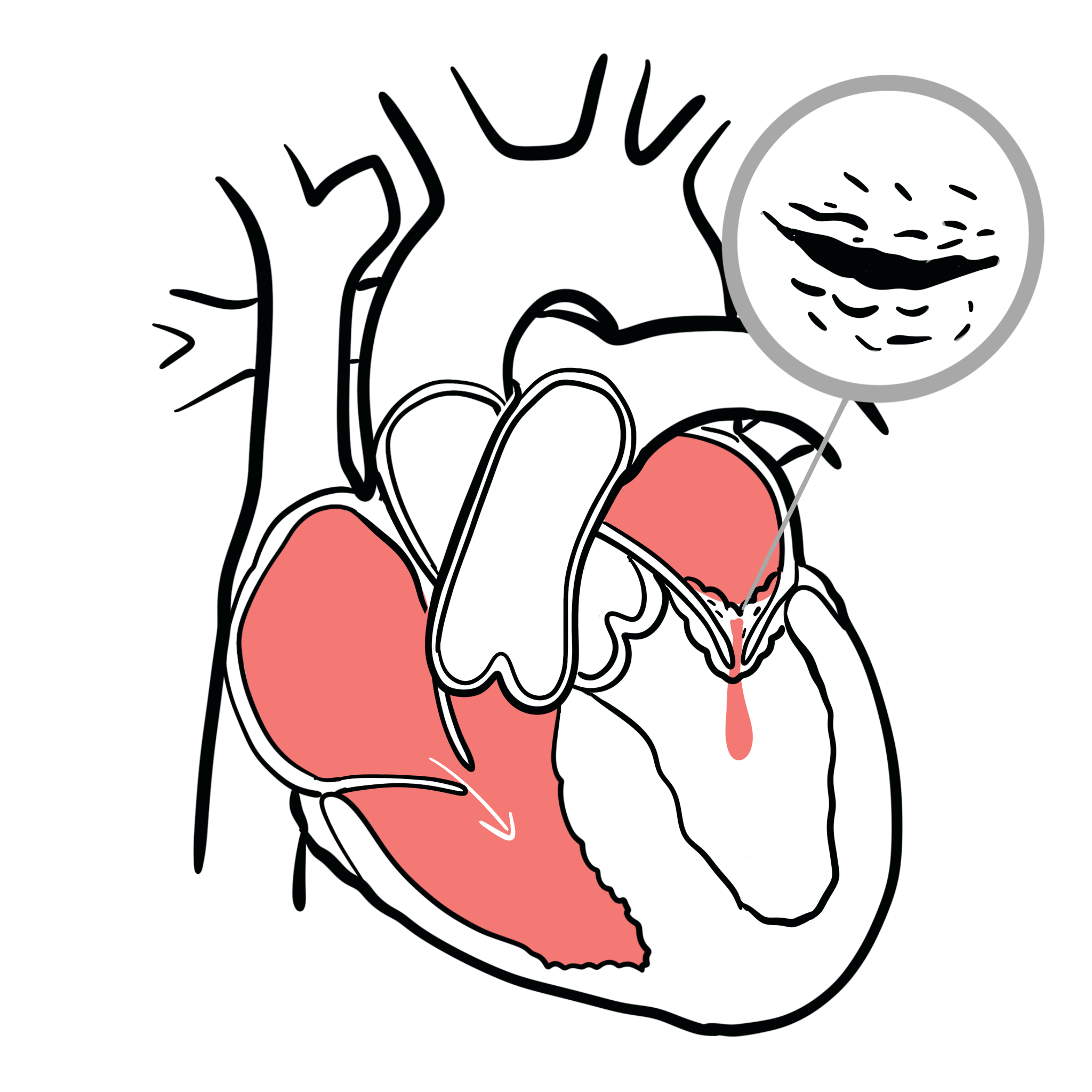
Mitral Stenosis
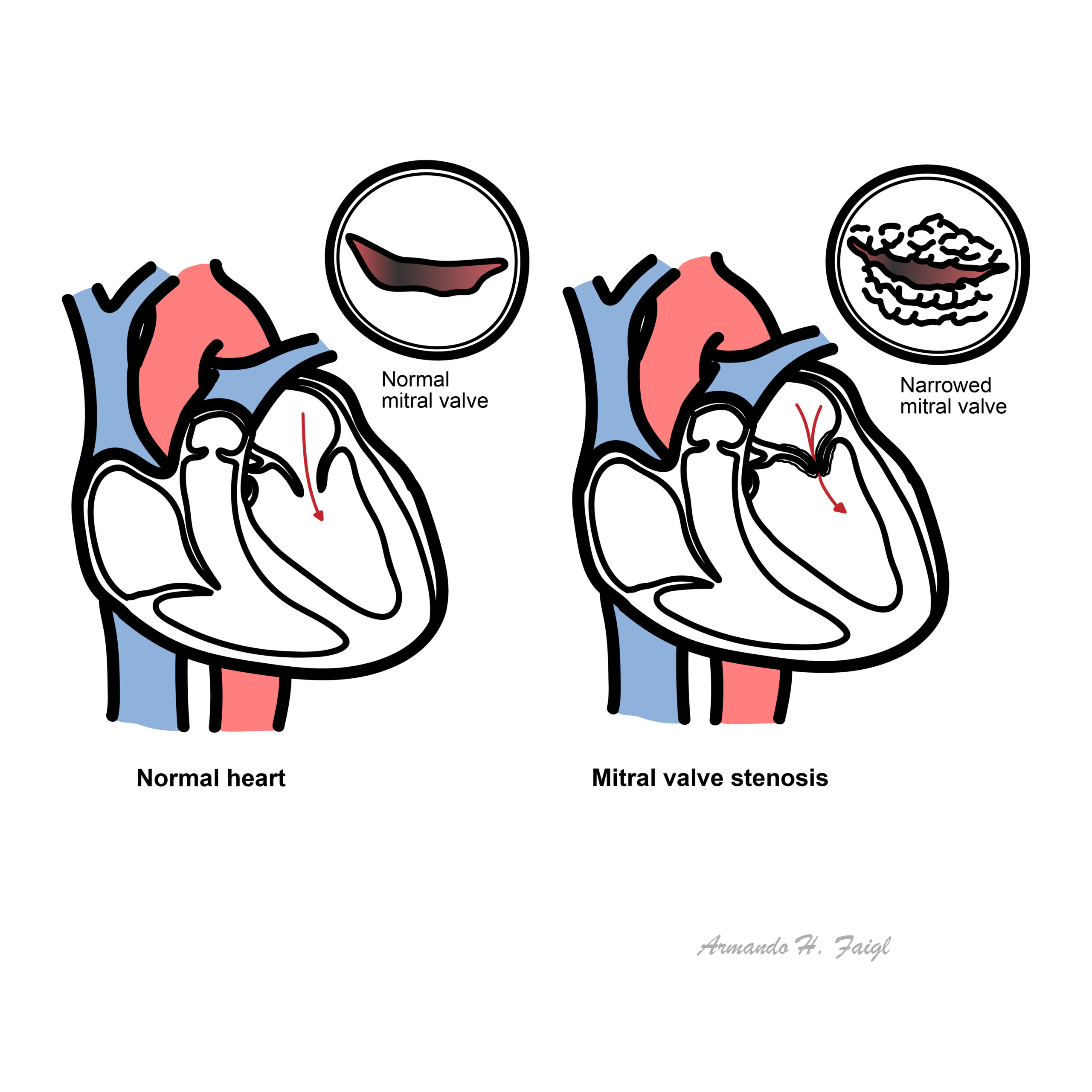
Overview Mitral stenosis causes an obstruction to blood flow from the left atrium to left ventricle usually as a result of rheumatic heart disease. The stenosis results in increased pressure in the left atrium, pulmonary vasculature and right side of heart. Mitral valve disease is a frequent cause of heart failure and death. Mitral valve area:…
View topic ↗Full resource library
Browse all topics ↗Choose how you learn
One idea. More than one way to see it.
Use the format that helps the topic click, then switch formats when you need to reinforce it.
01 / WATCH02 / READ03 / SEE04 / CHECK
Videos
Hand-drawn explanations that build the big picture as the concept unfolds.
Notes
Clear written explanations for review, reference and filling in the details.
Diagrams
Visual snapshots that help you easily review topics.
Questions
Test whether the explanation stayed with you—not just whether it looked familiar.
Good places to begin
Explanations learners return to.
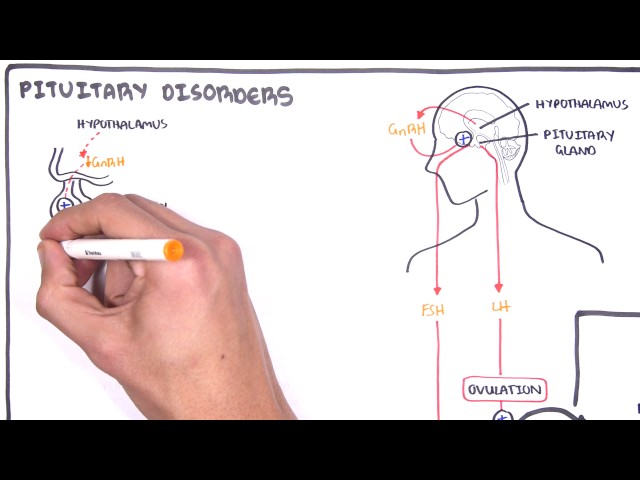
Turner syndrome – genetics and pathophysiology
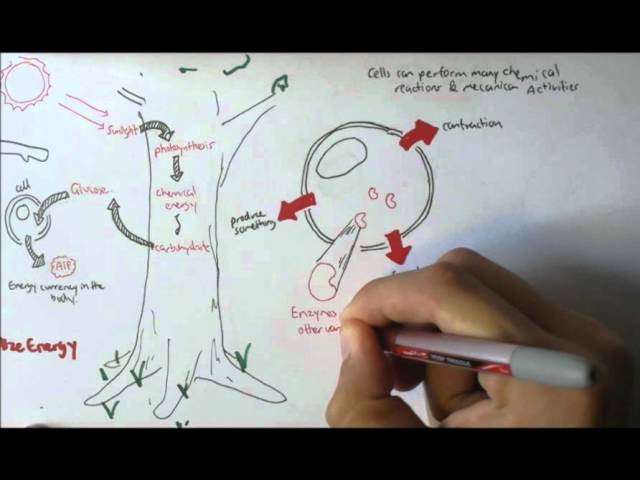
Cells Overview
Get an overview of cell structure and function, including organelles, membranes, and key cellular processes. Perfect for quick revision, this video breaks down complex concepts into simple, exam-focused explanations.
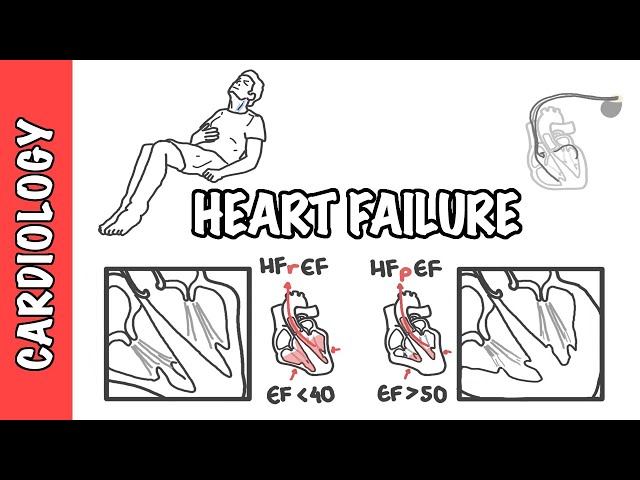
Heart failure with reduced vs preserved ejection fraction – Pathophysiology and treatment
Heart failure explained: learn the causes, symptoms, tests, and treatments for heart failure with reduced and preserved ejection fraction. This video breaks down cardiac output, preload, afterload, contractility, and heart rate—the four determinants of heart performance—and shows how low cardiac output triggers compensatory mechanisms (Frank–Starling, sympathetic activation, RAAS) that can worsen ventricular remodeling. Viewers will…
Our mission
Medical science is complex. Understanding it should feel possible.
Armando Hasudungan turns difficult medical science into clear visual explanations and connected learning experiences—so learners can see the whole picture, remember what matters and find a clearer way forward.
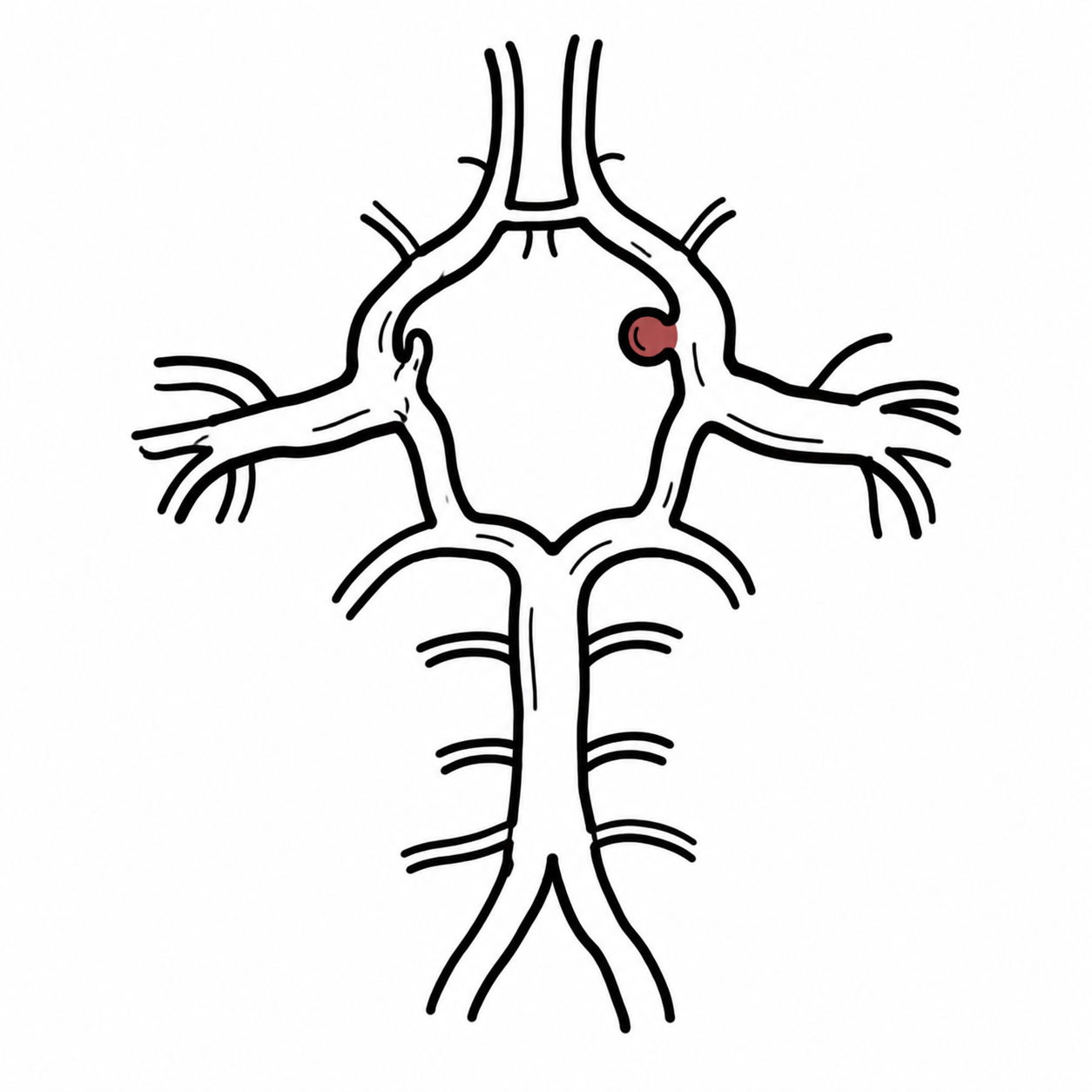
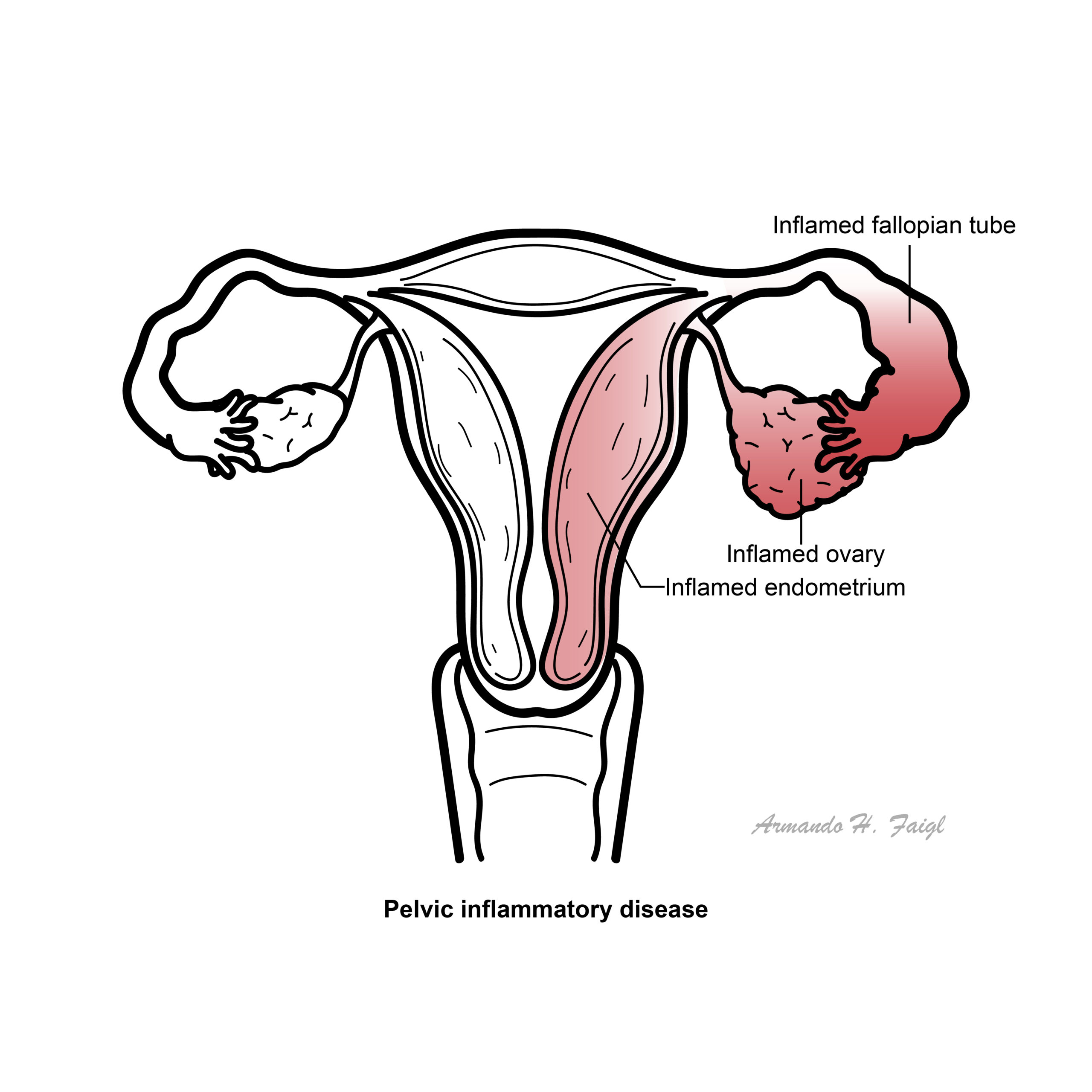
See it clearly
Turn abstract processes and invisible relationships into something the learner can picture.
Connect the pieces
Build understanding around how concepts fit together—not a pile of isolated facts.
Make it useful
Help learners move from explanation to recall, revision and the next logical step.
What clarity feels like
When the topic stops being a blur.
Learners do not come back because the subject became easy. They come back because the explanation gave them a picture they could work with.
“Armando's teaching style gives me the foundational knowledge.
Jessica Payne-Burnett
Medical Student, Charles Sturt University
“The notes I make during his videos help me retain everything better.
Ayesha RaiStudent, Islamabad Medical and Dental College
“The drawings are amazing and super easy to remember.
Reem Mohamed Khair Abdalrazig
Student, Neelain University
Coming soon: the AH study platform
The explanation is only the start.
The free library helps you find a clear explanation. The AH platform is being built to help you connect the resources, follow a clearer path and check what actually stuck.
- Watch in a focused, ad-free study environment.
- Move between connected videos, notes, diagrams and questions.
- Know what belongs next instead of rebuilding the study path yourself.
- Test your understanding while the topic is still fresh.
New and worth a look
Keep building the picture.

Cervical Radiculopathy
Overview Cervical radiculopathy is dysfunction of a cervical nerve root caused by irritation or compression as it leaves the spine. It commonly produces pain radiating from the neck into one arm, sometimes with paraesthesia, numbness, weakness or altered reflexes. A disc herniation or degenerative narrowing of the neural foramen is a common cause. Diagnosis is…
View this topic ↗About Visualising Medicine
Good education does not remove complexity. It makes complexity feel simple.
Visualising Medicine is the team behind Armando Hasudungan. We bring together medicine, illustration, writing and technology to make difficult ideas clearer—and build better ways for learners to use them.