

Visual explanationFree resource
Visual medical education by Armando Hasudungan
Medical science, drawn into focus.
Explore visual explanations that reveal how the facts, processes and clinical patterns fit together—then discover the coming AH study platform, built to guide what you study next and check what stuck.
Connected studyComing soon
Clear visual explanations used by medical and allied-health learners around the world.
Explore the free library
Start with the topic in front of you.
Browse by subject or jump straight into the explanation you need. No account required.

De Quervain’s Tendinopathy
Overview De Quervain’s tendinopathy is a painful stenosing disorder affecting the tendons within the first dorsal extensor compartment of the wrist. It involves the abductor pollicis longus (APL) and extensor pollicis brevis (EPB) tendons as they pass beneath the extensor retinaculum near the radial styloid. Patients typically present with radial-sided wrist pain that is aggravated…
View topic ↗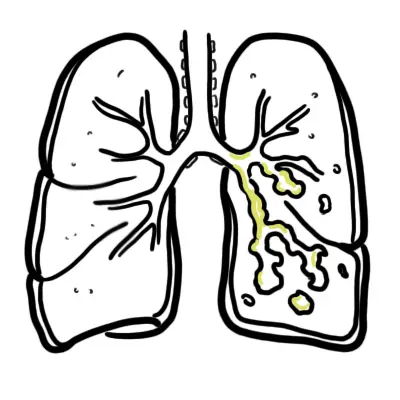
Bronchiectasis
Overview Bronchiectasis was a common disabling and fatal condition in the pre-antibiotic era and remains more common in medically underserved regions of the world. Irreversible dilatation of airways due to in ammatory destruction of airway walls resulting from persistently infected mucus. Bronchiectasis usually affects medium sized airways Bronchiectasis: Bronchiectasis is the permanent dilation of bronchi…
View topic ↗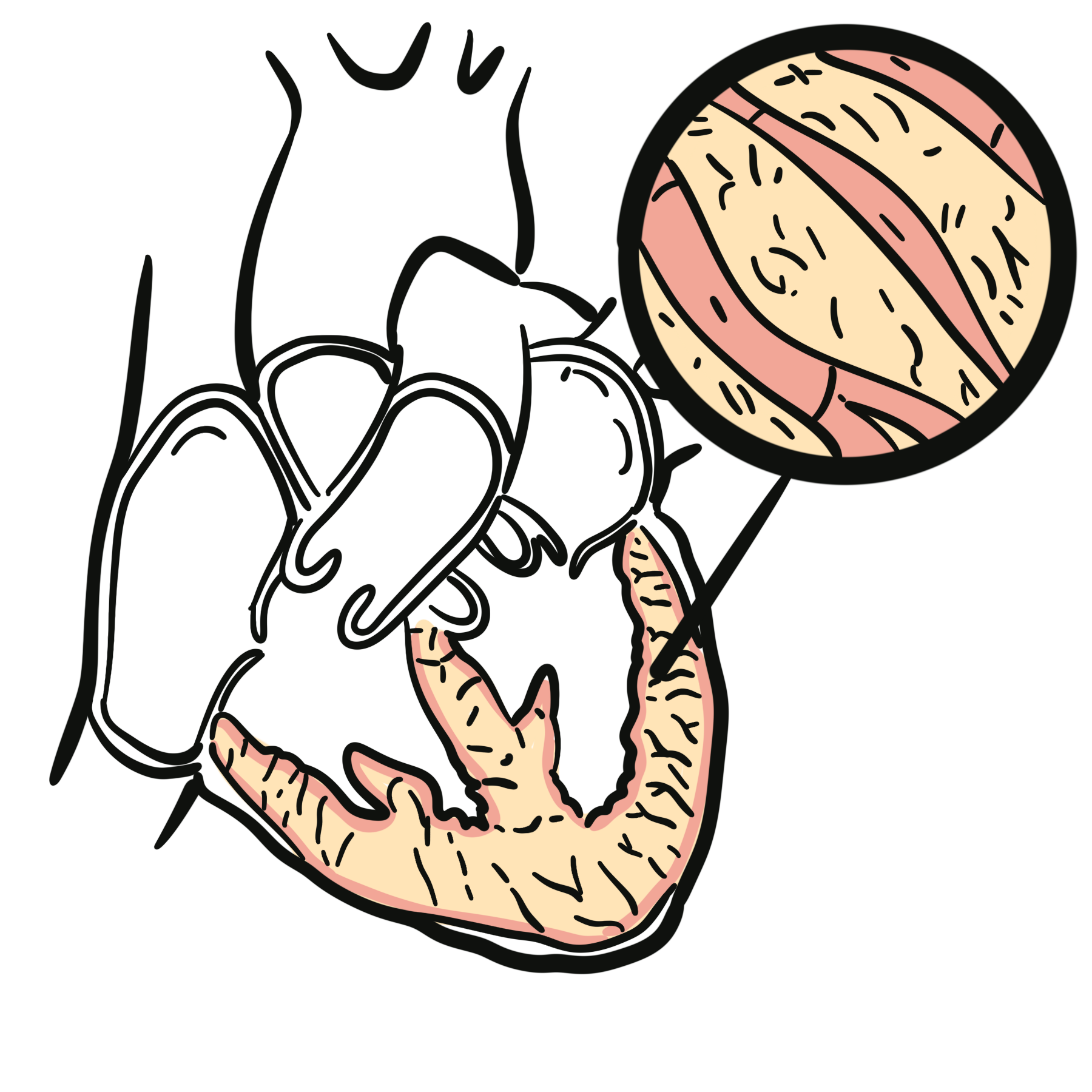
Cardiac Amyloidosis
Overview Cardiac amyloidosis is an infiltrative cardiomyopathy caused by extracellular deposition of misfolded protein fibrils within the myocardium, conduction system, valves and intramyocardial vessels. Progressive amyloid accumulation increases ventricular wall thickness and stiffness, producing restrictive physiology, heart failure, arrhythmias and conduction disease. 1,2 More than 98% of clinically recognised cardiac amyloidosis is caused by either:…
View topic ↗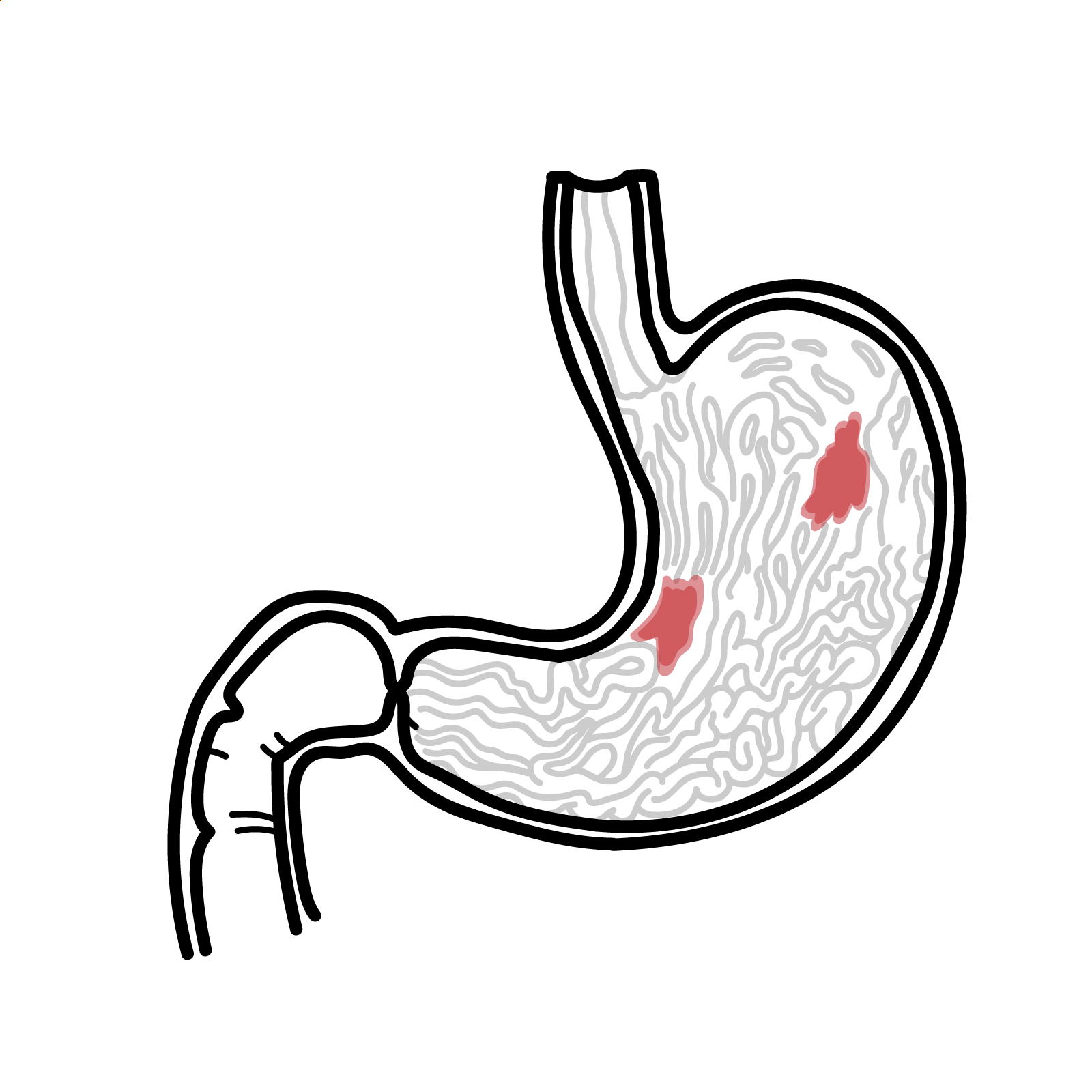
Atrophic Gastritis
Overview Atrophic gastritis is a chronic inflammatory disorder in which normal gastric glands are progressively lost and replaced by fibrosis or metaplastic epithelium. It is most commonly caused by chronic Helicobacter pylori infection or autoimmune destruction of oxyntic glands. The disease is often clinically silent but is important because it can cause iron and vitamin…
View topic ↗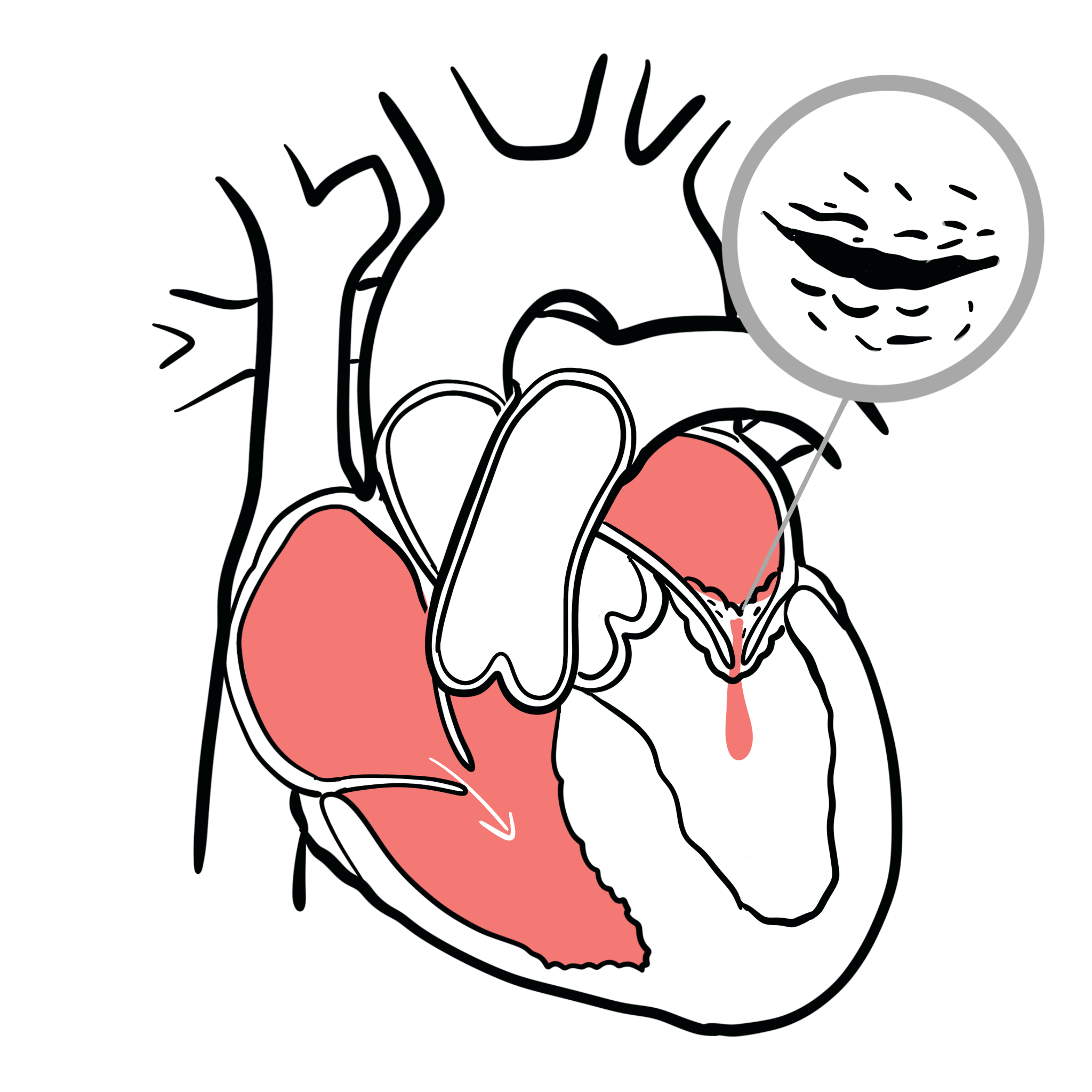
Mitral Stenosis
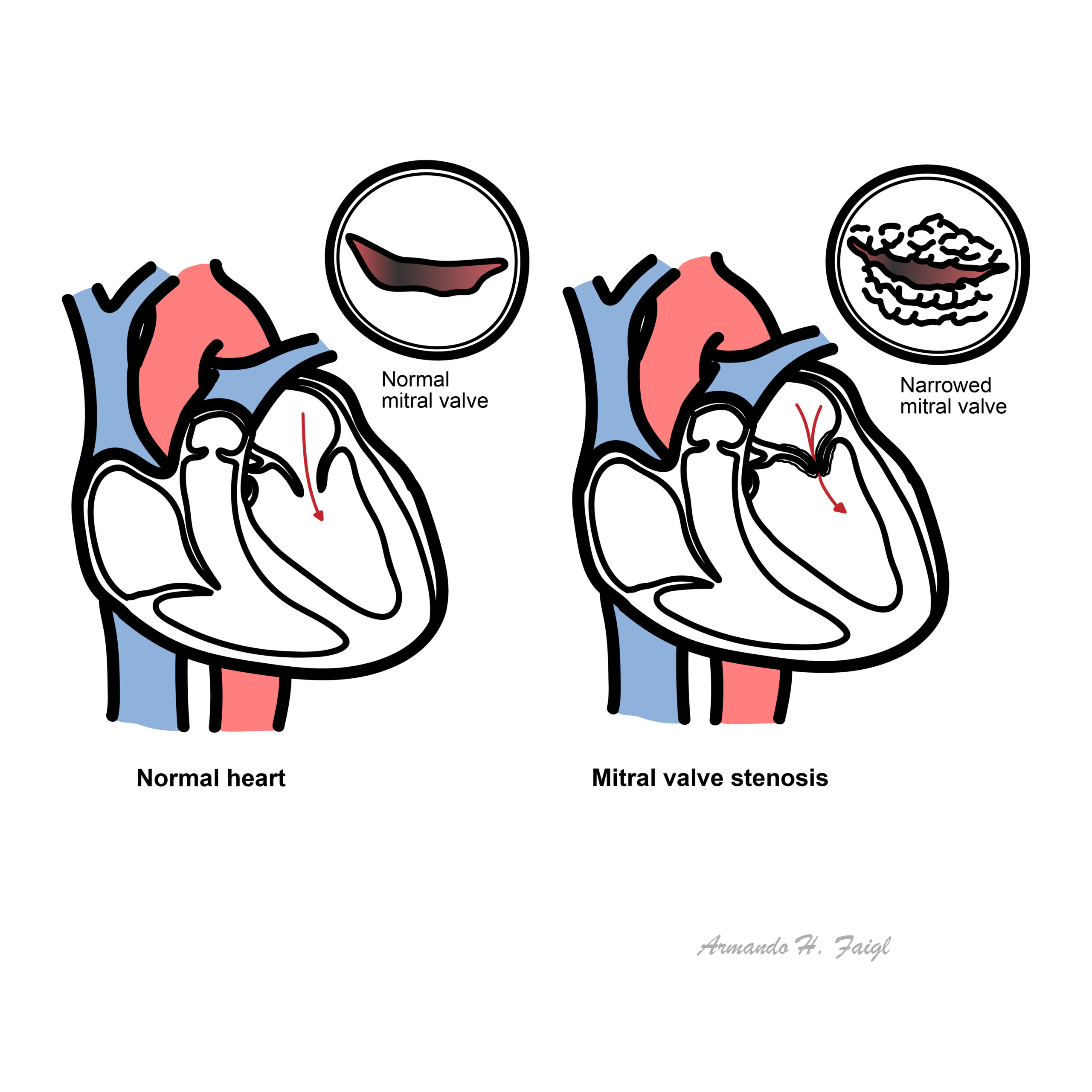
Overview Mitral stenosis causes an obstruction to blood flow from the left atrium to left ventricle usually as a result of rheumatic heart disease. The stenosis results in increased pressure in the left atrium, pulmonary vasculature and right side of heart. Mitral valve disease is a frequent cause of heart failure and death. Mitral valve area:…
View topic ↗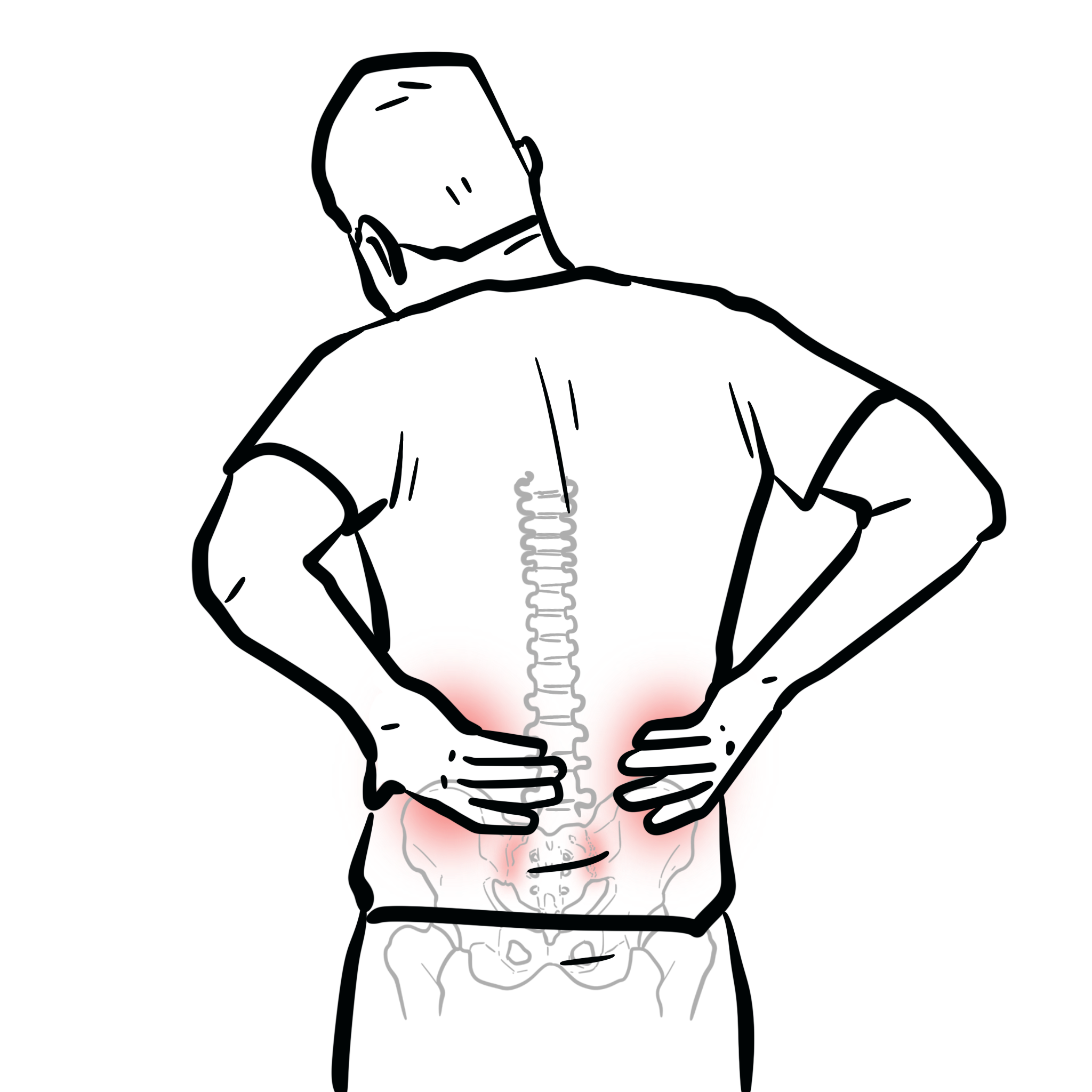
Anklylosing Spondylitis (AS)
Overview Ankylosing spondylitis (AS) is a chronic, progressive inflammatory arthritis that primarily affects the axial skeleton, especially the sacroiliac joints and spine. It is a subtype of the seronegative spondyloarthropathies and is characterised by inflammatory back pain, morning stiffness, and eventual spinal fusion in severe cases. AS often presents in young adults, typically males, and…
View topic ↗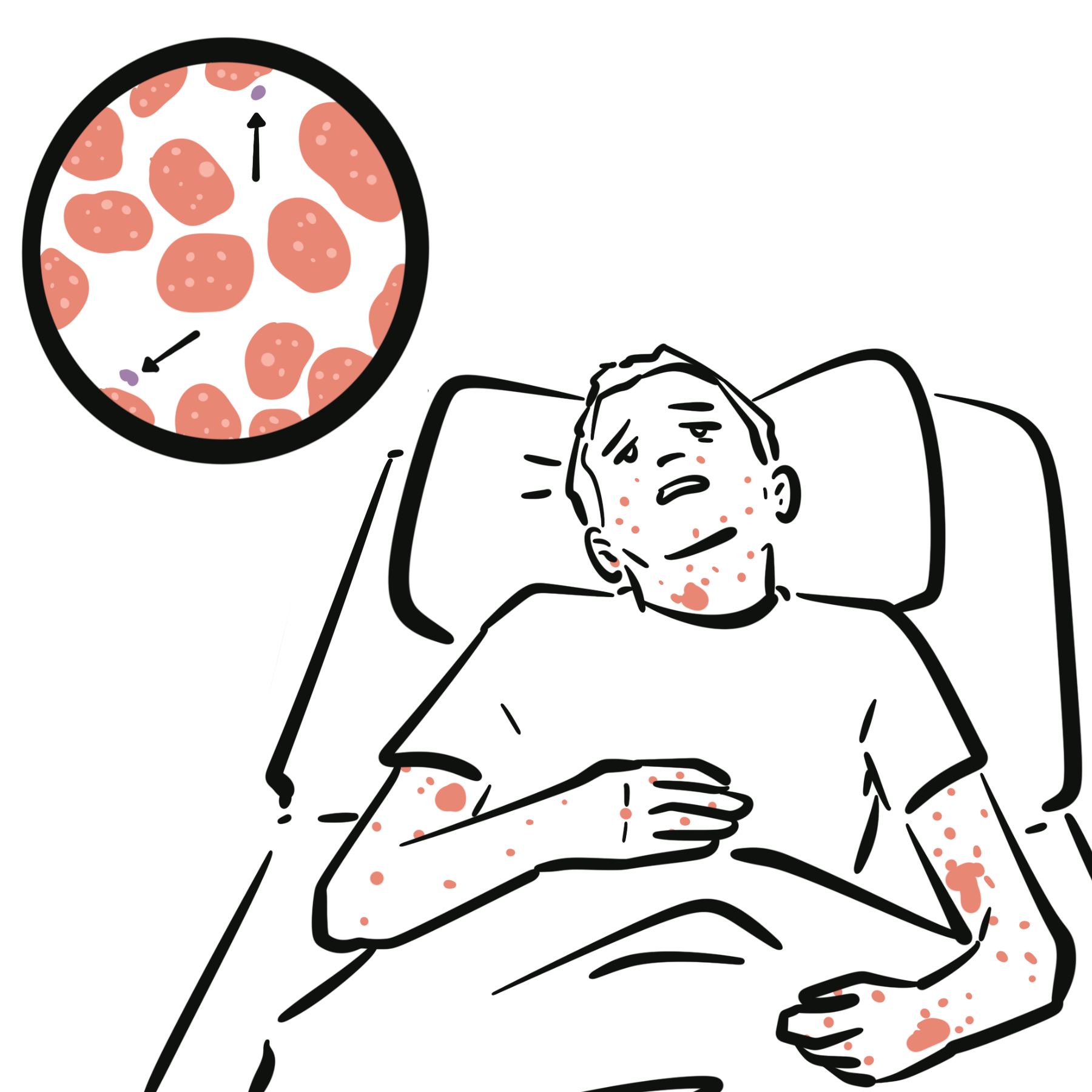
Wiskott–Aldrich Syndrome
Overview Wiskott–Aldrich syndrome is a rare X-linked recessive primary immunodeficiency caused by mutations in the WAS gene, leading to defective actin cytoskeleton regulation in hematopoietic cells. It presents with the triad of eczema, recurrent infections, and thrombocytopenia with small platelets. Patients are prone to autoimmunity and malignancy. Incidence is ~1 in 100,000 live male births.…
View topic ↗Full resource library
Browse all topics ↗Choose how you learn
One idea. More than one way to see it.
Use the format that helps the topic click, then switch formats when you need to reinforce it.
01 / WATCH02 / READ03 / SEE04 / CHECK
Videos
Hand-drawn explanations that build the big picture as the concept unfolds.
Notes
Clear written explanations for review, reference and filling in the details.
Diagrams
Visual snapshots that help you easily review topics.
Questions
Test whether the explanation stayed with you—not just whether it looked familiar.
Good places to begin
Explanations learners return to.
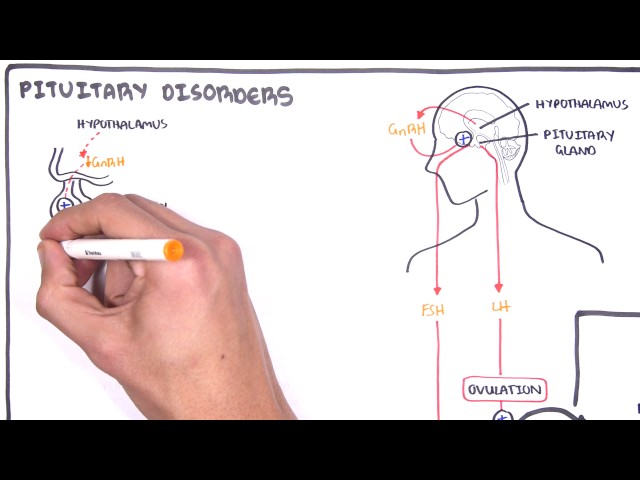
Turner syndrome – genetics and pathophysiology
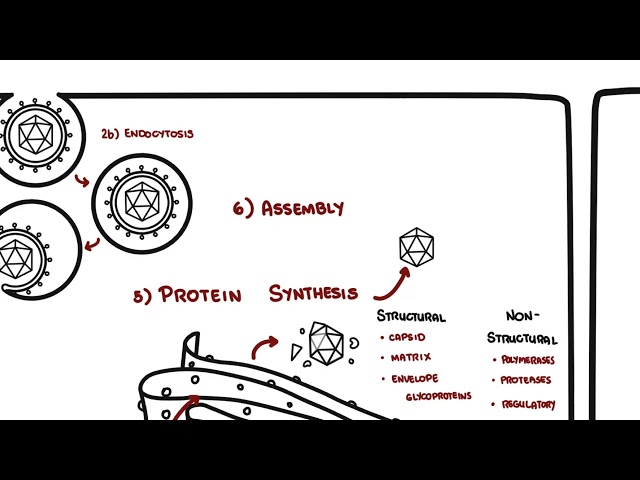
Viral Replication Enveloped vs Non-Enveloped Viruses
Enveloped vs non-enveloped viruses: learn how the lipid envelope changes viral entry, release, stability, tropism, and replication strategies. This video breaks down the seven stages of viral replication—attachment, entry, uncoating, gene expression, genome replication, assembly, and release—highlighting key differences between enveloped viruses (influenza, HIV, herpes, coronaviruses) and non-enveloped viruses (adenovirus, HPV, rotavirus). You’ll learn how…

The Human Vertebra (spine and backbone)
Explore the structure and function of the human vertebra, the building blocks of the spine and backbone, in this easy-to-follow medical video. Learn about the different regions of the spine, common vertebral conditions, and their role in supporting movement and protecting the spinal cord. Ideal for students, patients, and anyone interested in understanding spinal health.
Our mission
Medical science is complex. Understanding it should feel possible.
Armando Hasudungan turns difficult medical science into clear visual explanations and connected learning experiences—so learners can see the whole picture, remember what matters and find a clearer way forward.
See it clearly
Turn abstract processes and invisible relationships into something the learner can picture.
Connect the pieces
Build understanding around how concepts fit together—not a pile of isolated facts.
Make it useful
Help learners move from explanation to recall, revision and the next logical step.
What clarity feels like
When the topic stops being a blur.
Learners do not come back because the subject became easy. They come back because the explanation gave them a picture they could work with.
“Armando's teaching style gives me the foundational knowledge.
Jessica Payne-Burnett
Medical Student, Charles Sturt University
“The notes I make during his videos help me retain everything better.
Ayesha RaiStudent, Islamabad Medical and Dental College
“The drawings are amazing and super easy to remember.
Reem Mohamed Khair Abdalrazig
Student, Neelain University
Coming soon: the AH study platform
The explanation is only the start.
The free library helps you find a clear explanation. The AH platform is being built to help you connect the resources, follow a clearer path and check what actually stuck.
- Watch in a focused, ad-free study environment.
- Move between connected videos, notes, diagrams and questions.
- Know what belongs next instead of rebuilding the study path yourself.
- Test your understanding while the topic is still fresh.
New and worth a look
Keep building the picture.
Cervical Radiculopathy
Overview Cervical radiculopathy is dysfunction of a cervical nerve root caused by irritation or compression as it leaves the spine. It commonly produces pain radiating from the neck into one arm, sometimes with paraesthesia, numbness, weakness or altered reflexes. A disc herniation or degenerative narrowing of the neural foramen is a common cause. Diagnosis is…
View this topic ↗About Visualising Medicine
Good education does not remove complexity. It makes complexity feel simple.
Visualising Medicine is the team behind Armando Hasudungan. We bring together medicine, illustration, writing and technology to make difficult ideas clearer—and build better ways for learners to use them.