

Visual explanationFree resource
Visual medical education by Armando Hasudungan
Medical science, drawn into focus.
Explore visual explanations that reveal how the facts, processes and clinical patterns fit together—then discover the coming AH study platform, built to guide what you study next and check what stuck.
Connected studyComing soon
Clear visual explanations used by medical and allied-health learners around the world.
Explore the free library
Start with the topic in front of you.
Browse by subject or jump straight into the explanation you need. No account required.
Community Acquired Pneumonia
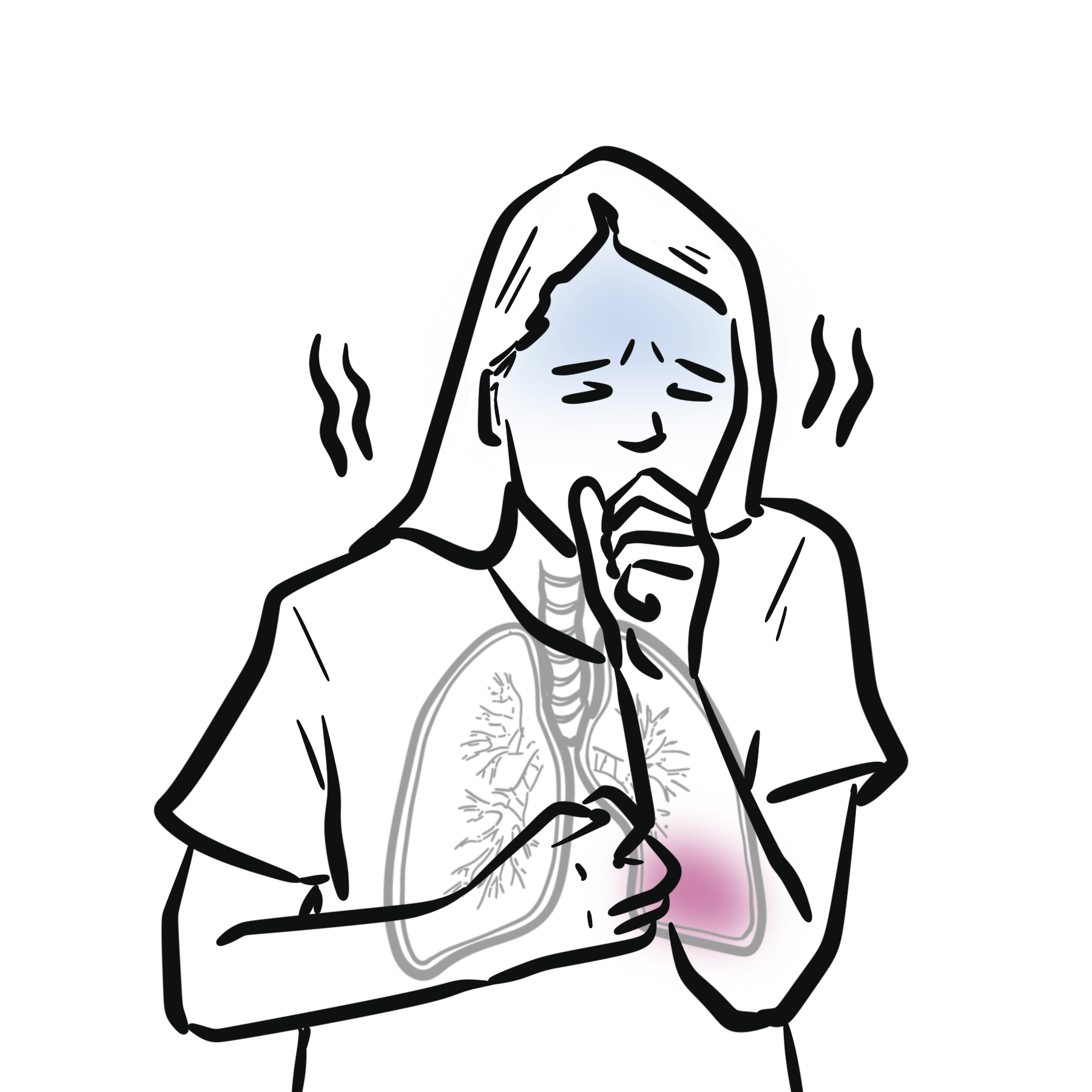
Overview Community acquired pneumonia occur in individuals who are not in hospital (or have been in hospital in the past 48 hours) and who are not significantly immunocompromised. The World Health Organization estimates that lower respiratory tract infection is the most common infectious cause of death in the world. Choice of antibiotics are usually empirical…
View topic ↗
Hypermobility Syndromes
Overview Hypermobility Spectrum Disorder (HSD) describes symptomatic joint hypermobility with musculoskeletal (and sometimes systemic) consequences in people who do not meet the 2017 diagnostic criteria for hypermobile Ehlers–Danlos syndrome (hEDS) or another heritable connective-tissue disorder (HCTD). Prevalence of generalised joint hypermobility varies (≈2–35% depending on age/sex/ethnicity and cut-offs), with symptomatic states more common in females…
View topic ↗
Behçet’s Disease
Overview Behçet’s syndrome is a chronic, relapsing, multisystem inflammatory disorder and variable-vessel vasculitis characterized classically by recurrent oral ulcers, genital ulcers, ocular inflammation, and skin lesions. It can also involve the joints, vessels, nervous system, and gastrointestinal tract. The disease is most prevalent along the historic “Silk Road” region, including Turkey, the Middle East, and…
View topic ↗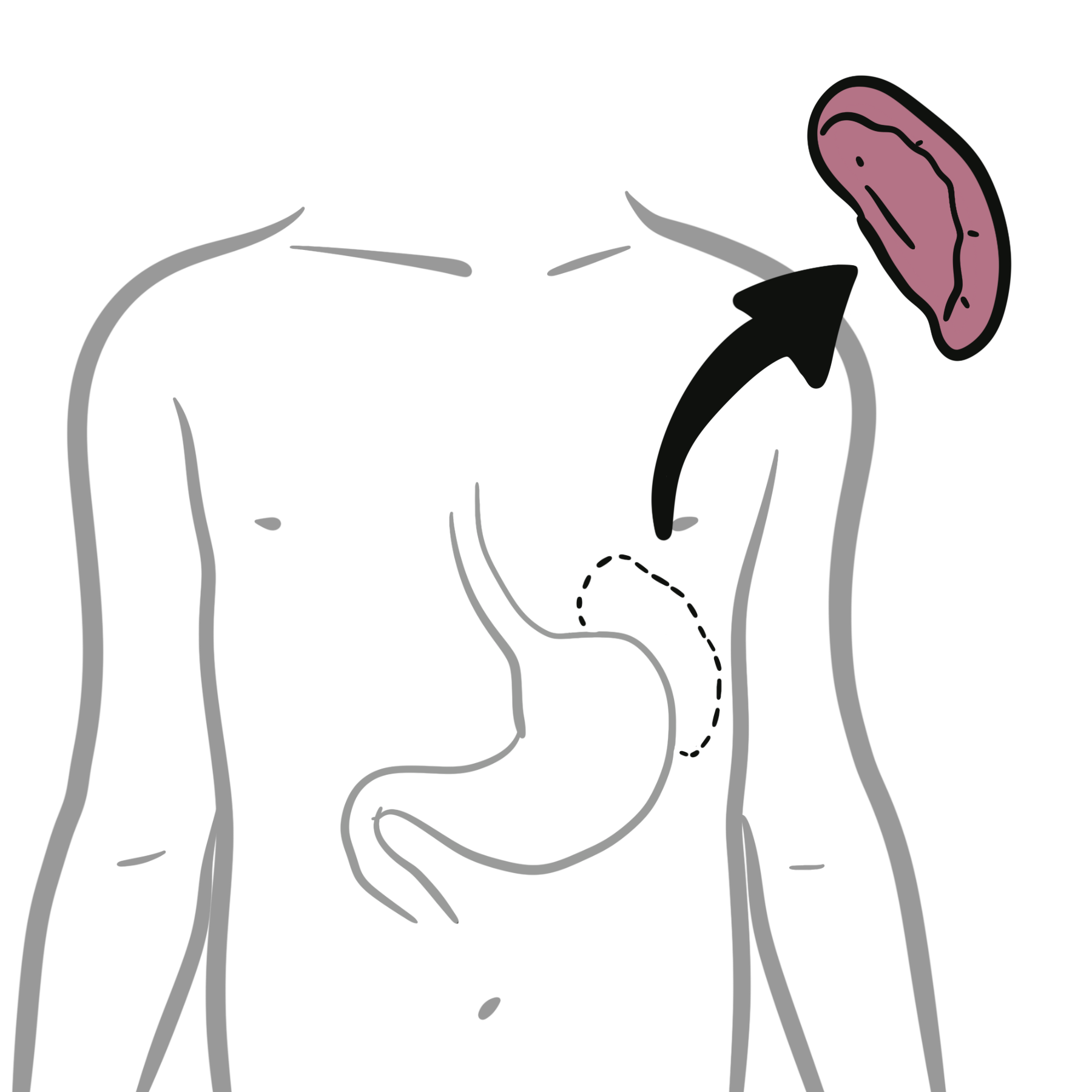
Post‑splenectomy Immunodeficiency
Overview Post‑splenectomy immunodeficiency refers to the increased susceptibility to infection following removal (or functional loss) of the spleen. The spleen plays a critical role in filtering bloodborne pathogens, especially encapsulated bacteria, and in mounting both innate and adaptive immune responses. Loss of splenic function leads to impaired opsonisation, reduced IgM production, and defective clearance of…
View topic ↗
Renal Cell Carcinoma
Overview Renal cell carcinomas (originate within the renal cortex) are responsible for 85% of all primary renal neoplasms. Transitional cell carcinomas of the renal pelvis are the next most common (~8%). Renal medullary carcinoma is a rare form of RCC seen in sickle cell disease. The most common pathological type of renal cell carcinoma is clear cell…
View topic ↗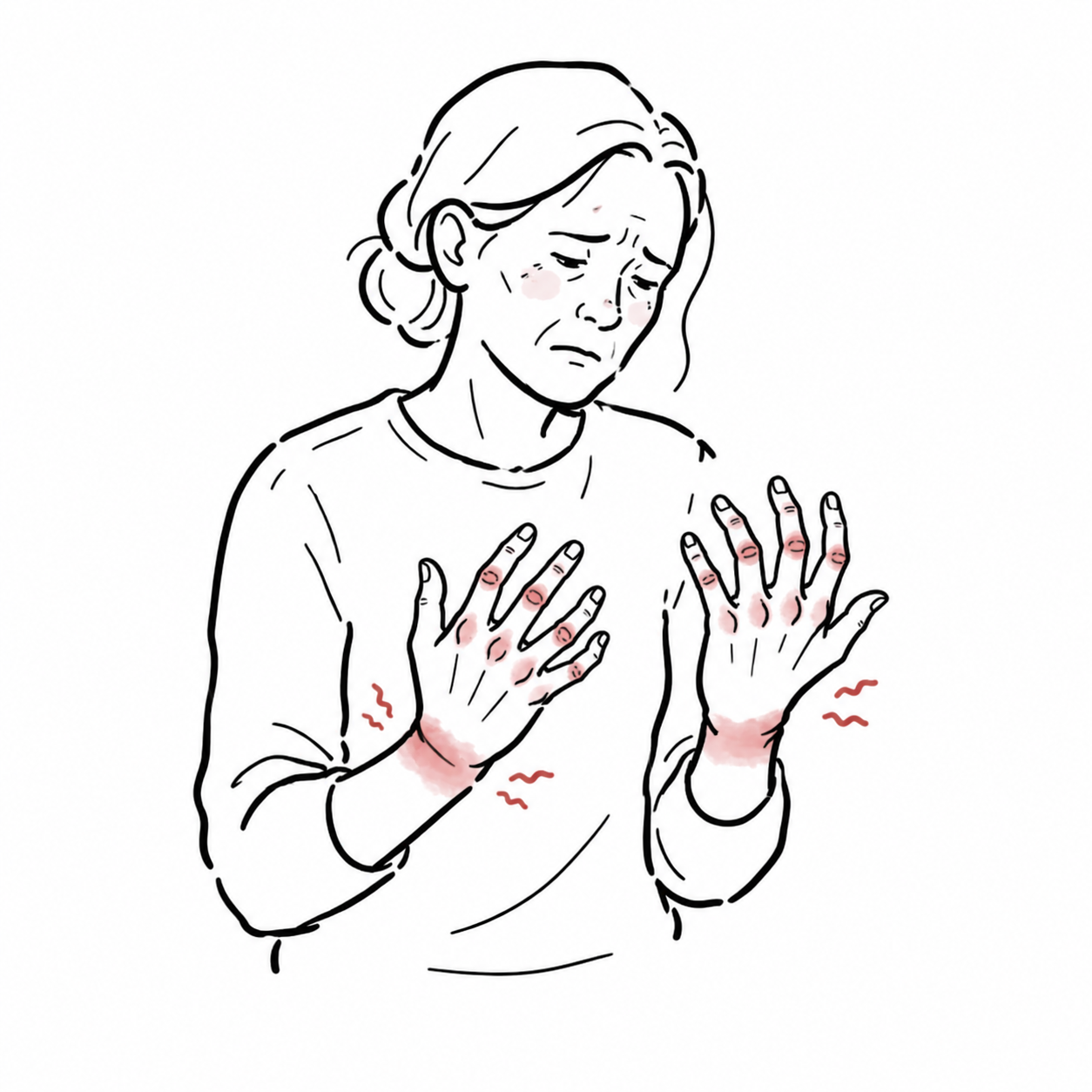
Rheumatoid Arthritis
Overview Rheumatoid arthritis is a common systemic inflammatory disease characterized by the presence of a destructive polyarthritis with a predisposition for affecting the small joints of the hands and feet and the wrists. Rheumatoid arthritis (RA) is the most common inflammatory arthritis, with a lifetime prevalence of up to 1 percent worldwide. Like many autoimmune diseases, the etiology…
View topic ↗
Bipolar Disorder
Overview Bipolar disorder, previously termed manic depression, is a psychiatric diagnosis characterised by abnormally elevated or irritable mood episode(s) accompanied by disruptive symptoms of distractibility, indiscretions, grandiosity, flight of ideas, hyperactivity, decreased need for sleep, and talkativeness. It is well known that bipolar disorder carries with it high mortality and morbidity rates. The lifetime risk…
View topic ↗Full resource library
Browse all topics ↗Choose how you learn
One idea. More than one way to see it.
Use the format that helps the topic click, then switch formats when you need to reinforce it.
01 / WATCH02 / READ03 / SEE04 / CHECK
Videos
Hand-drawn explanations that build the big picture as the concept unfolds.
Notes
Clear written explanations for review, reference and filling in the details.
Diagrams
Visual snapshots that help you easily review topics.
Questions
Test whether the explanation stayed with you—not just whether it looked familiar.
Good places to begin
Explanations learners return to.
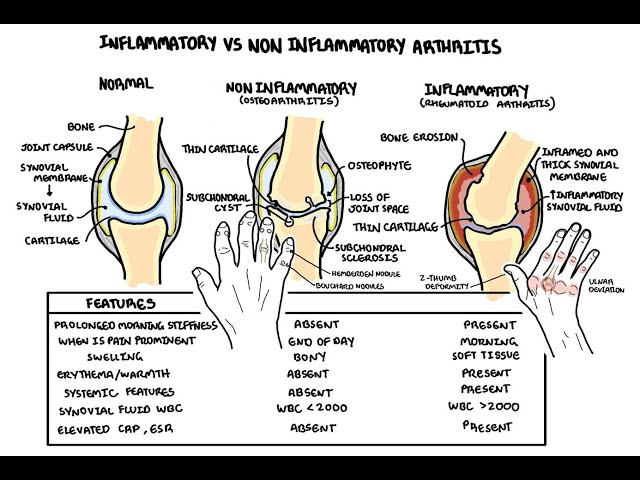
Inflammatory vs non-inflammatory arthritis
Inflammatory arthritis refers to a group of conditions characterised by a high number of white cells in the joints, causing inflammation, pain, redness, and swelling. Non-inflammatory arthritis typically refers to wear-and-tear joint problems, such as osteoarthritis. In this video, we will compare osteoarthritis (a classically non-inflammatory arthritis) to rheumatoid arthritis (a common inflammatory arthritis).
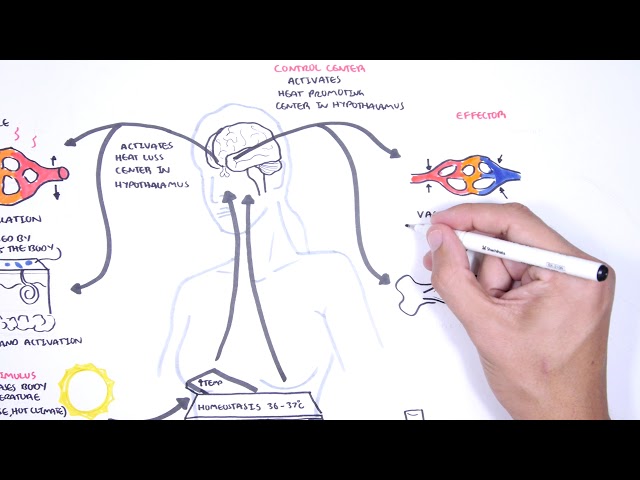
Homeostasis – negative and positive feedback (thermoregulation and lactation)
Explore the concept of homeostasis and how the body maintains internal balance through negative and positive feedback mechanisms. This video illustrates key examples like thermoregulation and lactation to explain how these feedback loops function in real physiological processes.
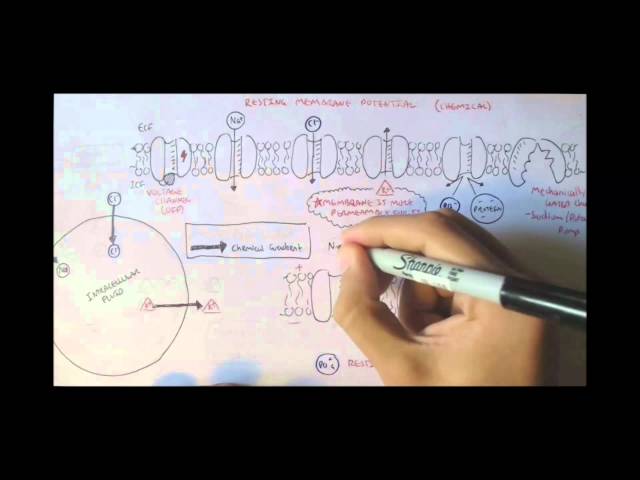
Nervous System – Resting Membrane Potential
Understand the resting membrane potential and how ion gradients and membrane permeability maintain electrical balance in neurons. This high-yield video is essential for grasping nerve physiology in exams like the USMLE, NCLEX, or NEET.
Our mission
Medical science is complex. Understanding it should feel possible.
Armando Hasudungan turns difficult medical science into clear visual explanations and connected learning experiences—so learners can see the whole picture, remember what matters and find a clearer way forward.
See it clearly
Turn abstract processes and invisible relationships into something the learner can picture.
Connect the pieces
Build understanding around how concepts fit together—not a pile of isolated facts.
Make it useful
Help learners move from explanation to recall, revision and the next logical step.
What clarity feels like
When the topic stops being a blur.
Learners do not come back because the subject became easy. They come back because the explanation gave them a picture they could work with.
“Armando's teaching style gives me the foundational knowledge.
Jessica Payne-Burnett
Medical Student, Charles Sturt University
“The notes I make during his videos help me retain everything better.
Ayesha RaiStudent, Islamabad Medical and Dental College
“The drawings are amazing and super easy to remember.
Reem Mohamed Khair Abdalrazig
Student, Neelain University
Coming soon: the AH study platform
The explanation is only the start.
The free library helps you find a clear explanation. The AH platform is being built to help you connect the resources, follow a clearer path and check what actually stuck.
- Watch in a focused, ad-free study environment.
- Move between connected videos, notes, diagrams and questions.
- Know what belongs next instead of rebuilding the study path yourself.
- Test your understanding while the topic is still fresh.
New and worth a look
Keep building the picture.

Cervical Radiculopathy
Overview Cervical radiculopathy is dysfunction of a cervical nerve root caused by irritation or compression as it leaves the spine. It commonly produces pain radiating from the neck into one arm, sometimes with paraesthesia, numbness, weakness or altered reflexes. A disc herniation or degenerative narrowing of the neural foramen is a common cause. Diagnosis is…
View this topic ↗About Visualising Medicine
Good education does not remove complexity. It makes complexity feel simple.
Visualising Medicine is the team behind Armando Hasudungan. We bring together medicine, illustration, writing and technology to make difficult ideas clearer—and build better ways for learners to use them.