

Visual explanationFree resource
Visual medical education by Armando Hasudungan
Medical science, drawn into focus.
Explore visual explanations that reveal how the facts, processes and clinical patterns fit together—then discover the coming AH study platform, built to guide what you study next and check what stuck.
Connected studyComing soon
Clear visual explanations used by medical and allied-health learners around the world.
Explore the free library
Start with the topic in front of you.
Browse by subject or jump straight into the explanation you need. No account required.
Gastroenteritis (Infectious Diarrhoea)
Overview Gastroenteritis continues to cause significant morbidity in developed and developing countries. The most common cause are viral and bacterial including: Norovirus Enteric adenoviruses E-coli Salmonella spp. and Shigella spp. Campylobater jejuni Diarrhoea: Loose, water like stools that occur with increased frequency and an increased volume of >200g per day Gastroenteritis: >3 or more loose…
View topic ↗Vitamin B12 Deficiency Anaemia
Overview Vitamin B 12 (cobalamin) deficiency is a common cause of megaloblastic anemia, a variety of neuropsychiatric symptoms, and elevated serum homocysteine levels, especially in older persons. The recognition and treatment of vitamin B 12 deficiency is critical since it is a reversible cause of bone marrow failure and demyelinating nervous system disease. Anaemia (Anemia): The…
View topic ↗Hydrocephalus
Overview Hydrocephalus is excessive accumulation of CSF in the cerebral ventricles. In children, look for increasing head circumference, increased intracranial pressure, a bulging fontanelle, scalp vein engorgement, and paralysis of upward gaze. The most common causes include: Congenital malformations Tumors Inflammation (i.e hemorrhage, meningitis). Treat the underlying cause, if possible; otherwise a surgical shunt is created…
View topic ↗Adult onset Still's Disease
Overview Adult Onset Still’s Disease (AOSD) is a complex multisystemic autoinflammatory disease characterised by recurrent episodes of spiking fever (> 39–40°C), pink–salmon transient skin rash, and the presence of arthralgia or polyarthritis. First described by Eric Bywaters in 1971 it closely resembles systemic onset juvenile idiopathic arthritis (Still’s disease). retrospective observational study in Japan found…
View topic ↗Paediatric Orthopaedics Overview
Osteochondroses Osteochondroses is a condition that affects the epiphysis of bones. Pathology consists of localised area of ischaemic bone necrosis and oedema of adjacent soft tissue. Osteochondroses result in avascular necrosis of the epiphyseal bone, similar to Perthes disease, but less common. In general osteochondroses is more troublesome than serious. Age effects usually 10-15 +/-…
View topic ↗Varicose Veins
Overview Varivose veins (VV) are long, torturous and dilated don't veins of the superficial venous system. There is a spectrum ranging from telangiectasias (dilated interdermal venules less than 1 mm), through to reticular veins (non-palpable subdermal veins 1–3 mm) to varicose veins (greater than 3 mm). 35% of the general population affected. The venous system of…
View topic ↗Chronic Spontaneous Urticaria +/- angioedema
Overview Chronic spontaneous urticaria (CSU) is a mast-cell–driven skin disorder defined by recurrent wheals (hives), angioedema, or both for >6 weeks without a specific external trigger , with a point prevalence around 0.5–1% and a female predominance; median disease duration is ~2–5 years, but a subset persists longer and markedly impairs quality of life and…
View topic ↗Full resource library
Browse all topics ↗Choose how you learn
One idea. More than one way to see it.
Use the format that helps the topic click, then switch formats when you need to reinforce it.
01 / WATCH02 / READ03 / SEE04 / CHECK
Videos
Hand-drawn explanations that build the big picture as the concept unfolds.
Notes
Clear written explanations for review, reference and filling in the details.
Diagrams
Visual snapshots that help you easily review topics.
Questions
Test whether the explanation stayed with you—not just whether it looked familiar.
Good places to begin
Explanations learners return to.
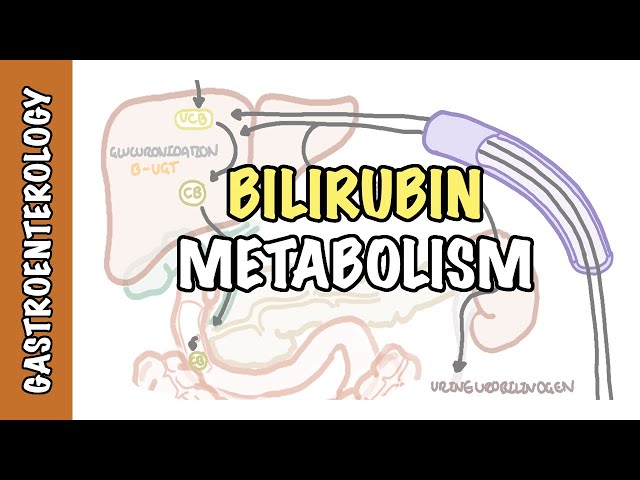
Bilirubin Metabolism – unconjugated and conjugated bilirubin
Learn how bilirubin is formed and processed in the body, distinguishing between unconjugated and conjugated forms. This video explains the steps of bilirubin metabolism, its transport, hepatic conjugation, and clinical relevance in conditions like jaundice.
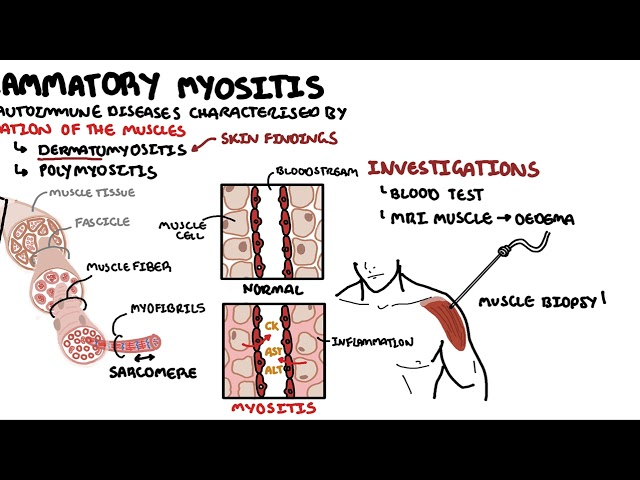
Understanding Inflammatory Myopathies – Dermatomyositis, Polymyositis, Antisynthetase syndrome
Inflammatory myopathies are a group of autoimmune diseases characterized by inflammation of the muscles, leading to muscle weakness and atrophy. The two most commonly recognized types are dermatomyositis and polymyositis. Typically presenting with proximal muscle weakness. Difference is that dermatomyositis has skin changes.
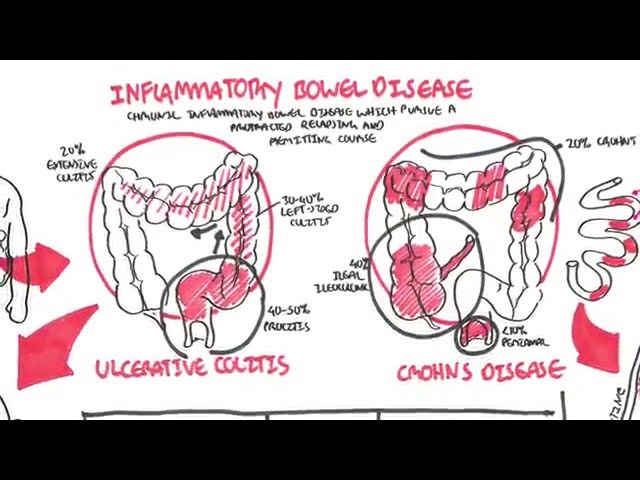
Inflammatory Bowel Disease (Overview, Crohn's and Ulcerative Colitis)
This video explains Inflammatory Bowel Disease (IBD), highlighting the key differences between Crohn’s disease and Ulcerative Colitis in terms of pathology, symptoms, and affected areas. Learn about their causes, complications, and current treatment strategies.
Our mission
Medical science is complex. Understanding it should feel possible.
Armando Hasudungan turns difficult medical science into clear visual explanations and connected learning experiences—so learners can see the whole picture, remember what matters and find a clearer way forward.
See it clearly
Turn abstract processes and invisible relationships into something the learner can picture.
Connect the pieces
Build understanding around how concepts fit together—not a pile of isolated facts.
Make it useful
Help learners move from explanation to recall, revision and the next logical step.
What clarity feels like
When the topic stops being a blur.
Learners do not come back because the subject became easy. They come back because the explanation gave them a picture they could work with.
“Armando's teaching style gives me the foundational knowledge.
Jessica Payne-Burnett
Medical Student, Charles Sturt University
“The notes I make during his videos help me retain everything better.
Ayesha RaiStudent, Islamabad Medical and Dental College
“The drawings are amazing and super easy to remember.
Reem Mohamed Khair Abdalrazig
Student, Neelain University
Coming soon: the AH study platform
The explanation is only the start.
The free library helps you find a clear explanation. The AH platform is being built to help you connect the resources, follow a clearer path and check what actually stuck.
- Watch in a focused, ad-free study environment.
- Move between connected videos, notes, diagrams and questions.
- Know what belongs next instead of rebuilding the study path yourself.
- Test your understanding while the topic is still fresh.
New and worth a look
Keep building the picture.
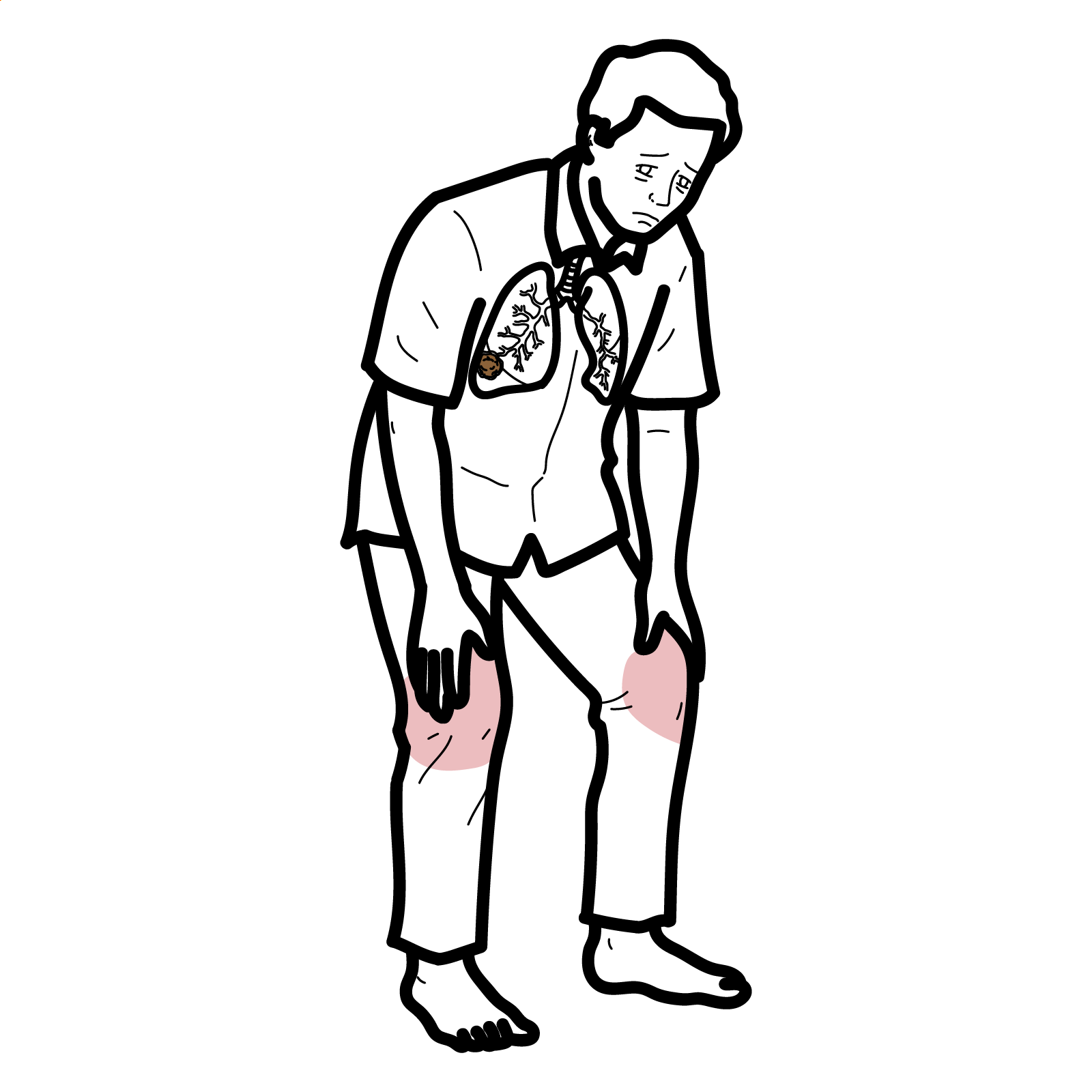
Lambert-Eaton Myasthenic Syndrome
Overview Lambert–Eaton myasthenic syndrome (LEMS) is a rare autoimmune disorder of the presynaptic neuromuscular junction. It causes impaired acetylcholine release, producing the characteristic triad of proximal muscle weakness, reduced reflexes and autonomic dysfunction. LEMS may occur as a paraneoplastic syndrome—most commonly associated with small-cell lung cancer (SCLC)—or as a non-tumour-associated autoimmune disorder. Neuromuscular junction: connection…
View this topic ↗About Visualising Medicine
Good education does not remove complexity. It makes complexity feel simple.
Visualising Medicine is the team behind Armando Hasudungan. We bring together medicine, illustration, writing and technology to make difficult ideas clearer—and build better ways for learners to use them.