

Visual explanationFree resource
Visual medical education by Armando Hasudungan
Medical science, drawn into focus.
Explore visual explanations that reveal how the facts, processes and clinical patterns fit together—then discover the coming AH study platform, built to guide what you study next and check what stuck.
Connected studyComing soon
Clear visual explanations used by medical and allied-health learners around the world.
Explore the free library
Start with the topic in front of you.
Browse by subject or jump straight into the explanation you need. No account required.
Deep Vein Thrombosis
Overview Deep vein thrombosis (DVT) is the formation of a blood clot in a vein deep under the skin 25-50% of surgical patients and many non-surgical patients. 65% of DVT are below the knee are symptomatic and rarely embolism to the lung. There are many causes of DVT. Thrombus: blood clot Thrombosis: blood clot that forms in…
View topic ↗Psoriatic Arthritis
Overview Psoriatic arthritis (PsA) is a chronic, immune-mediated inflammatory arthritis associated with psoriasis, affecting up to 30% of patients with skin psoriasis. It commonly presents in adults aged 30–50 years, with equal gender distribution. The disease is highly variable, involving peripheral joints, axial skeleton, entheses, and skin/nails. Delay in diagnosis is common and can result…
View topic ↗Hodgkins Lymphoma
Overview Hodgkin lymphoma (HL) arises from germinal center or post-germinal center B cells. HL has a unique cellular composition, containing a minority of neoplastic cells ( Reed-Sternberg cells and their variants) in an inflammatory background. Reed-Sternberg cell is a characteristic feature of HL. Epidemiology Lymphoma is divided into Hodgkins and Non-Hodgkins Hodgkins lymphoma accounts for…
View topic ↗Parkinson's Disease
Overview Parkinson’s disease is a progressive neurodegenerative disorder characterised by tremor, rigidity, bradykinesia, and a wide spectrum of non-motor symptoms including sleep disorders, hyposmia, bladder and bowel dysfunction, fatigue, dementia, and other neuropsychiatric symptom. Although the disease has no cure, available treatments effectively control motor symptoms and improve quality of life. Parkinson disease affects approximately 1…
View topic ↗Umbilical Hernia
Overview Umbilical hernias are one of the most common surgical conditions in infants and children. In infantile umbilical hernia there is a pathological failure of obliteration of umbilical defect. Umbilical hernia can also occur in adults and is usually acquired due to increased intrabdominal pressure due to obesity, pregnancy, ascites. Management is surgery. Hernia: A bulge or protrusion of…
View topic ↗Reactive Arthritis
Overview Reactive arthritis is a seronegative spondyloarthropathy that occurs after a genitourinary or gastrointestinal infection, typically presenting as an asymmetric oligoarthritis, often with associated conjunctivitis and urethritis (formerly Reiter’s syndrome). It most commonly affects young adults aged 20–40 and shows a strong association with HLA-B27. Incidence is estimated at 30–40 per 100,000, with higher rates…
View topic ↗Pneumonia
Overview Pneumonia is infection in the lower respiratory tract and is characterised by fevers, purulent sputum, leucocytosis, low oxygen levels and new lung infiltrates (consolidation) on radiographic imaging. The infection is identified by the site of consolidation. Consolidation is where the lung tissue is filled with fluid (ie. water, blood, pus, microbes). Types of pneumonia…
View topic ↗Full resource library
Browse all topics ↗Choose how you learn
One idea. More than one way to see it.
Use the format that helps the topic click, then switch formats when you need to reinforce it.
01 / WATCH02 / READ03 / SEE04 / CHECK
Videos
Hand-drawn explanations that build the big picture as the concept unfolds.
Notes
Clear written explanations for review, reference and filling in the details.
Diagrams
Visual snapshots that help you easily review topics.
Questions
Test whether the explanation stayed with you—not just whether it looked familiar.
Good places to begin
Explanations learners return to.
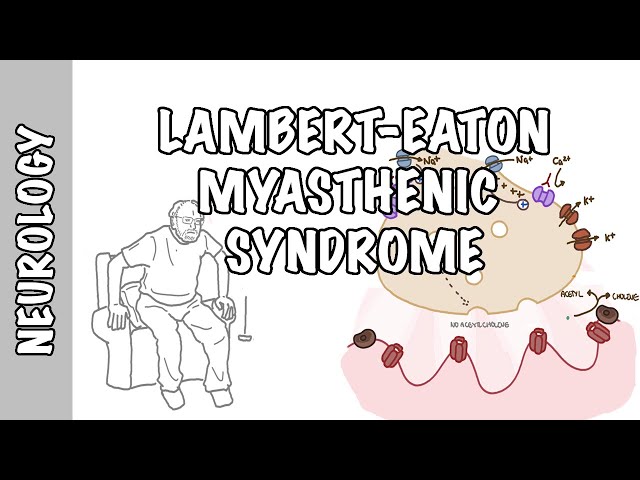
Lambert-Eaton Myasthenic Syndrome – pathophysiology, signs and symptoms and treatment
Learn about Lambert-Eaton Myasthenic Syndrome (LEMS), a rare autoimmune disorder affecting neuromuscular transmission due to impaired calcium channel function. This video explains its pathophysiology, hallmark signs such as proximal muscle weakness and autonomic symptoms, along with current diagnostic and treatment strategies.
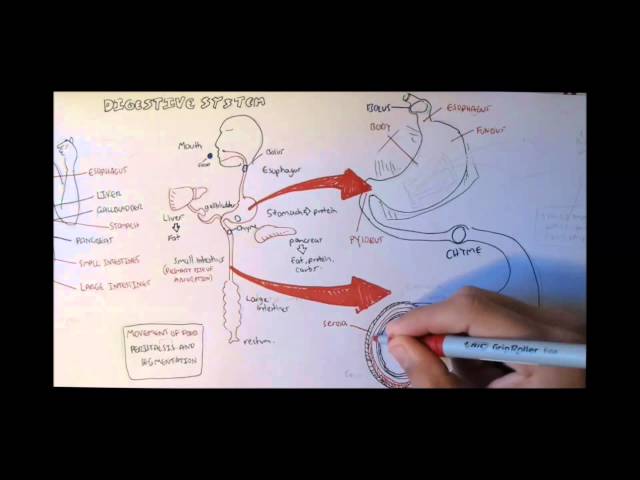
Digestive System Anatomy
Explore the anatomy of the digestive system, covering major organs and tissue layers from mouth to anus. This high-yield video also provides a brief overview of gastrointestinal physiology, ideal for exam prep like the USMLE, NCLEX, or NEET.
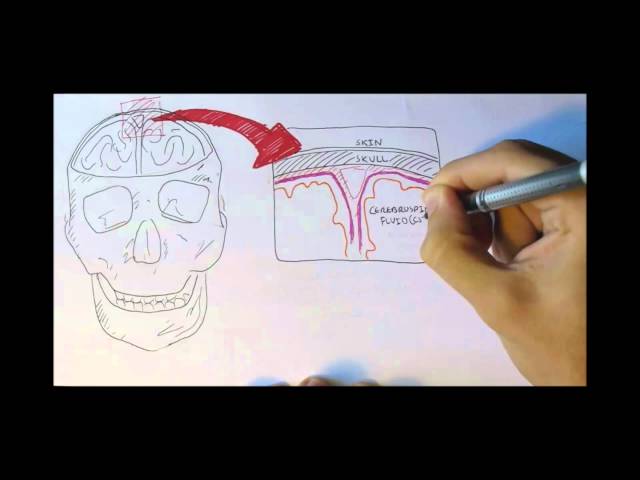
Neurology – Physiology Overview
Get a clear, high-yield overview of neurology physiology, covering key concepts like action potentials, neurotransmission, and synaptic integration. Ideal for medical students and anyone preparing for exams like the USMLE or PLAB.
Our mission
Medical science is complex. Understanding it should feel possible.
Armando Hasudungan turns difficult medical science into clear visual explanations and connected learning experiences—so learners can see the whole picture, remember what matters and find a clearer way forward.
See it clearly
Turn abstract processes and invisible relationships into something the learner can picture.
Connect the pieces
Build understanding around how concepts fit together—not a pile of isolated facts.
Make it useful
Help learners move from explanation to recall, revision and the next logical step.
What clarity feels like
When the topic stops being a blur.
Learners do not come back because the subject became easy. They come back because the explanation gave them a picture they could work with.
“Armando's teaching style gives me the foundational knowledge.
Jessica Payne-Burnett
Medical Student, Charles Sturt University
“The notes I make during his videos help me retain everything better.
Ayesha RaiStudent, Islamabad Medical and Dental College
“The drawings are amazing and super easy to remember.
Reem Mohamed Khair Abdalrazig
Student, Neelain University
Coming soon: the AH study platform
The explanation is only the start.
The free library helps you find a clear explanation. The AH platform is being built to help you connect the resources, follow a clearer path and check what actually stuck.
- Watch in a focused, ad-free study environment.
- Move between connected videos, notes, diagrams and questions.
- Know what belongs next instead of rebuilding the study path yourself.
- Test your understanding while the topic is still fresh.
New and worth a look
Keep building the picture.
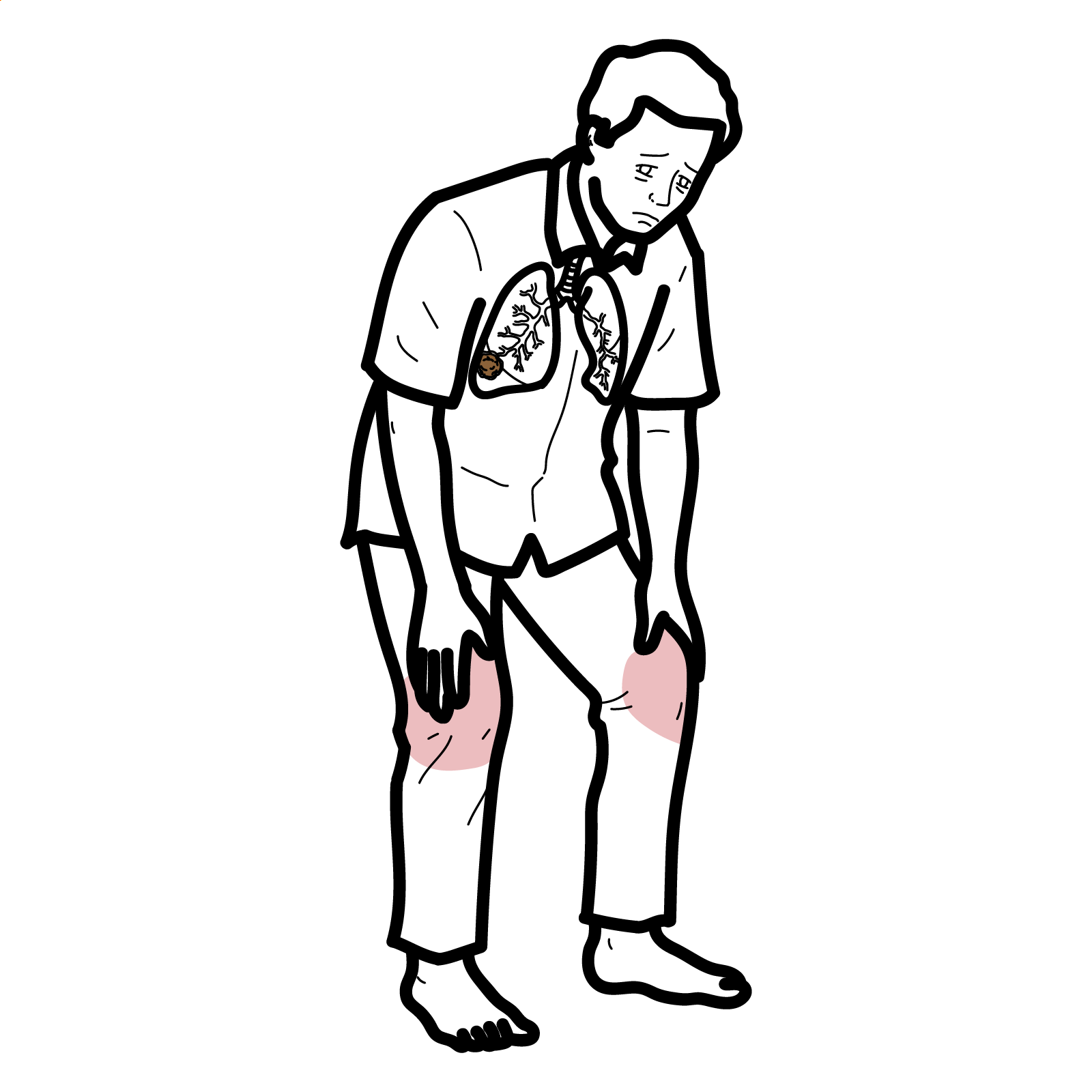
Lambert-Eaton Myasthenic Syndrome
Overview Lambert–Eaton myasthenic syndrome (LEMS) is a rare autoimmune disorder of the presynaptic neuromuscular junction. It causes impaired acetylcholine release, producing the characteristic triad of proximal muscle weakness, reduced reflexes and autonomic dysfunction. LEMS may occur as a paraneoplastic syndrome—most commonly associated with small-cell lung cancer (SCLC)—or as a non-tumour-associated autoimmune disorder. Neuromuscular junction: connection…
View this topic ↗About Visualising Medicine
Good education does not remove complexity. It makes complexity feel simple.
Visualising Medicine is the team behind Armando Hasudungan. We bring together medicine, illustration, writing and technology to make difficult ideas clearer—and build better ways for learners to use them.