

Visual explanationFree resource
Visual medical education by Armando Hasudungan
Medical science, drawn into focus.
Explore visual explanations that reveal how the facts, processes and clinical patterns fit together—then discover the coming AH study platform, built to guide what you study next and check what stuck.
Connected studyComing soon
Clear visual explanations used by medical and allied-health learners around the world.
Explore the free library
Start with the topic in front of you.
Browse by subject or jump straight into the explanation you need. No account required.
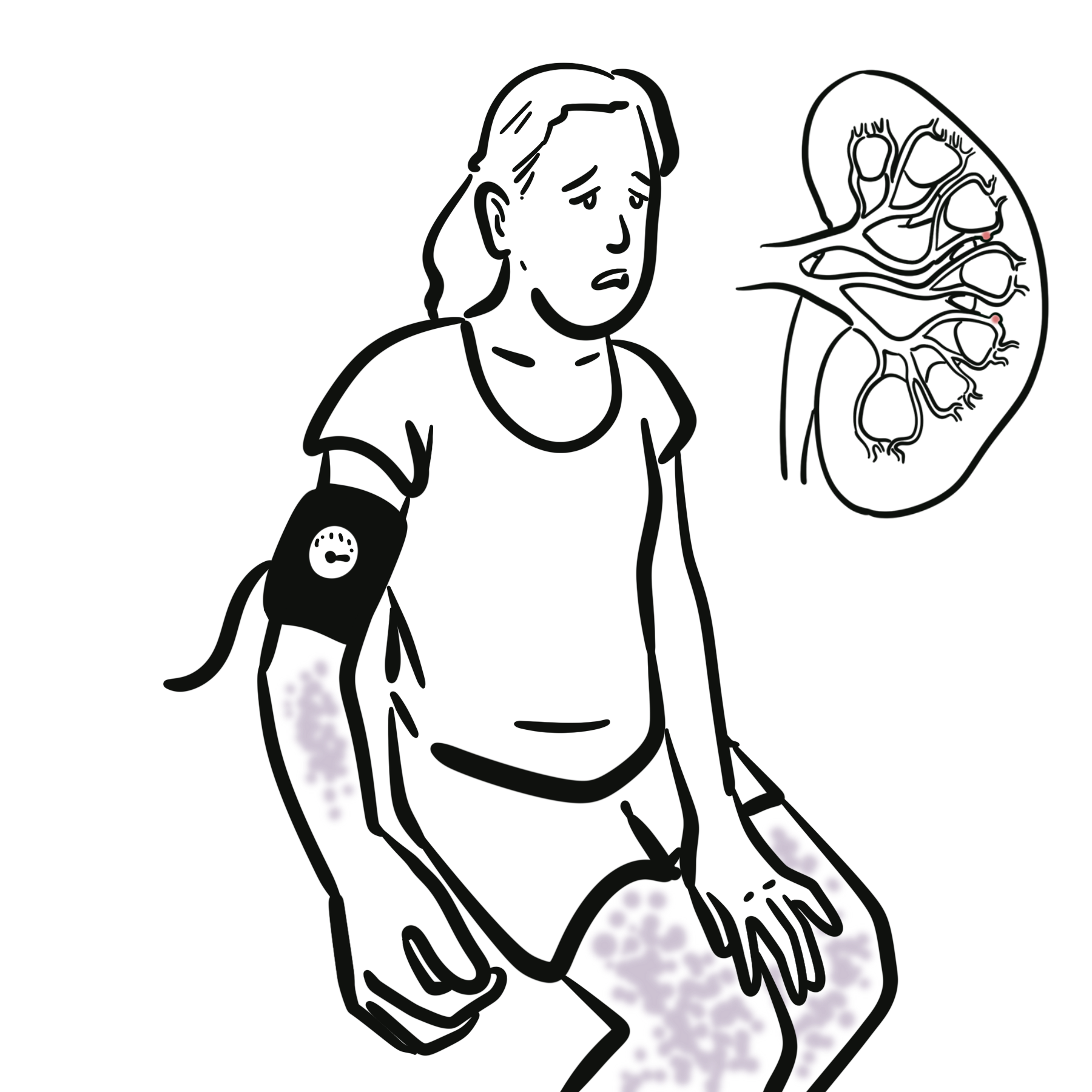
Polyarteritis Nodosa
Overview Polyarteritis Nodosa (PAN) is a necrotising vasculitis that affects medium-sized muscular arteries, leading to transmural inflammation, fibrinoid necrosis, and subsequent aneurysm formation or ischemia. It does not involve arterioles, capillaries, or venules, and is not associated with ANCA. PAN can affect any organ except the lungs. It typically presents in middle-aged adults, more commonly…
View topic ↗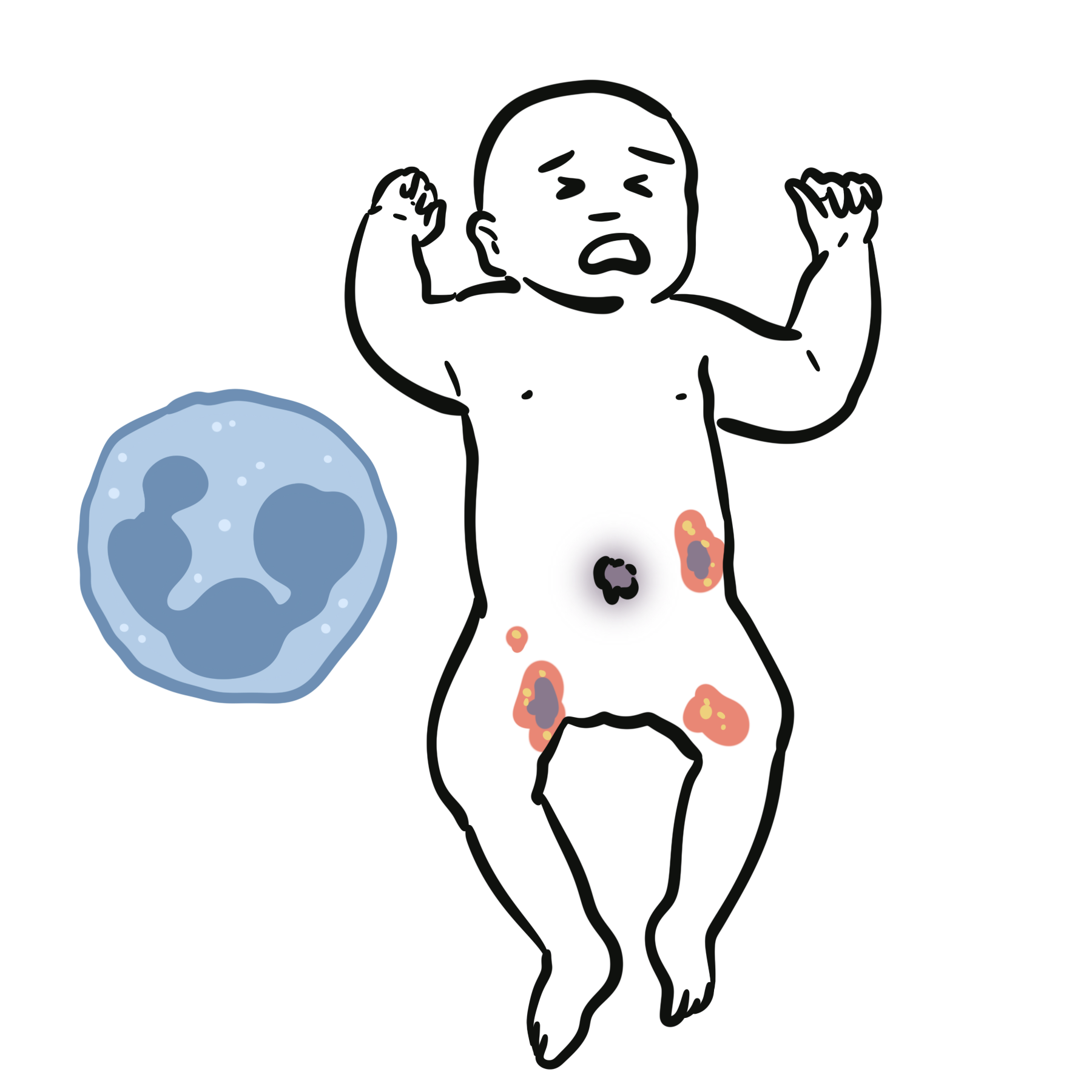
Leukocyte Adhesion Deficiency
Overview Leukocyte adhesion deficiency (LAD) is a rare primary immunodeficiency characterised by recurrent bacterial and fungal infections, impaired wound healing, and absence of pus formation due to defective leukocyte adhesion and migration. It results from genetic defects in leukocyte integrins or signalling pathways, preventing neutrophil extravasation from blood vessels into tissues. LAD has an estimated…
View topic ↗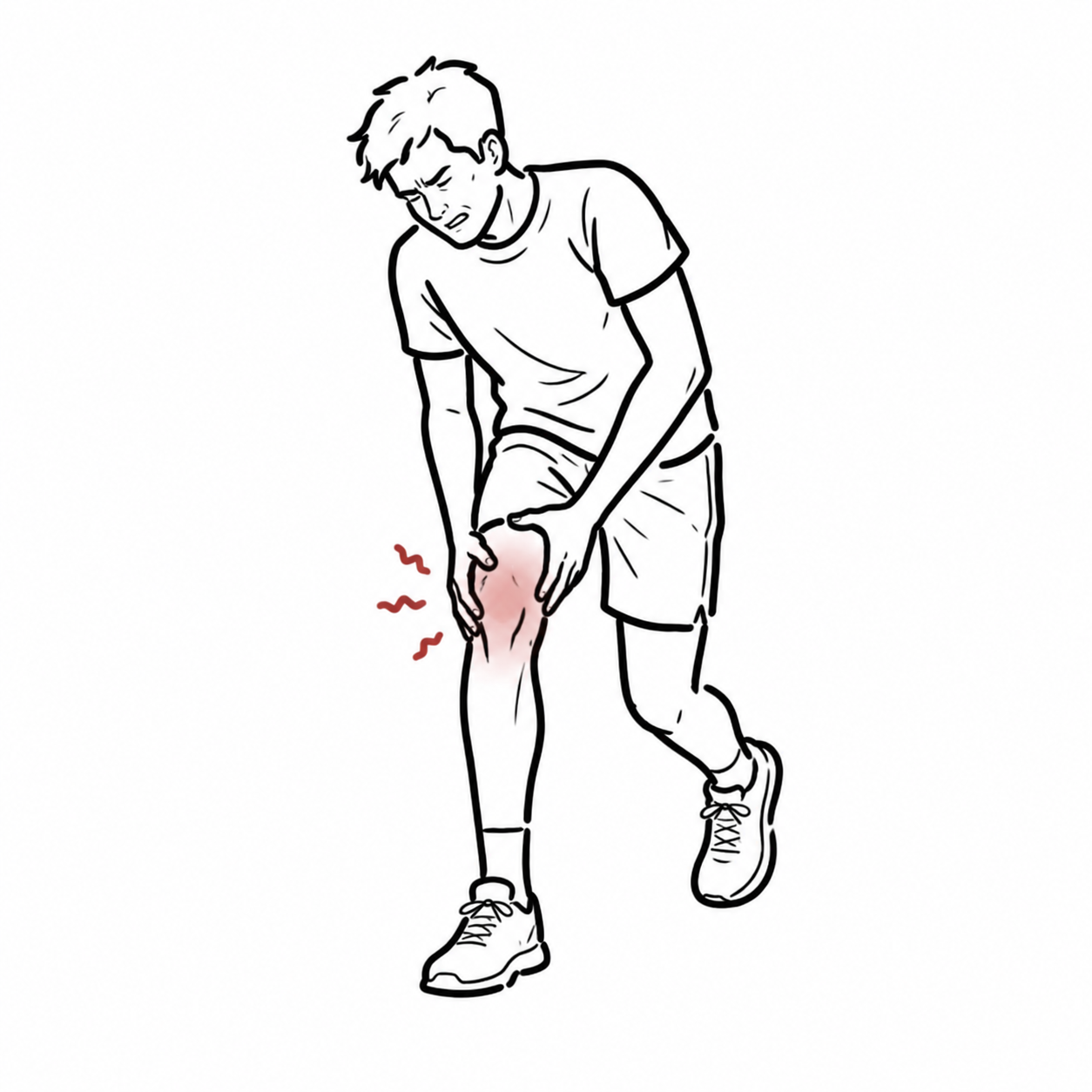
ACL Tear
Overview Anterior cruciate ligament (ACL) tear is one of the most common knee injuries, particularly in young athletes involved in pivoting sports (soccer, basketball, skiing). ACL injuries account for ~50% of all knee ligament injuries, with an incidence of ~68 per 100,000 annually, more common in females due to anatomical and biomechanical risk factors. ACL…
View topic ↗
Biliary Atresia
Overview Biliary atresia is a progressive fibro-inflammatory disorder of infancy in which the extrahepatic bile ducts—and variably the intrahepatic ducts—become obliterated. This prevents bile from draining from the liver, producing conjugated hyperbilirubinaemia, progressive hepatic fibrosis and, without treatment, cirrhosis and liver failure. Affected infants often appear well during the first weeks of life. Persistent jaundice…
View topic ↗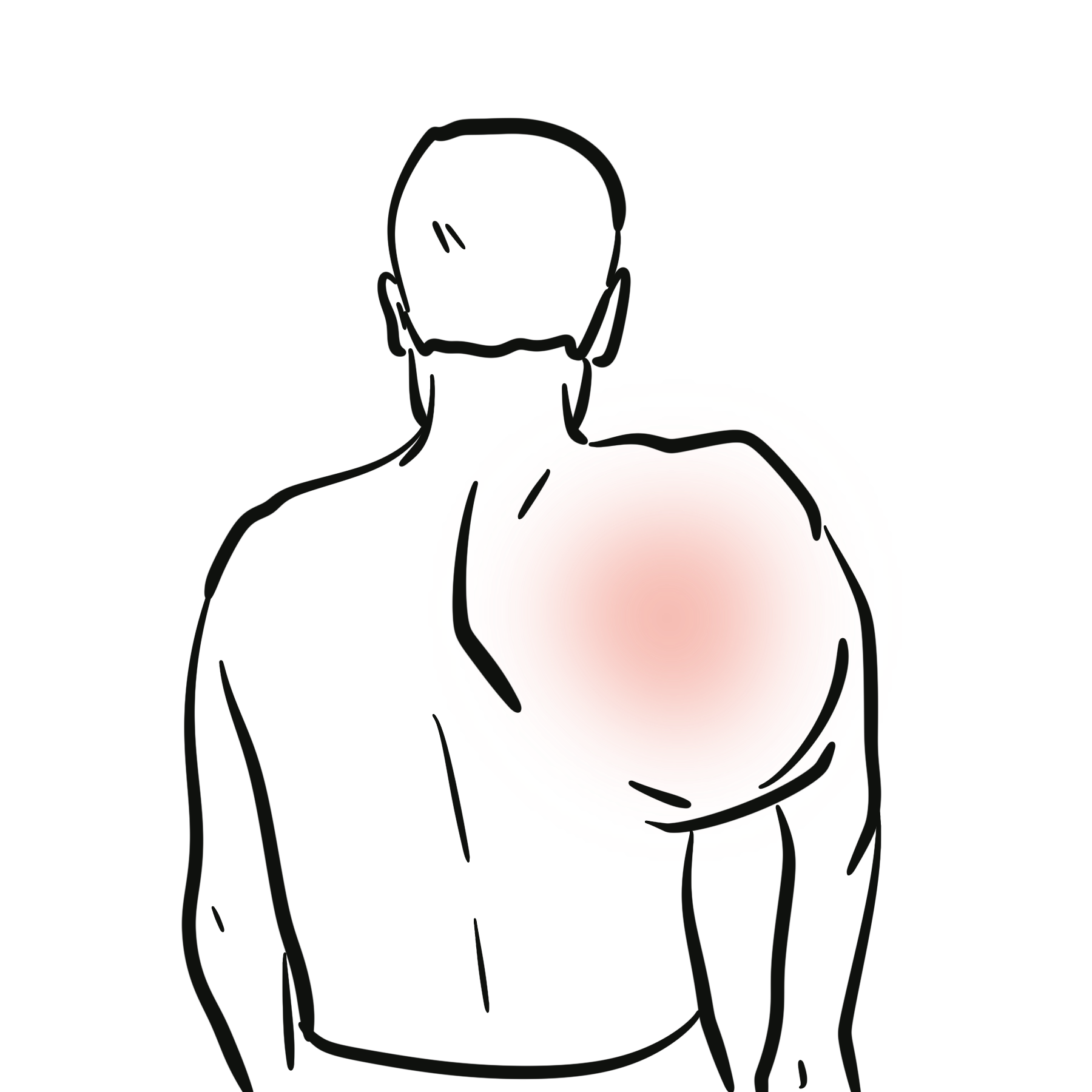
Chondrosarcoma
Overview Chondrosarcoma is a malignant bone tumour in which neoplastic cells produce cartilage matrix. It encompasses a biologically diverse group ranging from locally aggressive, low-grade tumours to high-grade sarcomas with substantial metastatic potential. Chondrosarcoma is among the most common primary malignant bone tumours and predominantly affects adults, particularly those older than 40 years. Conventional chondrosarcoma…
View topic ↗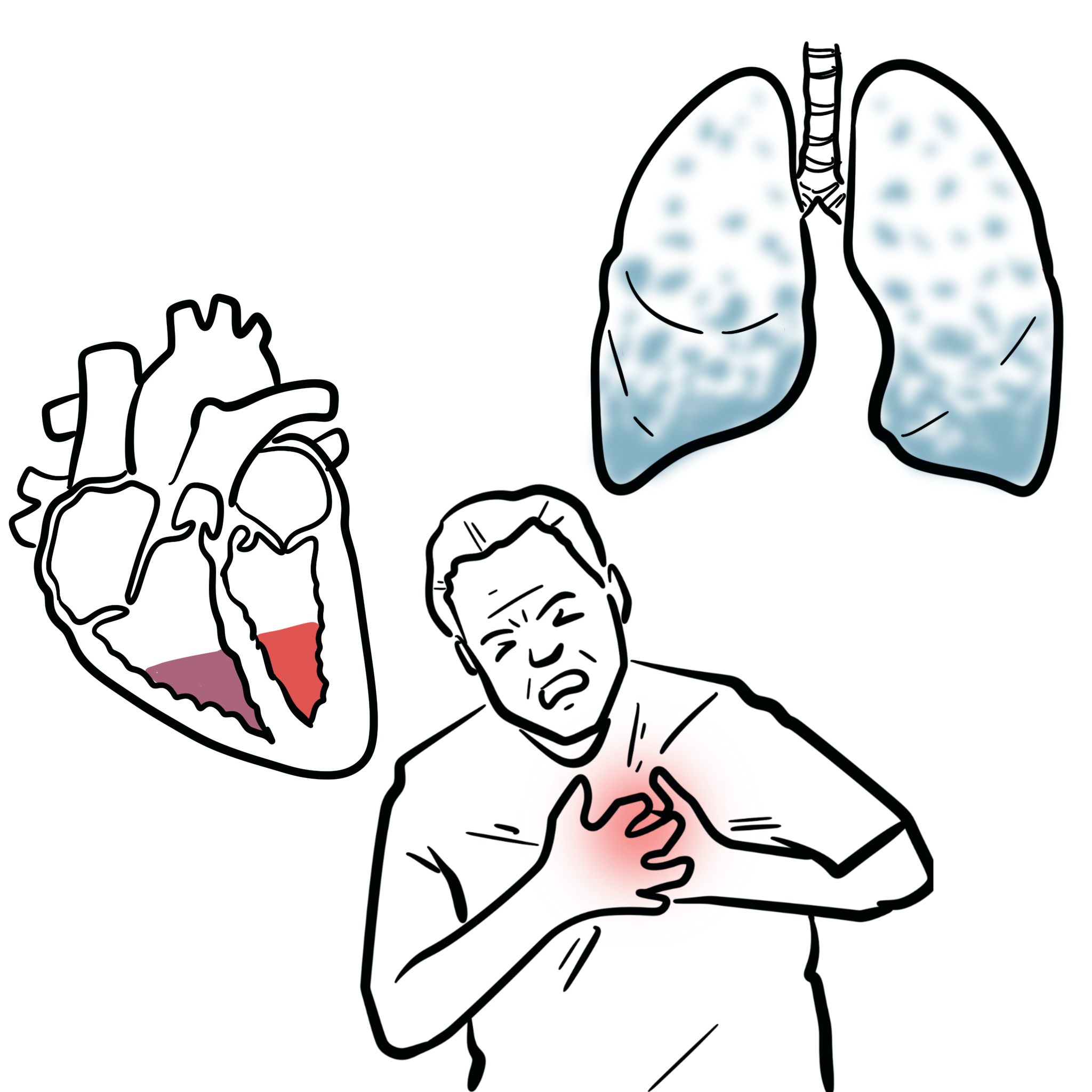
Acute Heart Failure
Overview Acute Heart Failure (AHF) is a life-threatening medical emergency defined as the rapid onset or sudden worsening of symptoms and signs of heart failure. It results from severe cardiac dysfunction leading to inadequate systemic cardiac output, elevated intracardiac pressures, or both. AHF can present either as de novo heart failure in a patient without…
View topic ↗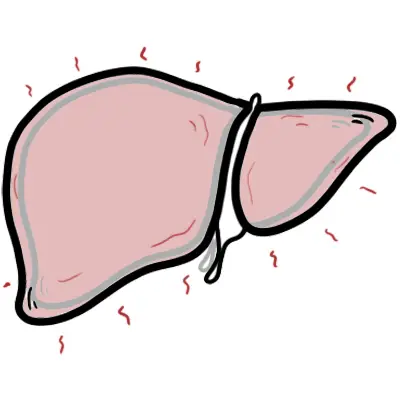
Acute Liver (Hepatic) Failure
Overview Acute liver failure is a rare but life-threatening critical illness that occurs most often in patients who do not have preexisting liver disease. Acute liver failure is seen most commonly in previously healthy adults in their 30s and presents unique challenges in clinical management. The clinical presentation usually includes hepatic dysfunction, abnormal liver biochemical…
View topic ↗Full resource library
Browse all topics ↗Choose how you learn
One idea. More than one way to see it.
Use the format that helps the topic click, then switch formats when you need to reinforce it.
01 / WATCH02 / READ03 / SEE04 / CHECK
Videos
Hand-drawn explanations that build the big picture as the concept unfolds.
Notes
Clear written explanations for review, reference and filling in the details.
Diagrams
Visual snapshots that help you easily review topics.
Questions
Test whether the explanation stayed with you—not just whether it looked familiar.
Good places to begin
Explanations learners return to.
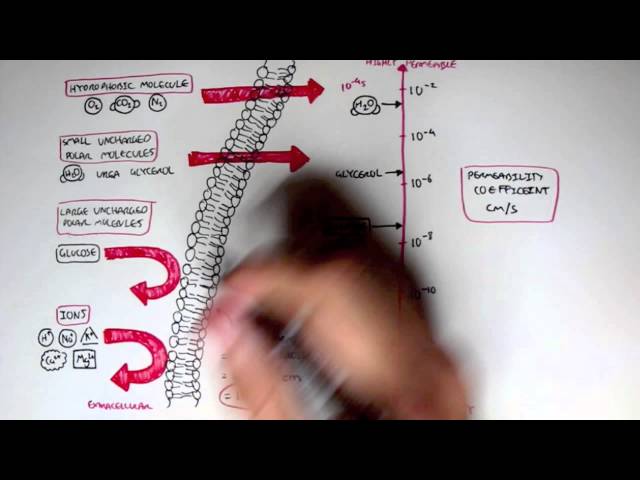
Membrane Transport
Understand the core principles of Membrane Transport, including passive and active mechanisms, carrier proteins, and ion channels. This educational video breaks down essential concepts like diffusion, osmosis, and ATP-dependent transport—perfect for physiology review and medical exam preparation.
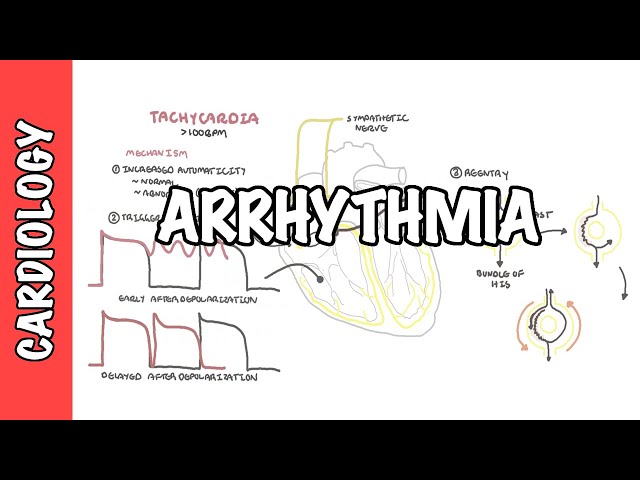
Arrhythmia Overview – Mechanism of bradyarrhythmia and tachyarrhythmia
Explore the fundamentals of cardiac arrhythmias, focusing on the mechanisms behind bradyarrhythmias (slow heart rhythms) and tachyarrhythmias (fast heart rhythms). This video breaks down the electrical disturbances, conduction system abnormalities, and common causes that lead to rhythm disorders.
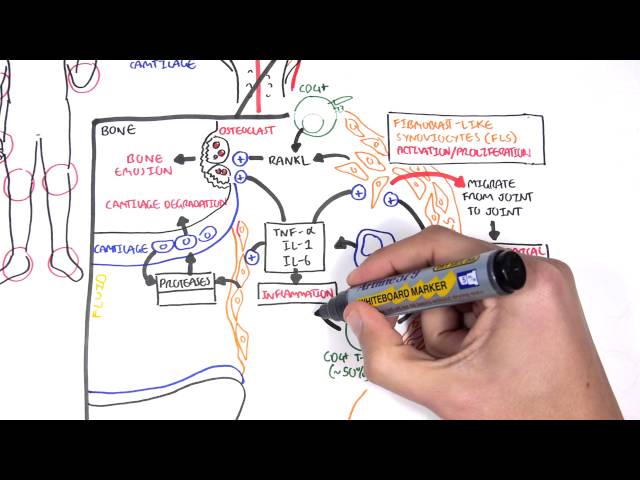
Rheumatoid Arthritis Pathophysiology (signs and symptoms)
Explore the underlying pathophysiology of Rheumatoid Arthritis, focusing on immune system dysfunction, synovial inflammation, and joint damage. This video also highlights the key clinical signs and symptoms to aid early recognition and diagnosis.
Our mission
Medical science is complex. Understanding it should feel possible.
Armando Hasudungan turns difficult medical science into clear visual explanations and connected learning experiences—so learners can see the whole picture, remember what matters and find a clearer way forward.
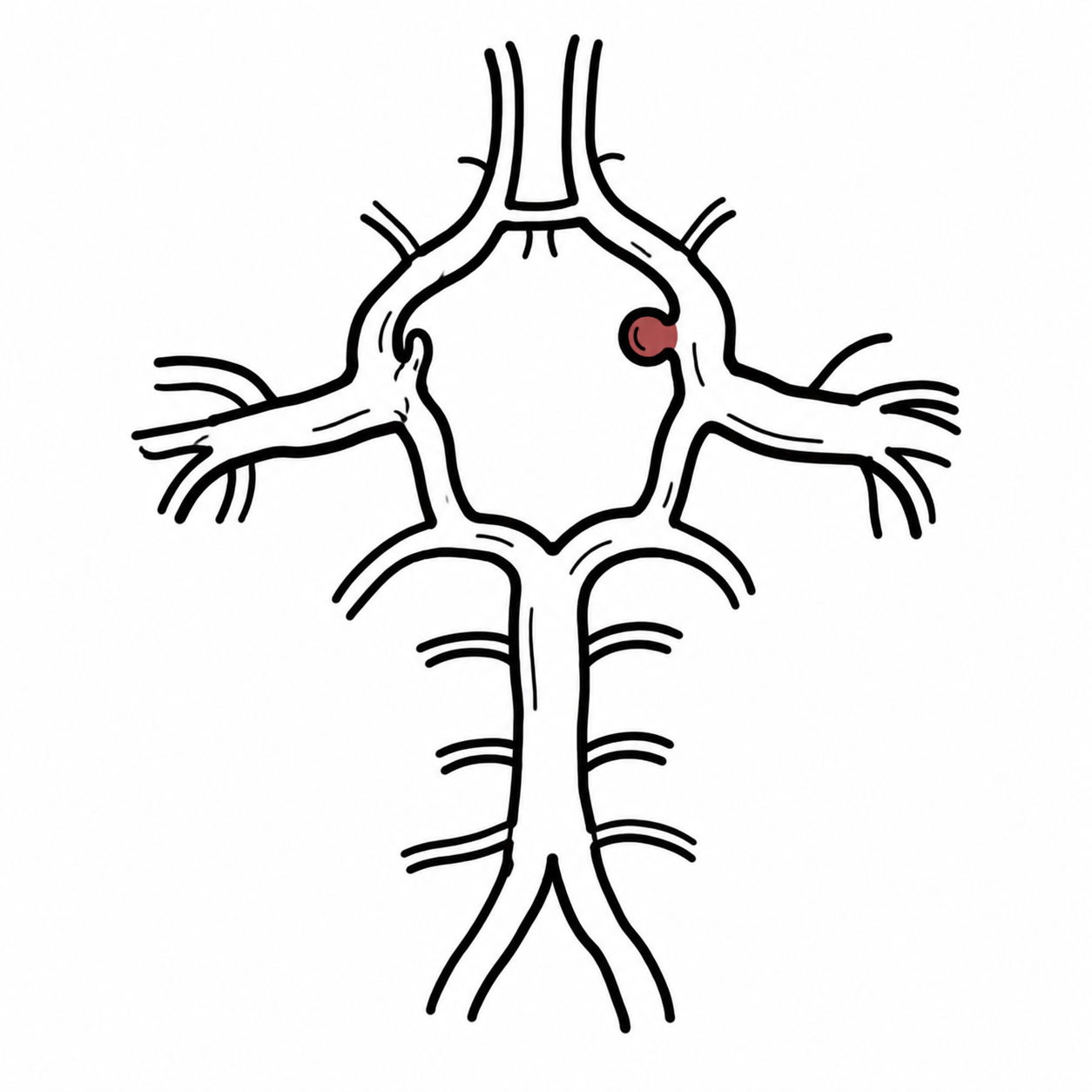
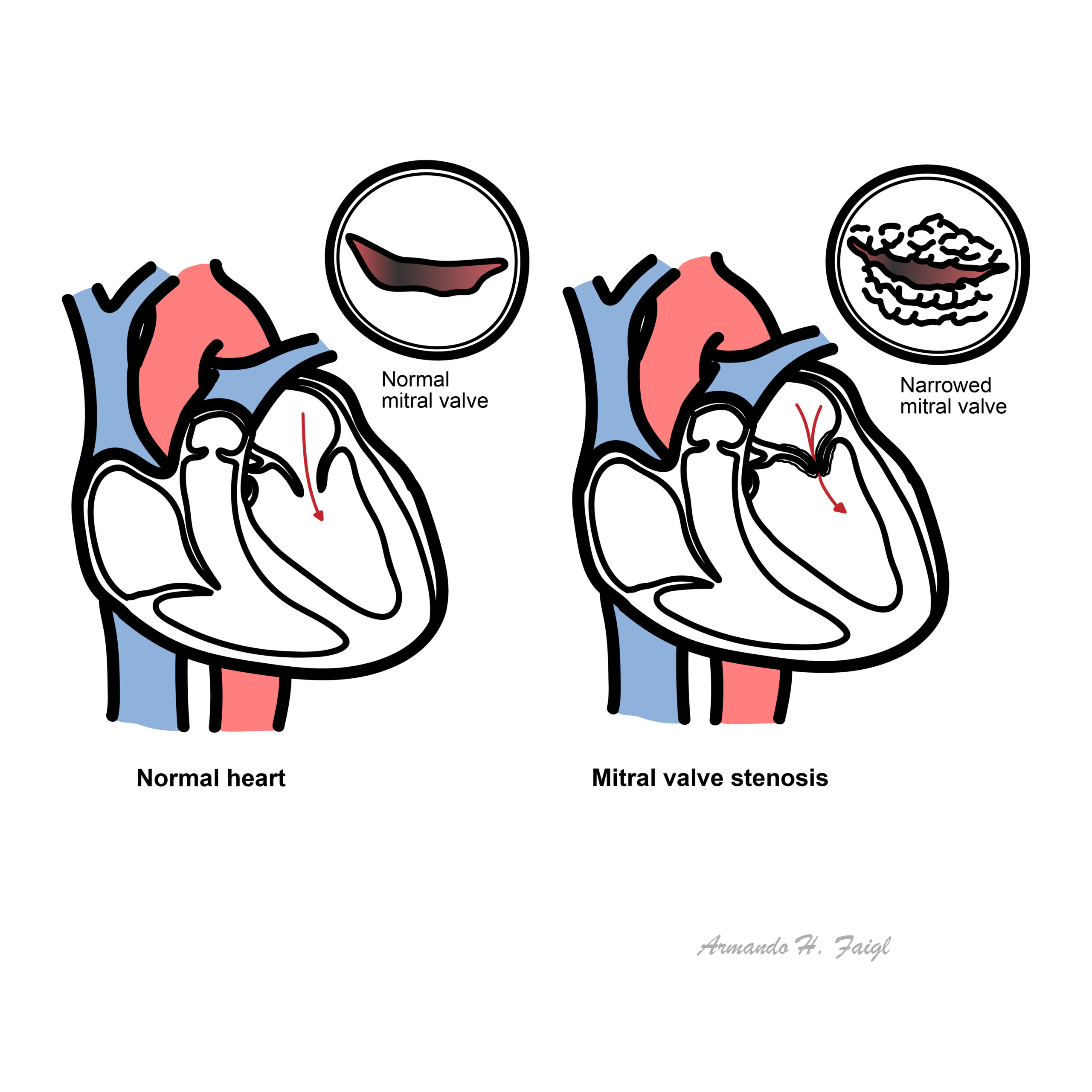
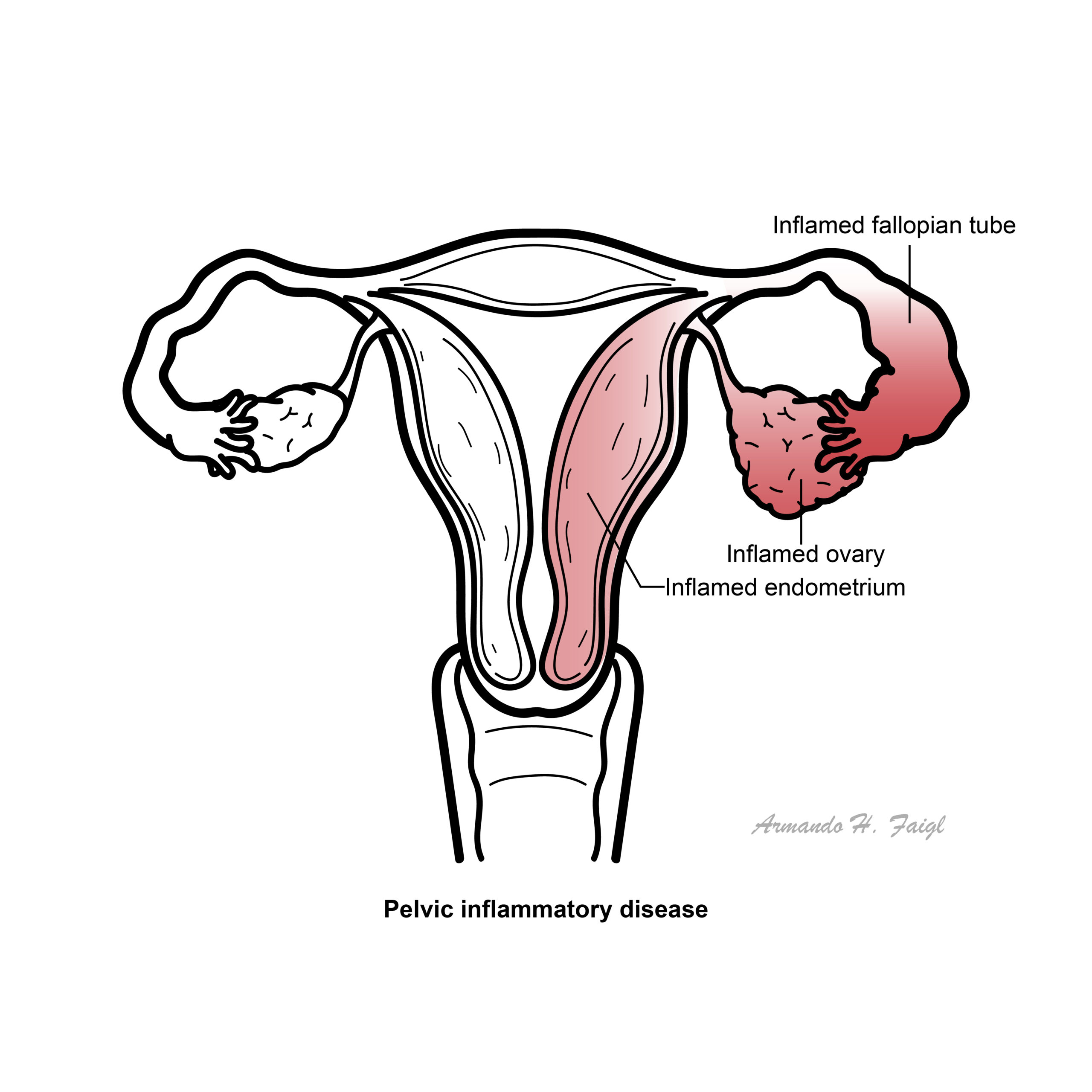
See it clearly
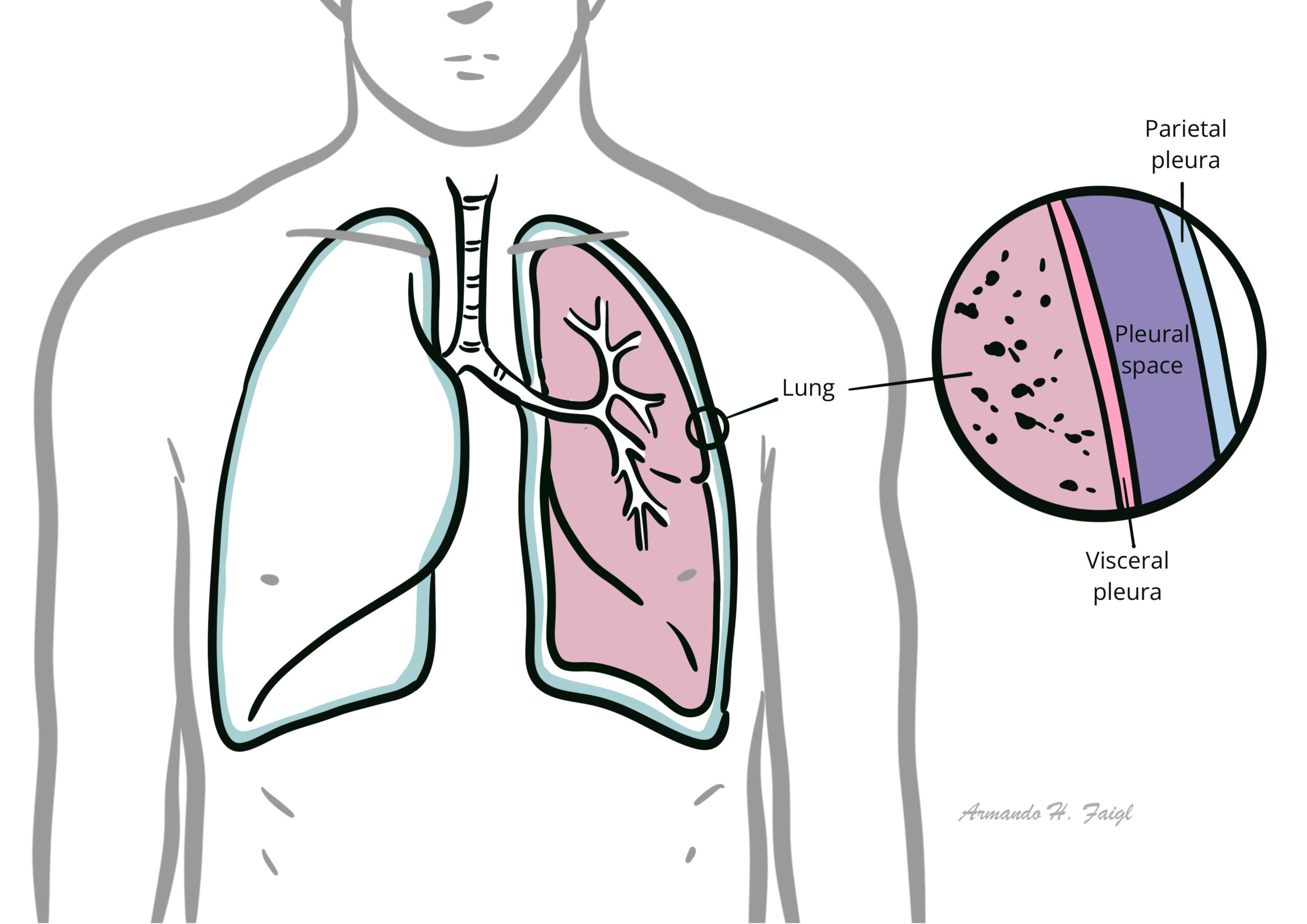
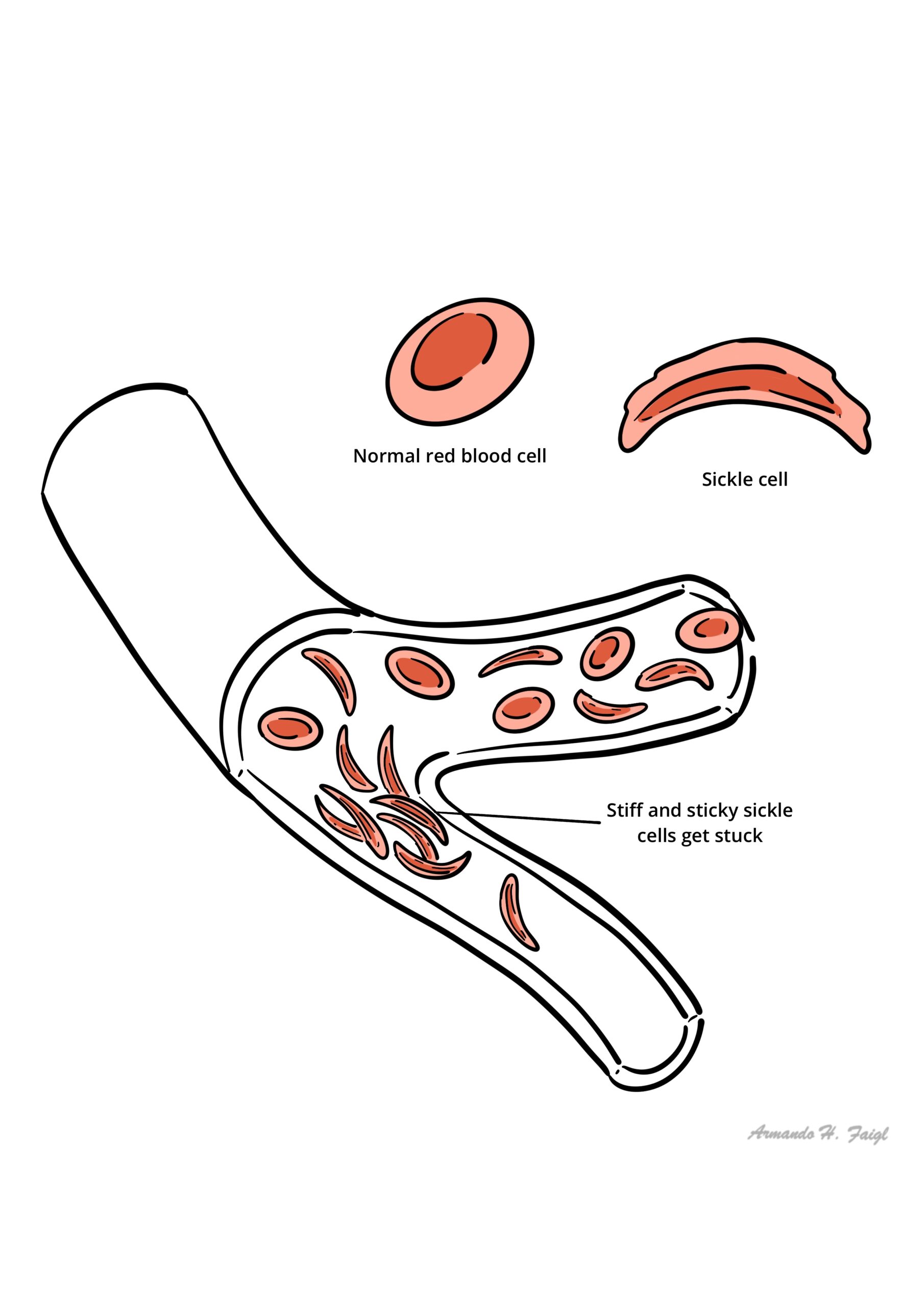
Turn abstract processes and invisible relationships into something the learner can picture.
Connect the pieces
Build understanding around how concepts fit together—not a pile of isolated facts.
Make it useful
Help learners move from explanation to recall, revision and the next logical step.
What clarity feels like
When the topic stops being a blur.
Learners do not come back because the subject became easy. They come back because the explanation gave them a picture they could work with.
“Armando's teaching style gives me the foundational knowledge.
Jessica Payne-Burnett
Medical Student, Charles Sturt University
“The notes I make during his videos help me retain everything better.
Ayesha RaiStudent, Islamabad Medical and Dental College
“The drawings are amazing and super easy to remember.
Reem Mohamed Khair Abdalrazig
Student, Neelain University
Coming soon: the AH study platform
The explanation is only the start.
The free library helps you find a clear explanation. The AH platform is being built to help you connect the resources, follow a clearer path and check what actually stuck.
- Watch in a focused, ad-free study environment.
- Move between connected videos, notes, diagrams and questions.
- Know what belongs next instead of rebuilding the study path yourself.
- Test your understanding while the topic is still fresh.
New and worth a look
Keep building the picture.

Cervical Radiculopathy
Overview Cervical radiculopathy is dysfunction of a cervical nerve root caused by irritation or compression as it leaves the spine. It commonly produces pain radiating from the neck into one arm, sometimes with paraesthesia, numbness, weakness or altered reflexes. A disc herniation or degenerative narrowing of the neural foramen is a common cause. Diagnosis is…
View this topic ↗About Visualising Medicine
Good education does not remove complexity. It makes complexity feel simple.
Visualising Medicine is the team behind Armando Hasudungan. We bring together medicine, illustration, writing and technology to make difficult ideas clearer—and build better ways for learners to use them.