

Visual explanationFree resource
Visual medical education by Armando Hasudungan
Medical science, drawn into focus.
Explore visual explanations that reveal how the facts, processes and clinical patterns fit together—then discover the coming AH study platform, built to guide what you study next and check what stuck.
Connected studyComing soon
Clear visual explanations used by medical and allied-health learners around the world.
Explore the free library
Start with the topic in front of you.
Browse by subject or jump straight into the explanation you need. No account required.
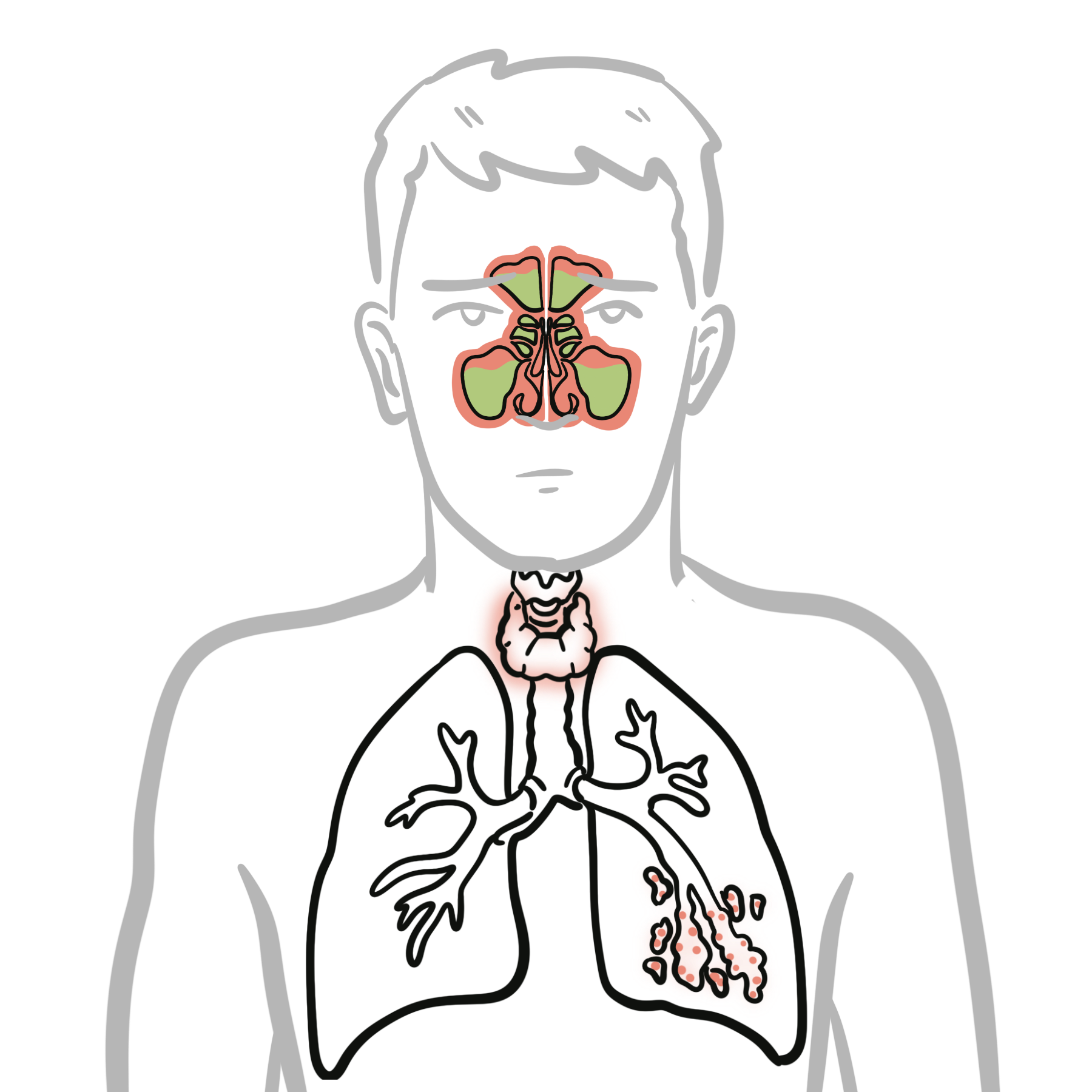
Common Variable Immunodeficiency
Overview Common Variable Immunodeficiency (CVID) is the most frequent clinically significant primary antibody deficiency, characterised by hypogammaglobulinaemia and impaired antibody responses. It typically presents with recurrent bacterial infections, autoimmunity, granulomatous disease, and an increased risk of malignancy. CVID affects both sexes equally, with a prevalence of ~1 in 25,000–50,000 individuals. Diagnosis is often delayed, with…
View topic ↗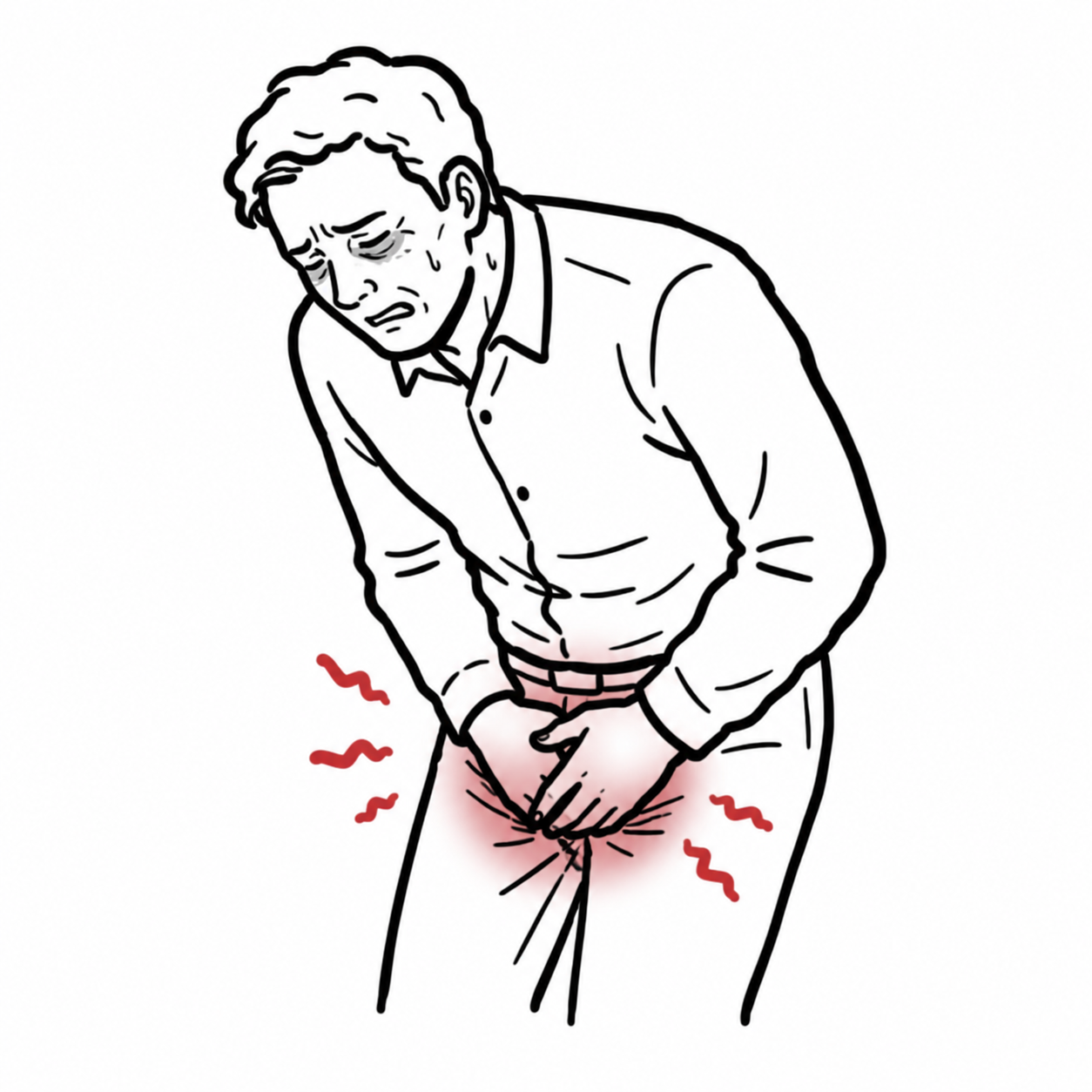
Testicular Torsion
Overview Testicular torsion is a urological emergency caused by twisting of the spermatic cord, leading to acute interruption of blood flow to the testis and rapid ischemia. It most commonly occurs in adolescents (peak 12–18 years) but can occur at any age, including neonates. The incidence is approximately 1 in 4,000 males under 25 years. Early…
View topic ↗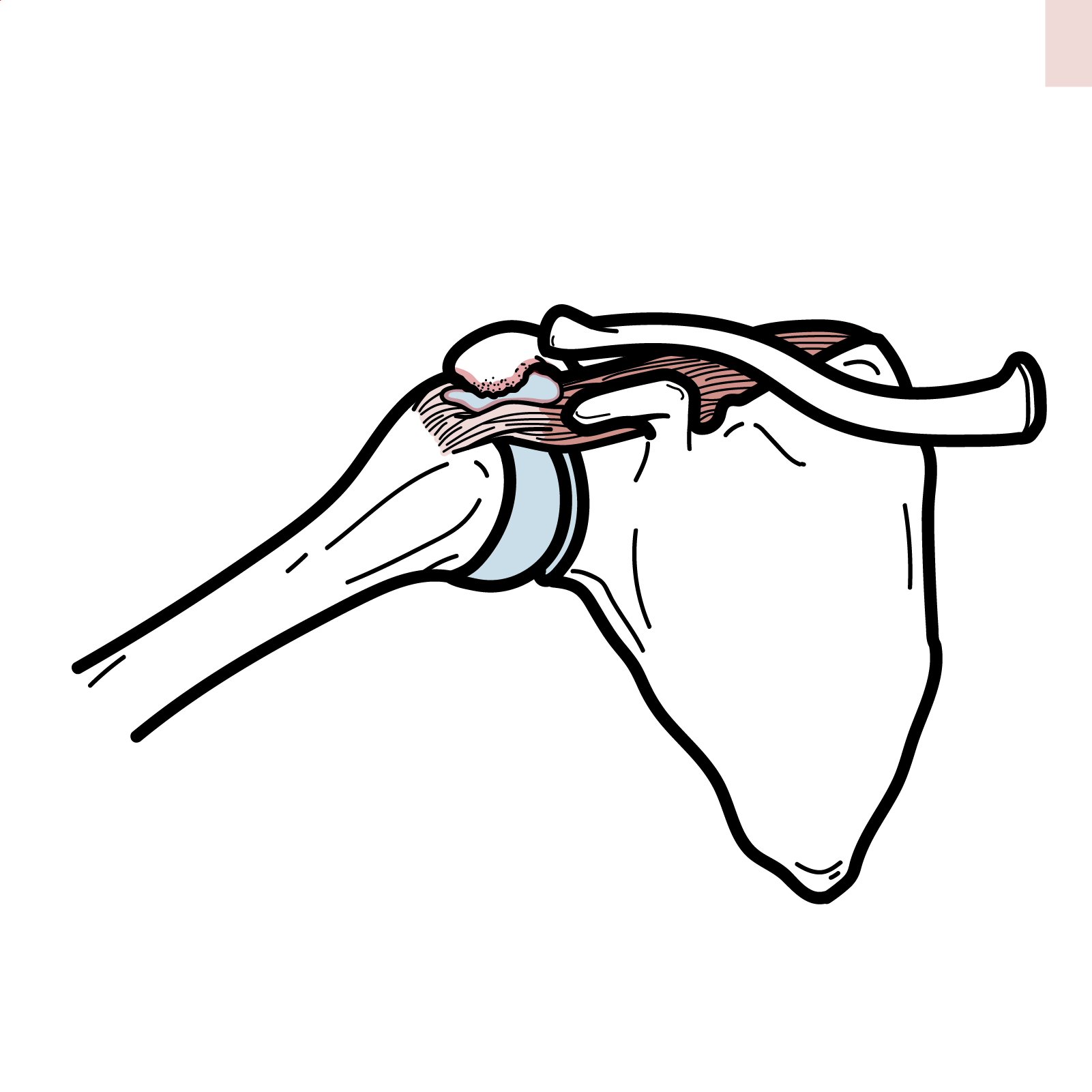
Shoulder Impingement Syndrome (Subacromial Pain Syndrome)
Overview Shoulder impingement syndrome, now more commonly referred to as subacromial pain syndrome (SAPS) , is one of the most frequent causes of shoulder pain. It accounts for ~40–65% of shoulder complaints in primary care and sports medicine settings. It occurs due to mechanical compression of the rotator cuff tendons (most commonly supraspinatus) and subacromial…
View topic ↗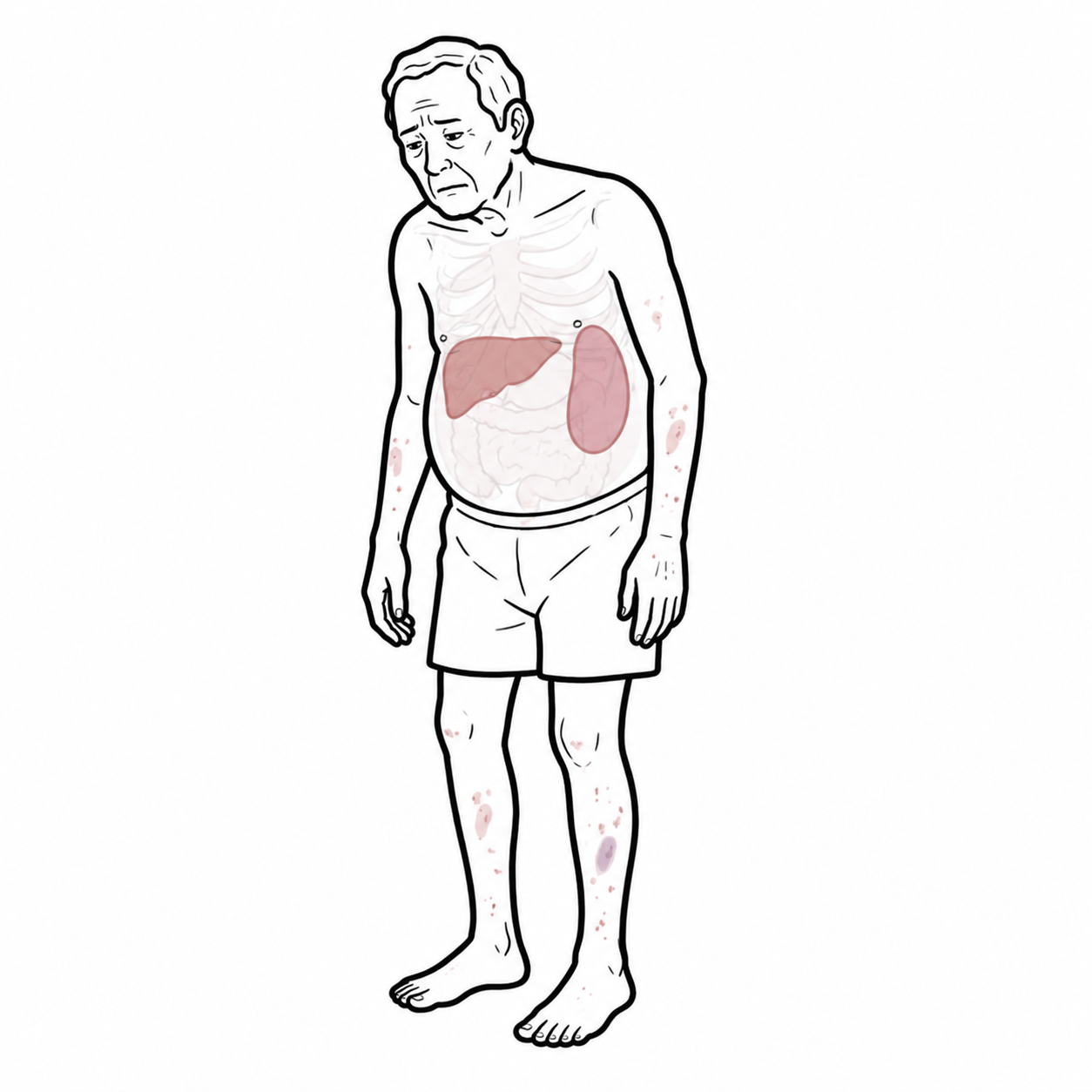
Myelofibrosis
Overview Myelofibrosis is a type of myeloproliferative diseasecharacterized by clonal myeloid expansion, followed by progressive fibrous connective tissue deposition in the bone marrow, resulting in bone marrow failure. Clonal evolution can also occur, with an increased risk of transformation to acute myeloid leukemia. In addition, disabling constitutional symptoms secondary to the high circulating levels of…
View topic ↗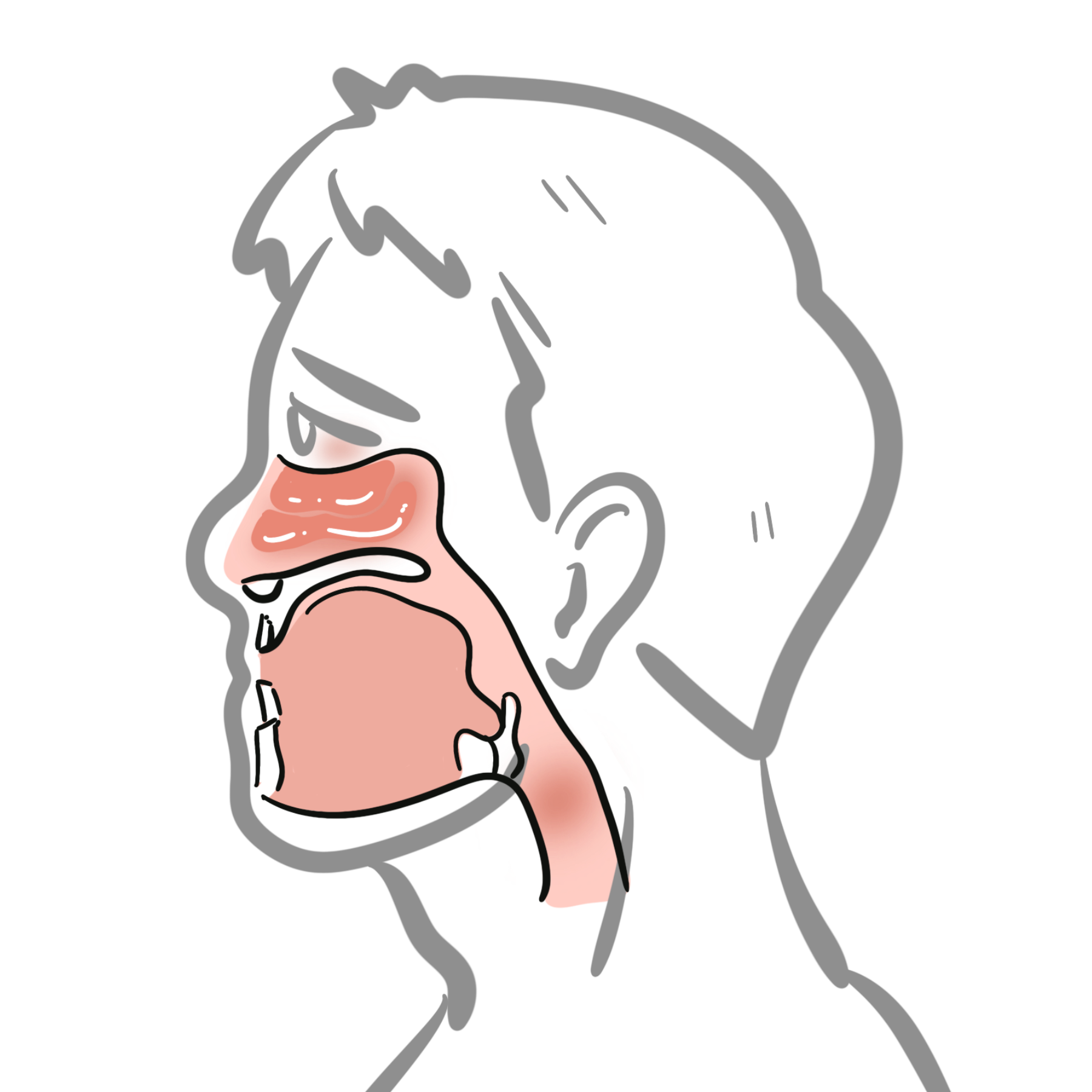
Allergic Rhinitis
Overview Allergic rhinitis is an immunoglobulin E-mediated inflammatory disorder of the nasal mucosa caused by exposure to an aeroallergen. It typically presents with sneezing, nasal itching, clear rhinorrhoea and nasal obstruction , often accompanied by allergic conjunctivitis. 1 Allergic rhinitis is the most common allergic disorder in Australia and New Zealand. In the 2022–2023 Australian…
View topic ↗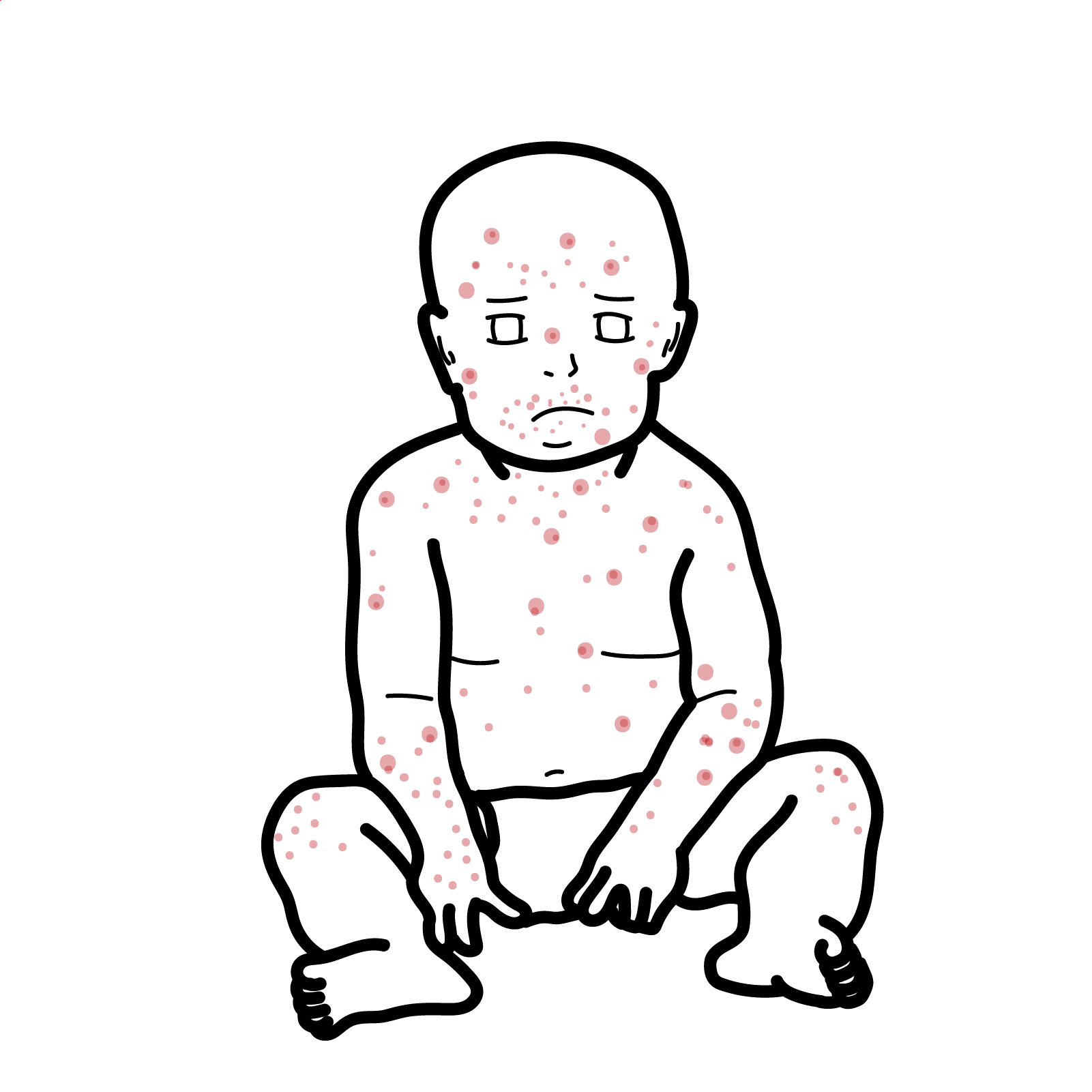
Paediatric Bacterial Cutaneous Infection
Overview Meningitis 5 year old presents with non-blanching rash, fever, headache, photophobia and neck stiffness. Aetiology Up to three months of age Group B streptococcus E-coli Listeria Three to 12 years of age Streptococcus pneumonia N. meningitidis Clinical presentation Fever Lethargy Irritability Anorexia Nausea/vomiting Photophobia Neck and back pain/rigidity Kernig sign Brudzinski sign Investigations FBC…
View topic ↗
Nephritic Syndrome
Overview Nephritic syndrome is one of two clinical patterns seen in glomerular disease. Nephritic Syndrome is characterised by haematuria, proteinuria, hypertension and oligouria. Nephritic syndrome can be further classified based on light microscopic features: Focal Diffuse Glomerular Disease: Disease effecting the glomerulus. Glomerular disease reduces the ability of the kidneys to maintain a balance of certain substances in…
View topic ↗Full resource library
Browse all topics ↗Choose how you learn
One idea. More than one way to see it.
Use the format that helps the topic click, then switch formats when you need to reinforce it.
01 / WATCH02 / READ03 / SEE04 / CHECK
Videos
Hand-drawn explanations that build the big picture as the concept unfolds.
Notes
Clear written explanations for review, reference and filling in the details.
Diagrams
Visual snapshots that help you easily review topics.
Questions
Test whether the explanation stayed with you—not just whether it looked familiar.
Good places to begin
Explanations learners return to.
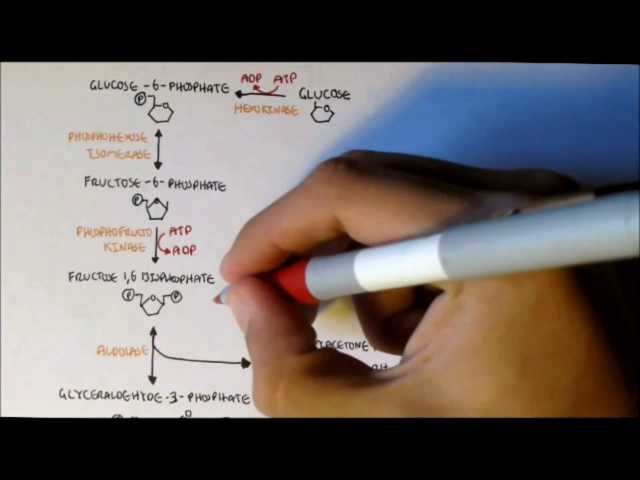
Human Metabolism Map II – Gluconeogenesis & Glycogenesis
Unlock the key steps of Gluconeogenesis and Glycogenesis in this video from the Human Metabolism Map series. Learn the enzymes, regulation, and physiological importance of glucose synthesis and storage—essential for biochemistry exams and clinical application.
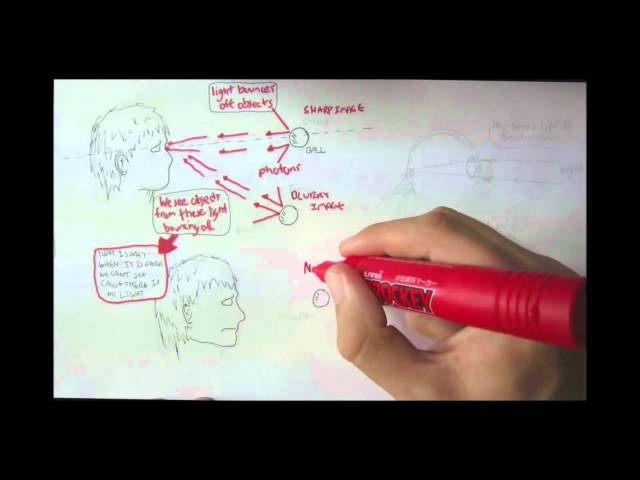
Vision Physiology Introduction
Gain a clear understanding of vision physiology, from light entering the eye to signal processing in the retina and brain. This high-yield introduction is perfect for mastering the basics of visual pathways for exams like the USMLE, NEET, or MCAT.
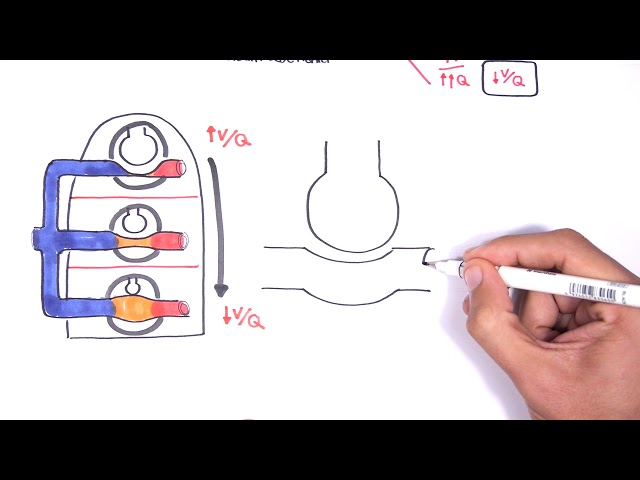
Ventilation and Perfusion (V:Q Ratio) Physiology
Understand the crucial concepts of ventilation and perfusion in respiratory physiology, focusing on the V:Q ratio and its role in efficient gas exchange. This video covers how mismatches affect oxygen delivery and contribute to respiratory disorders.
Our mission
Medical science is complex. Understanding it should feel possible.
Armando Hasudungan turns difficult medical science into clear visual explanations and connected learning experiences—so learners can see the whole picture, remember what matters and find a clearer way forward.
See it clearly
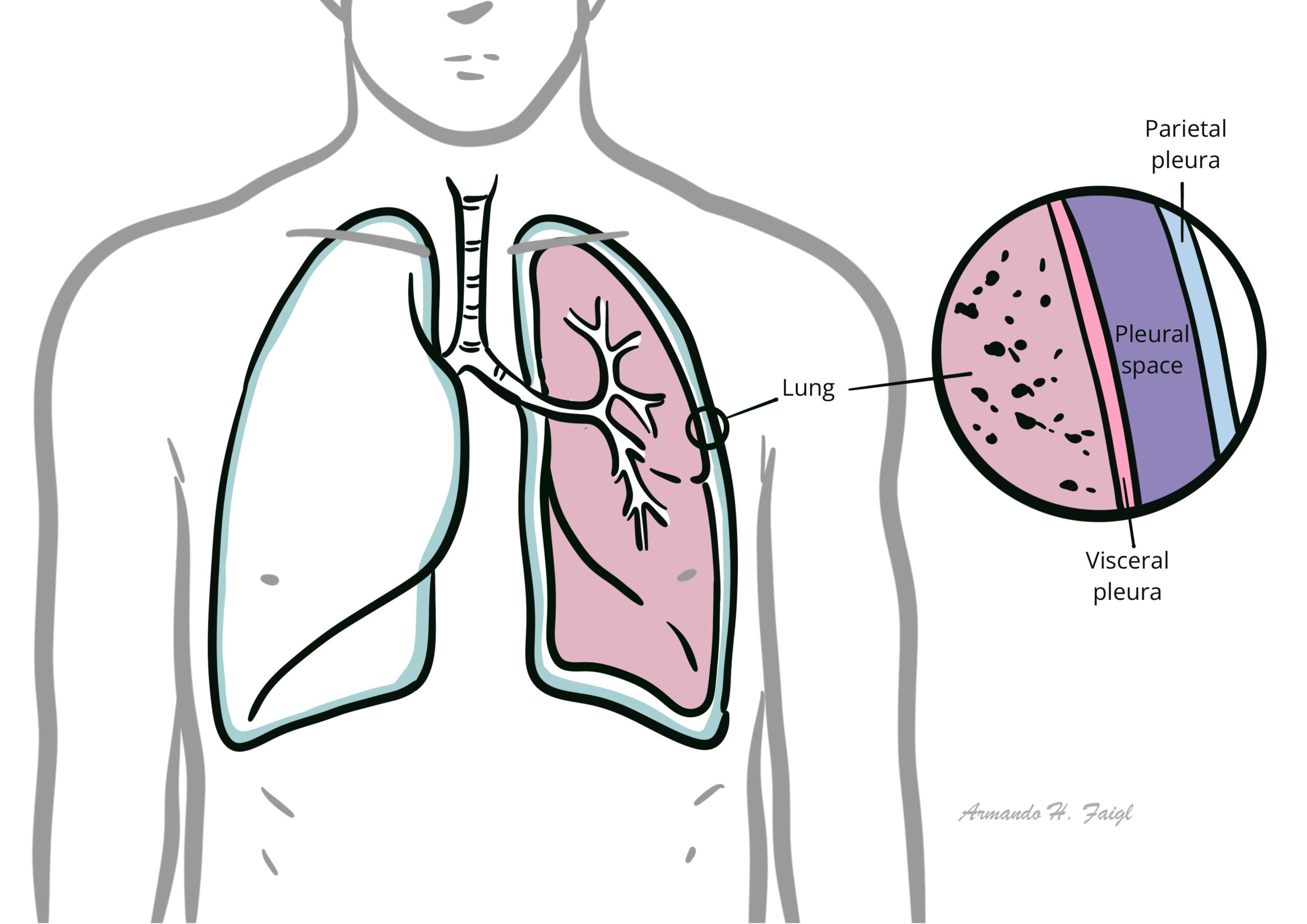
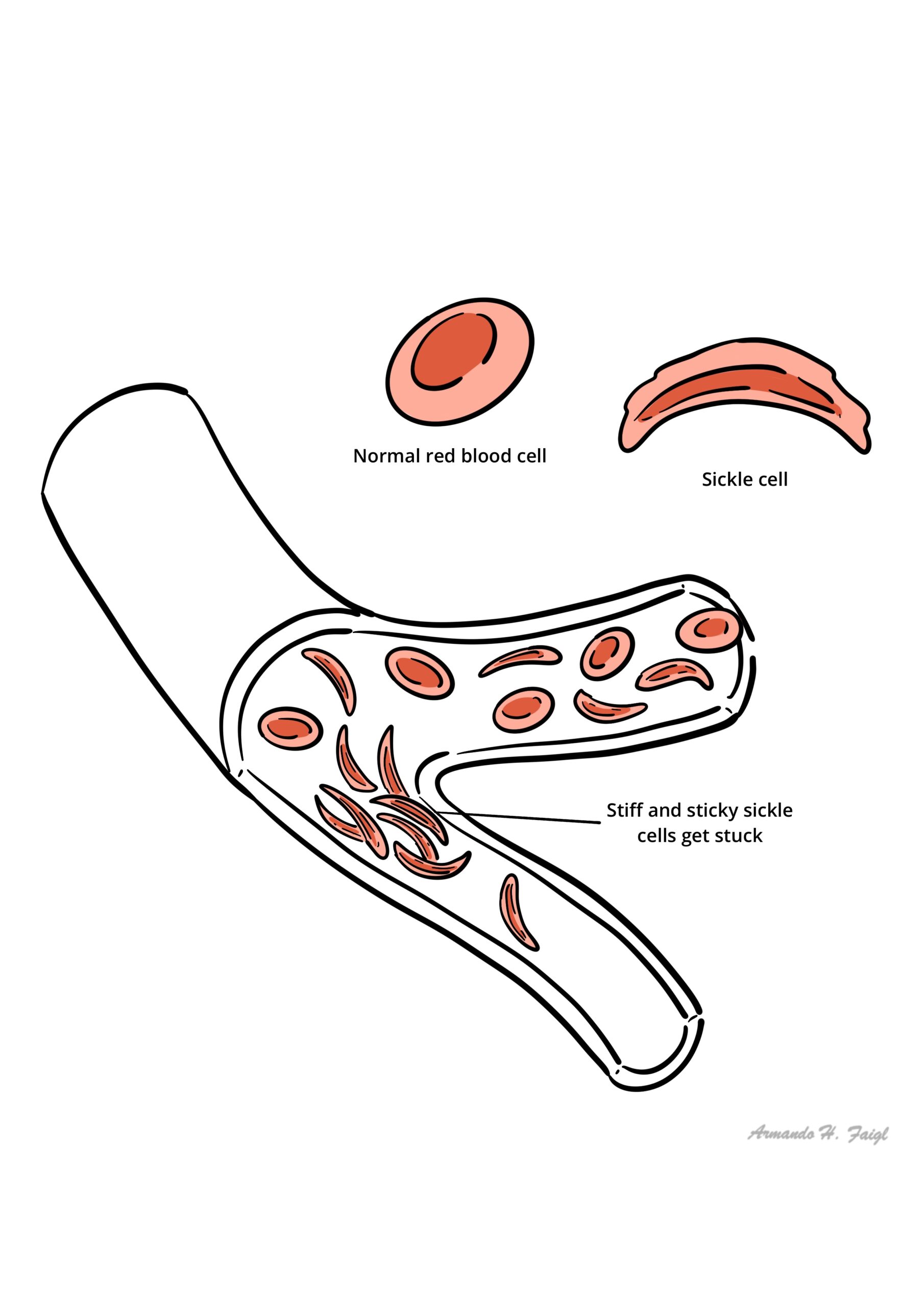
Turn abstract processes and invisible relationships into something the learner can picture.
Connect the pieces
Build understanding around how concepts fit together—not a pile of isolated facts.
Make it useful
Help learners move from explanation to recall, revision and the next logical step.
What clarity feels like
When the topic stops being a blur.
Learners do not come back because the subject became easy. They come back because the explanation gave them a picture they could work with.
“Armando's teaching style gives me the foundational knowledge.
Jessica Payne-Burnett
Medical Student, Charles Sturt University
“The notes I make during his videos help me retain everything better.
Ayesha RaiStudent, Islamabad Medical and Dental College
“The drawings are amazing and super easy to remember.
Reem Mohamed Khair Abdalrazig
Student, Neelain University
Coming soon: the AH study platform
The explanation is only the start.
The free library helps you find a clear explanation. The AH platform is being built to help you connect the resources, follow a clearer path and check what actually stuck.
- Watch in a focused, ad-free study environment.
- Move between connected videos, notes, diagrams and questions.
- Know what belongs next instead of rebuilding the study path yourself.
- Test your understanding while the topic is still fresh.
New and worth a look
Keep building the picture.
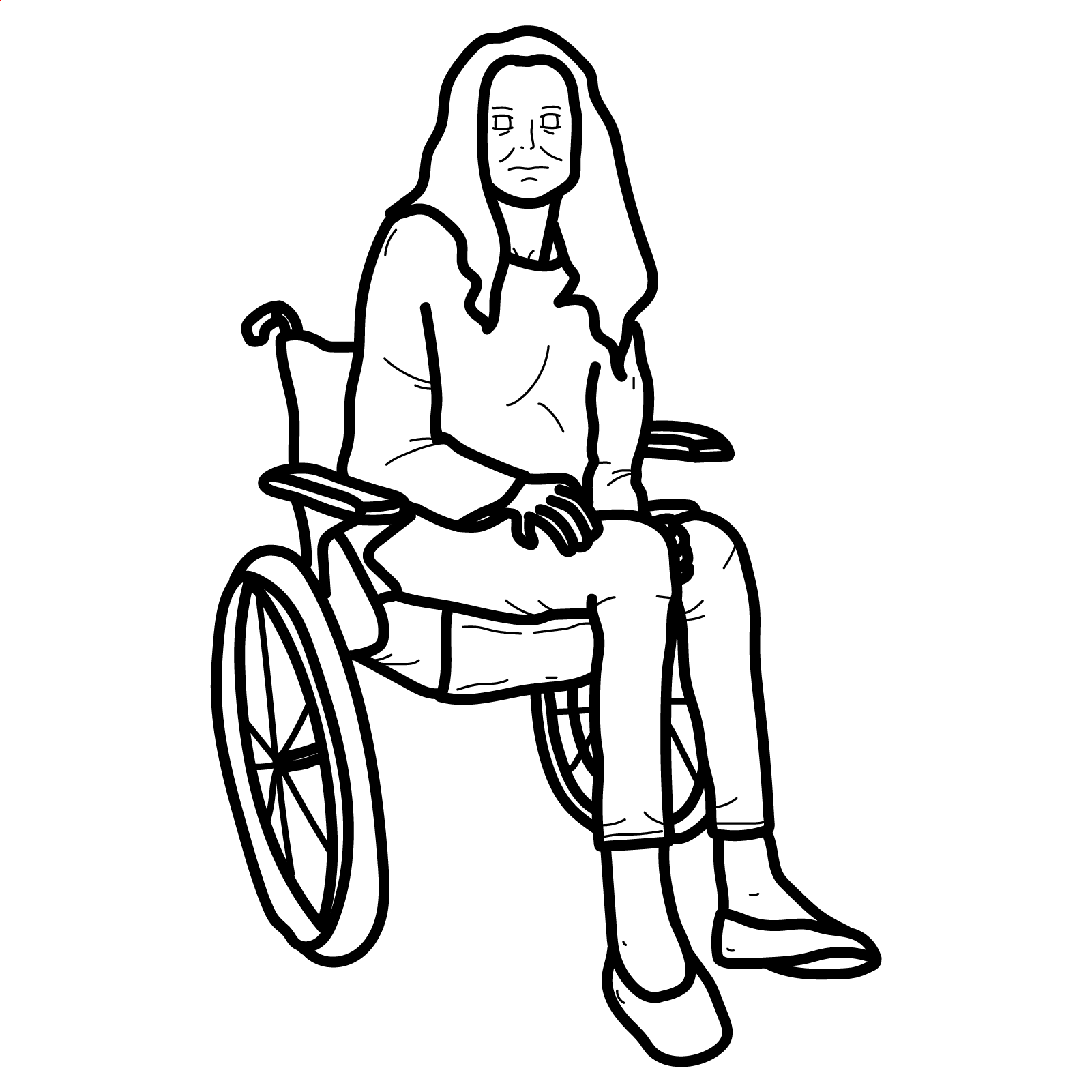
Chronic inflammatory demyelinating polyneuropathy (CIDP)
Overview Chronic inflammatory demyelinating polyradiculoneuropathy (CIDP) is an acquired immune-mediated disorder of peripheral nerves and nerve roots, causing demyelination, impaired nerve conduction, weakness, sensory disturbance and reduced or absent reflexes. Typical CIDP causes progressive or relapsing symmetrical proximal and distal weakness with sensory loss developing over at least 8 weeks . This time course helps…
View this topic ↗About Visualising Medicine
Good education does not remove complexity. It makes complexity feel simple.
Visualising Medicine is the team behind Armando Hasudungan. We bring together medicine, illustration, writing and technology to make difficult ideas clearer—and build better ways for learners to use them.