

Visual explanationFree resource
Visual medical education by Armando Hasudungan
Medical science, drawn into focus.
Explore visual explanations that reveal how the facts, processes and clinical patterns fit together—then discover the coming AH study platform, built to guide what you study next and check what stuck.
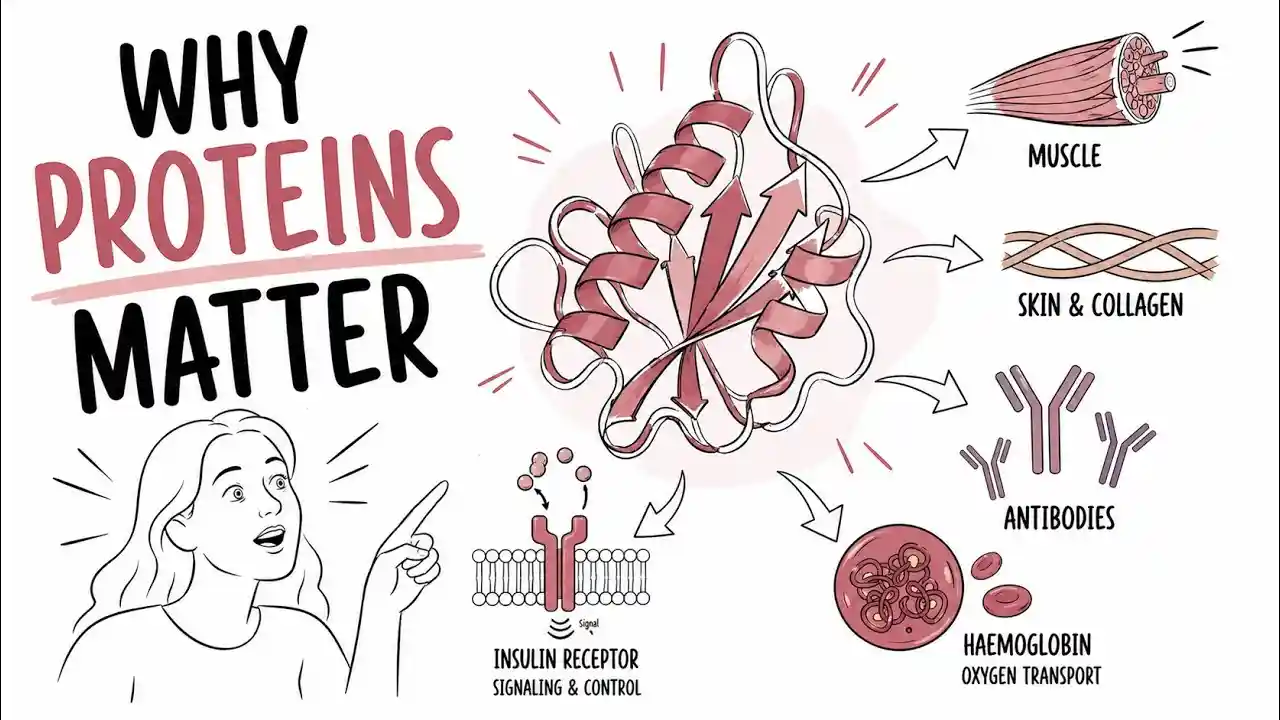
Connected studyComing soon
Clear visual explanations used by medical and allied-health learners around the world.
Explore the free library
Start with the topic in front of you.
Browse by subject or jump straight into the explanation you need. No account required.
Developmental Hip Dysplasia
Overview Developmental Dyplasia of the hip (DDH) is previously known as congenital dislocation of the hip (however name changed as some of the hip problems develop after birth). Spectrum of condition related to development of the hip in infants and young children. Includes abnormal development of the acetabulum and proximal femur + mechanical instability of the hip joint. Usually involves…
View topic ↗Diabetes Mellitus Type II
Overview Diabetes Mellitus type II is a progressive disorder defined by deficits in insulin secretion and action (insulin resistance). 1 in 12 people have diabetes (50% do not know they have it). Diabetes type II accounts for over 90% of all diabetes cases. The remaining 10% include type I diabetes. People with type II diabetes…
View topic ↗Basic Calcium Phosphate Disease / Milwaukee Shoulder Syndrome
Overview Basic Calcium Phosphate (BCP) disease is a crystal-associated arthropathy characterized by deposition of BCP crystals in periarticular and intra-articular tissues. A severe clinical presentation of BCP disease is Milwaukee Shoulder Syndrome, which typically affects elderly women, leading to rapid joint destruction, massive rotator cuff tears, and non-inflammatory joint effusion. It often involves the shoulder,…
View topic ↗Deep Vein Thrombosis
Overview Deep vein thrombosis (DVT) is the formation of a blood clot in a vein deep under the skin 25-50% of surgical patients and many non-surgical patients. 65% of DVT are below the knee are symptomatic and rarely embolism to the lung. There are many causes of DVT. Thrombus: blood clot Thrombosis: blood clot that forms in…
View topic ↗Substance Dependence (Addiction), Withdrawal and Overdose
Overview of addition medicine. This section is a brief introduction to substance abuse, followed by section that look at specific drugs of addiction. Substance Misuse: Consumption above designated low risk levels Substance Abuse: repetitive substance use resulting in social complications (financial, occupational and legal) Substance Tolerance: Defined by either of the following: a need for…
View topic ↗Hyperparathyroidism
This section will mainly focus on Primary Parathyroidism Overview Primary Hyperparathyroidism (PHPT) is generalised disorder calcium, phosphate and bone metabolism due to increased secretion of parathyroid hormone normally leading to hypercalcaemia and hypophosphatemia. PHPT may present with recurrent nephrolithiasis, peptic ulcers, mental and muscle changes and less frequently bone resorption. Frequently, routine blood tests will…
View topic ↗COPD
Overview The diagnosis of COPD is usually limited to individuals who have chronic airflow obstruction associated with tobacco smoke or some other noxious inhalant, and it is usually not difficult to distinguish it from other causes of chronic airflow obstruction. The most commonly associated clinical disorders associated with COPD are emphysema and chronic bronchitis. Chronic…
View topic ↗Full resource library
Browse all topics ↗Choose how you learn
One idea. More than one way to see it.
Use the format that helps the topic click, then switch formats when you need to reinforce it.
01 / WATCH02 / READ03 / SEE04 / CHECK
Videos
Hand-drawn explanations that build the big picture as the concept unfolds.
Notes
Clear written explanations for review, reference and filling in the details.
Diagrams
Visual snapshots that help you easily review topics.
Questions
Test whether the explanation stayed with you—not just whether it looked familiar.
Good places to begin
Explanations learners return to.
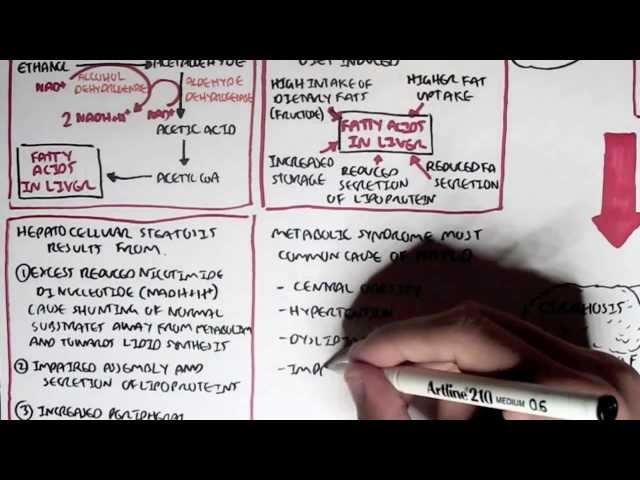
Liver Disease Part II
Continue learning about liver disease with a focus on advanced conditions such as cirrhosis, portal hypertension, and liver failure. This video explains the complications, clinical features, and underlying mechanisms of progressive liver damage.
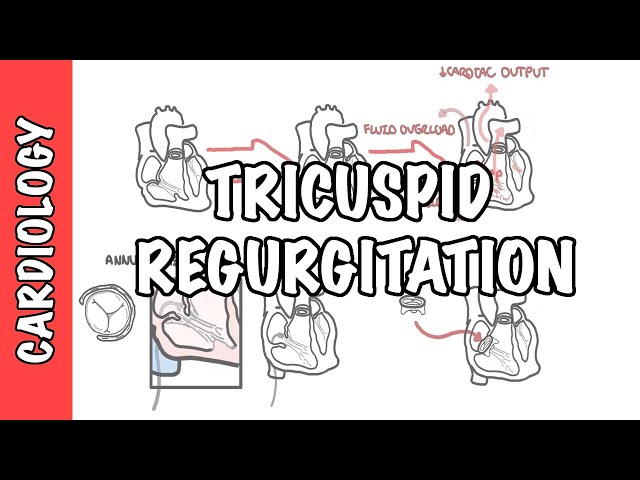
Tricuspid regurgitation – pathophysiology, investigation and treatment
Tricuspid regurgitation causes blood to leak back into the right atrium during systole — learn causes, symptoms, diagnosis, and treatment. This clear, concise video explains primary vs. secondary tricuspid regurgitation, why valve anatomy (three leaflets, chordae tendineae, papillary muscles) matters, and how right ventricular dilation and pulmonary hypertension drive functional TR. Viewers will understand common…
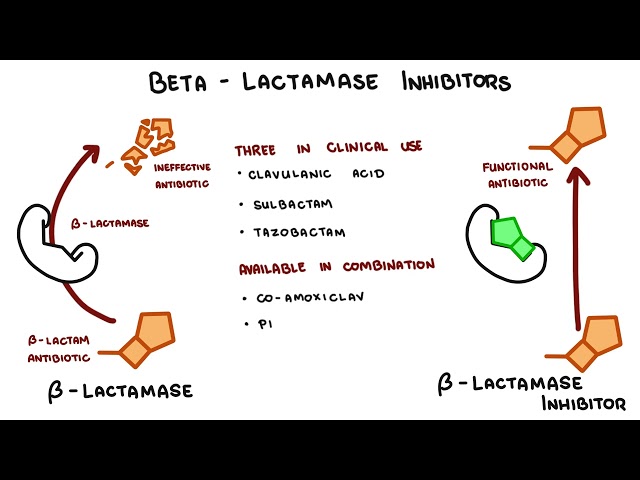
Penicillin antibiotics – Mechanism of action, side effects and resistance
Penicillin was discovered by Alexander Fleming in 1928 but did not become widely available until the 1940s. The penicillins are closely related compounds comprising a β-lactam ring, a five-membered thiozolidine ring, and a side chain. The ring structures are essential for antibacterial activity, and the side chain determines the spectrum and pharmacological properties. Most penicillins…
Our mission
Medical science is complex. Understanding it should feel possible.
Armando Hasudungan turns difficult medical science into clear visual explanations and connected learning experiences—so learners can see the whole picture, remember what matters and find a clearer way forward.
See it clearly
Turn abstract processes and invisible relationships into something the learner can picture.
Connect the pieces
Build understanding around how concepts fit together—not a pile of isolated facts.
Make it useful
Help learners move from explanation to recall, revision and the next logical step.
What clarity feels like
When the topic stops being a blur.
Learners do not come back because the subject became easy. They come back because the explanation gave them a picture they could work with.
“Armando's teaching style gives me the foundational knowledge.
Jessica Payne-Burnett
Medical Student, Charles Sturt University
“The notes I make during his videos help me retain everything better.
Ayesha RaiStudent, Islamabad Medical and Dental College
“The drawings are amazing and super easy to remember.
Reem Mohamed Khair Abdalrazig
Student, Neelain University
Coming soon: the AH study platform
The explanation is only the start.
The free library helps you find a clear explanation. The AH platform is being built to help you connect the resources, follow a clearer path and check what actually stuck.
- Watch in a focused, ad-free study environment.
- Move between connected videos, notes, diagrams and questions.
- Know what belongs next instead of rebuilding the study path yourself.
- Test your understanding while the topic is still fresh.
New and worth a look
Keep building the picture.
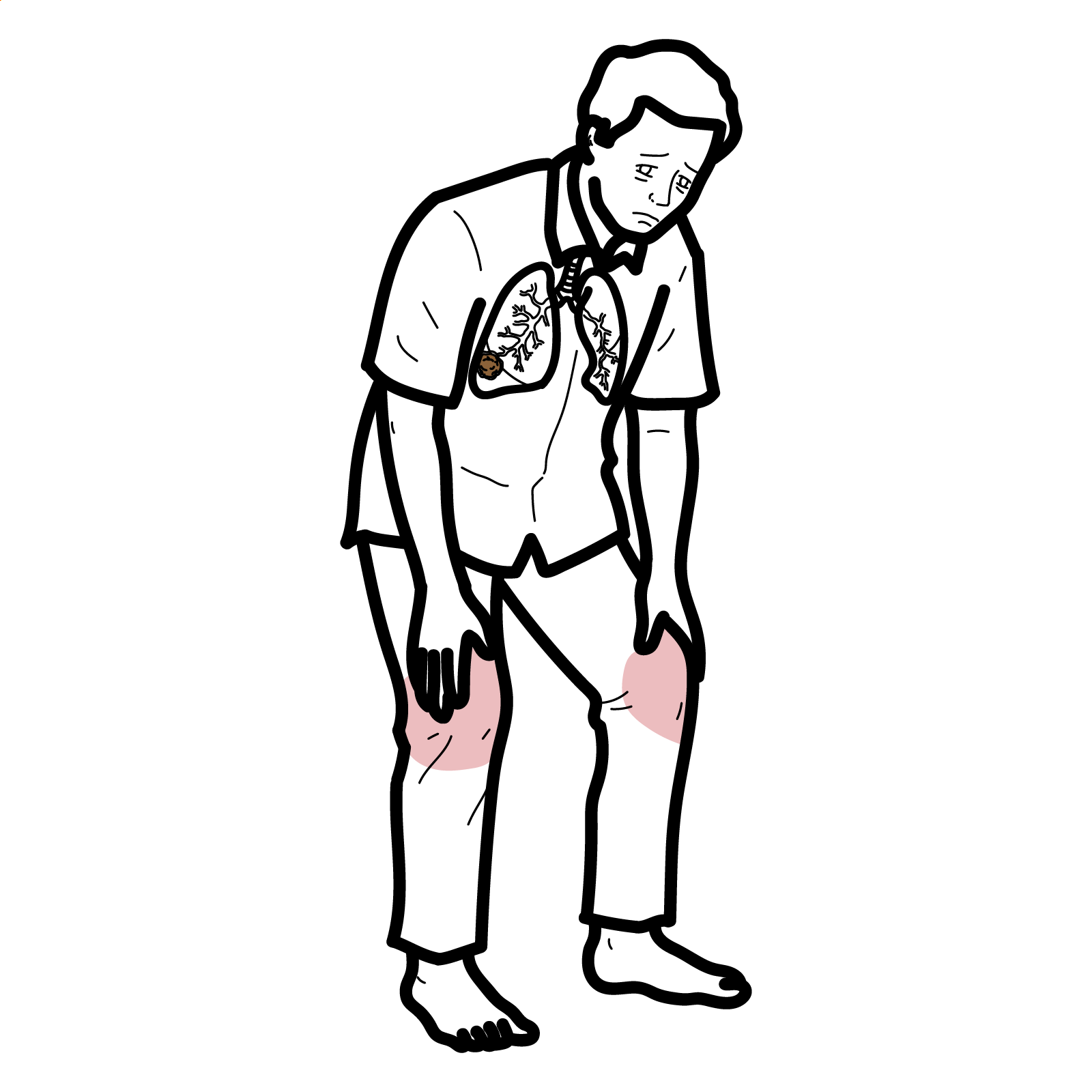
Lambert-Eaton Myasthenic Syndrome
Overview Lambert–Eaton myasthenic syndrome (LEMS) is a rare autoimmune disorder of the presynaptic neuromuscular junction. It causes impaired acetylcholine release, producing the characteristic triad of proximal muscle weakness, reduced reflexes and autonomic dysfunction. LEMS may occur as a paraneoplastic syndrome—most commonly associated with small-cell lung cancer (SCLC)—or as a non-tumour-associated autoimmune disorder. Neuromuscular junction: connection…
View this topic ↗About Visualising Medicine
Good education does not remove complexity. It makes complexity feel simple.
Visualising Medicine is the team behind Armando Hasudungan. We bring together medicine, illustration, writing and technology to make difficult ideas clearer—and build better ways for learners to use them.