Croup (laryngotracheobronchitis) – pathophysiology and management
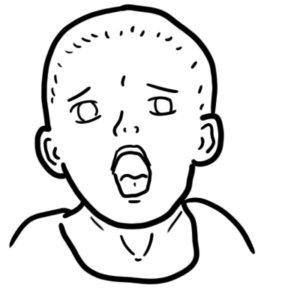
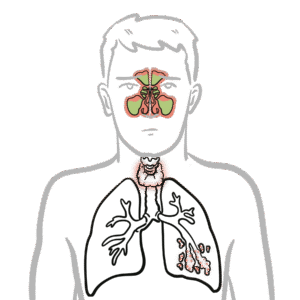
Learn how to recognize, treat, and manage croup — the common viral laryngotracheobronchitis that causes barking cough, inspiratory stridor, and breathing difficulty in young children. Croup (laryngotracheobronchitis) most often affects kids aged 6 months to 3 years and is usually viral — commonly parainfluenza or RSV — causing inflammation and subglottic swelling that produces the classic “horse” voice, noisy inspiration, and increased work of breathing.
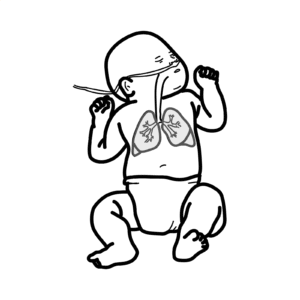
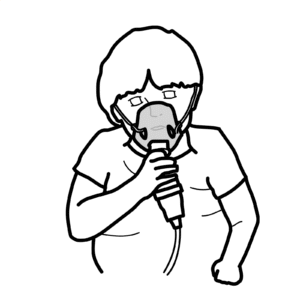
This video explains the pathophysiology, typical progression from a mild upper respiratory infection to airway edema, and why inspiratory stridor occurs. You’ll learn how clinicians classify croup as mild, moderate, or severe based on symptoms (barking cough without stridor to persistent stridor with marked retractions and altered consciousness) and which red flags indicate imminent airway compromise. Practical treatment strategies are covered: a single dose of dexamethasone is recommended for virtually all cases presenting to hospital, nebulized adrenaline and oxygen for significant obstruction, and urgent resuscitation for life-threatening presentations. The summary also outlines differential diagnoses — including epiglottitis, bacterial tracheitis, foreign body aspiration, and anaphylaxis — and when imaging might demonstrate the classic steeple sign.
Watch to gain clear, actionable knowledge on recognizing symptoms, understanding mechanisms, and applying first-line treatments and monitoring strategies to improve outcomes. Whether you’re a clinician, parent, or caregiver, this concise guide equips you to spot danger signs early and respond confidently. Watch now to strengthen your recognition and management of pediatric croup.









Notes Articles