

Botulism
Overview
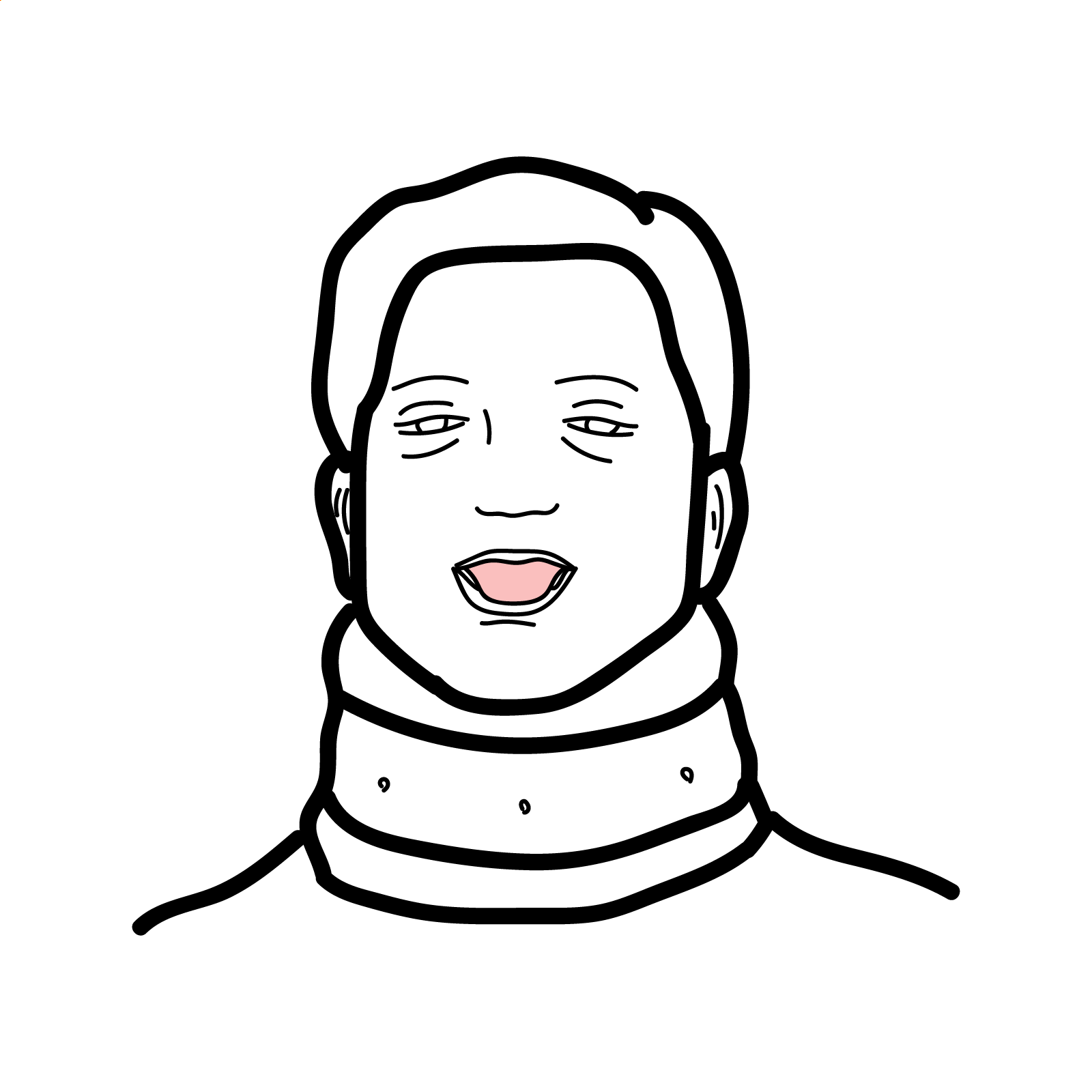
Botulism is a rare, life-threatening neuroparalytic syndrome caused by botulinum neurotoxin. It classically produces acute bilateral cranial nerve palsies followed by symmetrical descending flaccid paralysis, which may progress to respiratory failure.1
Botulism is very rare in Australia, where most reported cases occur in infants younger than 12 months. Nevertheless, foodborne, wound and iatrogenic cases also occur. Botulism is nationally notifiable and suspected disease requires urgent clinical and public-health escalation.2
Definition
- Botulism
- A neuroparalytic syndrome caused by botulinum neurotoxin.
- Botulinum neurotoxin
- A toxin that prevents acetylcholine release from presynaptic cholinergic nerve terminals.
- Flaccid paralysis
- Weakness accompanied by reduced muscle tone due to impaired lower motor neuron, peripheral nerve or neuromuscular transmission.
- Infant botulism
- Intestinal botulism occurring in an infant younger than 12 months after ingested spores colonise the intestine and produce toxin.
Anatomy & Physiology
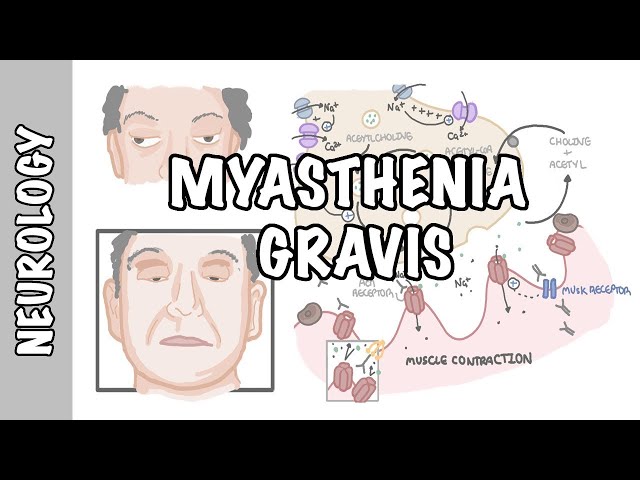
At the neuromuscular junction, an action potential causes calcium-dependent fusion of acetylcholine-containing vesicles with the presynaptic membrane. Acetylcholine then crosses the synaptic cleft and binds nicotinic receptors on skeletal muscle, producing depolarisation and contraction.
Vesicle fusion depends on soluble N-ethylmaleimide-sensitive factor attachment protein receptor (SNARE) proteins, including synaptobrevin, SNAP-25 and syntaxin. Botulinum neurotoxins target these proteins.3
Acetylcholine is also released from autonomic cholinergic nerve terminals. Interference with these pathways explains dry mouth, fixed or sluggish pupils, constipation, urinary retention and other autonomic features of botulism.1
Aetiology & Risk Factors
Aetiology
Botulism can result from exposure to preformed toxin or from toxin production within the body:
- Foodborne botulism: ingestion of preformed toxin in contaminated food.
- Infant botulism: ingestion of spores followed by intestinal colonisation and toxin production in an infant younger than 12 months.
- Wound botulism: germination of spores and toxin production within an anaerobic wound.
- Adult intestinal botulism: intestinal colonisation and toxin production in a susceptible older child or adult.
- Iatrogenic botulism: systemic toxicity following excessive, counterfeit, unregulated or incorrectly administered botulinum toxin.
- Inhalational botulism: exposure to aerosolised toxin, typically through an accidental laboratory or deliberate event.1,4,5
Most human disease is caused by botulinum neurotoxin types A, B and E, with type F responsible for occasional cases. Other toxin-producing species, particularly Clostridium baratii and Clostridium butyricum, can rarely cause botulism.1
Risk Factors
Important exposure risks include:
- improperly processed home-canned or bottled low-acid foods
- inadequately fermented, salted or smoked fish and meat
- food stored under low-oxygen conditions that permit bacterial growth and toxin formation
- honey exposure in an infant younger than 12 months
- environmental exposure of infants to soil or dust containing spores
- contaminated, deep or necrotic wounds
- injecting drug use
- therapeutic or cosmetic injections involving unapproved products, excessive doses or unqualified providers
- altered intestinal anatomy or microbiota, recent gastrointestinal surgery, inflammatory bowel disease or immunocompromise in adult intestinal botulism.2,4,5
The absence of an obvious exposure does not exclude botulism.1
Pathophysiology
The pathophysiological sequence is:
- Preformed toxin enters the body, or spores germinate and toxin is produced in the intestine or a wound.
- Toxin enters the circulation and binds irreversibly to presynaptic cholinergic nerve terminals.
- The toxin is internalised and its light chain cleaves specific SNARE proteins.
- Synaptic vesicles can no longer release acetylcholine effectively.
- Neuromuscular transmission fails, producing cranial neuropathies and descending flaccid paralysis.
- Autonomic cholinergic dysfunction produces pupillary abnormalities, dry mouth, ileus, constipation and urinary retention.
- Paralysis of bulbar and respiratory muscles can cause aspiration, ventilatory failure and death.1,3
Antitoxin can neutralise circulating toxin that has not yet bound to nerve terminals. It cannot detach toxin that is already bound or immediately restore affected synapses. Recovery therefore depends on restoration of neuromuscular transmission and may take weeks to months.1
Botulism simultaneously affects skeletal neuromuscular transmission and autonomic cholinergic function. This explains the otherwise unusual combination of flaccid weakness, dilated or sluggish pupils, dry mouth, constipation and urinary retention—with preserved sensation and consciousness.
Classification
Botulism is most usefully classified by how toxin exposure occurs.
| Type | Pathogenic mechanism | Characteristic context |
|---|---|---|
| Foodborne | Ingestion of preformed toxin | Improperly preserved or canned food; possible gastrointestinal prodrome |
| Infant | Intestinal colonisation after spore ingestion | Infant younger than 12 months; constipation, poor feeding and hypotonia |
| Wound | Toxin production within an anaerobic wound | Contaminated wound or injecting drug use; gastrointestinal symptoms usually absent |
| Adult intestinal | Intestinal colonisation and toxin production | Altered bowel anatomy, microbiota or host defences |
| Iatrogenic | Systemic spread after botulinum toxin administration | Excessive dose, counterfeit product or unregulated administration |
| Inhalational | Inhalation of aerosolised toxin | Laboratory accident or deliberate release |
Neurological manifestations are broadly similar across these forms, although the exposure history, incubation period and accompanying features differ.1,4,5
Clinical Manifestations
Classical neurological pattern
The characteristic syndrome is:
- acute onset
- bilateral cranial nerve palsies
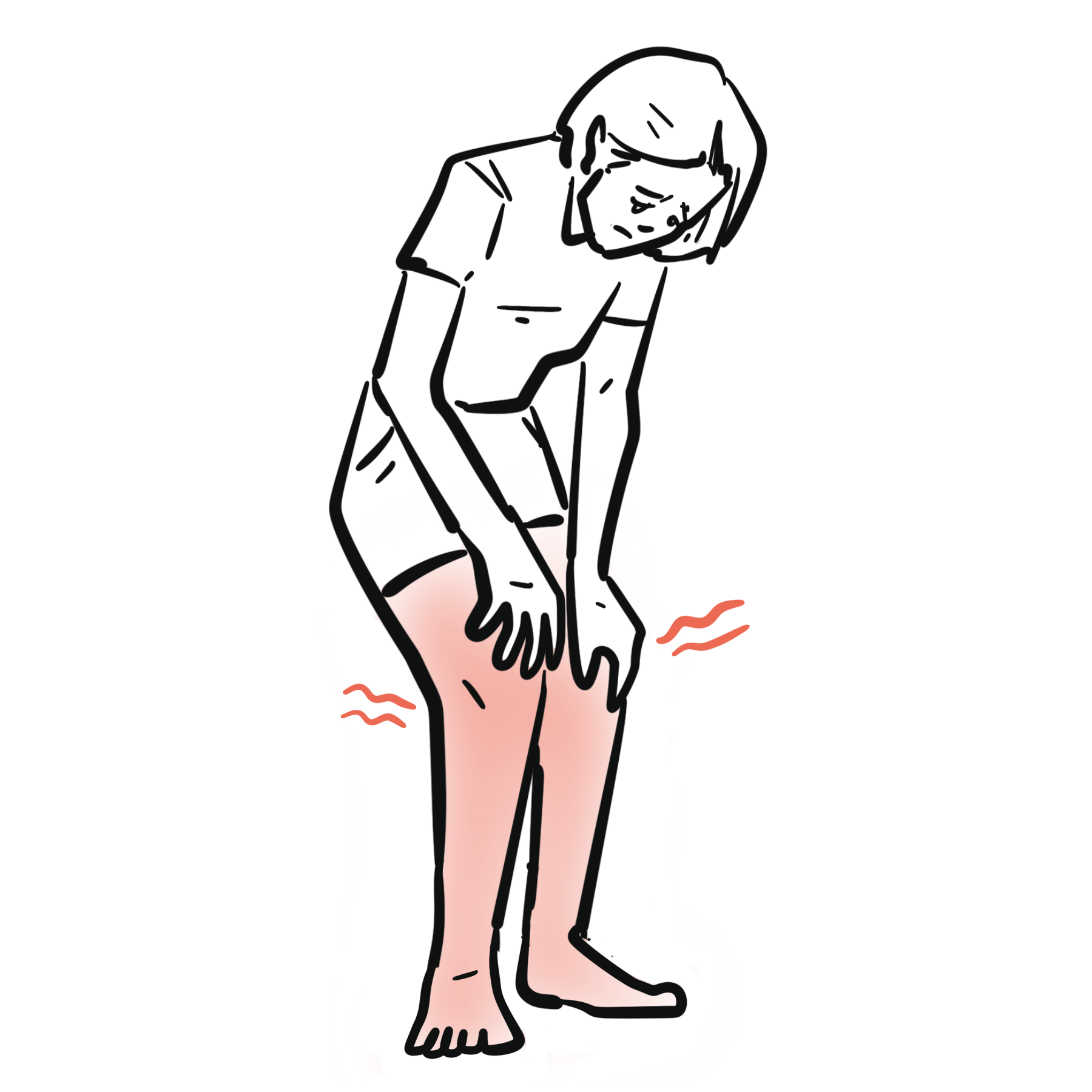
- symmetrical descending flaccid weakness
- reduced muscle tone and reflexes
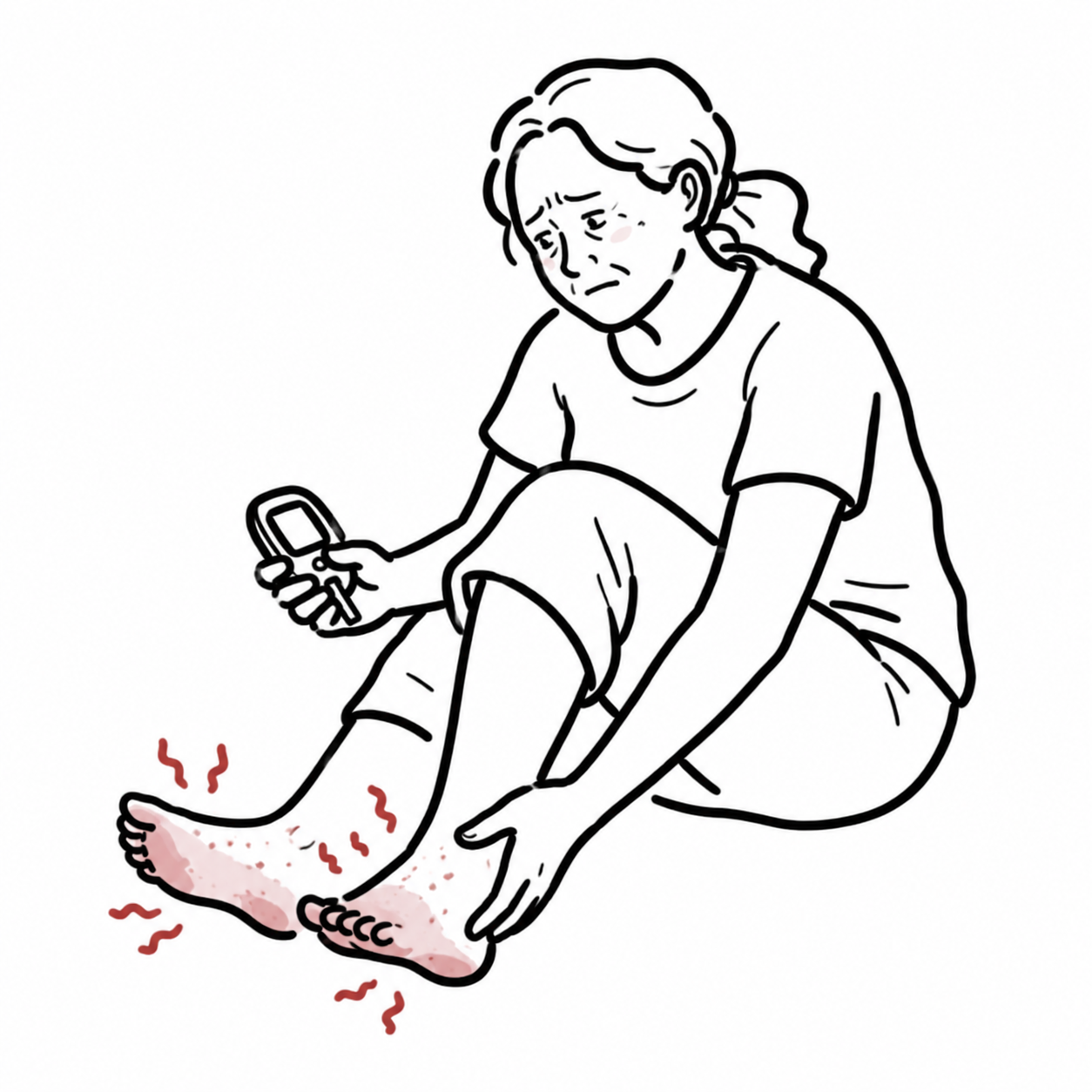
- no sensory loss
- preserved consciousness
- absence of fever unless there is another infection, such as an infected wound.1,5
Cranial and bulbar manifestations
Early findings commonly include:
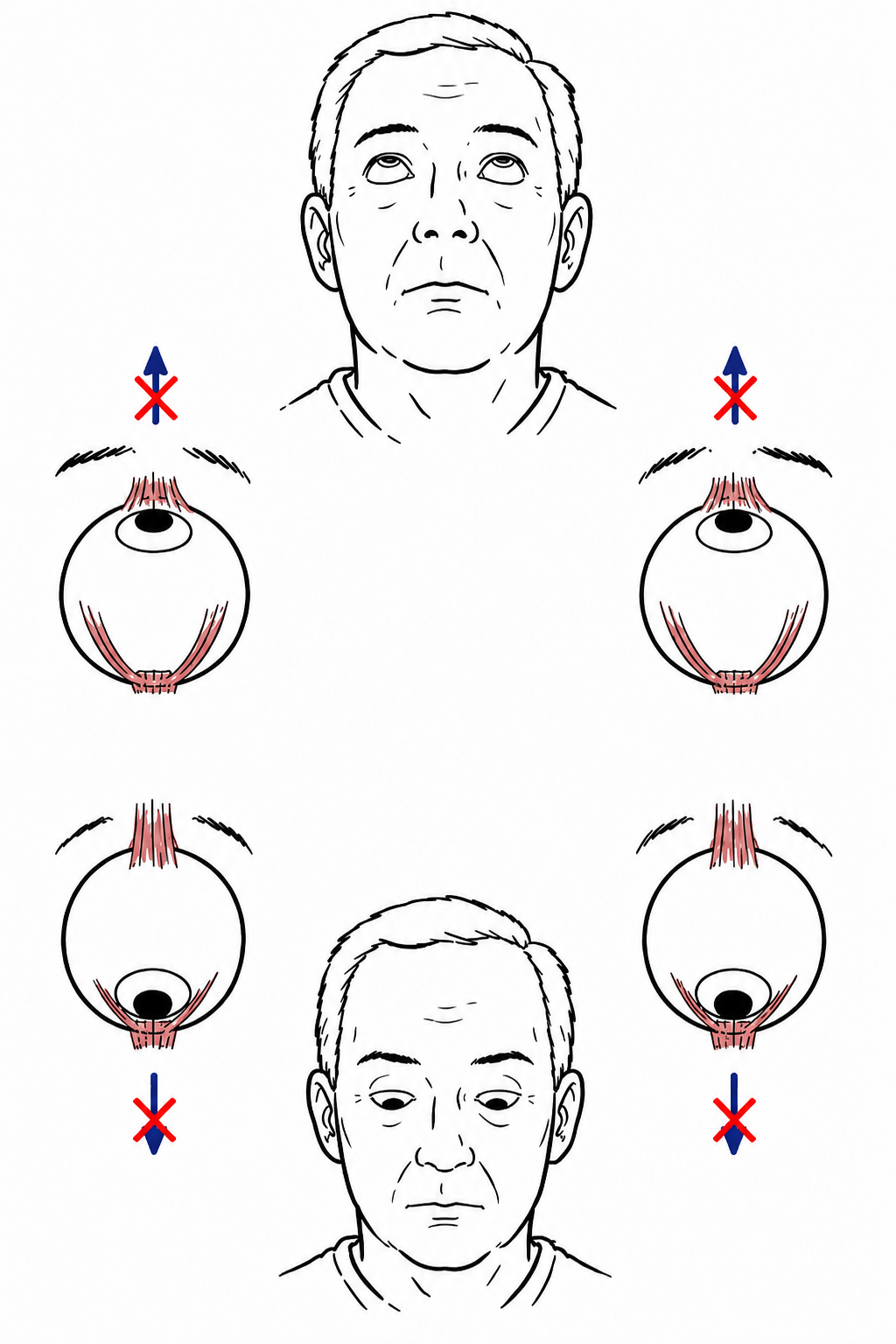
- blurred vision or diplopia
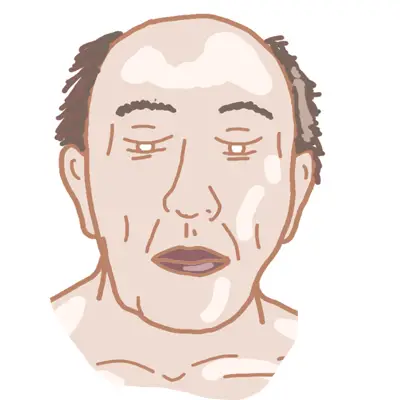
- ptosis
- fixed, dilated or sluggishly reactive pupils
- ophthalmoplegia
- facial weakness
- dysarthria
- dysphonia
- dysphagia
- reduced gag reflex
- dry mouth.
Weakness then descends to involve the neck, upper limbs, respiratory muscles, trunk and lower limbs. Severe bulbar weakness may cause aspiration, while diaphragmatic and accessory respiratory muscle weakness may lead to ventilatory failure.1
Autonomic manifestations
Autonomic dysfunction may produce:
- dry mouth and dry eyes
- constipation or paralytic ileus
- urinary retention
- pupillary abnormalities
- orthostatic hypotension
- blood pressure or heart-rate instability.1
Manifestations associated with specific forms
Foodborne botulism may begin with nausea, vomiting, abdominal pain or diarrhoea before the neurological syndrome develops.
Infant botulism commonly begins with constipation, followed by poor feeding, weak suck, weak or altered cry, reduced facial expression, ptosis, loss of head control, generalised hypotonia and respiratory difficulty.
Wound botulism resembles foodborne botulism neurologically but usually lacks gastrointestinal symptoms. Fever or leucocytosis may occur because of concurrent wound infection.4,5
A profoundly weak or mechanically ventilated patient with botulism may remain fully conscious and able to hear and understand. Communication, explanation, analgesia and psychological support remain essential.
Diagnosis & Investigations
Clinical diagnosis
Botulism is initially a clinical diagnosis. The key diagnostic pattern is acute bilateral cranial neuropathy followed by symmetrical descending flaccid paralysis, with preserved sensation and consciousness. Laboratory confirmation supports the diagnosis and public-health response but must not delay antitoxin when clinical suspicion is sufficient.1,5
Suspected botulism should be discussed immediately with infectious diseases, toxicology and the relevant public-health authority. In Australia, notification and antitoxin access are coordinated through state or territory health authorities.2,5
Do not wait for laboratory confirmation before treating clinically suspected, symptomatic botulism. Antitoxin is most effective when administered early, before additional toxin binds irreversibly to nerve terminals.
Laboratory confirmation
Specialist laboratories may confirm botulism through:
- detection of botulinum neurotoxin in serum
- detection of toxin or a toxin-producing organism in stool
- culture or toxin detection from wound tissue or exudate
- testing of gastric contents, vomitus or implicated food
- molecular detection of toxin genes in appropriate specimens.
Specimens should be collected as early as possible and, when feasible, before antitoxin administration—provided collection does not delay treatment. A negative result does not exclude botulism because circulating toxin may already have bound to nerve terminals or fallen below the assay’s detection threshold.5
Routine blood tests are often non-specific. Cerebrospinal fluid is usually normal, although it may be examined when Guillain–Barré syndrome or infection is being considered. Neuroimaging may help exclude a brainstem lesion but does not diagnose botulism.1
Electrodiagnostic studies
Nerve conduction studies, electromyography and repetitive nerve stimulation can support the diagnosis. Possible findings include:
- reduced compound muscle action potential amplitudes
- an incremental response with high-frequency repetitive stimulation
- brief, low-amplitude motor unit potentials
- preserved sensory nerve conduction.
Early electrodiagnostic studies may be normal, and findings are not completely specific. Results must therefore be interpreted with the clinical and epidemiological context.1
Differential diagnosis
| Differential | Features favouring the alternative diagnosis |
|---|---|
| Myasthenia gravis | Fluctuating or fatigable weakness; pupils and autonomic function usually spared |
| Guillain–Barré syndrome | Usually ascending weakness; sensory symptoms may occur; cerebrospinal fluid protein may rise |
| Miller Fisher syndrome | Ophthalmoplegia with ataxia and areflexia; sensory ataxia is prominent |
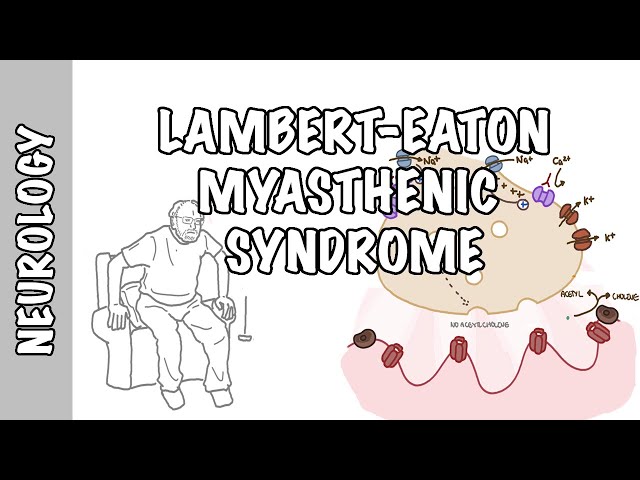
| Lambert–Eaton myasthenic syndrome | Proximal leg weakness with post-exercise facilitation; cranial weakness is often less prominent |
| Brainstem stroke | Sudden onset, asymmetry, upper motor neuron signs or focal sensory findings |
| Tick paralysis | Exposure to a tick; typically ascending paralysis |
| Organophosphate poisoning | Miosis, sweating, bronchorrhoea, salivation, diarrhoea and other features of cholinergic excess |
| Diphtheria or other bulbar neuropathy | Relevant infectious syndrome and local pharyngeal findings |
Pupillary dysfunction and autonomic dryness favour botulism over myasthenia gravis. Symmetrical descending weakness without sensory symptoms favours botulism over typical Guillain–Barré syndrome. However, overlap is substantial, so treatment should not be delayed while every alternative is excluded.
Transmission & Prevention
Botulism is not transmitted directly from person to person. Contacts may nevertheless have shared exposure to the same contaminated food, injected product or environmental source. Public-health investigation is therefore essential.2,4,5
Preventive measures include:
- following validated food-preservation and home-canning procedures
- discarding leaking, bulging or otherwise suspect canned foods without tasting them
- maintaining appropriate food acidity, salinity, temperature and storage conditions
- never giving honey to an infant younger than 12 months
- cleaning and seeking appropriate care for deep or contaminated wounds
- avoiding injecting illicit drugs
- receiving botulinum toxin only from qualified practitioners using approved products
- promptly identifying and removing contaminated food from distribution.
Botulinum spores are heat resistant, whereas preformed toxin is heat labile. Ordinary boiling cannot be relied upon to sterilise food containing spores; safe preservation depends on validated processing and storage methods.4
Treatment
Immediate management
Botulism is a medical emergency. Management priorities are:
- urgent hospital admission and specialist consultation
- close respiratory and bulbar monitoring
- early airway protection when bulbar weakness or ventilatory failure is developing
- mechanical ventilation when required
- early administration of the appropriate antitoxin
- immediate public-health notification and investigation.1,5
Pulse oximetry and arterial blood gases may remain reassuring until neuromuscular respiratory failure is advanced. Serial clinical assessment and respiratory muscle measurements are therefore more useful than waiting for hypoxaemia or marked hypercapnia.1
Botulinum antitoxin
Equine-derived heptavalent botulinum antitoxin is used for symptomatic non-infant botulism. It neutralises unbound circulating toxin and should be administered as early as possible after specialist consultation. Progressive disease may still justify antitoxin even when several days have elapsed since symptom onset.1,5
Antitoxin can cause hypersensitivity reactions, including anaphylaxis. It should be administered in a monitored setting with appropriate emergency treatment available.1
Infant botulism
Human-derived botulism immune globulin is the preferred specific therapy for infant botulism caused by toxin types A or B. In Australia, access requires urgent coordination with specialist and public-health services and the international Infant Botulism Treatment and Prevention Program. Treatment should not await laboratory confirmation.5
Wound botulism
Wound botulism requires:
- surgical assessment and debridement of devitalised tissue
- antitoxin
- appropriate wound and tetanus management
- antibiotics when there is active wound infection, guided by infectious diseases advice.5
Antibiotics do not treat the neurotoxic effects of foodborne or intestinal botulism. Aminoglycosides and several other medicines that impair neuromuscular transmission may worsen weakness and should be avoided or used cautiously after specialist assessment.1,5
Supportive care
Prolonged paralysis may require:
- mechanical ventilation and airway care
- enteral nutritional support
- aspiration prevention
- bladder and bowel management
- eye and mouth care
- venous thromboembolism and pressure-injury prevention
- physiotherapy and rehabilitation
- communication and psychological support.1
Antitoxin prevents additional paralysis by neutralising circulating toxin. It does not reverse paralysis that is already established. Clinical recovery depends on restoration of neuromuscular transmission and may therefore be prolonged.
Complications & Prognosis
Complications
Important complications include:
- respiratory failure
- aspiration and aspiration pneumonia
- ventilator-associated pneumonia
- prolonged intensive-care admission
- autonomic cardiovascular instability
- paralytic ileus and urinary retention
- urinary tract infection
- venous thromboembolism
- pressure injuries
- critical illness weakness, deconditioning and psychological distress.1
Prognosis
With early recognition, antitoxin and modern intensive care, most patients survive. Nevertheless, recovery may take weeks to months because affected nerve terminals must regain the ability to release acetylcholine. Fatigue, dyspnoea and reduced exercise tolerance may persist after apparent neurological recovery.1,4
A short incubation period, rapidly progressive paralysis, bulbar dysfunction, respiratory failure and delayed access to antitoxin indicate a more severe clinical course. Later mortality is commonly related to complications of prolonged ventilation and intensive care rather than ongoing toxin activity.1,5
References
- Rao AK, Sobel J, Chatham-Stephens K, Luquez C. Clinical guidelines for diagnosis and treatment of botulism, 2021. MMWR Recomm Rep. 2021;70(2):1–30. doi:10.15585/mmwr.rr7002a1
- Australian Centre for Disease Control. Botulism [Internet]. Canberra: Australian Government Department of Health, Disability and Ageing; 2025 [cited 2026 Aug 3]. Available from: https://www.cdc.gov.au/diseases/botulism
- Rawson AM, Dempster AW, Humphreys CM, Minton NP. Pathogenicity and virulence of Clostridium botulinum. Virulence. 2023;14(1):2205251. doi:10.1080/21505594.2023.2205251
- World Health Organization. Botulism [Internet]. Geneva: World Health Organization; 2023 [cited 2026 Aug 3]. Available from: https://www.who.int/news-room/fact-sheets/detail/botulism
- NSW Health. Botulism control guideline [Internet]. Sydney: NSW Health; [updated 2026 Feb 2; cited 2026 Aug 3]. Available from: https://www.health.nsw.gov.au/Infectious/controlguideline/Pages/botulism.aspx

Members only discussions coming soon…